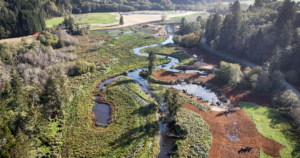
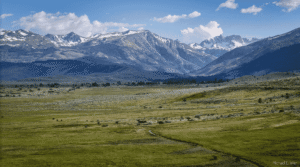
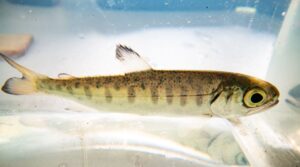
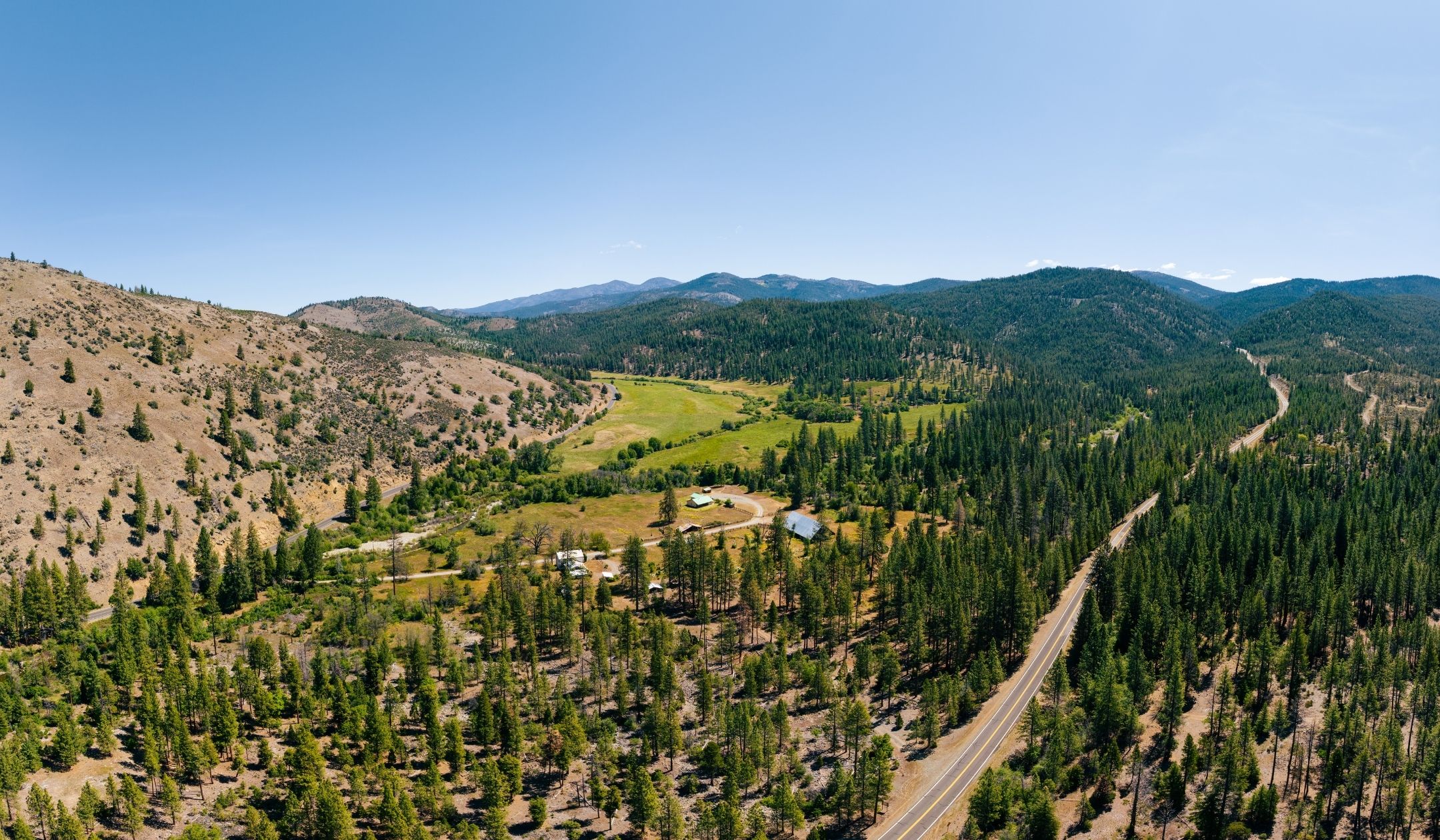
CalTrout has been awarded funding from NOAA’s Community-Based Restoration Program, to restore streams and reconnect floodplains for coho salmon along the East Fork Scott River — a primary tributary to one of California’s largest salmon-producing rivers. The award leverages funding from WCB and CalTrans to restore the majority of the preserve’s anadromous habitat on the East Fork Scott, as part of a broader vision to revive the entire East Fork Scott River watershed.
The funding is part of NOAA’s national effort to recover and sustain the nation’s fisheries by ensuring fish have access to high-quality habitat. On the East Fork Scott, the award will support three interconnected components of the restoration effort:
Habitat restoration: Enhancing habitat complexity and reconnecting historic floodplains along the mainstem East Fork Scott River, addressing channelization and incision caused by road infrastructure, historic land use, and agriculture.
Fish protection: Modifying an existing irrigation diversion to protect fish and enhance infrastructure efficiency
Education and outreach: Building engagement with Tribal and local communities through education, outreach, and partnership.
Part of a Larger Vision for the Beaver Valley Headwaters Preserve
This award builds on years of planning and accelerates the pace of on-the-ground work across the 6,094-acre Beaver Valley Headwaters Preserve, owned by The Wildlands Conservancy (TWC). It also furthers restoration momentum in the region, with TWC recently securing a state grant to permanently protect the 14,177-acre AP Ranch in the Klamath Mountains along 8 miles of the East Fork Scott River, one of the oldest cattle ranches in Northern California.
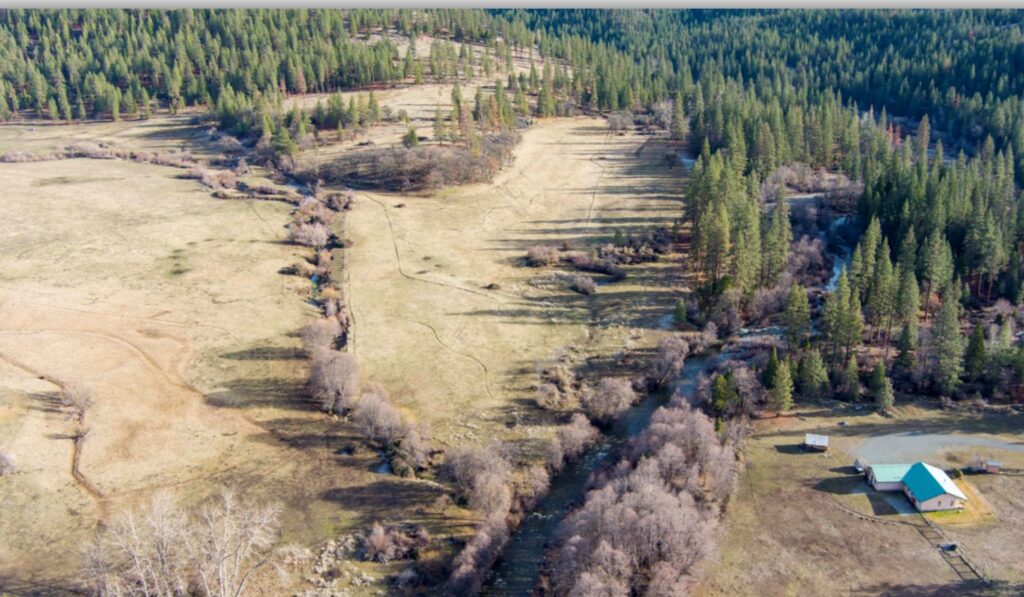
The East Fork Scott contains a significant portion of the entire Scott River watershed’s habitat potential for federally threatened coho salmon: roughly 20 percent — 60 miles — of all modeled anadromous fish habitat in the watershed sits on this one tributary system. But generations of mining, grazing, and agricultural water diversions have left its streams channelized and cut off from their floodplains, with summer flows running scarce just when fish need cold water most.
CalTrout has led restoration design and implementation on the Preserve since TWC acquired the property in 2021, working alongside a broad partnership that includes The Wildlands Conservancy, the North Coast Regional Water Quality Control Board, the Karuk Tribe, the Quartz Valley Indian Reservation, the Scott River Water Trust, the Scott River Watershed Council, the Siskiyou County Office of Education, the Wildlife Conservation Board, CalTrans, the California Department of Fish and Wildlife, and NOAA Fisheries. All in-stream restoration on the Preserve is now fully permitted, with roughly 6.5 miles of aquatic habitat slated for restoration across the property — reconnecting floodplains and rebuilding habitat by adding side channels, alcoves, and large wood structures, replacing culverts and building new bridges to restore fish passage, and protecting fish at water diversions while enhancing groundwater recharge.
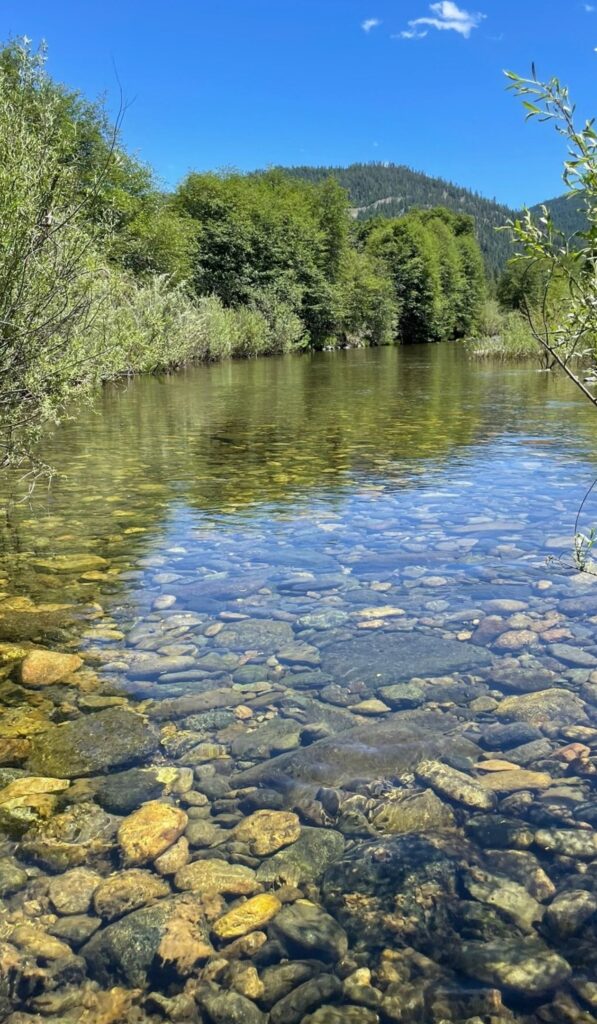
This year marked the first year of restoration construction on the Preserve, beginning with the Lower Noyes Valley Creek project, funded through a partnership with Caltrans and the North Coast Regional Water Quality Control Board. With the new NOAA funding, along with WCB funding received in early 2026, CalTrout is now able to add an additional 3 years of restoration implementation across the entire Preserve — continuing to enact the restoration vision of the landowners and conservation partners. Together, these phases represent a single, holistic restoration effort spanning the Preserve; a vision that advances fish passage, expands public access through outreach and education partnerships, and increases habitat quality and quantity for coho salmon and other native aquatic species, including salamanders and non-salmonid fish. The work aims to increase off-channel habitat critical for juvenile salmonid rearing, reconnect floodplains and riparian vegetation, reduce sediment transport, and increase summer base flows while lowering summer water temperatures.
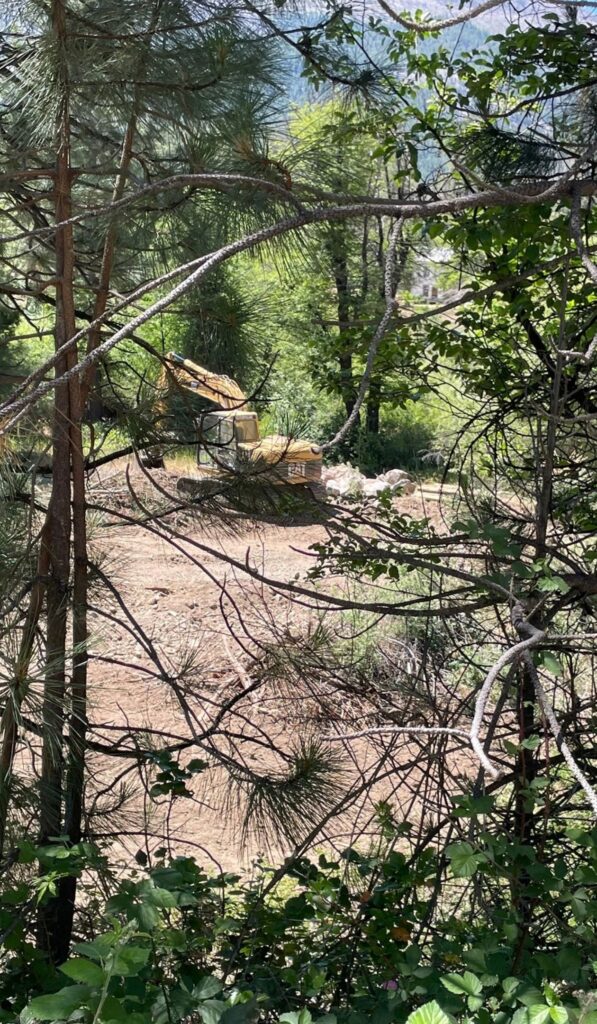
“This project is the type of restoration we need more of in the Klamath — work that restores function to the river, supports salmon at a critical stage of their life cycle, and connects people with a very important place. Investing in the East Fork Scott River is an investment in ecological resilience, Tribal stewardship, and the future of coho salmon.”
Toz Soto/Karuk Tribe Fisheries Manager
Building on This Summer’s Completed Work: Lower Noyes Valley Creek
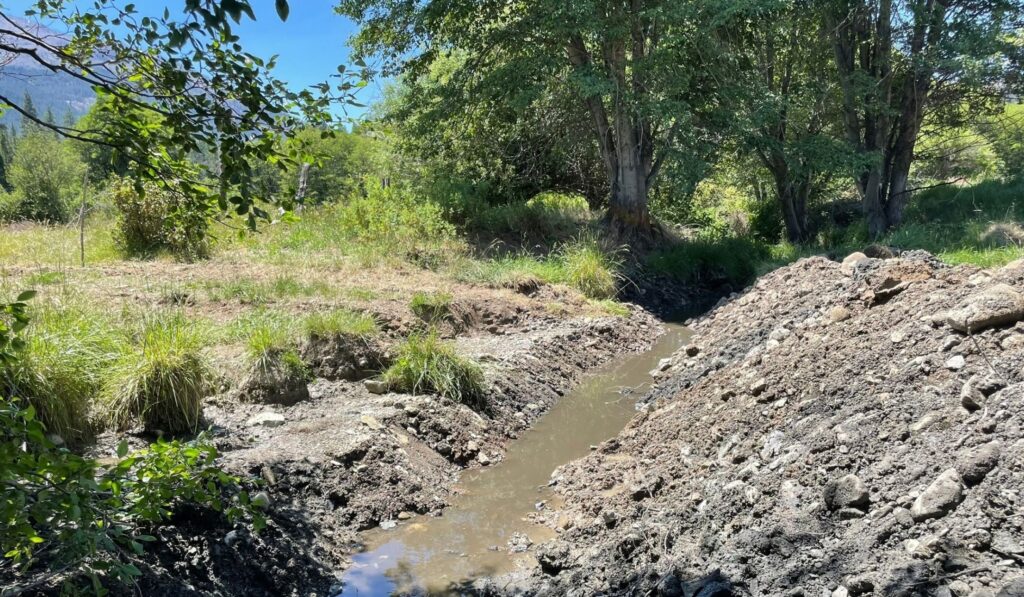
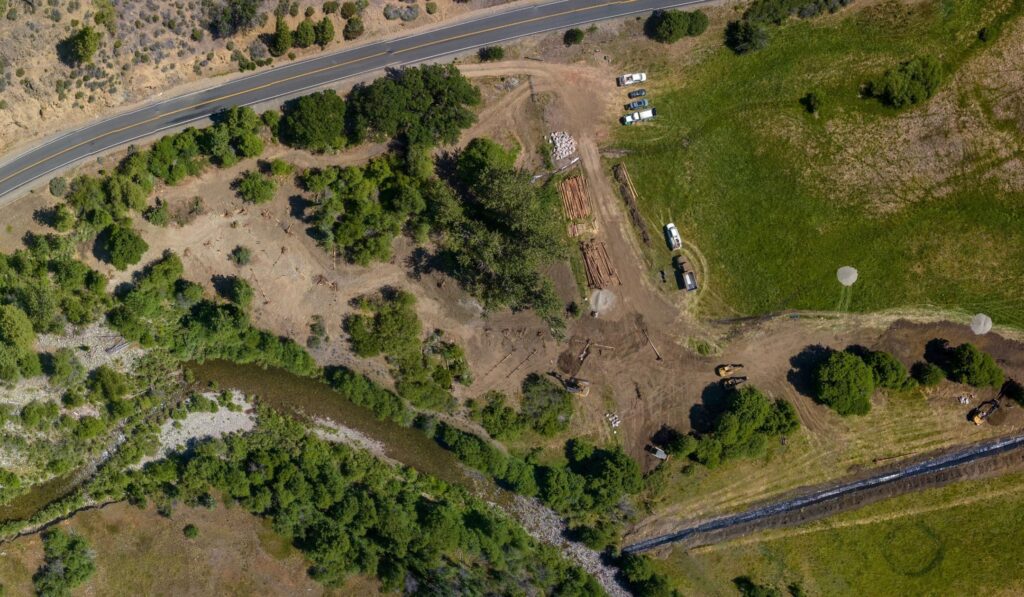
This summer, CalTrout wrapped up the first phase of restoration work on the lower reach of Noyes Valley Creek, a key tributary of the East Fork Scott River within the Beaver Valley Headwaters Preserve. Noyes Valley Creek is one of the largest tributaries to the East Fork Scott, representing more than four miles of aquatic habitat that once held high potential for coho salmon and beaver activity but has been degraded by decades of human use. Adult coho salmon were found spawning in high concentrations at the mouth of Noyes Valley Creek in recent years, underscoring the tributary’s importance to the broader river system.
Noyes Valley Creek is a wet meadow system with significant capacity to store groundwater. It once supported a healthy beaver population, but depredation permits and reduced forage due to cattle grazing sharply reduced beaver numbers over time. As a result, the creek incised, and decades of cattle access increased sediment, reduced riparian vegetation, and diminished shade along the corridor.
By restoring the lower portion of Noyes Valley Creek, CalTrout has taken one of the first major steps toward returning this tributary to full ecological function — including its role in groundwater storage. This work complements efforts by partners at the Scott River Watershed Council, who have constructed beaver dam analogs (BDAs) higher in the watershed to increase surface water retention and encourage riparian plant growth.
Looking Ahead
With permits in hand and funding now secured, CalTrout and its partners are positioned to carry this momentum forward — advancing restoration across the East Fork Scott River and its tributaries, and building toward a fully restored watershed that benefits coho salmon, Chinook salmon, steelhead, and the communities who depend on this landscape. We also hope to support CalTrans in transforming a culvert blocking coho salmon on Highway 3 into a bridge.
Hear our vision for transforming the Beaver Valley Headwaters Preserve: