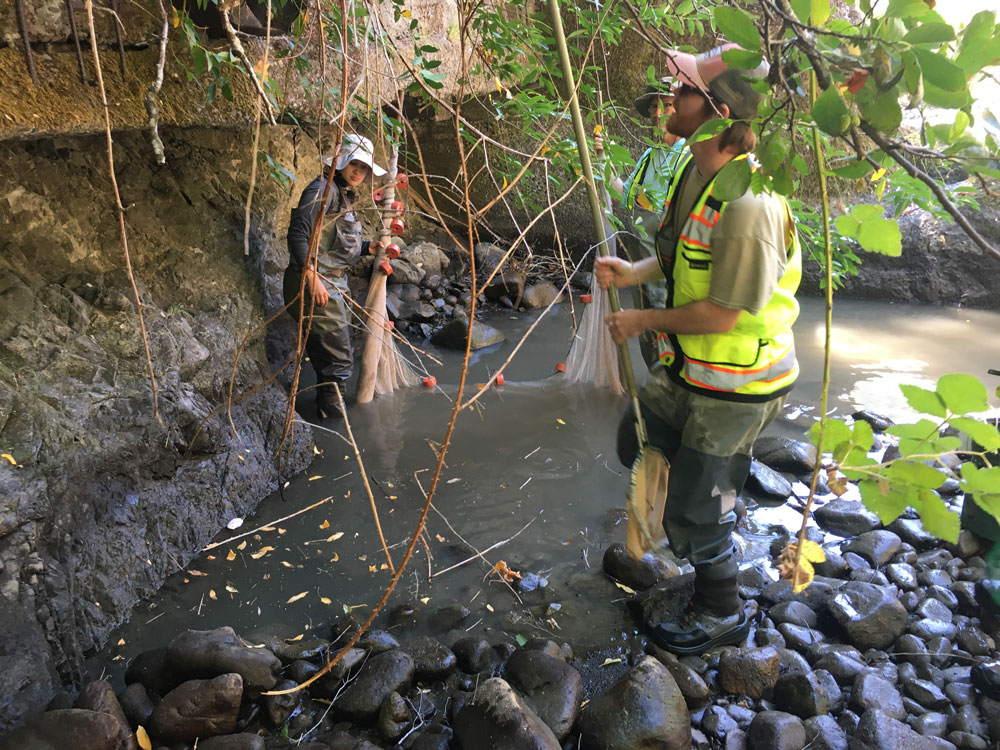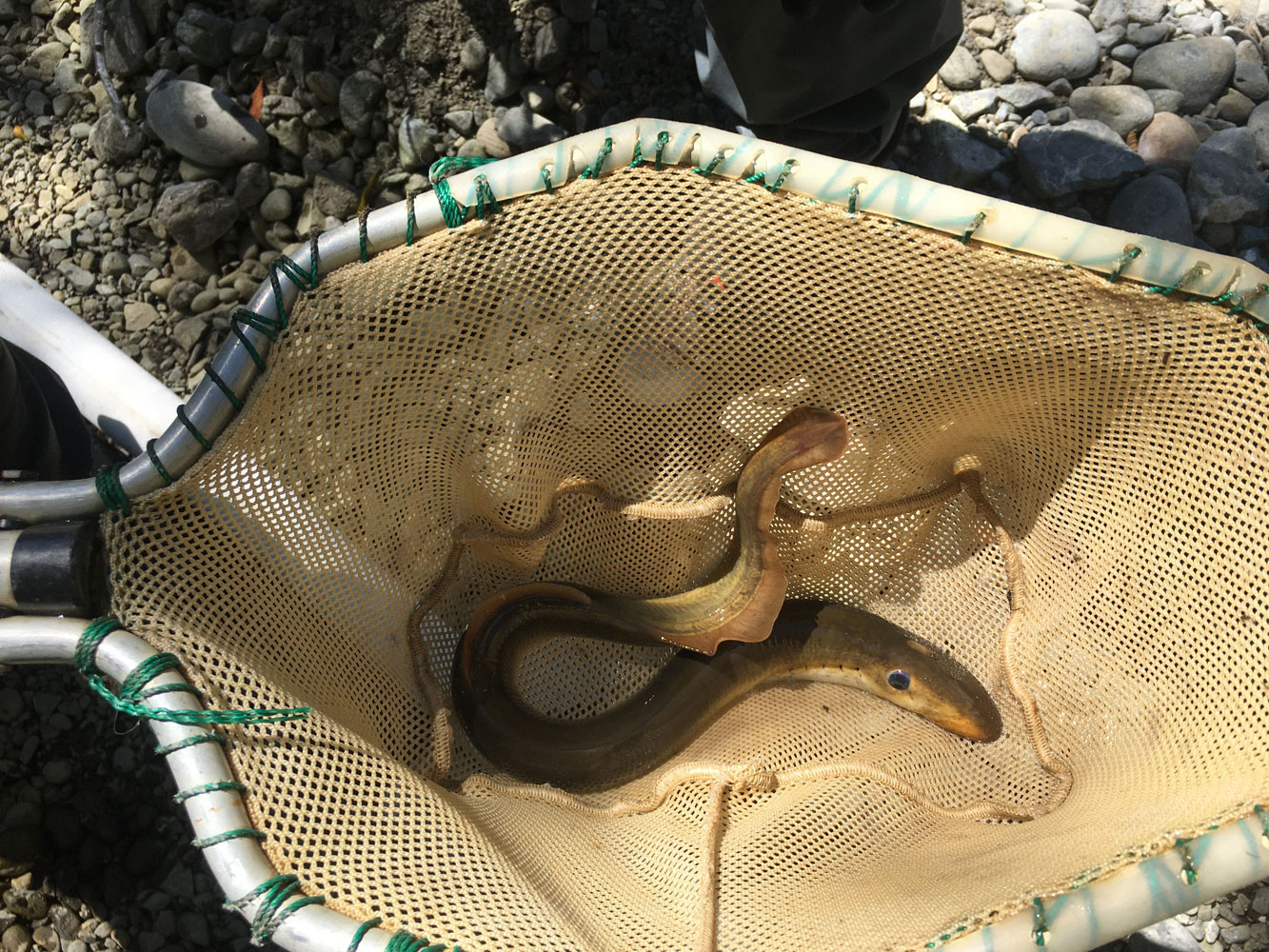
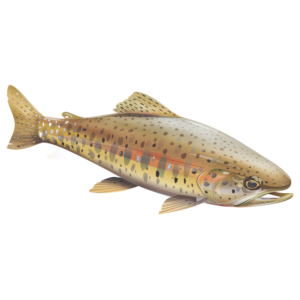
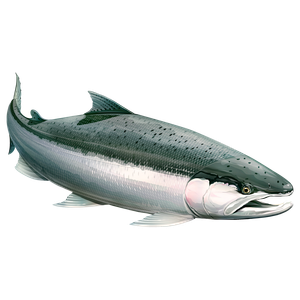
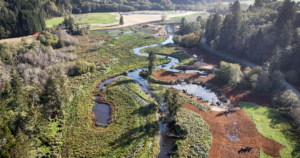
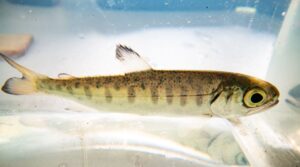
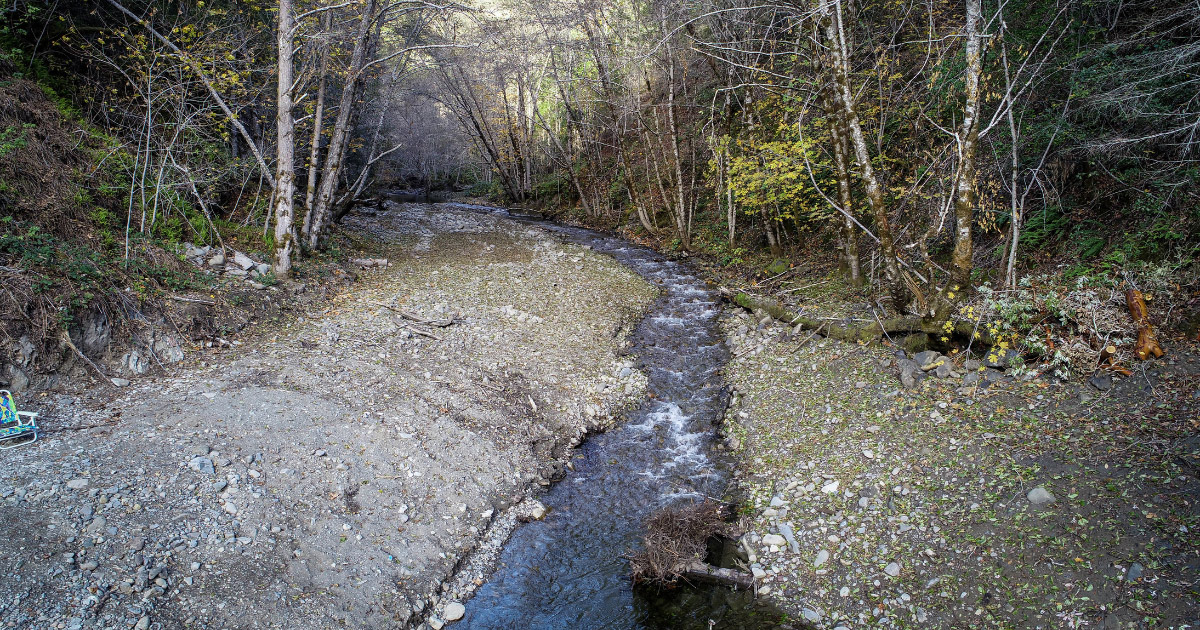
Steelhead across California are in desperate need of refuge from rising water temperatures, falling water levels, and predation by invasive species. In the South Fork Eel River watershed, a recent dam removal project on Cedar Creek now offers these fish access to nine miles of renewed hope for escaping such threats.
“[Dam removal] will help more adult steelhead get into Cedar Creek, but it will also help juveniles from elsewhere get into Cedar Creek and have a better chance at living through the summer,” CalTrout North Coast Project Manager Matt Metheny said.
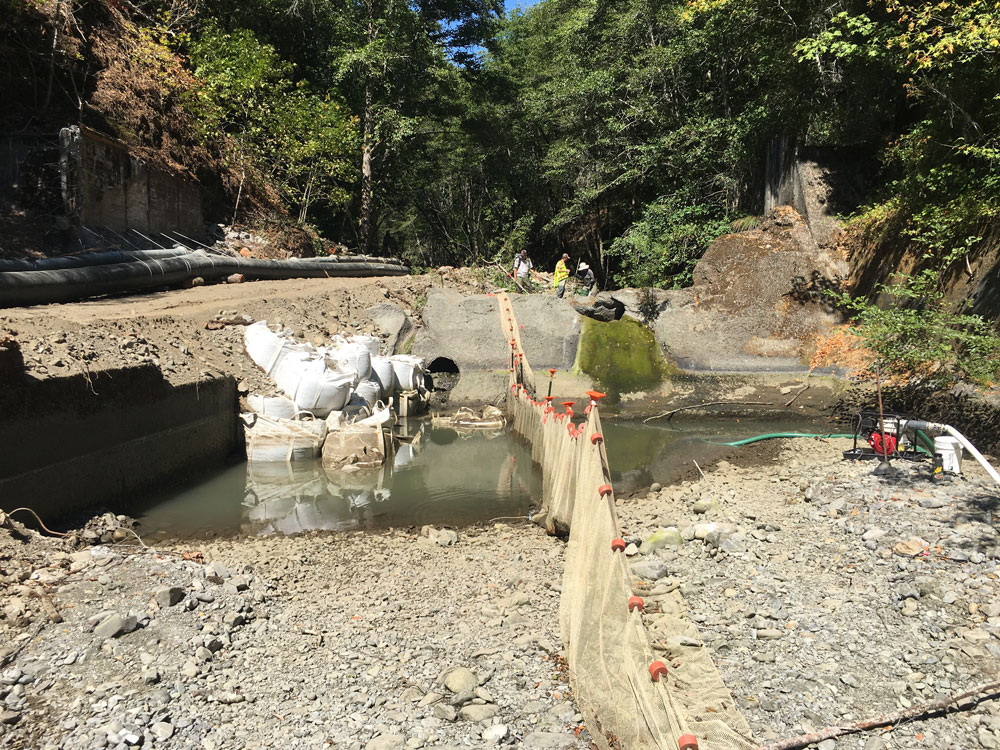
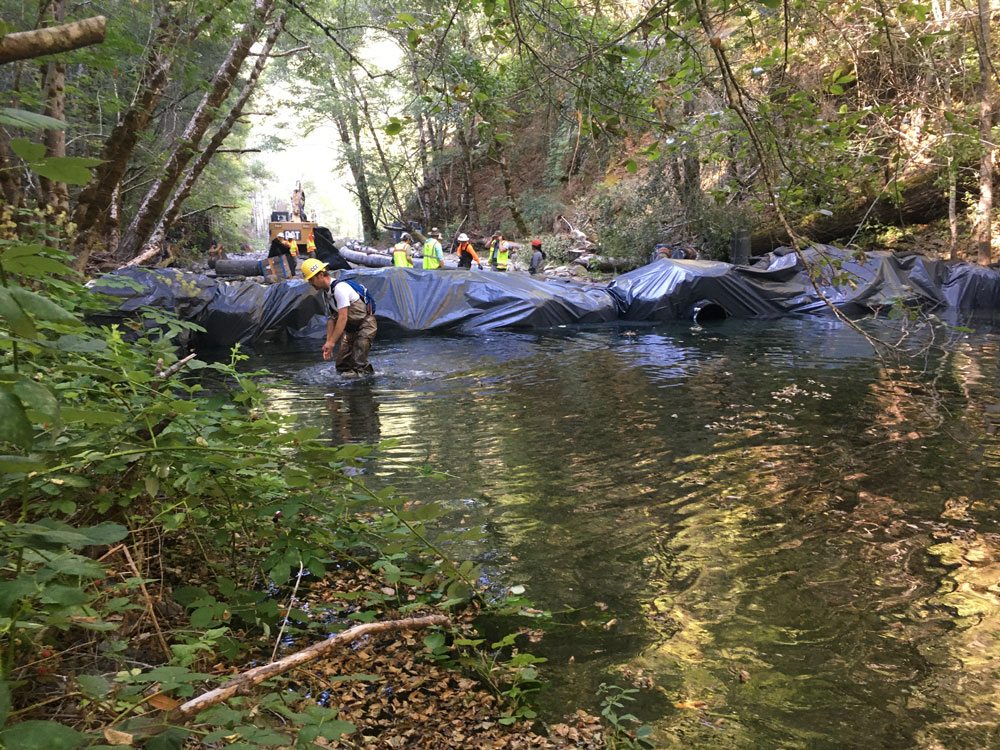
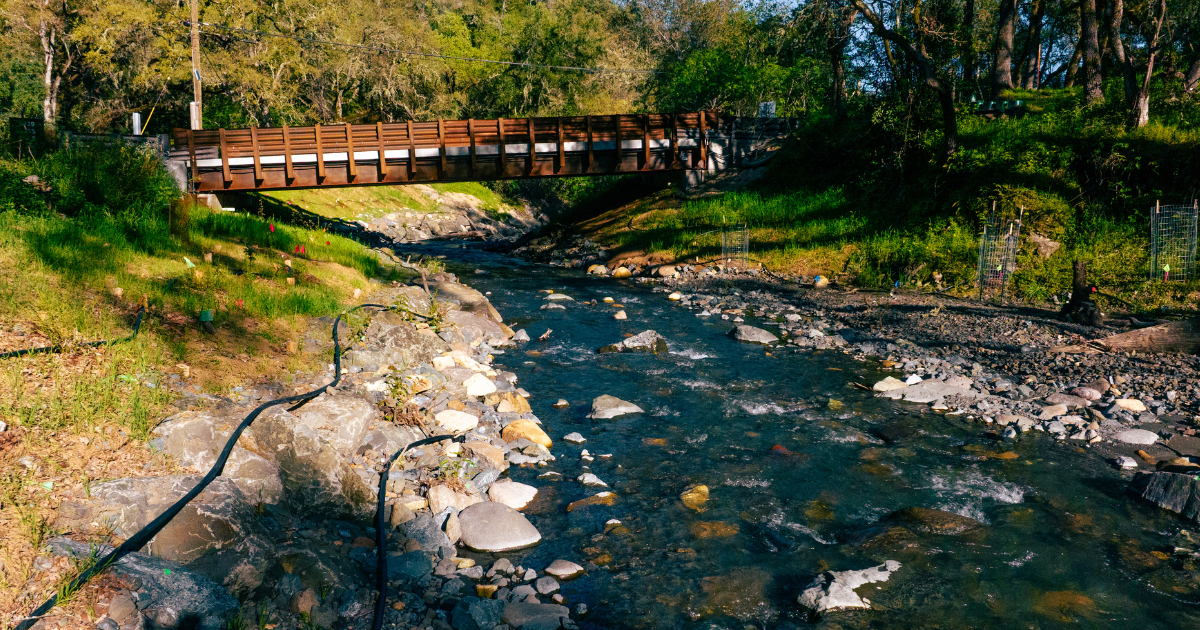
Cedar Creek is an important cold-water tributary to the South Fork Eel River, but since the late 1940s an old hatchery dam blocked fish access up the creek. CalTrout and our partners recently completed a project to remove this dam, opening up a cold-water refuge where steelhead can thrive throughout the summer.
The creek runs through Leggett, California, a small town nestled in the redwoods of northern Mendocino County. While Leggett is small, travelers may have passed through the town on their way under its giant drive through redwood tree.
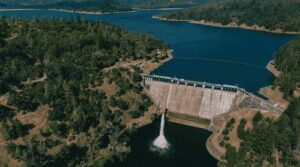
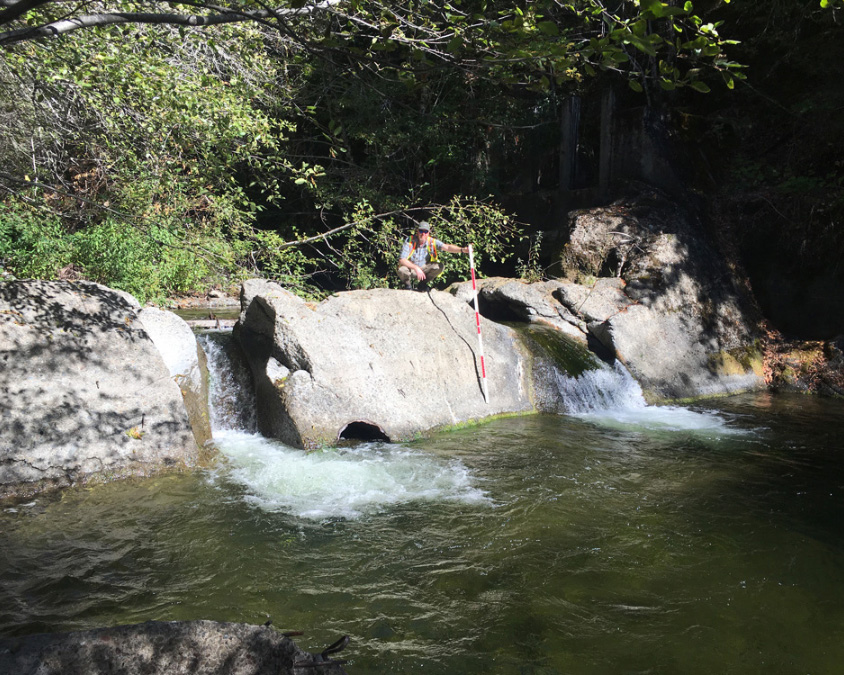
The now removed dam was constructed in the 1940s to supply water for a CDFW hatchery and its rearing ponds. In the 1950s, the dam was damaged by a flood, and in 1964, another flood led CDFW to completely abandon hatchery operations. For 60 years, the dam remained.
While traveling upstream was possible for adult salmon and steelhead, the dam made migration challenging. Adult fish were able to jump over the dam only during a narrow time window. “If flows were too high, the water was rushing too fast, and if flows were too low then there was not enough water for fish to build up speed for a jump,” Metheny said.
For juvenile fish, the dam was a total barrier. The dam’s location just 600 feet from Cedar Creek’s confluence with the South Fork Eel meant that almost the entire creek was cut off from the greater watershed. “Before [dam removal], fish would pile up right below the dam. You could see it was just packed with small steelhead. Now, they can go way further up the creek,” Metheny said.
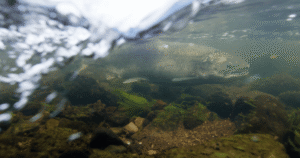
Creeks like this one are important to the larger South Fork Eel steelhead population because they offer cold-water refuges as the fish make their way down the river, especially as river water temperatures rise in the summer. They also help fish escape predation by the invasive Sacramento pikeminnow. Because Cedar Creek is much colder than the South Fork Eel, access to Cedar Creek gives steelhead a chance to escape and have an advantage over pikeminnow.
“When you take steelhead and pikeminnow in warm water, the pikeminnow wins every time. But if you put them in cold water, steelhead have the advantage,” Metheny said. This is because steelhead thrive in cold water while pikeminnow become sluggish.
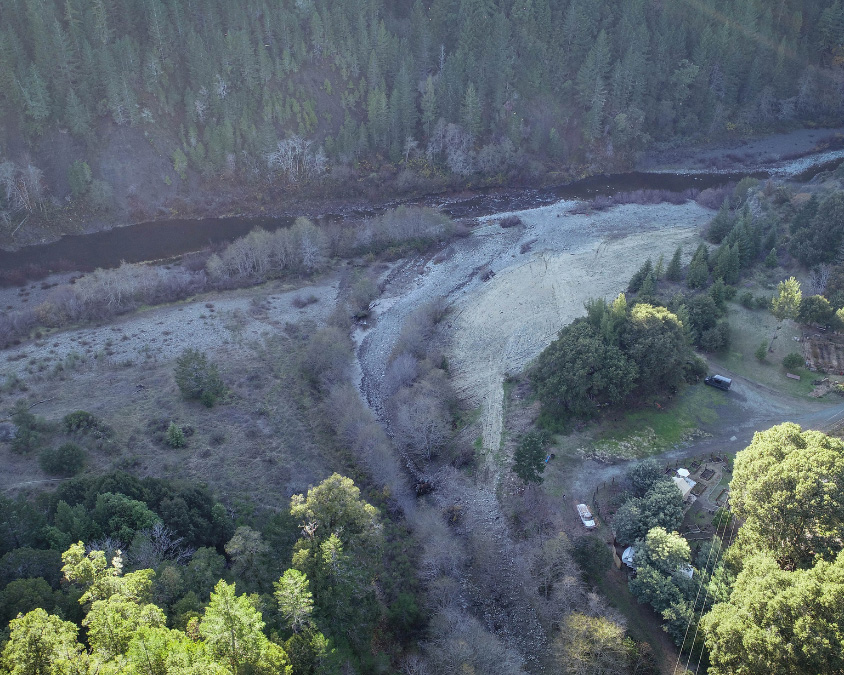
Like every CalTrout project, collaboration was key to its success. The dam was located on the grounds of Rangjung Yeshe Gomde Buddhist Center, the owners of which were gracious enough to partner with CalTrout and concede the loss of their beloved swimming hole that had been created by the dam. “They understood that the project was helping the ecosystem, and they were in full support of that. We couldn’t do this project without them,” Metheny said.
While the project began in 2017, the turnaround from design to implementation happened very quickly. “That’s one thing I can take some pride in,” Metheny said. “We finished the engineering design and permitting in April [2022] and were in construction by August.” Fish passage and stream restoration engineers at McBain Associates produced the final construction plans, with accelerated review by CDFW.
Metheny attributed the project’s swift completion to hard work and a streamlined permit process. CalTrout utilized the Regional Water Board’s Small Habitat Restoration Act exemptions, and CDFW’s Habitat Restoration and Enhancement Act, part of the State’s Cutting the Green Tape programs in place to streamline restoration projects. “That enabled us to get permits through in a matter of months rather than years,” Metheny said.
The construction contractor for the project, Hanford ARC, was a professional and effective partner, finishing the whole project in ten weeks. Following dam removal, CalTrout will continue to conduct spawning surveys to identify adults using the creek.
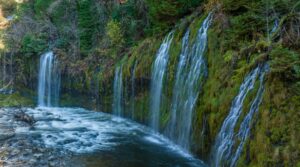
“Moving forward, Cedar Creek is going to be even more important in the larger South Fork Eel watershed because it is such a big source of cold water all summer long,” Metheny said. “It will help maintain the population through drought and climate change as the South Fork continues to warm.”
Read a press release on this project from CalTrout and CDFW.
Barrier removal on Cedar Creek is part of CalTrout’s Key Initiative to Reconnect Habitat through which we strive to give salmon and steelhead access to diverse habitat by removing barriers and getting obsolete dams out. Learn more about and support CalTrout’s work to Reconnect Habitat by clicking below.