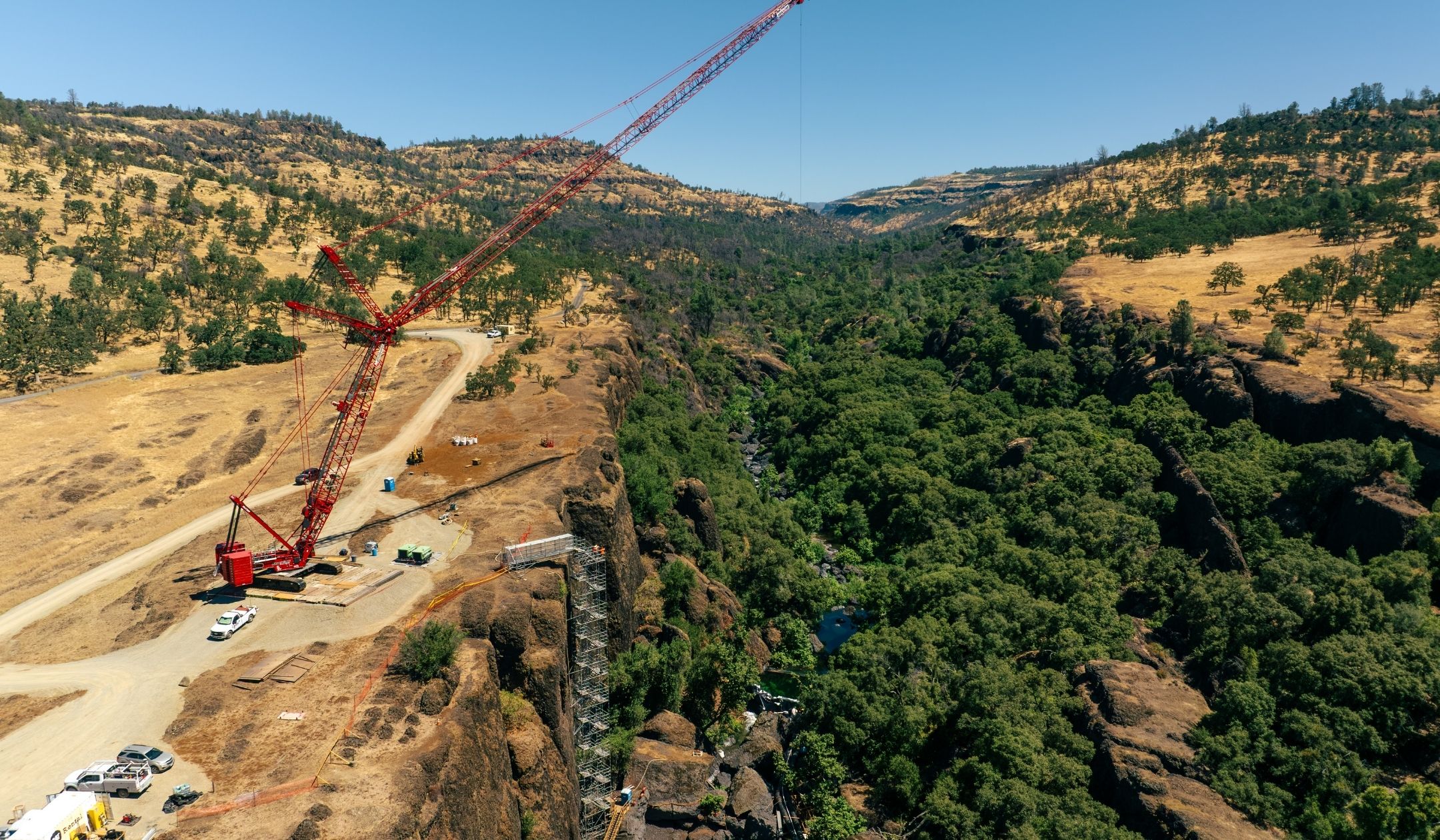
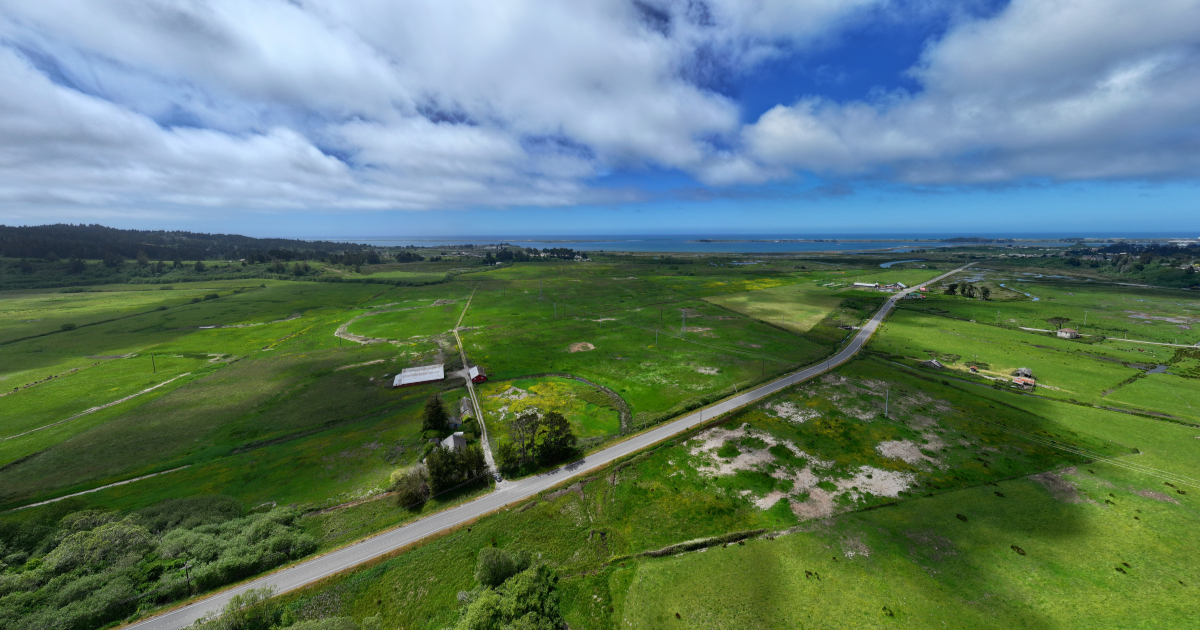
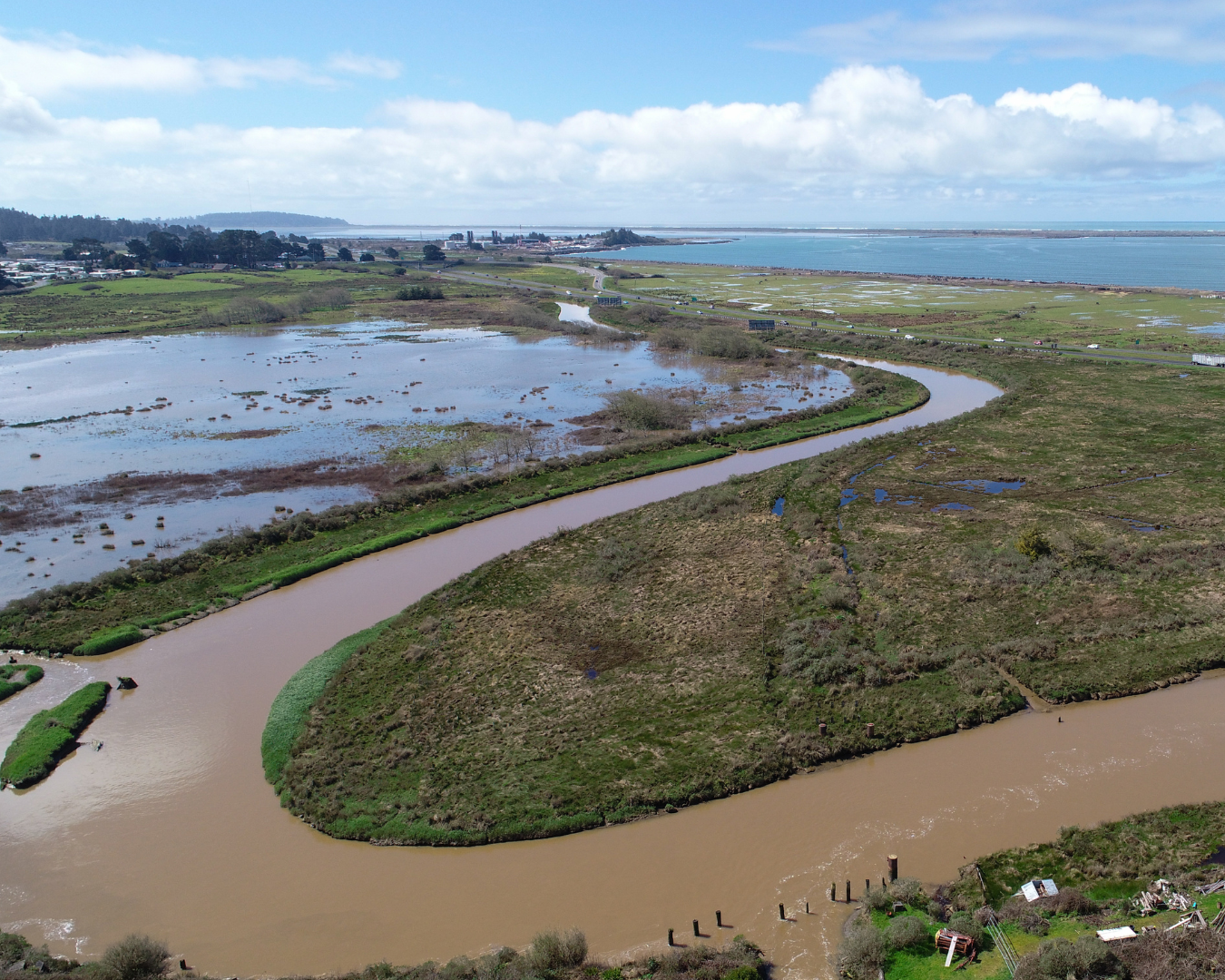
Construction is officially underway on the Elk River Estuary Restoration Project, marking a major milestone in a decades-long effort to restore one of Humboldt Bay’s most important watersheds. Led by California Trout (CalTrout) in partnership with Tribal Nations, local landowners, public agencies, scientists, and community partners, the project will restore critical estuary habitat, improve conditions for native fish, and help the Elk River adapt to rising sea levels and a changing climate.
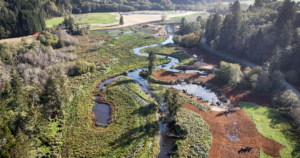
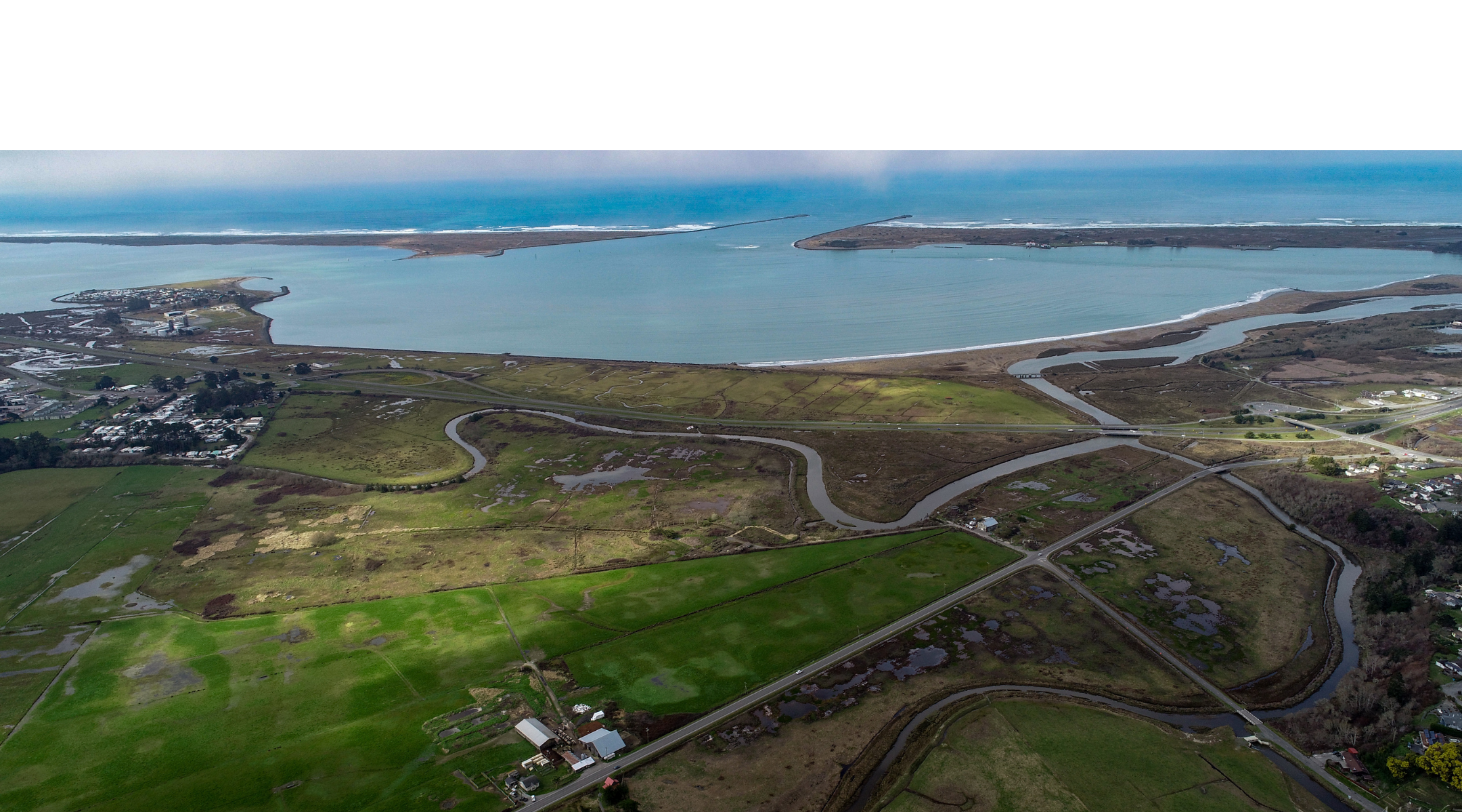
The first phase of construction will restore approximately 40 acres at Swain Slough, part of a larger 857-acre restoration effort designed to bring back natural tidal processes, expand habitat, and reconnect the river to the landscape that surrounds it.
“Construction beginning at Elk River represents years of science, collaboration, and commitment coming together on the ground,” said Katy Gurin, North Coast Senior Project Manager at CalTrout. “This project is about restoring the natural processes that make estuaries thrive — bringing back tidal connections, creating habitat for native fish, and helping this landscape adapt to the future. It’s also about working alongside the people who know and care for this place to create a restoration vision that can last for generations.”
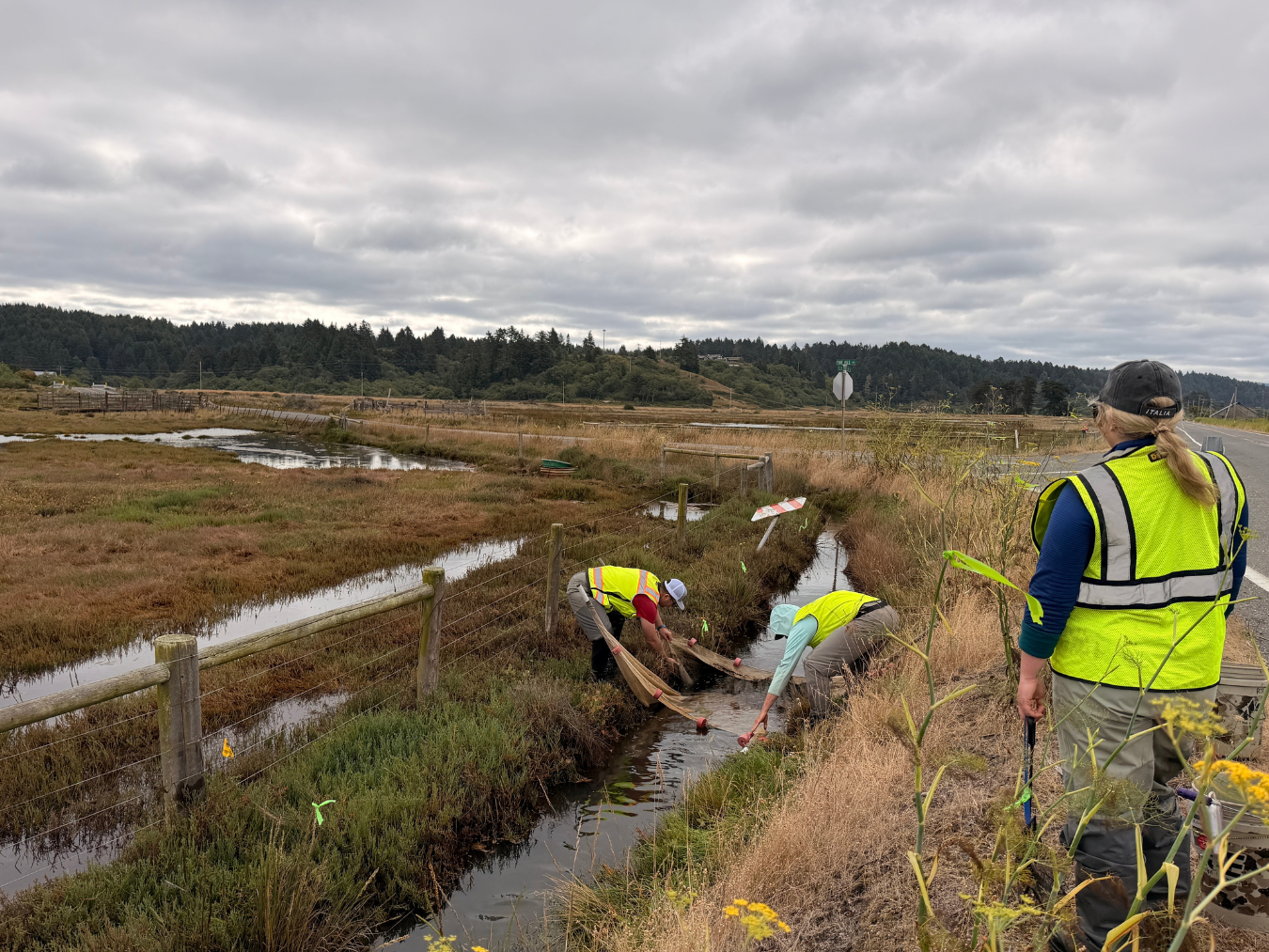
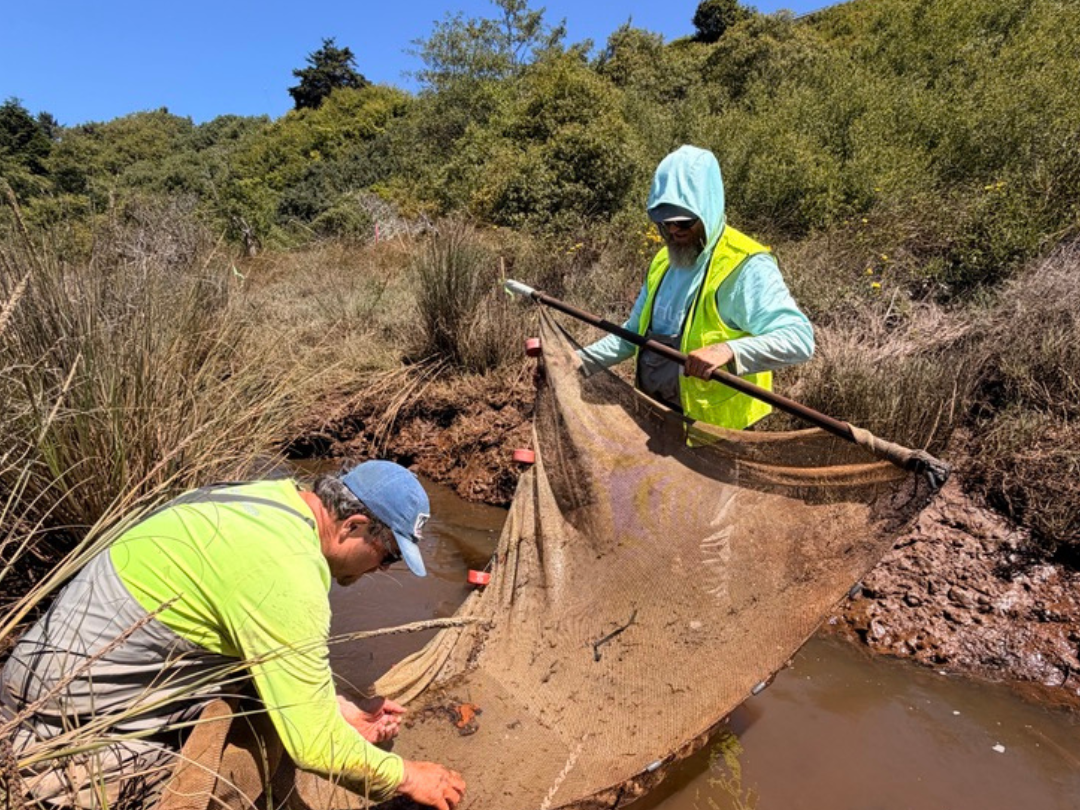
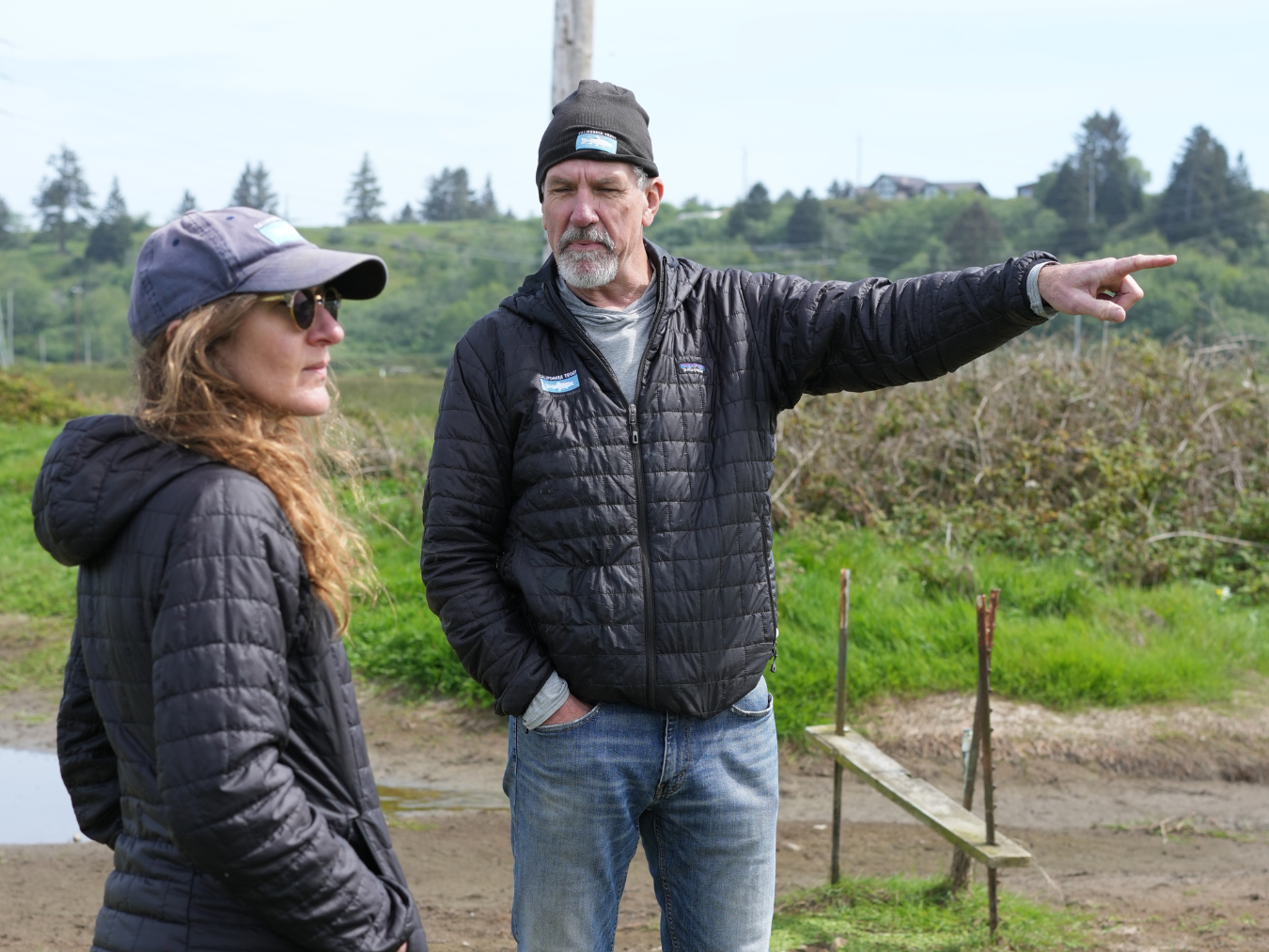
The Elk River watershed has long supported salmon, steelhead, wildlife, working lands, and communities. The river flows through the ancestral territory of the Wiyot People, whose people have stewarded these lands and waters since time immemorial. Over generations, diking, draining, timber harvest, and other land-use changes altered the watershed, reducing estuary function and creating challenges for both native fish and surrounding communities.
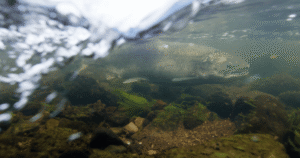
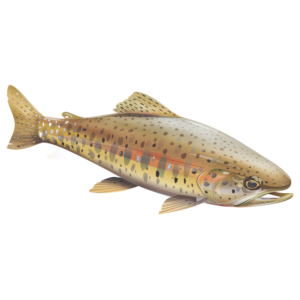
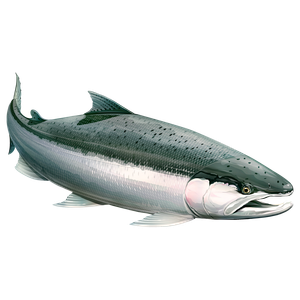
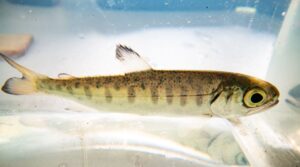
Estuaries are among California’s most productive ecosystems. These transition zones between rivers and the ocean provide young salmon and steelhead with food, shelter, and the opportunity to grow stronger before entering the Pacific. Restoring the Elk River estuary will help rebuild this critical habitat while improving the watershed’s ability to withstand flooding and sea-level rise.
For local landowners, the project represents a new model for working together to restore a changing landscape while supporting the people who have long depended on it. CalTrout’s approach has centered on collaboration with willing landowners to create restoration opportunities while respecting the agricultural history and communities of the Elk River Valley. Through voluntary transactions, CalTrout has helped secure at-risk lands that can be restored to tidal marsh while reducing future risks from flooding and sea-level rise.
The restoration is also a cultural restoration effort. In 2025, CalTrout partnered with the State Coastal Conservancy to acquire a culturally significant parcel known as Chwanuchguk and return it to the Wiyot Tribe for stewardship. The site was historically a Wiyot fishing village where community members harvested and smoked fish from the river.
The Elk River project demonstrates what is possible when science, partnership, and shared commitment guide restoration. By restoring tidal wetlands, reconnecting habitat, and making room for natural processes, CalTrout and its partners are helping create a healthier watershed for native fish, wildlife, and people.
“Restoration is not just about changing the landscape — it’s about restoring the connections that make these places thrive,” said Bill Matsubu, CalTrout North Coast Regional Director. “The Elk River shows that when we work together, we can create solutions that benefit ecosystems and communities at the same time.”
The Elk River Estuary Restoration Project is supported by a coalition of partners including NOAA, the Wiyot Tribe, State Coastal Conservancy, California Department of Fish and Wildlife, regional agencies, local landowners, scientific partners, and community stakeholders.
Construction will continue as additional phases of restoration move forward.
dive deeper
Explore StoryMap: Elk River Estuary & Lower Valley Restoration
This interactive ArcGIS StoryMap gives you a deeper dive into CalTrout’s restoration vision for the Elk River and how we plan to build resilience in the estuary.