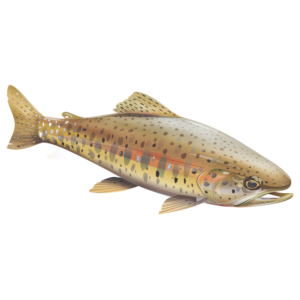
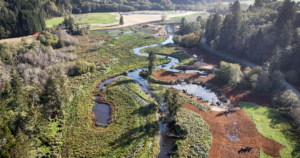
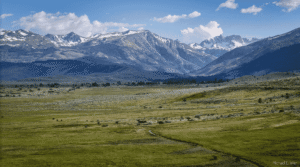
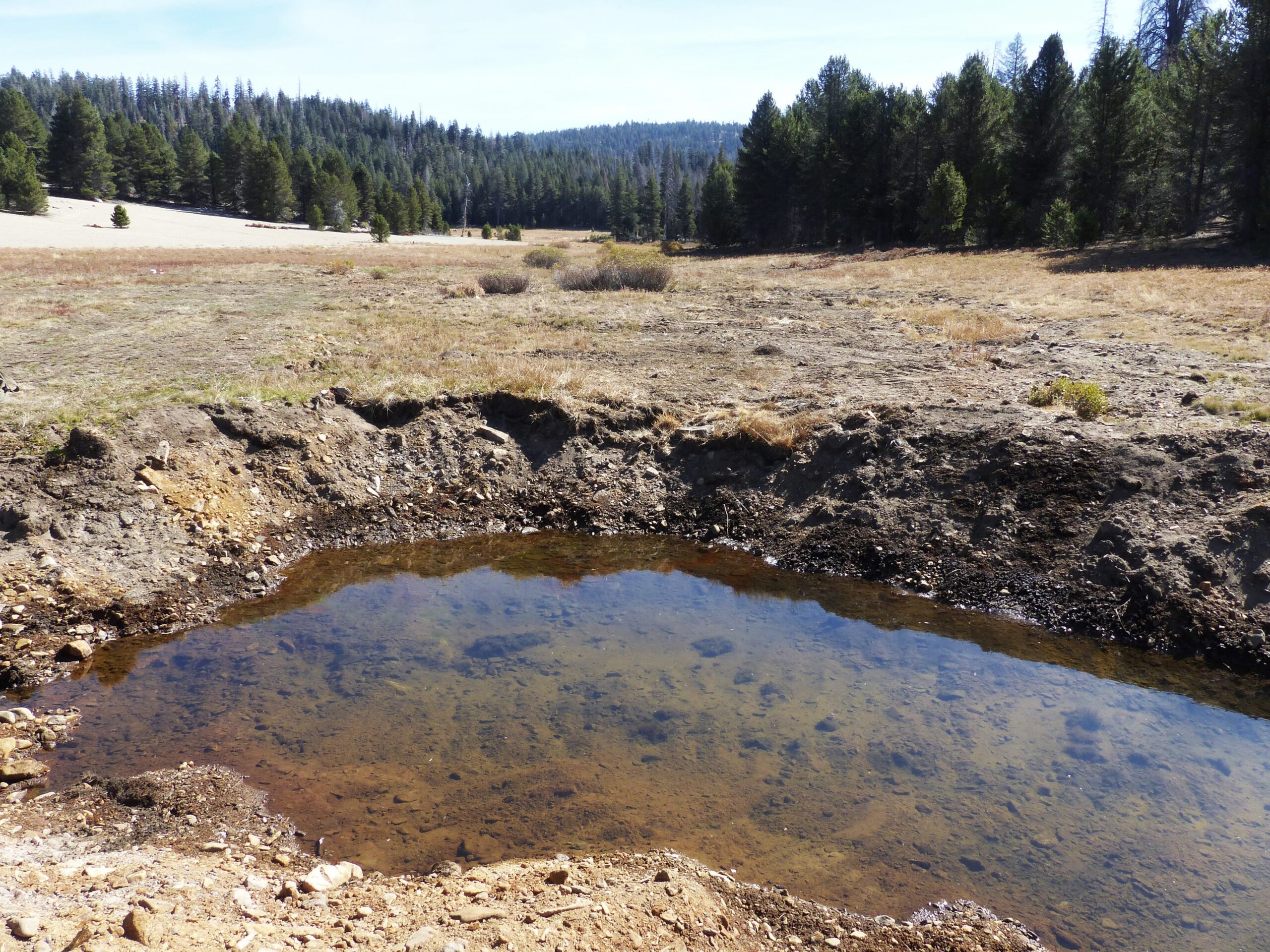
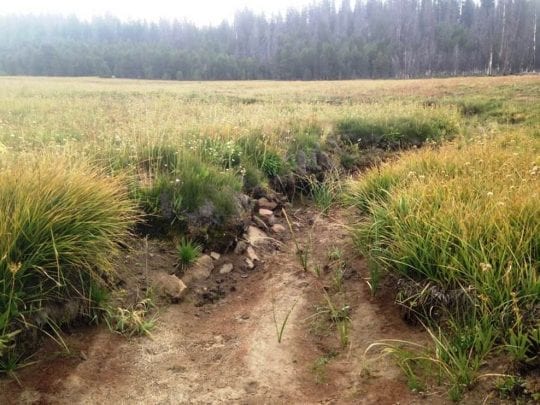
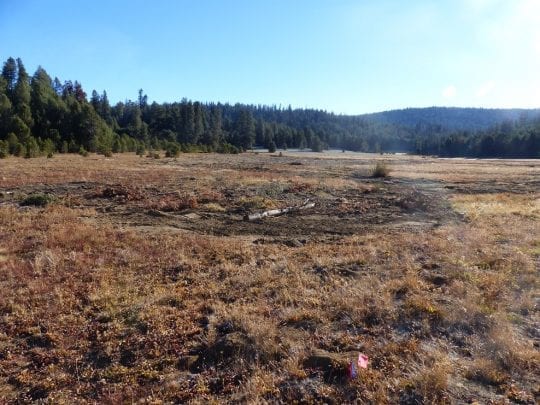
After two years of project permitting, compliance and design, California Trout, with funding and support from National Fish and Wildlife Foundation, California Department of Fish and Wildlife, and the Kern Community Foundation, has completed the restoration stage of Osa Meadow in the Sequoia National Forest. During the first two weeks of September 2016, CalTrout carried out plans to restore hydrologic functionality to Osa Meadow, a focal area of CalTrout’s meadows work. Our goal is to create greater ecological resilience of Osa Meadow to climate change and provide suitable habitat for Kern River rainbow trout. Restoration at Osa consisted of filling degraded gullies that had disconnected a key water channel, Osa Creek, from providing water to the larger meadow. Osa Creek recharged groundwater sources and improved meadow hydrology. In the past, the lowering of the water table caused by the degraded gully resulted in the drying out of Osa meadow.
Osa meadows is a long-term study site for the CalTrout-spearheaded assessment of greenhouse gas fluxes in Sierra meadows, which aims to answer whether restored meadows are sequestering a significantly larger amount of carbon compared to degraded meadows. The working hypothesis is that currently degraded meadows are not able to store as much water that would otherwise contribute to the buildup of organic matter (e.g., carbon and below-ground biomass). By restoring the health of meadows, organic matter will accumulate and therefore store (sequester) more carbon than un-restored meadows. In addition to sequestering carbon, healthy meadows habitat is important for the recovery and survival of native fish and wildlife. Through our post-restoration monitoring, we’ll be evaluating the effectiveness of the project in reconnecting this important headwater meadow to historic rainbow trout streams.
Continued research lies ahead for Osa Meadows, and we hope, for many other headwater meadows across the state. Our Sierra Headwater Initiative “Meadow Strategy” plans to restore 30,000 acres of meadows in the next 15 years. Andy Stone, a Kern River Ranger District Hydrologist, stated that projects like these are “essential to improving Sierra Nevada as a whole and definitely making our watersheds healthier, providing better ecosystem services to the people of California.”
Check out this video from last year when we were in the very beginning stages of restoration: