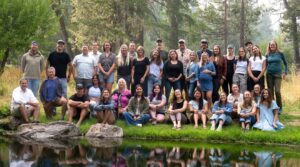
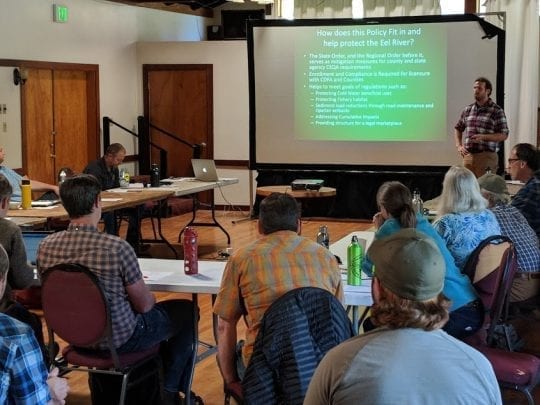
On May 2 CalTrout hosted the Eel River Forum at the Benbow Village Hall along the South Fork Eel River, in the heart of the ‘Emerald Triangle’. The topic of the day was the regulation of water diversions and other policies for the now-legal cannabis industry, many of which were rolled out in 2018 with legalization of recreational marijuana use.
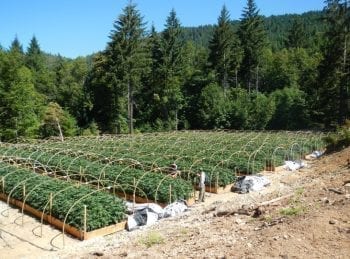
More than 30 people attended to hear the speaker presentations and participate in an engaging panel discussion. Key questions were posed for the group to discuss, such as:
- 2018 is a critical year in implementing cannabis cultivation regulations. How has it been going?
- Are policy outcomes being achieved based on the work that’s being done on the ground?
- What, if any, factors should be considered to limit the density of cannabis cultivation in local watersheds?
- What to do with the issue that only approximately 10% of the estimated 30,000+ cannabis growers statewide have applied for a cannabis license.
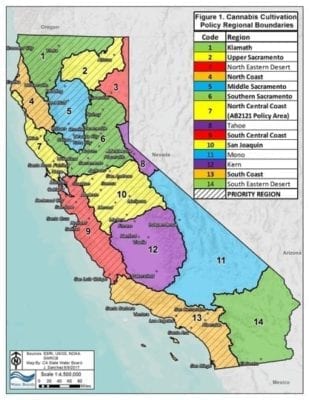
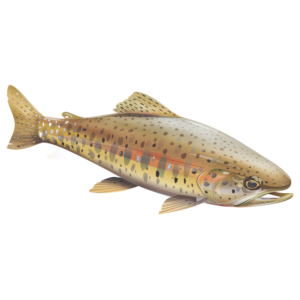
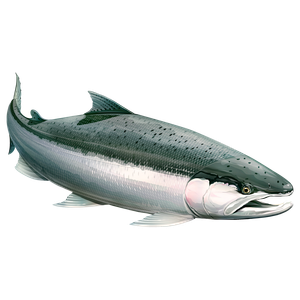
- Identifying priority watersheds that are too sensitive or critically important to allow any, or any additional, cannabis farms to be permitted. These are the stronghold watersheds that currently sustain the best wild salmon and steelhead populations.
- Where to focus funding resources for cannabis site cleanup and remediation in order to reduce or minimize the effects of legal and illegal cannabis production on our watersheds.
- How will state agencies adapt their regulatory policies and guidelines as permitting, enforcement, and market dynamics change the where, how, and how much cannabis is produced in California.
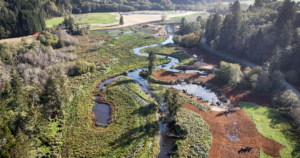
The Eel River Forum is led by CalTrout and comprised of 22 public agencies, tribes, non-profit conservation organizations, and other stakeholders. The Forum’s mission is to coordinate and integrate conservation and recovery efforts in the Eel River watershed to conserve its ecological resilience, restore its native fish populations, and protect other watershed beneficial uses. These actions are also intended to enhance the economic vitality and sustainability of human communities in the Eel River basin.