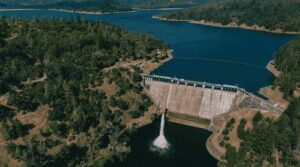

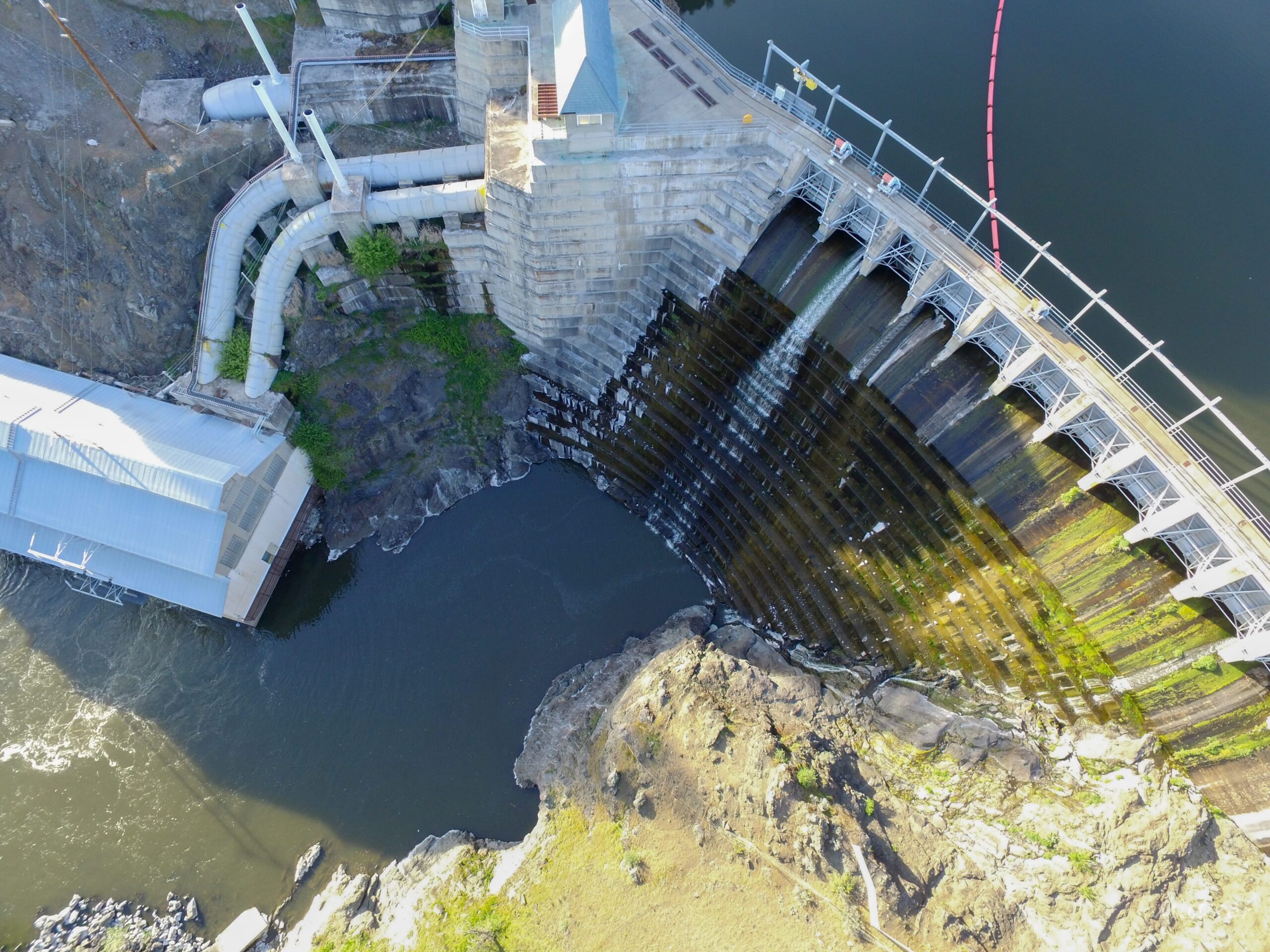

Four Klamath dams have been slated for future removal in 2020 after an agreement was signed in 2016 between state and federal officials, the National Marine Fisheries Service, the dam’s Oregon-based owner PacifiCorp, several tribes who reside in the Klamath Basin, and other stakeholders. This would transfer and surrender PacifiCorp’s hydropower license to the Klamath River Renewal Corporation who are heading dam decommissioning and removal efforts.
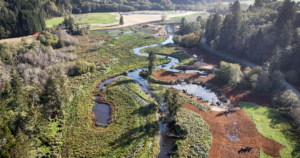
Recently, it was revealed that the federal government will not be opposing the dam removal according to Alan Mikkelson, the Interior Department Bureau of Reclamation Deputy Commissioner. Many dam removal advocates were concerned that the Trump administration would undermine the 2016 agreement. “Interior is not going to do anything to slow or stop the dam removal process,” explained Mikkelson in media interviews. He toured the Klamath-Trinity Basin this year, meeting with basin stakeholders including representatives of the Hoopa Valley Tribe who reside along the Trinity River, a tributary to the Klamath River. Hoopa Valley Tribe Chairman Ryan Jackson said “We’ve had a number of meetings with Alan. They have all been pretty positive. Alan has brought a sort of new perspective to the Klamath-Trinity basin, which is definitely positive.”
This has been a long-running issue. Previous agreements before the one approved last year were repeatedly rejected by Congress. The successful deal, called the Klamath Hydroelectric Settlement Agreement, was then modified in a way that it would not require congressional approval nor the direct involvement of federal agencies. This involved the Obama administration, California and Oregon state officials, PacifiCorp, tribal governments, and fishing groups.
The fate of the dams -JC Boyle, Copco No. 1, Copco No. 2, and Iron Gate- now rests with the Federal Energy Regulatory Commission (FERC), the agency responsible for hydropower projects in the U.S. The dam removal agreement must still obtain water quality certifications in California and Oregon before FERC can make a final determination.
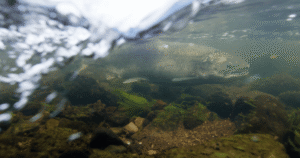
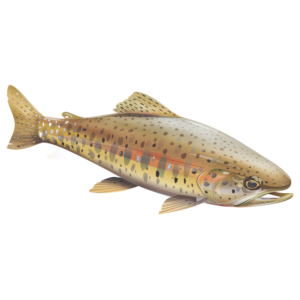
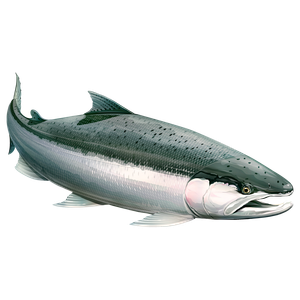
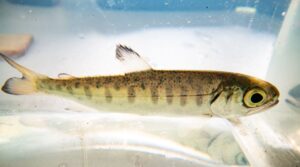
The Klamath River was once the third largest producer of salmon on the West Coast, behind Columbia and Sacramento rivers. This year, Chinook salmon return to the lower Klamath were dismally low. The removal of the dams will open up over 420 miles of connected habitat for fish on the Klamath River. We are looking forward to its return to abundance.