
A Field Note from the North Coast’s Cedar Creek
by Matt Metheny
I leave my home near Humboldt Bay in the cool pre-dawn darkness, heading south. Soon after leaving Eureka, I am driving through ancient redwoods along the South Fork Eel River. Today the South Fork Eel looks more like a large creek, but I know what this mighty river is capable of as I pass a high water marker remembering the 1964 flood.
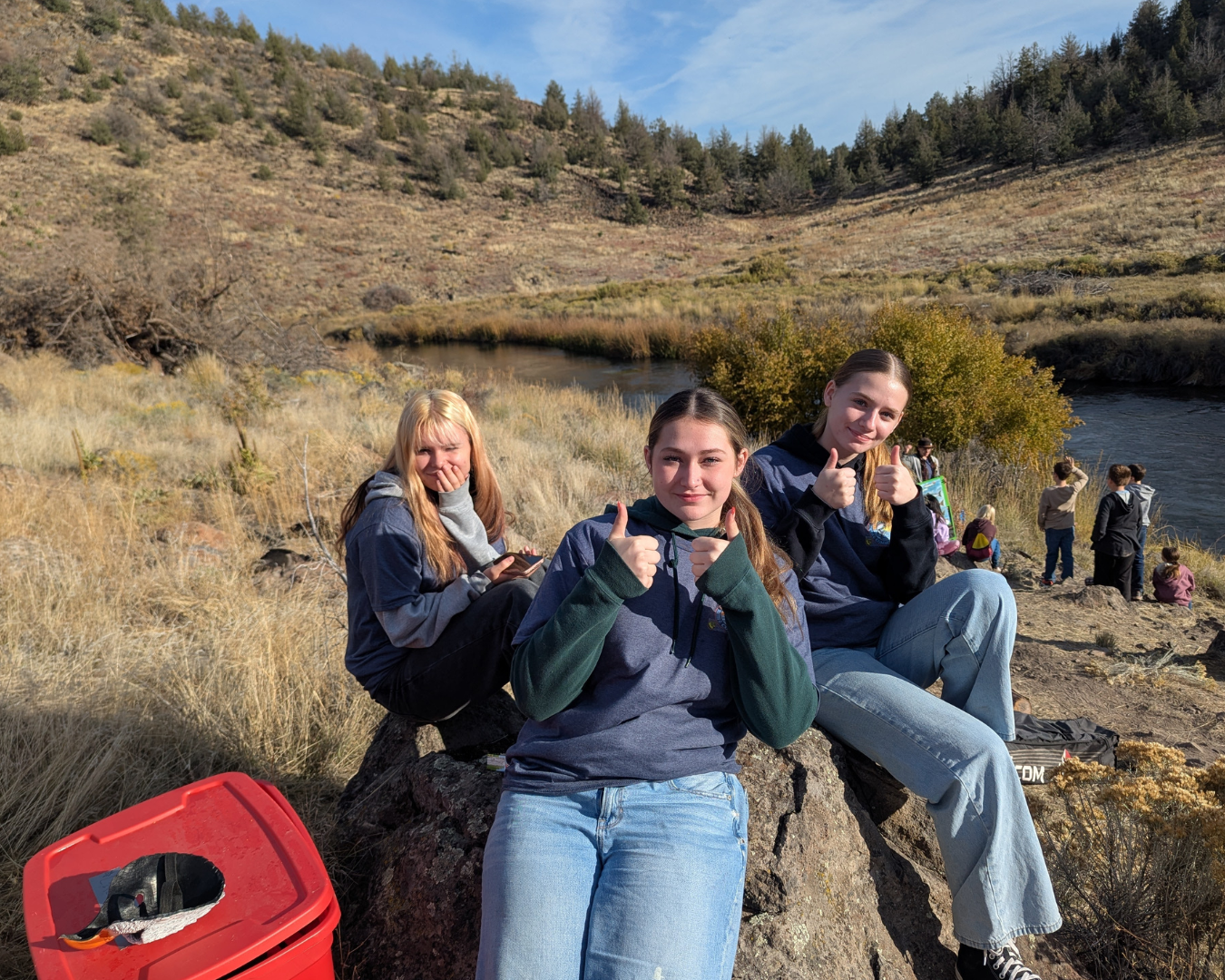
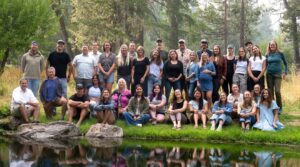
After passing State Parks and attractions for visitors touring the giant redwoods, I arrive at our team’s meeting spot and spend a few quiet moments waiting for the rest of our crew to arrive for today’s work. We are a mixed group of seasoned fish experts, experienced California Department of Fish and Wildlife (CDFW) staff, younger CDFW techs, and California Conservation Corps crew members here to finish the job we started a couple weeks ago: removing a 8-foot high concrete dam.
We pass the entrance gate and wind our way down through land owned by the Rangjung Yeshe Gomde California retreat center until we arrive at the confluence of the South Fork Eel River and Cedar Creek. The beautiful setting of the Rangjung Yeshe Gomde property imparts a feeling of peacefulness — or maybe it’s just all the Buddhists meditating here. These landowners have been kind enough to work with us throughout the development of this dam removal project, and their willingness to give up their swimming hole to benefit the health of the river system is a testament to this kindness.
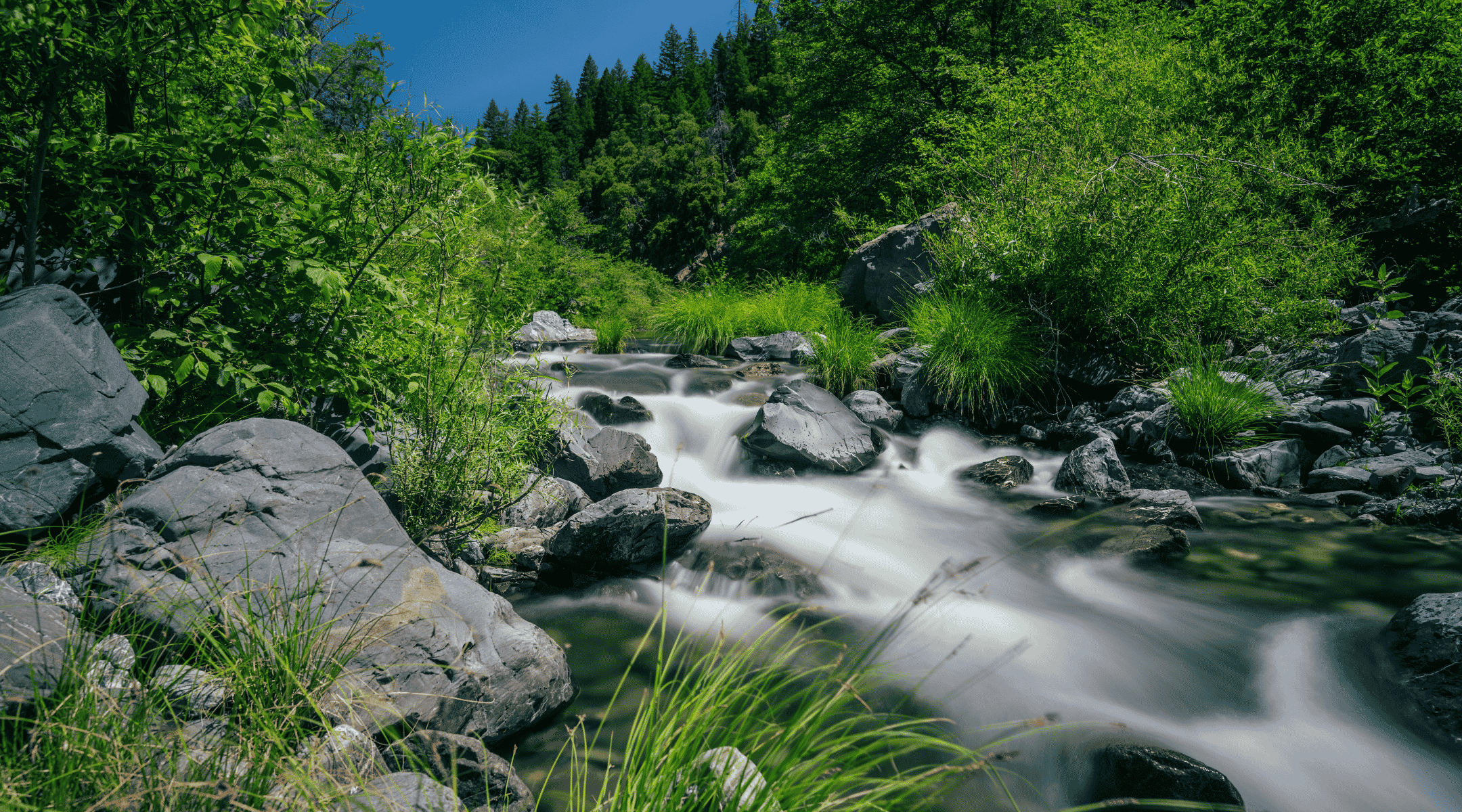
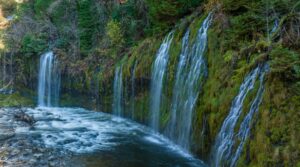
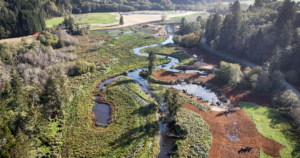
Their swimming spot is right below the dam, where water plunging over the concrete has dug a deep hole in the channel. Cedar Creek supplies a large portion of the South Fork Eel’s summer flow, thanks to its unique geology. It’s cold, clean waters don’t have the same summer water quality problems as the South Fork Eel, which makes the creek an excellent place to beat the summer heat with a refreshing swim – for both people and fish. This abundance of cold clean water in summer also made it an excellent location for a fish hatchery, which CDFW abandoned after the the 1964 flood. Since then, the dam has remained.
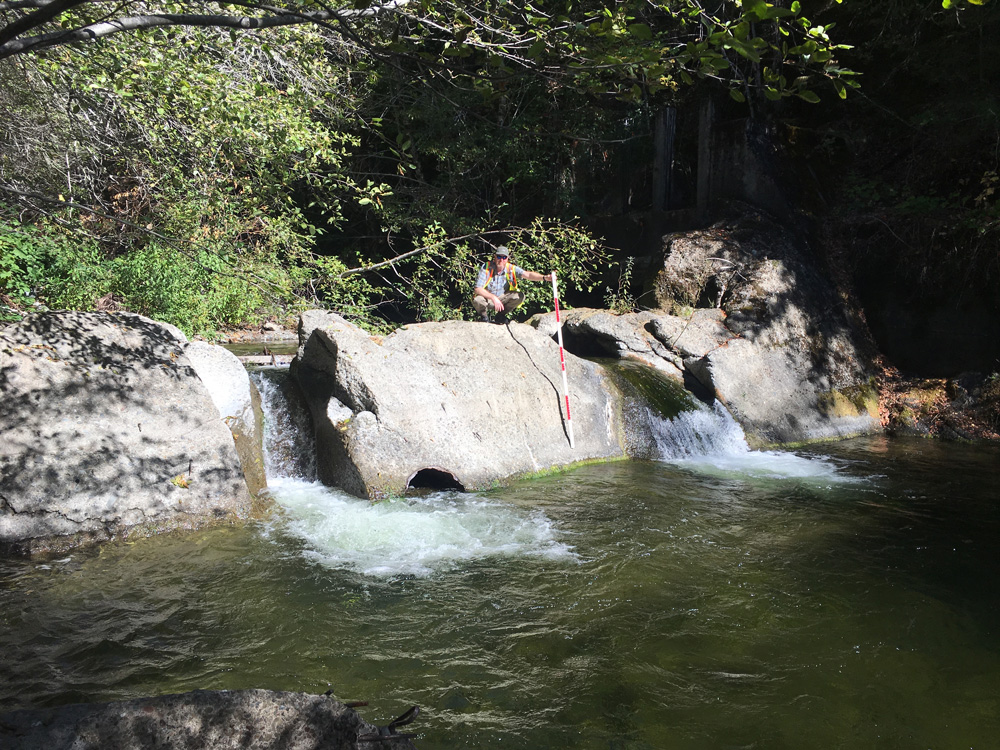
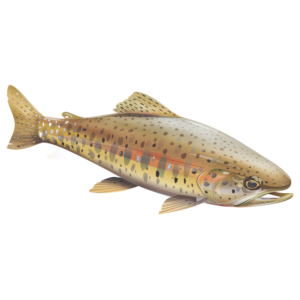
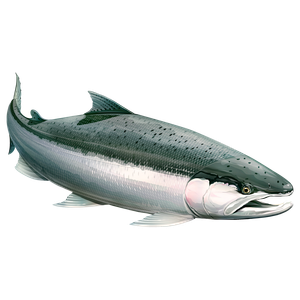
This dam removal project will open up the Cedar Creek watershed to salmon and steelhead, eliminating a challenging leap that is only passable to adults at certain flows. The dam also blocks access to juvenile salmonids originating from further up the South Fork. These cold water refugia are more and more important to young steelhead and salmon as climate change warms the South Fork Eel to dangerously high temperatures.
After discussing the day’s plan with the construction contractor, we are ready to complete the job we started two weeks ago. We will safely relocate the remaining fish and amphibians in the stretch of creek that must be dewatered to remove the dam. A row of enormous sand bags stretch across the creek upstream of the dam, and pipes are lined up along the creek ready to accept the 4000 gallons per minute of diverted water. Water still leaks around and through the coffer dam, but that soon changes when a team of 15 of us drop a heavy plastic sheet over the sandbags, forming a watertight seal. Soon the creek is rushing down and through the pipes, reentering the channel 500 feet downstream.
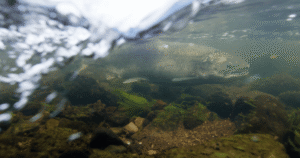
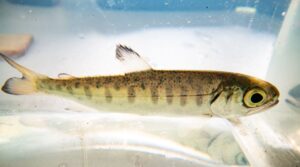
As the creek bed begins to dry, our mad dash to save fish is on! We must locate any fish that become stranded among the rocks as the water levels suddenly drop. Luckily, we find none stranded out of water. These fish must be smart, for they instinctively moved to the deepest pockets of water immediately upon dewatering. After catching our breath, we begin the methodical process of collecting fish stunned by a mild electric shock, called electrofishing. We collect hundreds of young steelhead and carefully move bucketloads of them to the quiet pools above the dam.
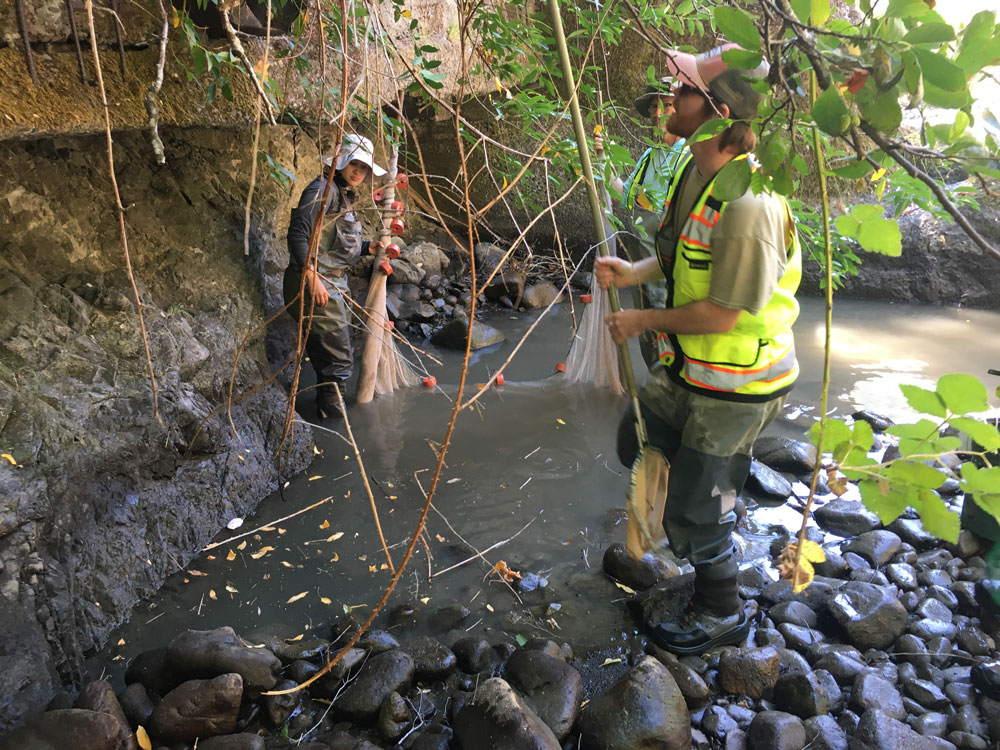
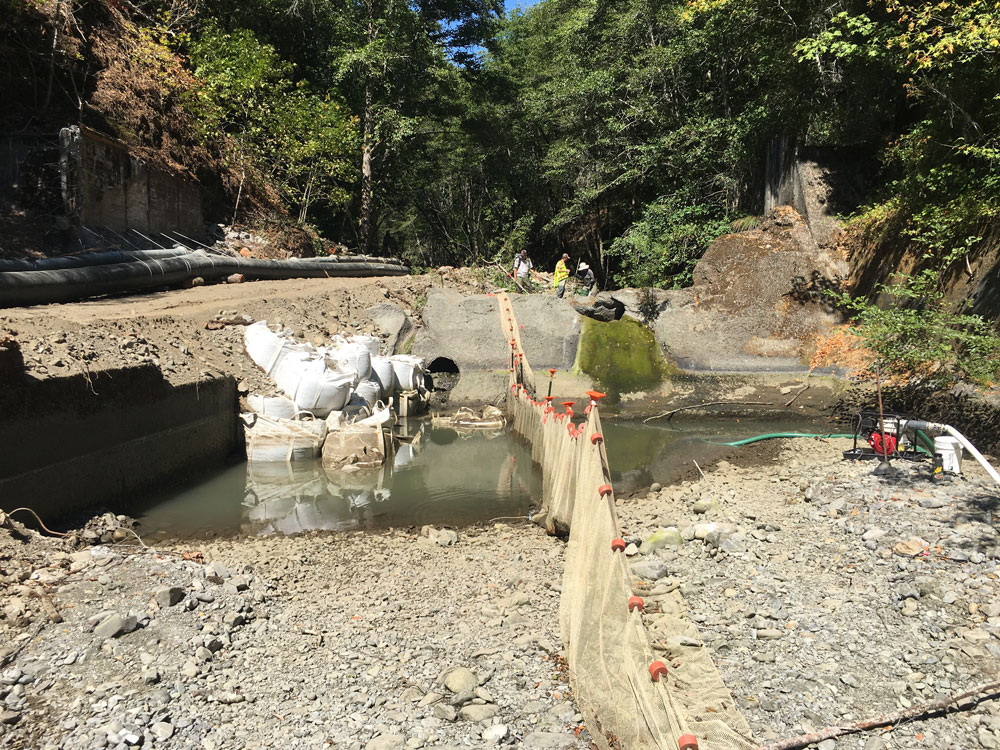
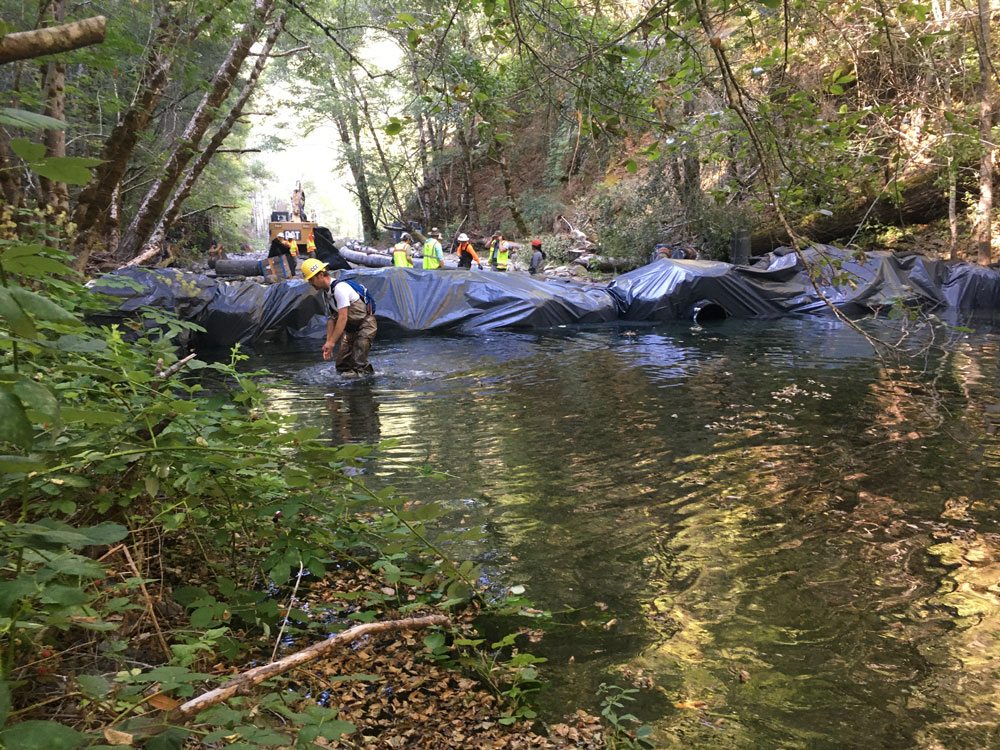
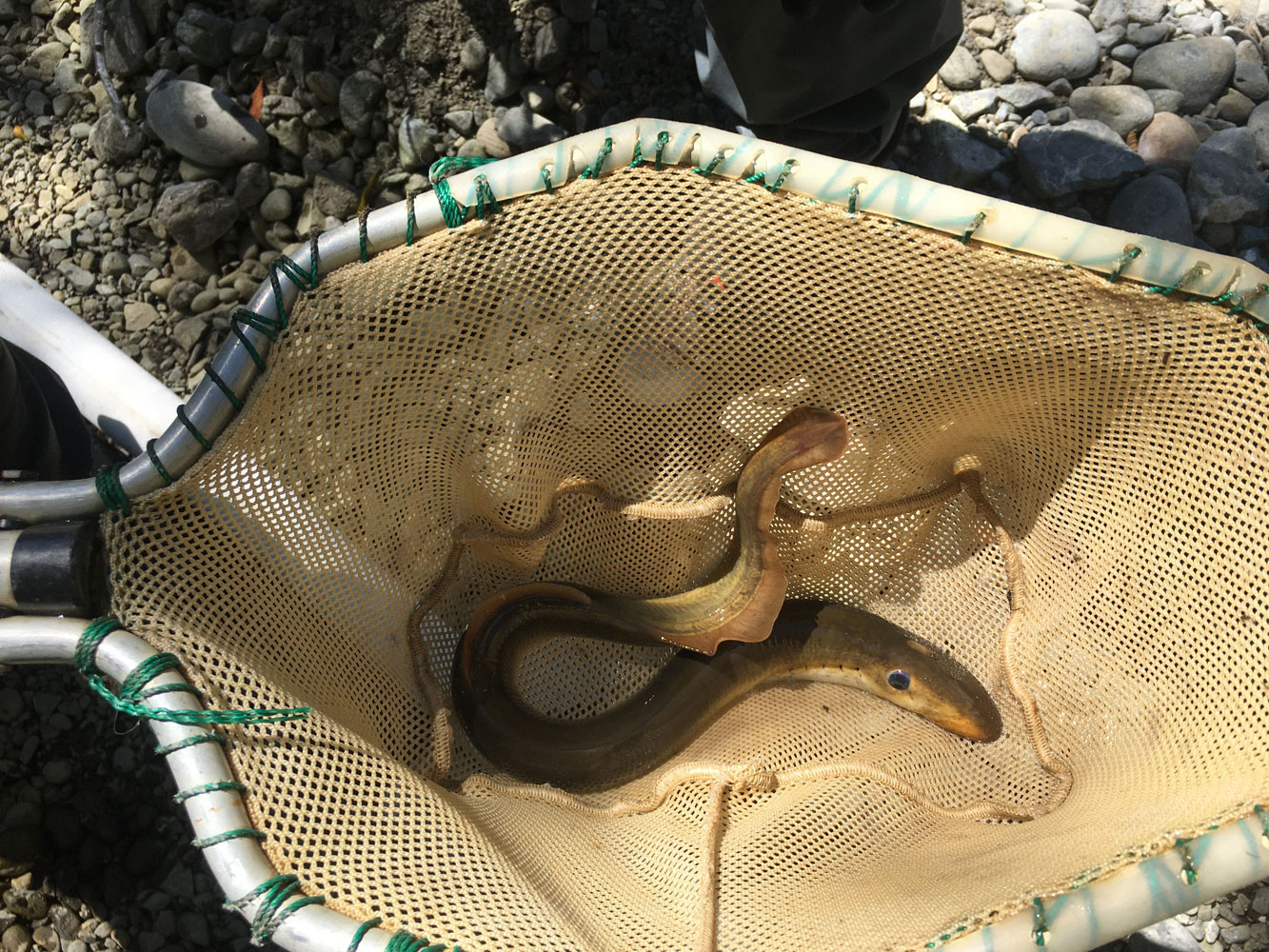
Twelve hours of effort later, we are confident that nothing living remains stranded in the section of diverted creek. We have pumped the last remaining pools down to tiny puddles, and looked under every rock. We give the go ahead to the construction crew, who is eager to begin demolishing the concrete structure first thing tomorrow morning. Exchanging high-fives, our crew finally takes off our waders after a long day in the heat.