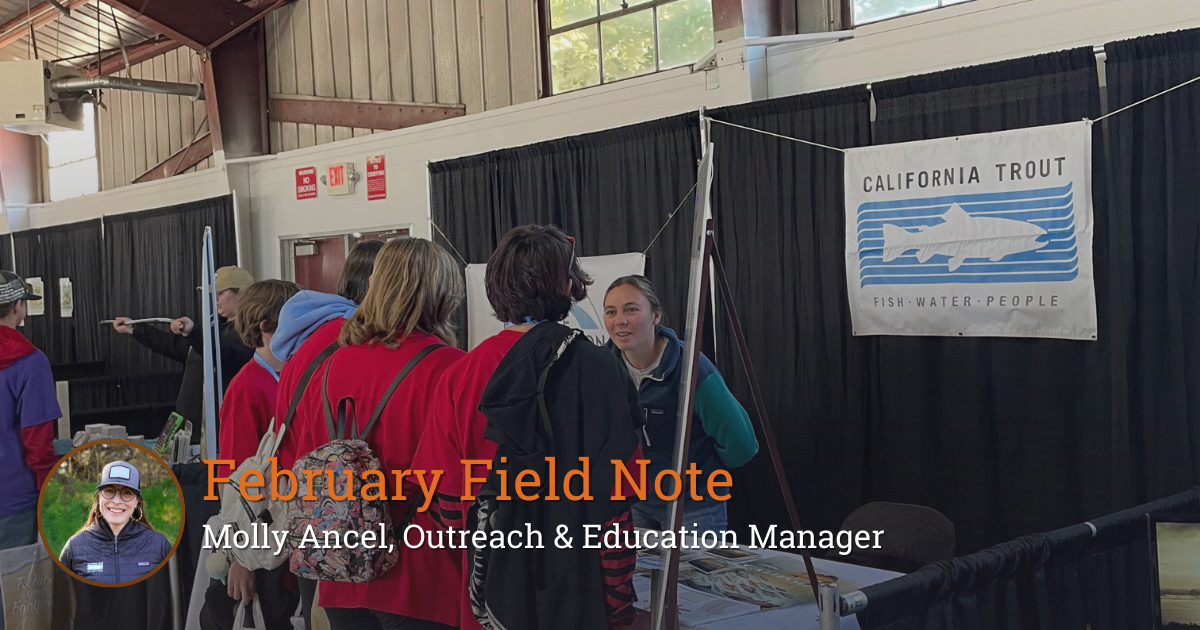
A Field Note from Shasta County’s STEM Career Fair
by Molly Ancel
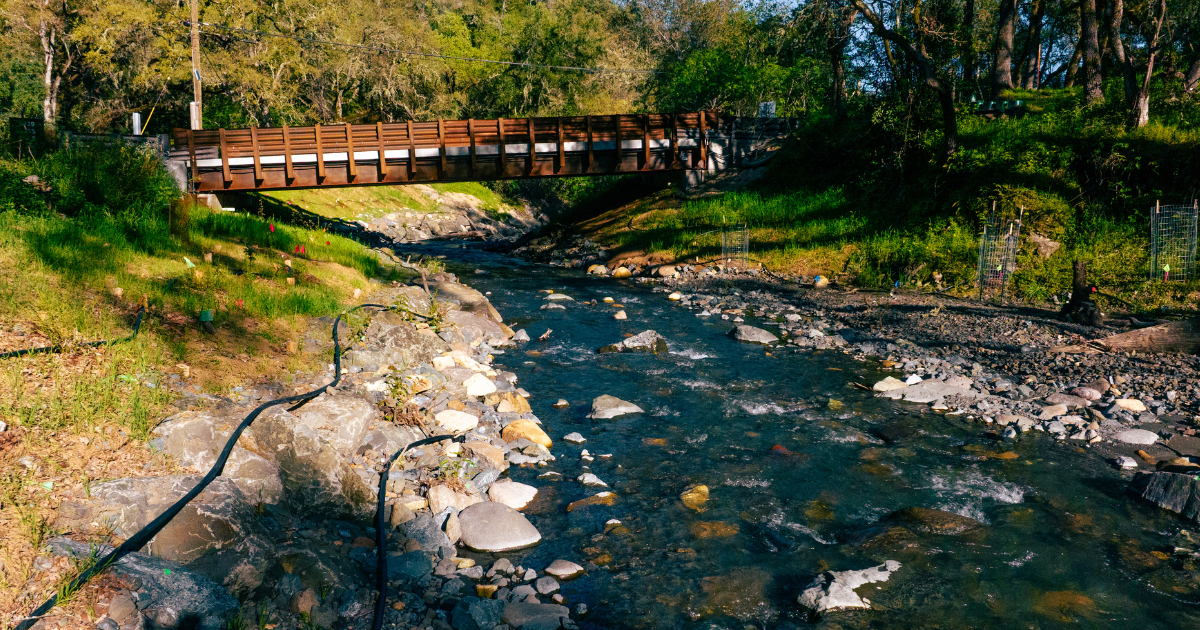
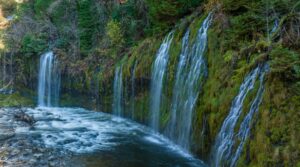
It’s mid-November, and Kara Glenwright (CalTrout’s Communications Manager) and I have already been in Butte County for three days. The sun has been orange and low in the sky while we’ve watched water slip over basalt rock and talked with project partners about CalTrout’s work in the area.
It’s now Friday morning, and we’re packing up to head an hour north to Anderson, in Shasta County. It’s quiet out and fall leaves swirl on the street as we start the car up and head to the Fairgrounds to set up a CalTrout table at the 9th Annual Ignite Opportunity STEM Career Day. We’re looking forward to a day of conversation with students about how they can someday find space for themselves in the conservation world – maybe even at CalTrout!
Hosted by the Shasta County Office of Education, the event brings together an enormous collective of exhibitors to discuss the career opportunities associated with their work to 1,500 9th grade students from California’s nine North Counties. Many students bussed to the event that day are coming from small rural communities, hours away from the fairgrounds.
We arrive, and after a short battle across the parking lot to keep our materials on hand against the wind, Kara and I walk into a huge hangar where our table is labelled neatly towards the back. Nestled between the Tehama County Resource Conservation District and Bureau of Reclamation tables, we’re also strategically close to a big attention-getter: one of US Forest Service’s wildland fire rigs parked in the middle of the hangar.
The event starts, and students flow in dressed in distinctively colored t-shirts representing their schools. The students are inspiring and wholly diverse in their interests and attentions. When they float over to our table, we ask them, what are you interested in? What do you love to do?
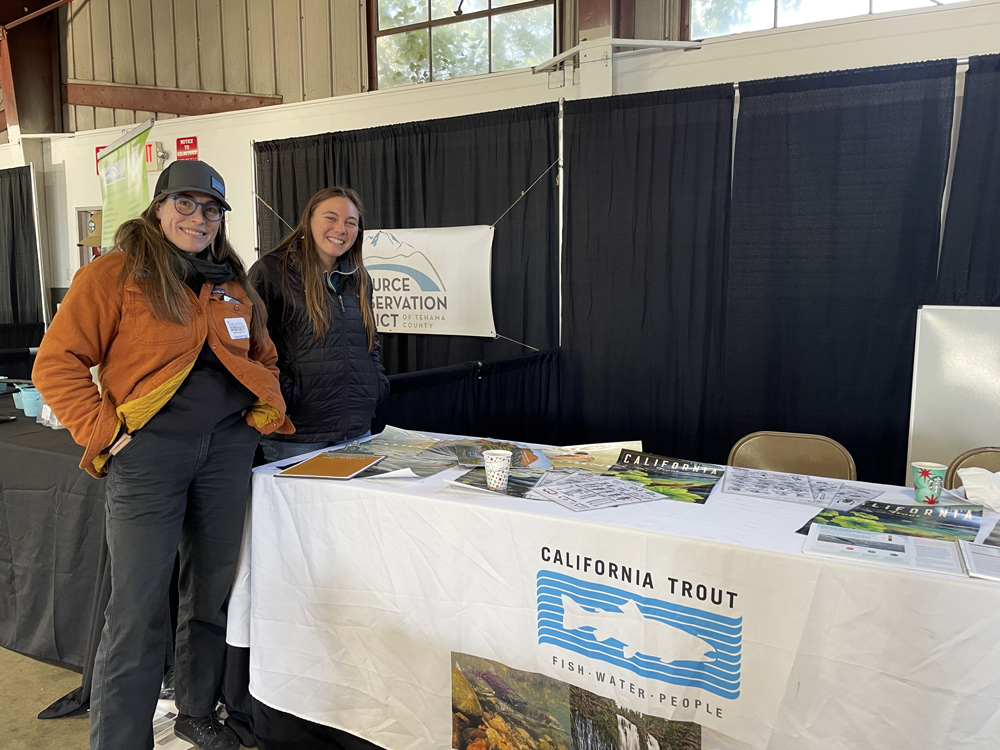
These young people tell Kara and me all sorts of different interests and dreams. Many want to go into health care or become veterinarians or artists and have only stopped by our table on their way to check out the USFS rig. Fewer know right now if they’re interested in resource management or conservation careers, but we get a few who make a beeline to our table for that specific reason.
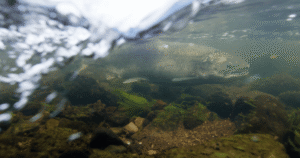
We do our best to talk about the ways we see careers in conservation connecting with the interests they speak to. Careers in conservation don’t just mean careers in science. Art and communication are important parts of our work – being close to animals is a huge part of our work. Community is part of our work. And if standing in frigid streams and exploring underwater ecosystems is your thing – maybe a path in science is for you.
We ask them if they are connected to the natural world where they live. Many are – outdoor recreation is popular in many of their families and communities, and proximity to land and wild places is more common in the North Counties. Because they already care about these places, we do our best to explain that if they want, there is place for them in the field of conservation, where they get to protect and stay in connection with these places that they love.
Our voices are getting hoarse from the many conversations, and as a horn sounds announcing the end of the event, and students begin trickling back to their buses, I look around at the other exhibitors. They seem similarly talked out but satisfied with the sharing we’d been able to do today with these inspiring youth.
On our drive back to the Bay Area, I reflect on how lucky we are to have the opportunity to connect with the young people who live in the regions we work in. I feel lucky to build a collective future alongside them rooted in the wellness of both land and community.