A Field Note from the Walker Creek Watershed
by Will Ware
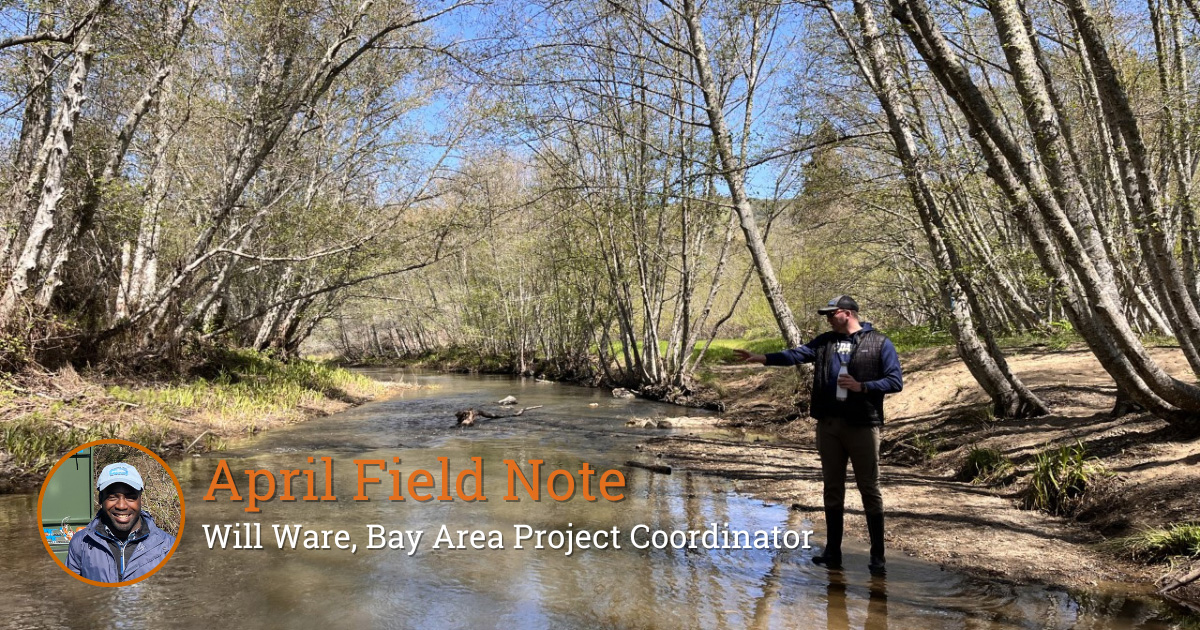
Join CalTrout staff Will Ware, Patrick Samuel, Kam Bezdek, and CalTrout UC Davis Graduate Fellow Alex Johanson as they travel through the Walker Creek watershed where CalTrout works to monitor and understand the behavior and movements of salmon and steelhead to inform restoration. At Walker Creek, in Marin County, we are also joined by our partner Patrick McLaughlin, Walker Creek Ranch Manager and Principal of Walker Creek Outdoor School.
Coho & Cattle
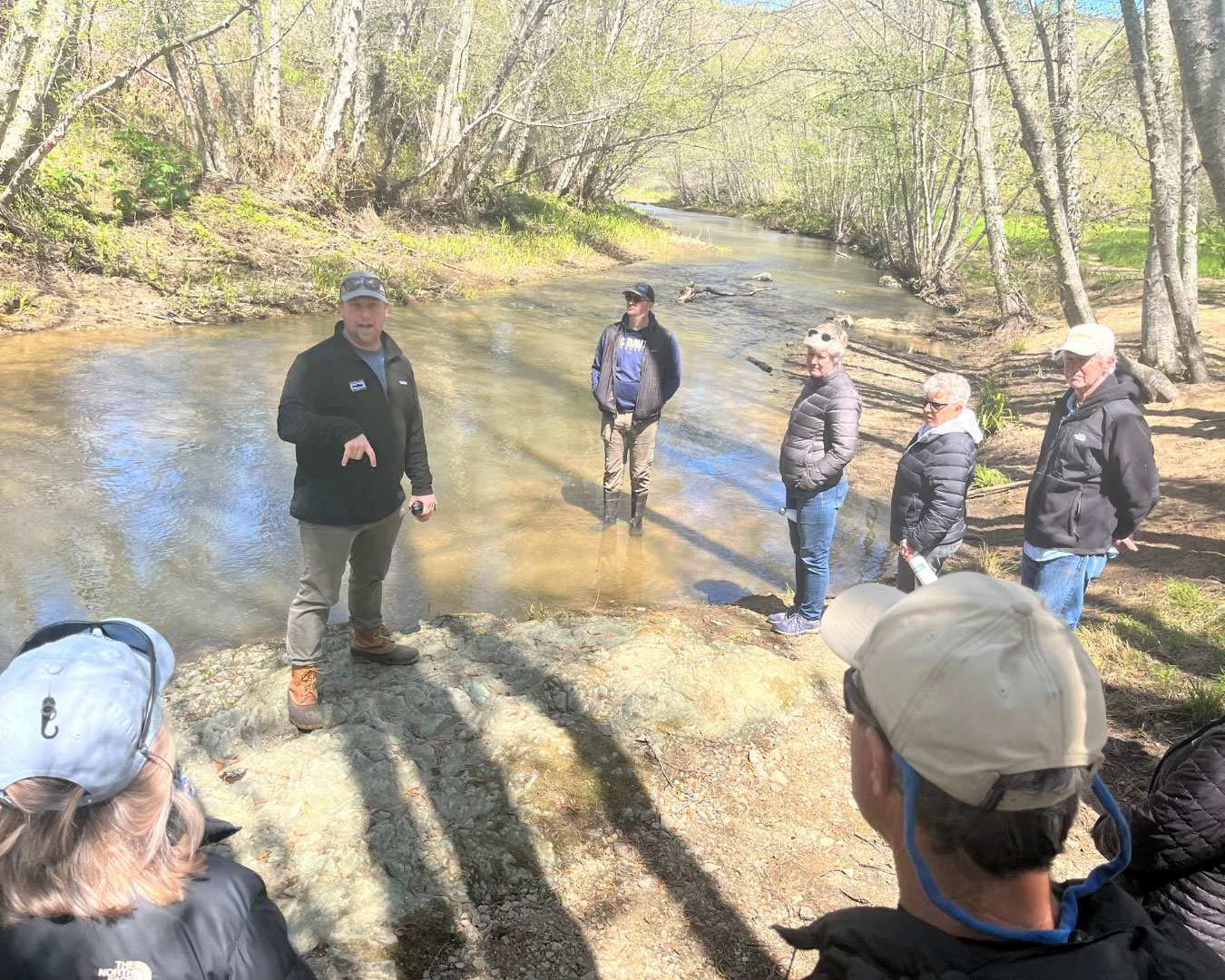
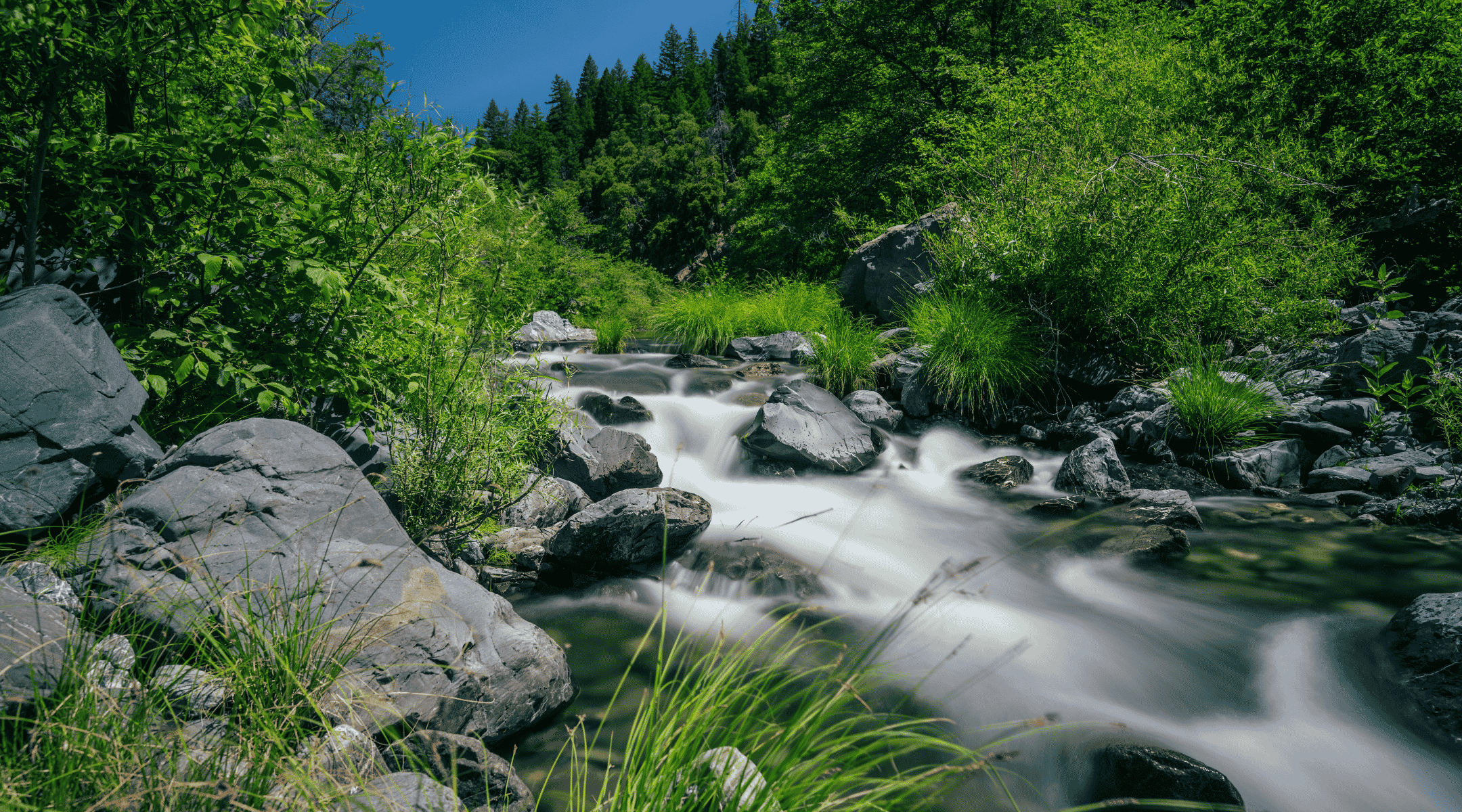
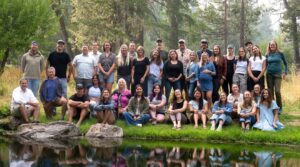
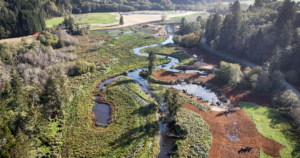
The sun reflects off the water of Walker Creek in Marin County as a crowd of CalTrout donors and a staffer from Congressman Huffman’s office meander with the creek’s flow. Tucked in between rolling green hills on the periphery of the San Francisco Bay Area, Walker Creek is a hidden gem — both for human visitors and for fish.
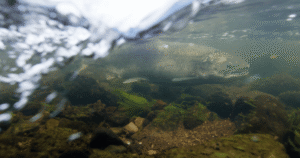
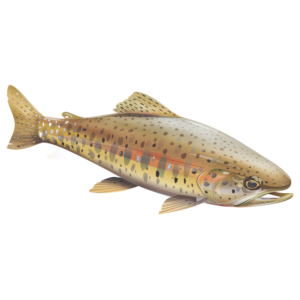
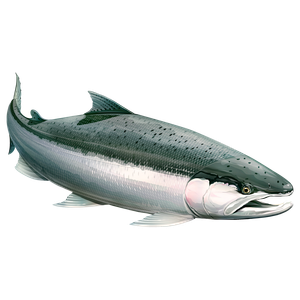
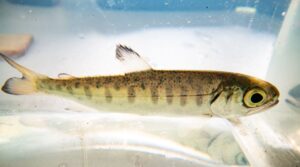
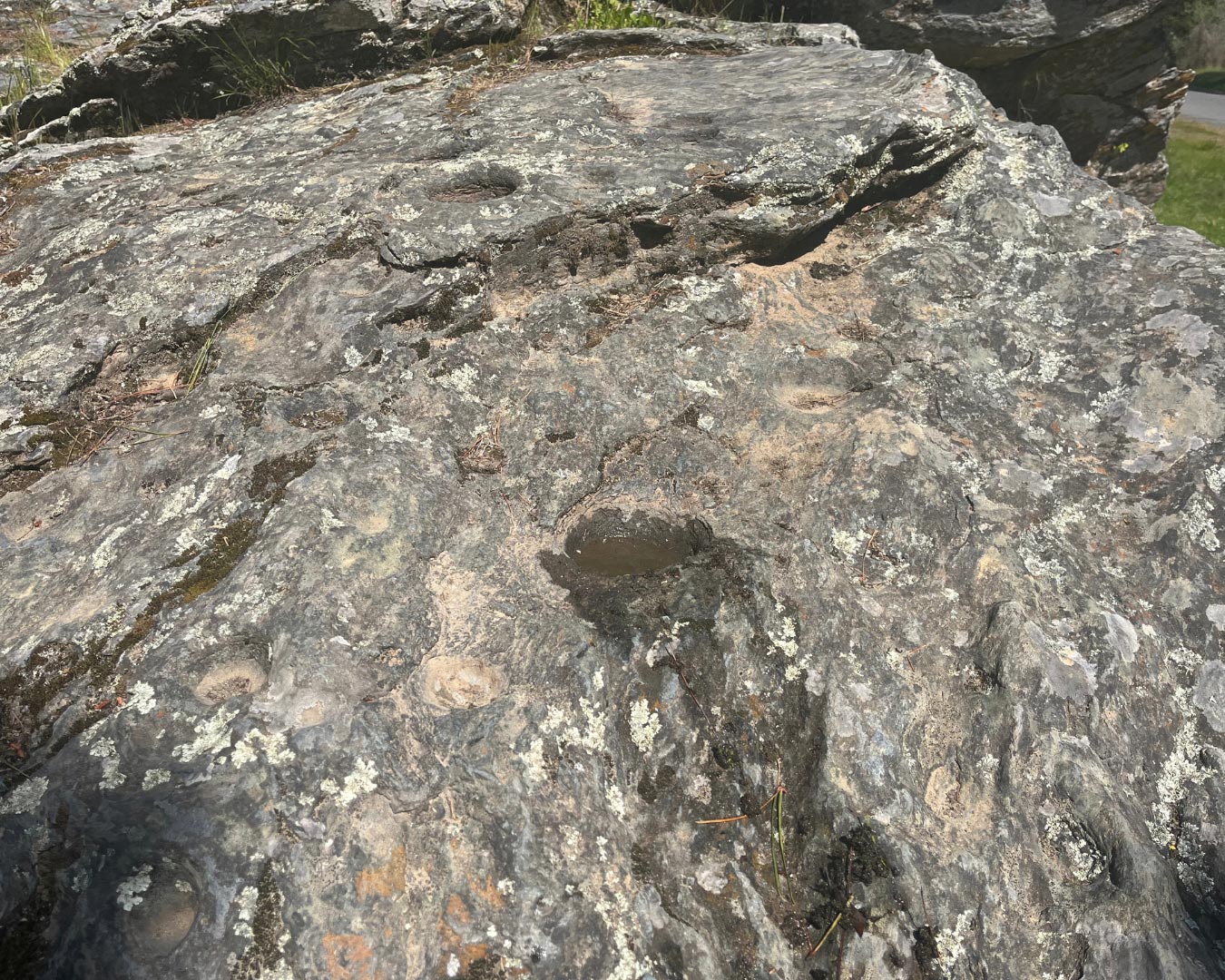
The creek flows year-round and is a stronghold for endangered Central California Coast coho salmon and threatened steelhead. Spawning runs of these fish were a major food source for the Coast Miwok people whose presence remains evident across the landscape. Our first stop on our tour today is to view grinding pits in rock outcrops that Coast Miwok peoples used to make acorn meal which they might eat with fish and other foods. We reflect on how the landscape has changed as we walk from the grinding pits to the creek.
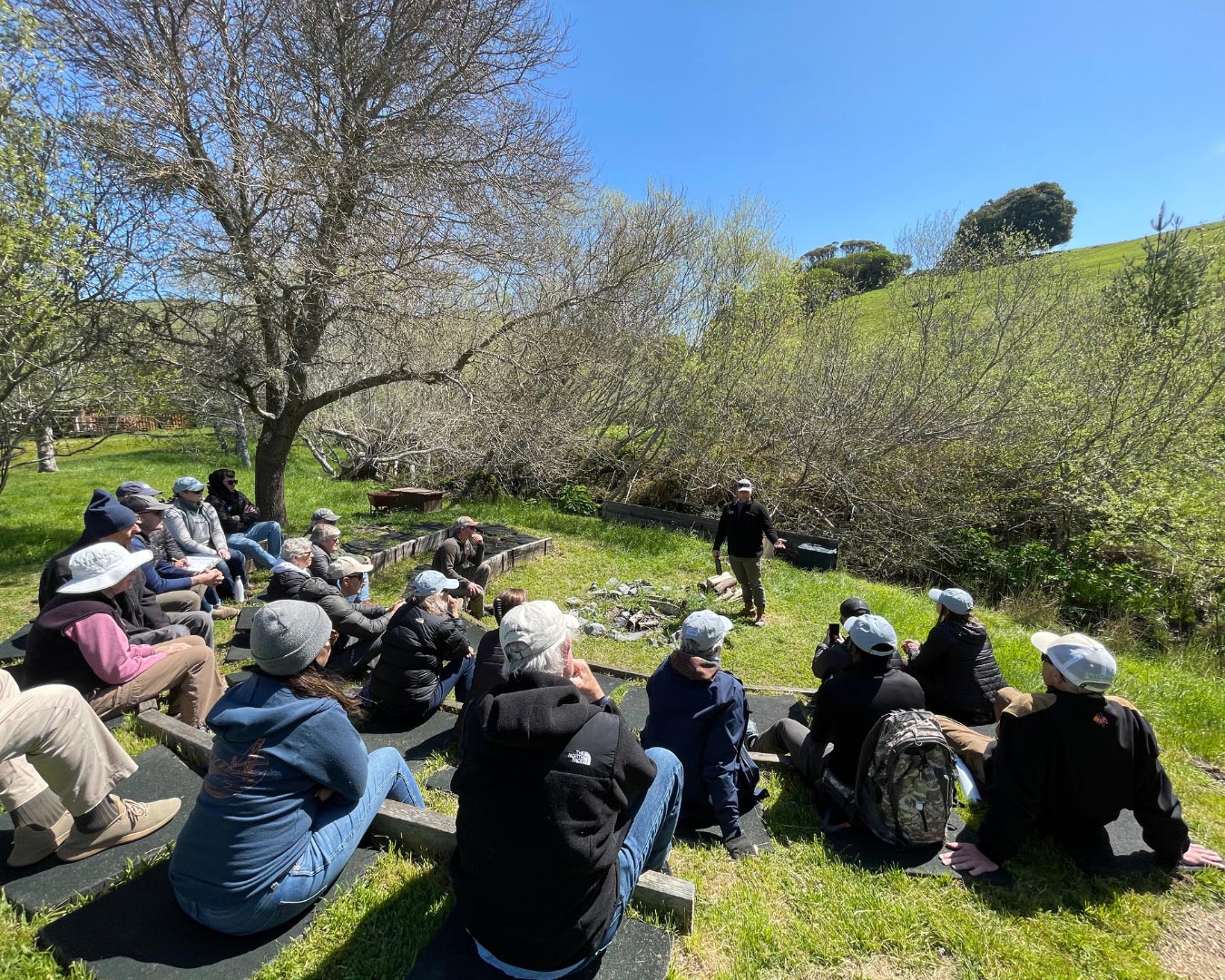
Most of the 76 square-mile Walker Creek watershed is now a working landscape, primarily used for cattle ranching, dairies, and some other livestock grazing. Patrick McLaughlin, Walker Creek Ranch Manager and Principal of Walker Creek Outdoor School, discusses the history of the landscape and Walker Creek Ranch.
This is a hard-working watershed – for agriculture, for fish, and for drinking water for the people of Marin.
“Agriculture and fish can go together, and Walker Creek illustrates it” added Patrick Samuel, CalTrout Bay Area Director.
This is especially true for coho salmon and cattle at Walker Creek Ranch where the livestock are fenced from the water’s edge, allowing it to flow cold and clear. Unlike many other rural streams in California, flows on Walker Creek remain level with the floodplain allowing water to spill past banks and restructure the stream. The aftermath of atmospheric rivers is evident as we navigate the muddy trail which had become a stream too as water spread out on the landscape.
Walking Walker Creek Transects
Alex Johanson, CalTrout UC Davis Graduate Fellow, walks along Walker Creek weekly in the winter and spring to monitor coho and steelhead spawning activity and migrations. His monitoring consists of: (1) tracking adult and juvenile coho and steelhead migratory behavior using PIT antennas, as we do in Pescadero, (2) revealing how hatchery coho released from Warm Springs Hatchery in Sonoma County use Walker Creek habitat through time, (3) recording spawning activity and fish nests called redds along a two-mile stream section. In December 2020, Johanson and Samuel collaborated with California Sea Grant to install two passive integrated transponder (PIT) tag antennas about ¾ of a mile apart on the stream within the Ranch property to better understand fish migration and habitat usage.
Why Care?
Marin locals are connected to coho salmon as they visit spawning spots along Lagunitas Creek and its tributary creeks, send their children to Walker Creek Outdoor School to learn about salmonids and the broader ecosystem from Naturalist teachers, and follow local news stories about the plight of coho and steelhead. This is another legacy of the Coast Miwok people who showed their fishing spots to colonists when spawning runs were much larger.
“Coho and steelhead swimming into Tomales Bay pass by Walker Creek on their way to Lagunitas Creek. Some of those fish stop and check it out before spawning,” said Samuel.
Johanson’s ongoing study provides data on juvenile coho distributions along the creek that is paired with models from National Oceanic and Atmospheric Administration (NOAA) Fisheries and abiotic stream condition data from the University of California Davis Center for Watershed Sciences and the Marin Municipal Water District. This project is key to identifying factors that may limit coho recovery in Walker Creek, informing release strategies.
Recovery & Monitoring
“What is CalTrout actually doing to recover coho beyond monitoring and research?” asked one donor concerned about the timeline of solutions that develop from studies in context with statewide salmon declines.
“We are proposing to put beaver dam analogs on the creek,” Samuel offered as one example. These man-made structures function as beaver dams that form pools where water slows and cools providing more places for juvenile coho and steelhead to eat while hiding from predators. They restore ecological processes like raising the water table, storing and sorting sediment, creating important rearing habitat, and providing important velocity and predator refuge – without beavers themselves.
Long-term monitoring projects will show whether beaver dam analogs and other restoration projects benefit salmonids, but coastal monitoring efforts are currently crippled from underfunding. For this reason, the CalTrout Policy Team, The Nature Conservancy, and Trout Unlimited co-sponsored California Assembly Bill 809, which would establish the California Monitoring Program Fund from the state budget. The bill would allow the California Department of Fish and Wildlife (CDFW) to implement studies that NOAA Fisheries recommended for salmonid recovery. Learn more about the bill here.
“You have NGOs coming in and trying to fill those data gaps. We really want to make this program strong, robust, and we want to give CDFW the opportunity to have the funding and be able to do this [monitoring] on their own as well,” said Kam Bezdek, CalTrout Policy Associate.