A Field Note from CalTrout’s Mt. Shasta/Klamath Region
by Emily Winn, Stanford University student and CalTrout Summer 2023 Intern
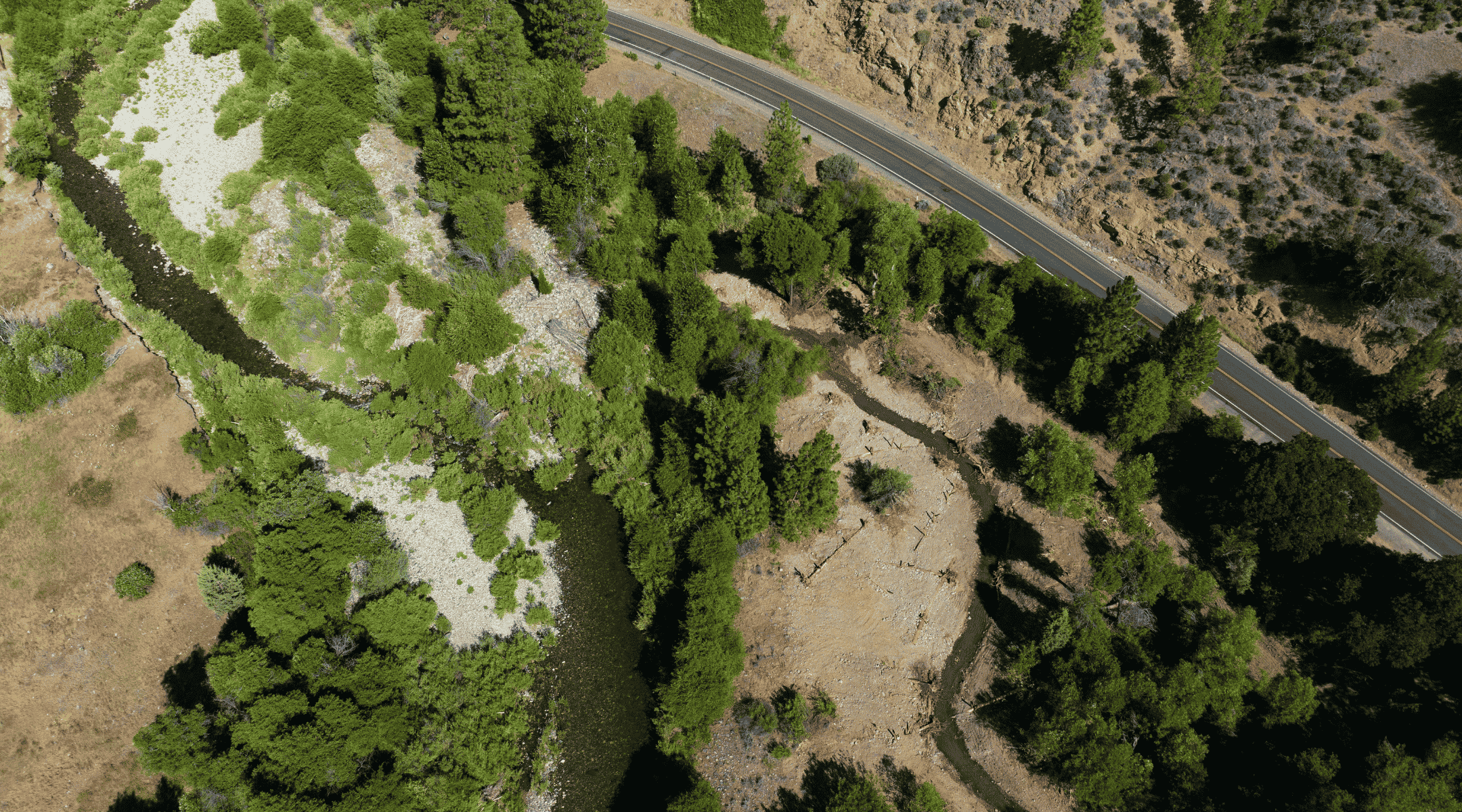
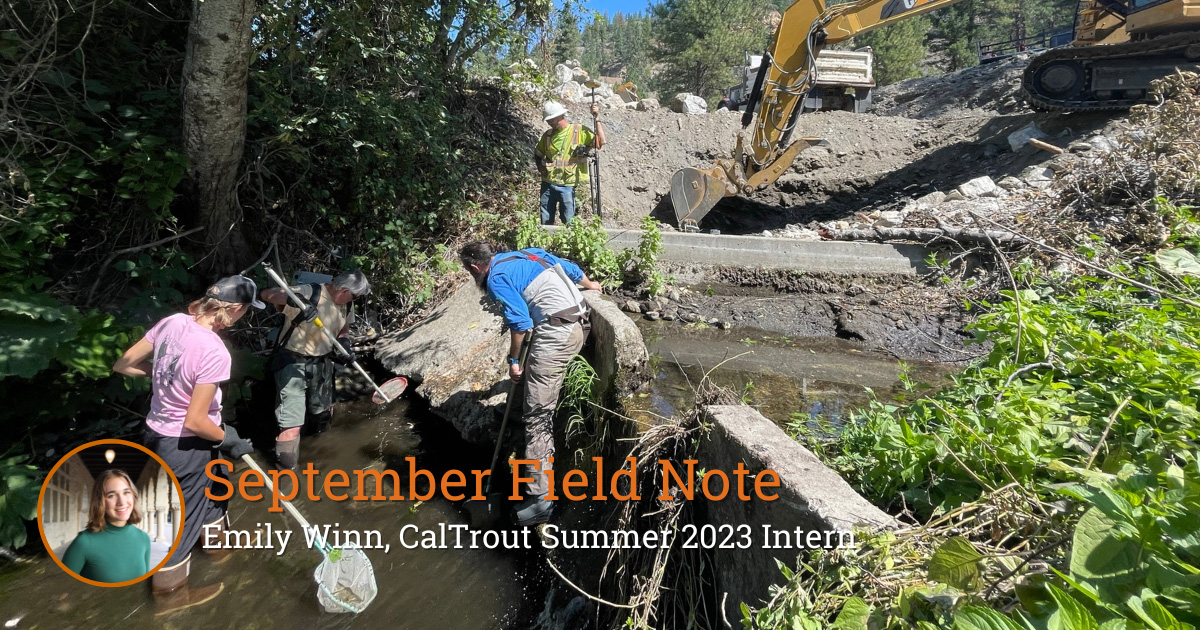
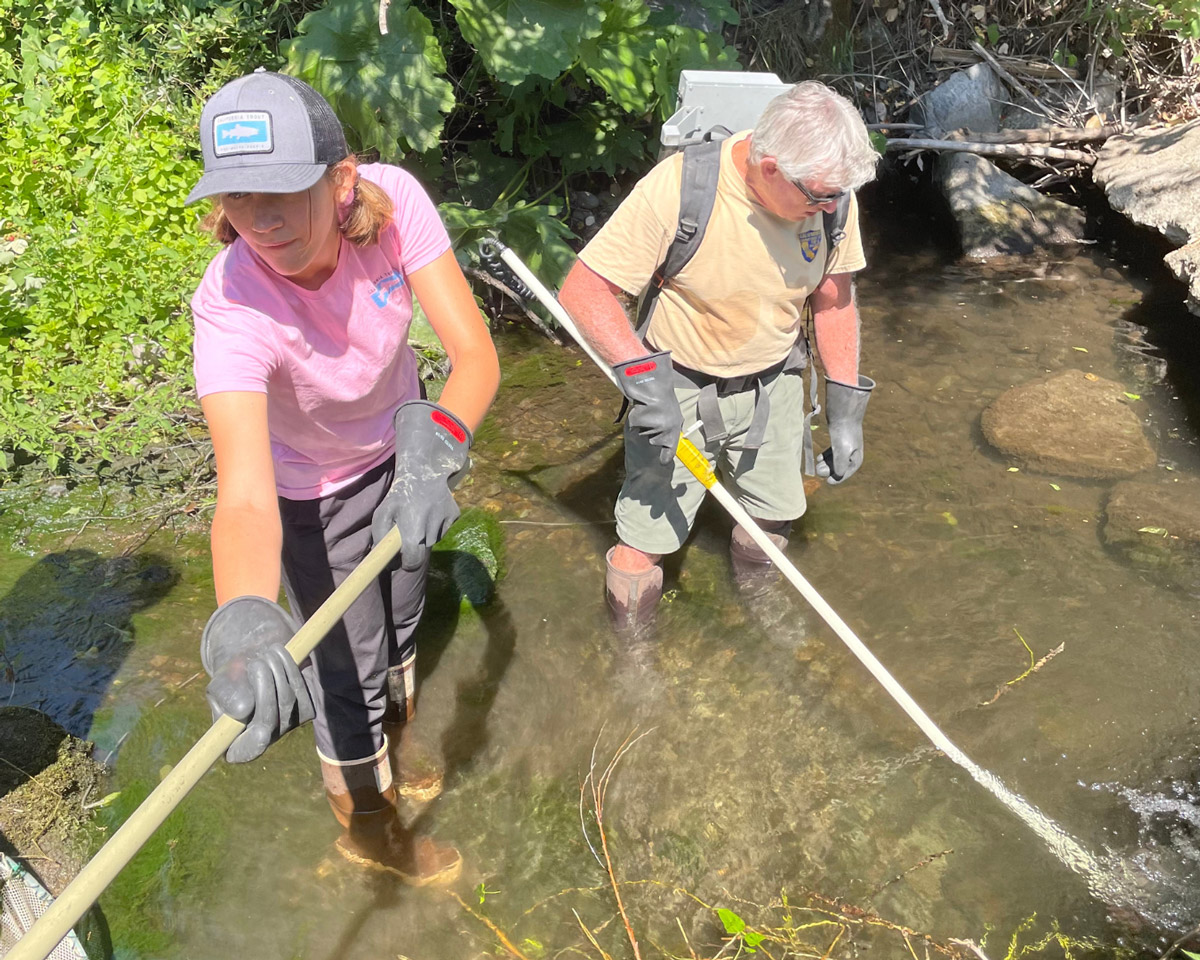
One of the many things I learned by doing during my summer internship with California Trout was how to remove fish from construction sites. Why remove fish? Sometimes, during construction, crews must remove water from a creek, a process known as dewatering, to be able to work in it. To ensure fish are not harmed during this process, they are relocated to another part of the stream. I was excited to pitch in to this process but had no idea what to expect as I drove out to the Scott River project site in early August with CalTrout Project Manager Serena Doose. I had visited the habitat restoration site a few weeks before, at Scott Bar Mill Creek, a small tributary of the Scott River where CalTrout planned to replace a culvert and concrete spillway with a run-of-river bridge. The restoration project aims to open up the cold water of the tributary to juvenile coho salmon, a fish native to Northern California and threatened by agriculture, dam infrastructure, and rising temperatures.
I understood the importance of the project, but last time we had been at the site I hadn’t seen too much water in Mill Creek, let alone fish. Then Serena said something that instantly piqued my interest— “Wherever there is water, there are fish.” That is what makes fish removal and dewatering essential for habitat restoration in rivers, she further explained— they allow essential construction work to occur without impacting vulnerable species.
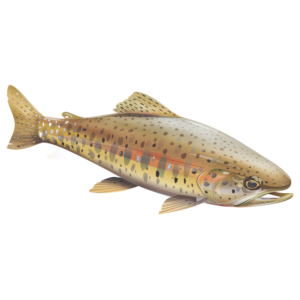
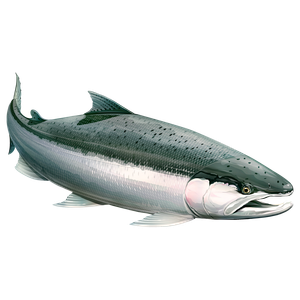
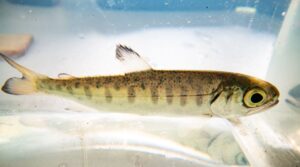
With the help of Serena and the fish removal team from California Department of Fish & Wildlife (CDFW) by the end of the day I helped electrofish, identified and counted the fish in the site (over 100 juvenile rainbow trout, and excitingly, a few coho salmon!), and transported them to upstream habitat. The day flew by, and it was incredible to take part in such important work. Holding the fish that CalTrout seeks to protect in my hand made me proud to intern at an organization with such an important mission.
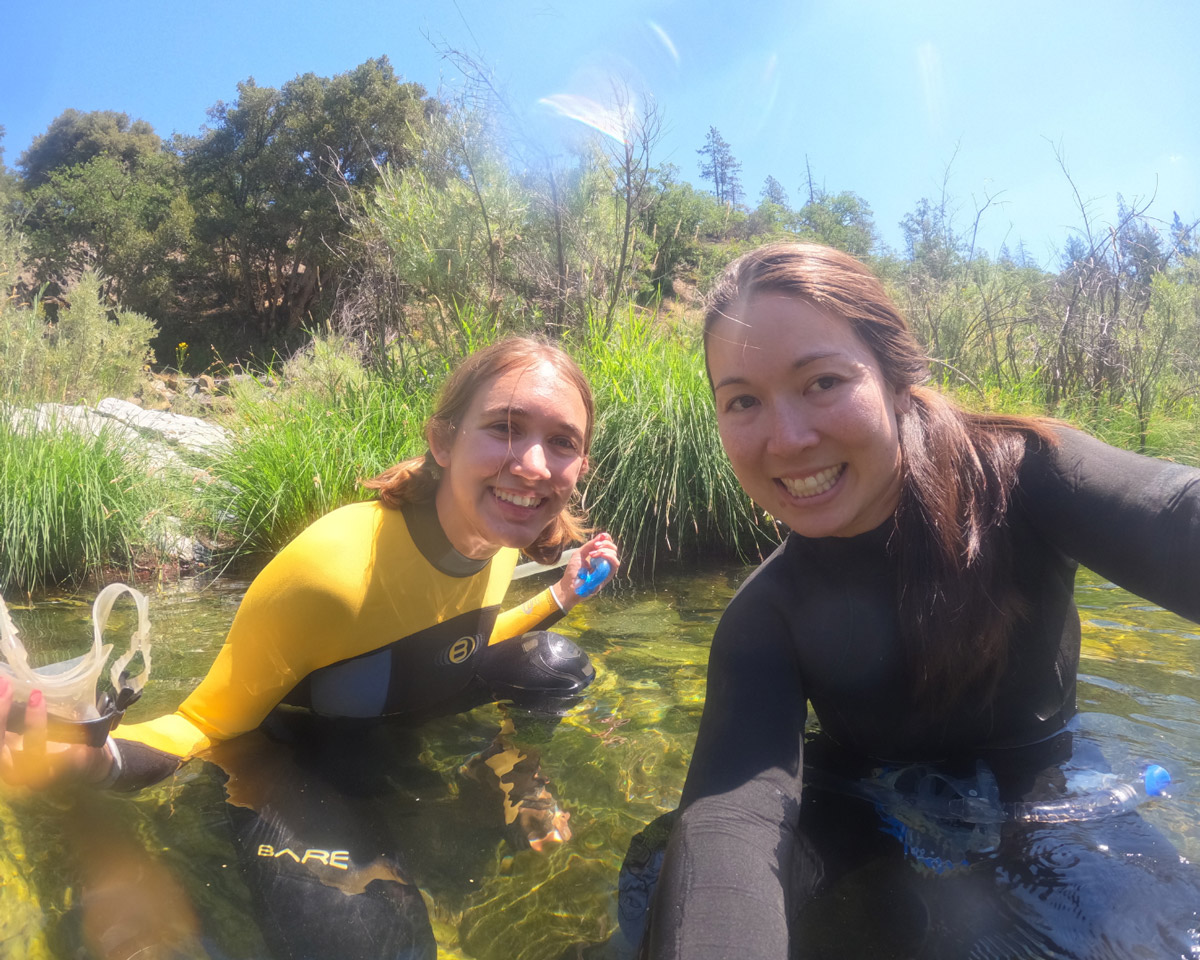
I came to CalTrout in late June as an intern for the Mt. Shasta office, focused on the Source Water Springs Study. I am originally from Denver, Colorado, and I just finished my sophomore year at Stanford University where I am majoring in Environmental Systems Engineering on the freshwater track. Despite never having visited the town of Mt. Shasta before, I was passionate about CalTrout’s mission and excited for the work I would do. I never could have predicted the interesting experiences I would have with the Mt. Shasta team and with the organization at large.
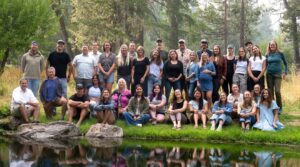
Other field visits included helping a team measure water flow at Farmers Ditch in the Scott Valley and taking water samples for isotopic analysis with researchers from Cal State East Bay and Lawrence Livermore Laboratory at Rising River Lake. My time in the office was spent on the Source Water Springs Study focused in the Upper Sacramento, McCloud, and Pit River watersheds. I compiled important climate and hydrologic data from California Data Exchange Center (CDEC), the National Oceanic and Atmospheric Administration (NOAA), the U.S. Geological Service (USGS), and the National Weather Service (NWS) for CalTrout to use in the future. One of the most fulfilling parts of this summer has been applying the knowledge I learned in my college classes— computer and data science has been particularly useful! I was also lucky to go on the CalTrout staff retreat on the Smith River, where I visited amazing project sites in CalTrout’s North Coast region and got to know the rest of the organization’s staff outside of the Mt. Shasta team.
Looking back on the ten weeks I spent at CalTrout, I can’t believe the summer passed so quickly. Outside of spending time in the office and visiting field sites, I was lucky to explore the Shasta area by bike or on foot. Visits by family and friends made my time in Shasta particularly special. Other weekends I explored Oregon, Washington, and other parts of California, which reminded me of the stunning environmental diversity of the American West. Sometimes I feel Stanford forgets that the Bay Area is the gateway to one of the most dynamic, important, and threatened areas of the United States. I hope to return to school this fall reminded of the importance of protecting this diverse region as it is threatened by climate change, wildfires, and extreme weather events in coming years.
Despite these threats to the people and species that inhabit the Mt. Shasta region and places like it, I am heartened knowing that there are organizations like CalTrout that work to maintain these lands for future generations of fish and people. Getting on the ground and seeing the people who lead vital environmental projects in action has been the most valuable experience of my summer and reminded me of why I became interested in sustainability and conservation when I entered college in the fall of 2021. No matter where I work or what I do in the long term, I plan to take the lessons and inspiration of California Trout with me.
I want to thank my supervisor, Project Manager Tyanna Blaschak, Mt. Shasta Regional Director Damon Goodman, and the many other CalTrout staff who have gone out of their way to be kind, answer questions, and help maximize my time here in Mt. Shasta. In addition, I am grateful to the Bill Lane Center for organizing this internship with California Trout and to the Stanford faculty who have encouraged my interest in water and the West. I hope my path leads me back to CalTrout!