A Field Note from the Lower Sacramento River
by Christine Walker & Lucy Fellner
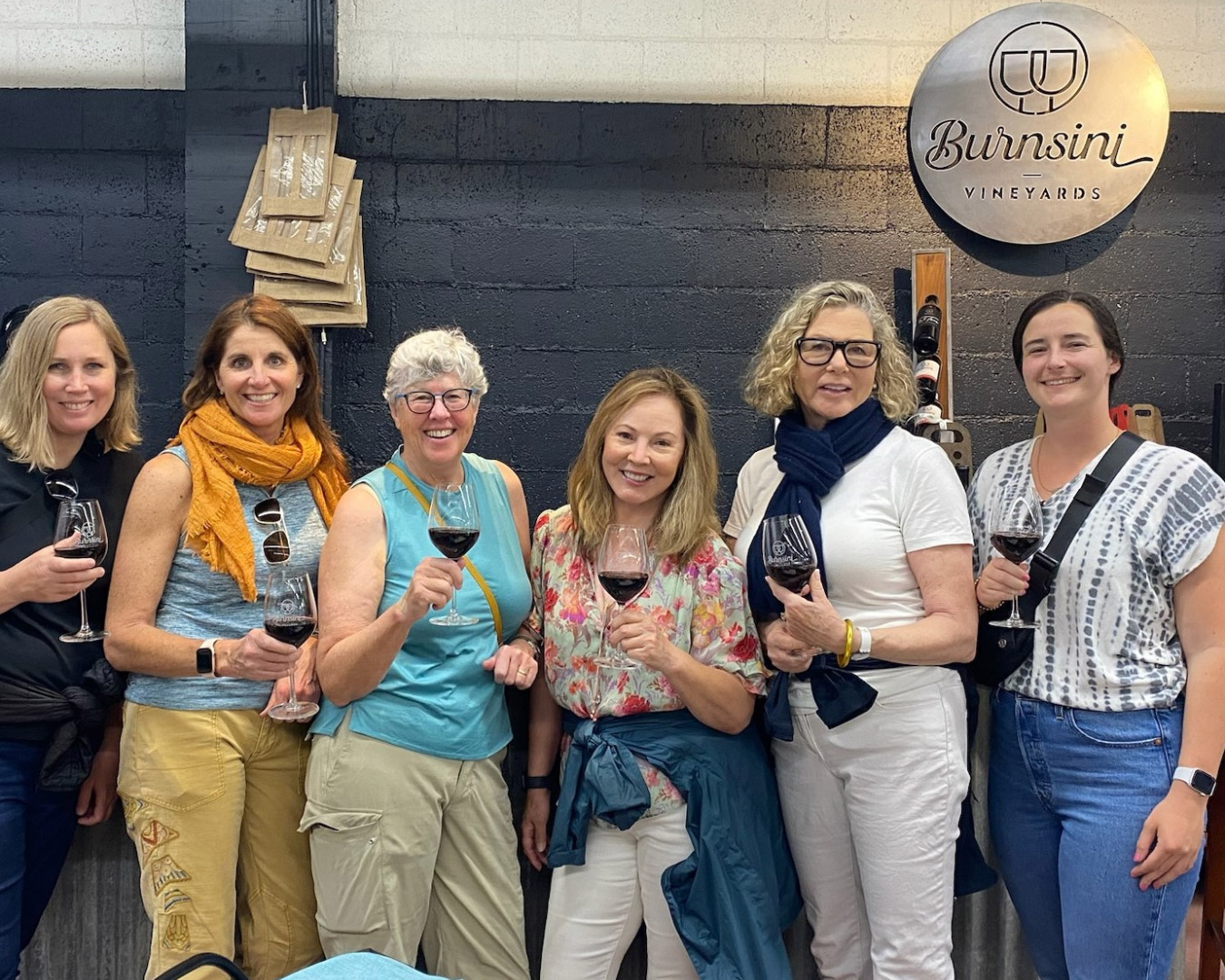
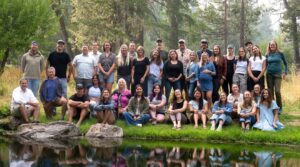
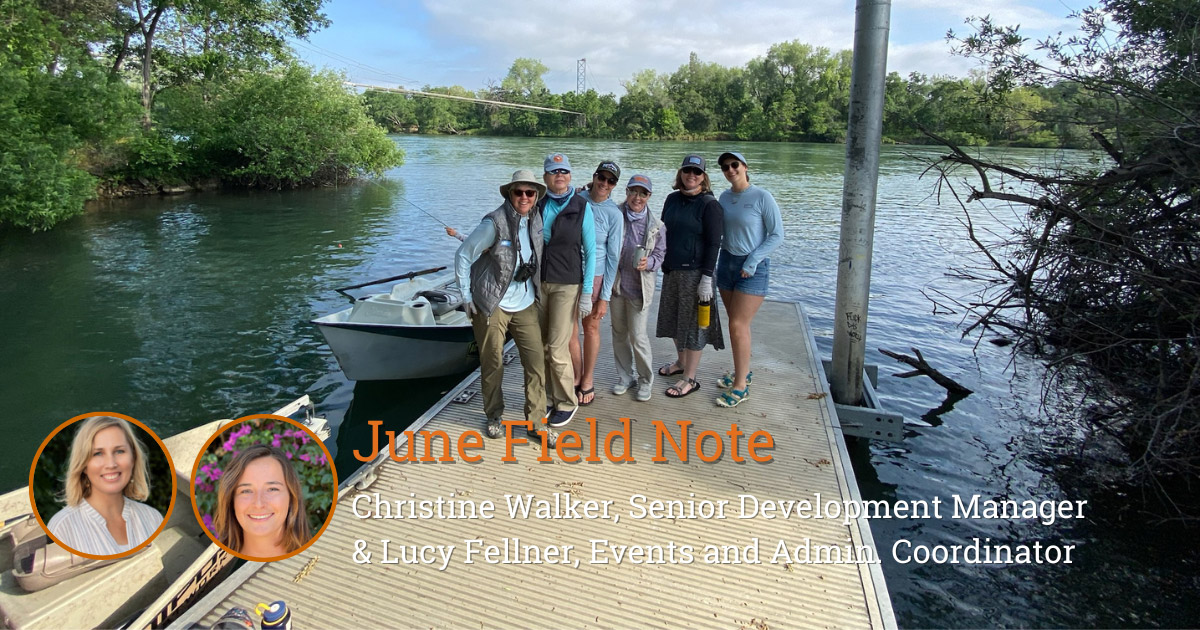
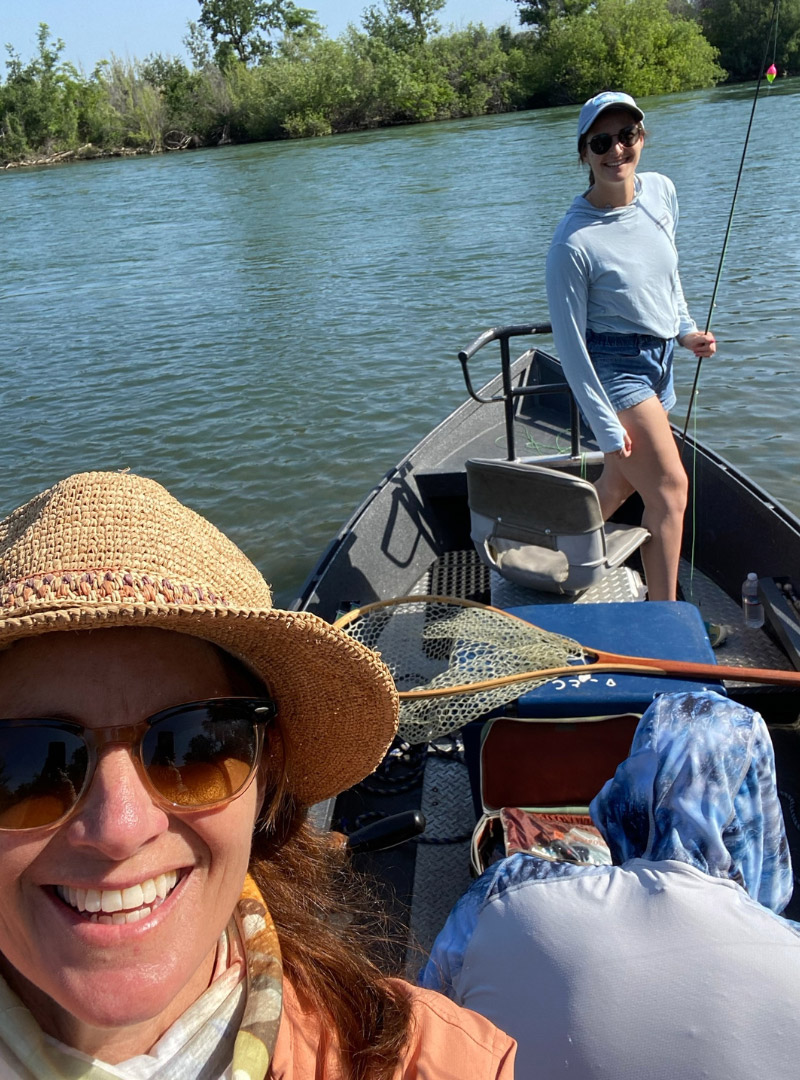
It’s late May, and a group of six women are floating down the Lower Sacramento River as the sun beats down. Six women, six very different stories. Stories that begin in the Midwest, the deep South, rural and suburban California and that weave through professions in journalism, design, and conservation. Stories of family histories inherited and created and wild adventures through the halls of government, the challenges of navigating sexism and navigating the rivers of the world. From Louisiana to Kamchatka, Alaska to right here in Redding, CA and many more destinations in between, the one thing we all had in common is our love of wild fish and the community and purpose we found at CalTrout.
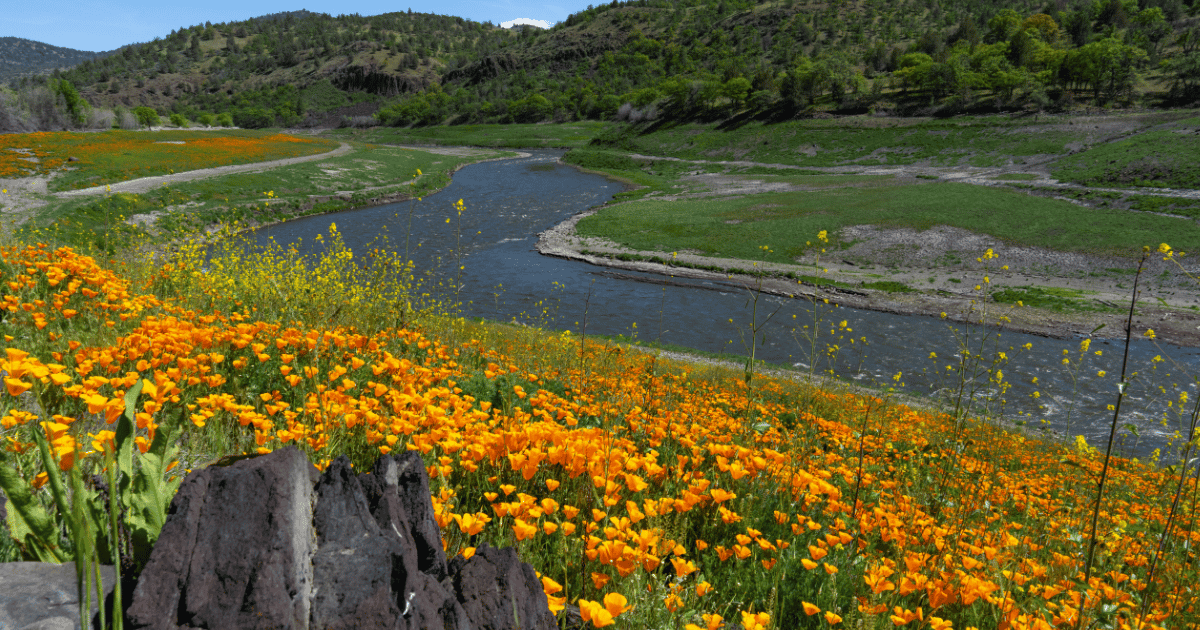
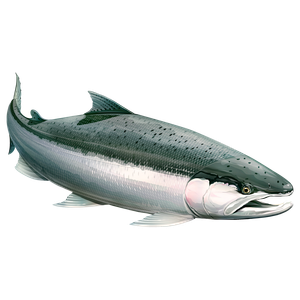
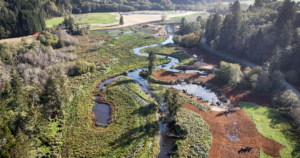
It’s about 85 degrees out but the river keeps us relatively cool for the eight hours we’re on the boats. The trip launched at the fairgrounds, and we have about a ten mile stretch to catch and release as many trout as possible. As the boats float down the river, our guide recounts the various states he has seen the river in over the course of his 35-year career. Boom and bust. Legend has it that in some years before the turn of the century, the boats would get stuck on the countless salmon that filled the river. In other years, boats would have been stranded on dry ground instead of the several feet of water on which we currently coast.
Today, we may have seen more anglers than fish. Before you think “they fish like girls,” I should tell you that one of our number had caught 316 bass, shattering the Lake Oroville record, just the day before. The problem wasn’t our ability. Instead, the absence of fish on the river stems from many problems that are deeply embedded in the way we manage water in the state of California. Being on the river, in this group, felt like being part of the solution.
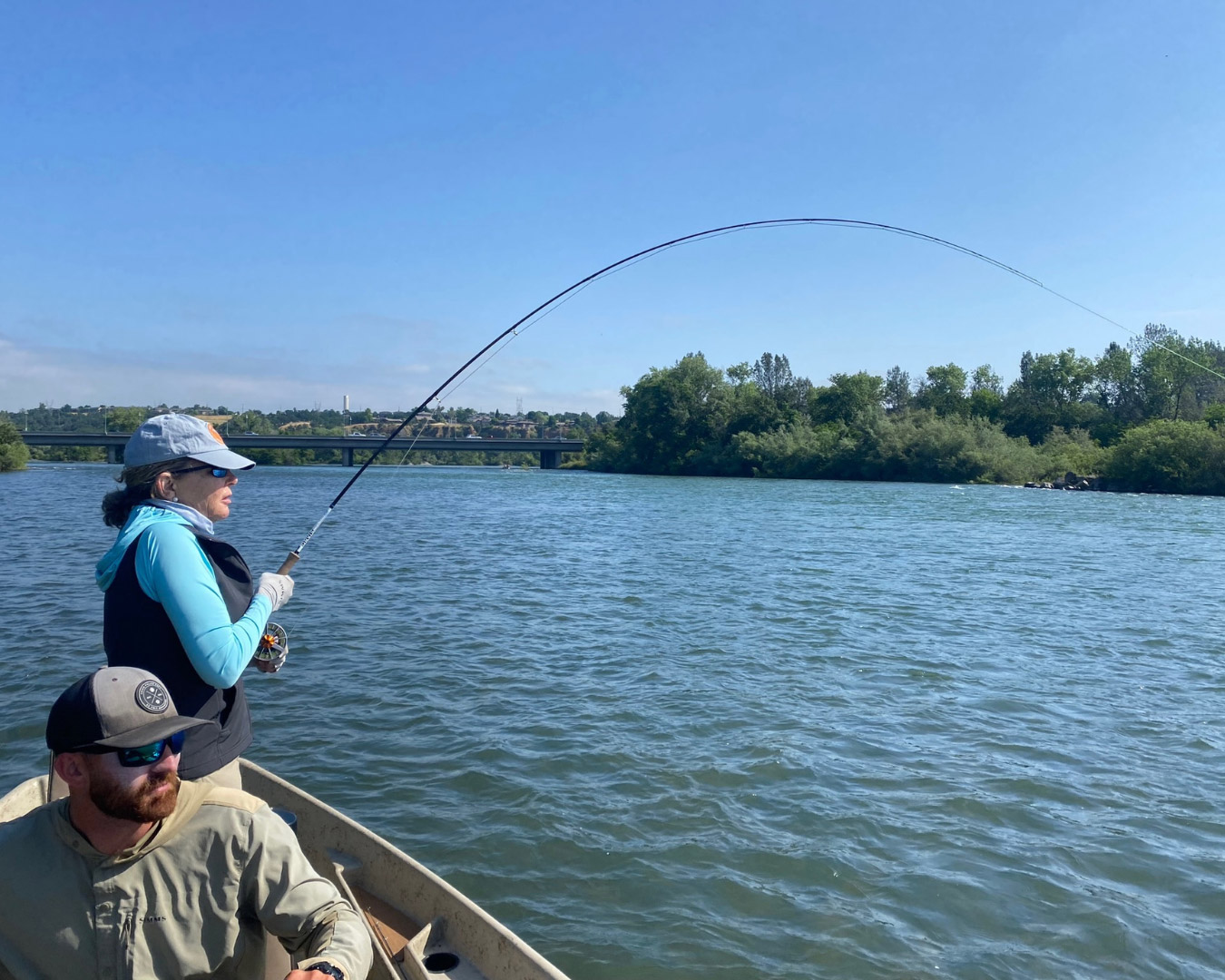
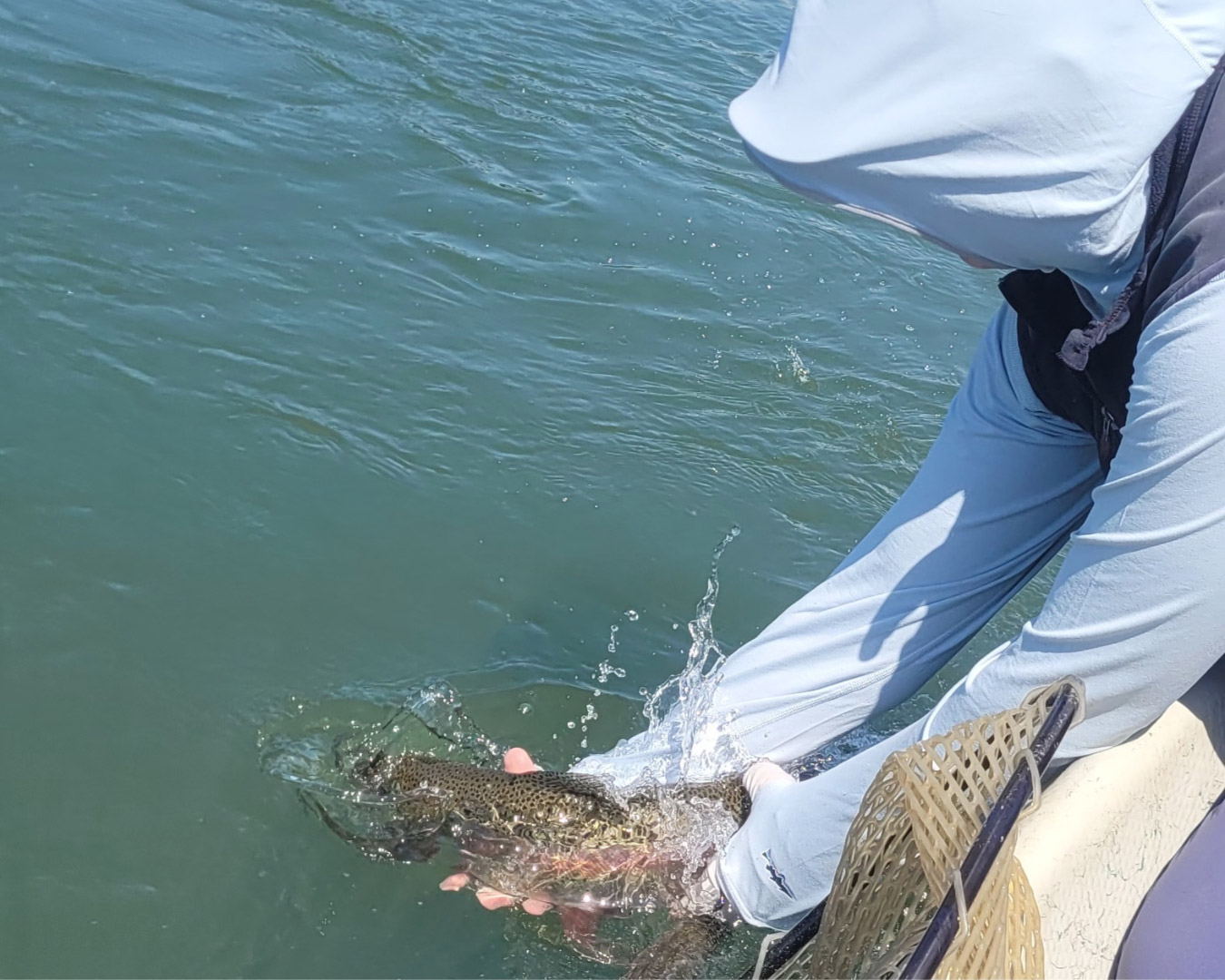
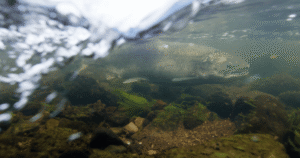
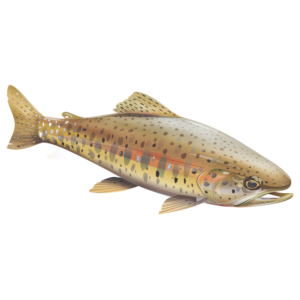
Throughout the eight-hour stretch, we catch a few beautiful trout, chat with our boat mates, and take in the incredible natural scenery surrounding us. While we try to stay focused on our bobbers, sometimes a bald eagle sighting takes precedent. Each fish shares with us some insight about the trout population and the surrounding ecosystem. A few trout have orange coloring around their hooked jaws, showing they are mixed with cutthroat and are getting ready to breed. One poor fish comes out with a u-shaped back, a clear sign of whirling disease, a condition caused by parasites in trout and salmon. My favorite trout we caught had a deep osprey claw mark on his back, a tangible reminder of the brutality of nature and the resiliency of these fish. In fact, we even got to see an osprey catch some dinner right in front of us. There is perhaps nothing more humbling than spending hours on the river with a boatload of fishing gear only to see an osprey dive down and snatch a 10-inch trout in one fell swoop.
The simple act of floating and talking and catching fish places us in a long lineage of women who learned together and passed down those lessons.
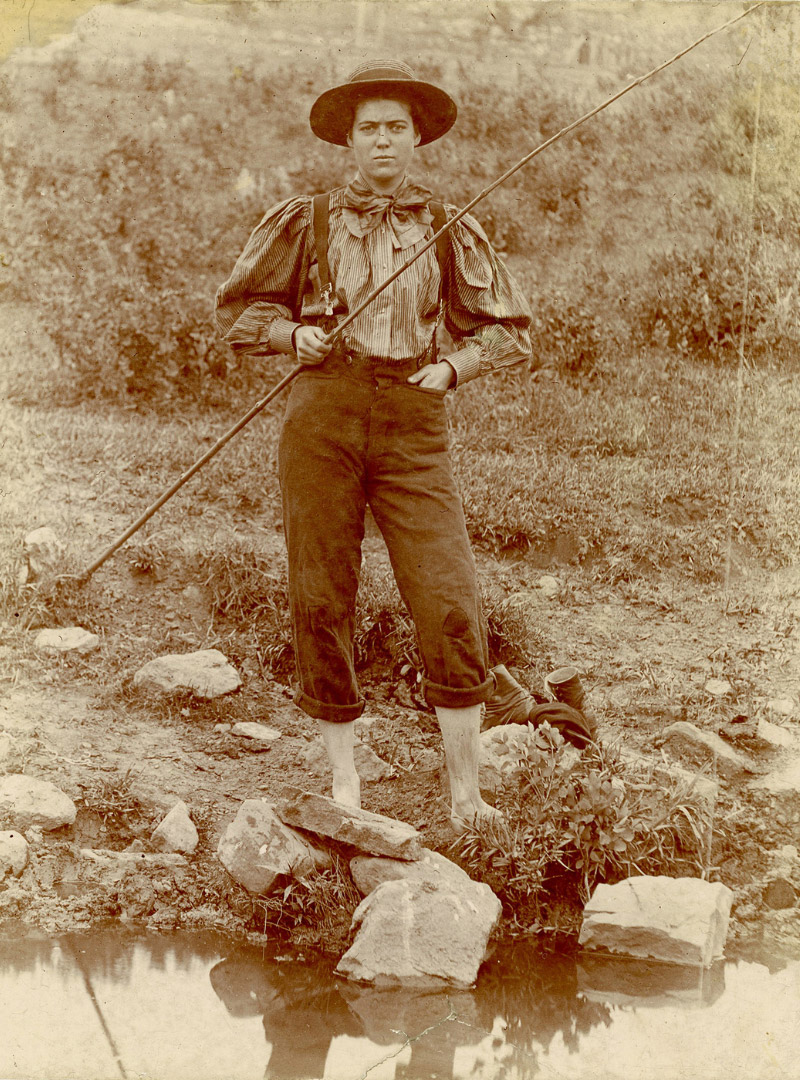
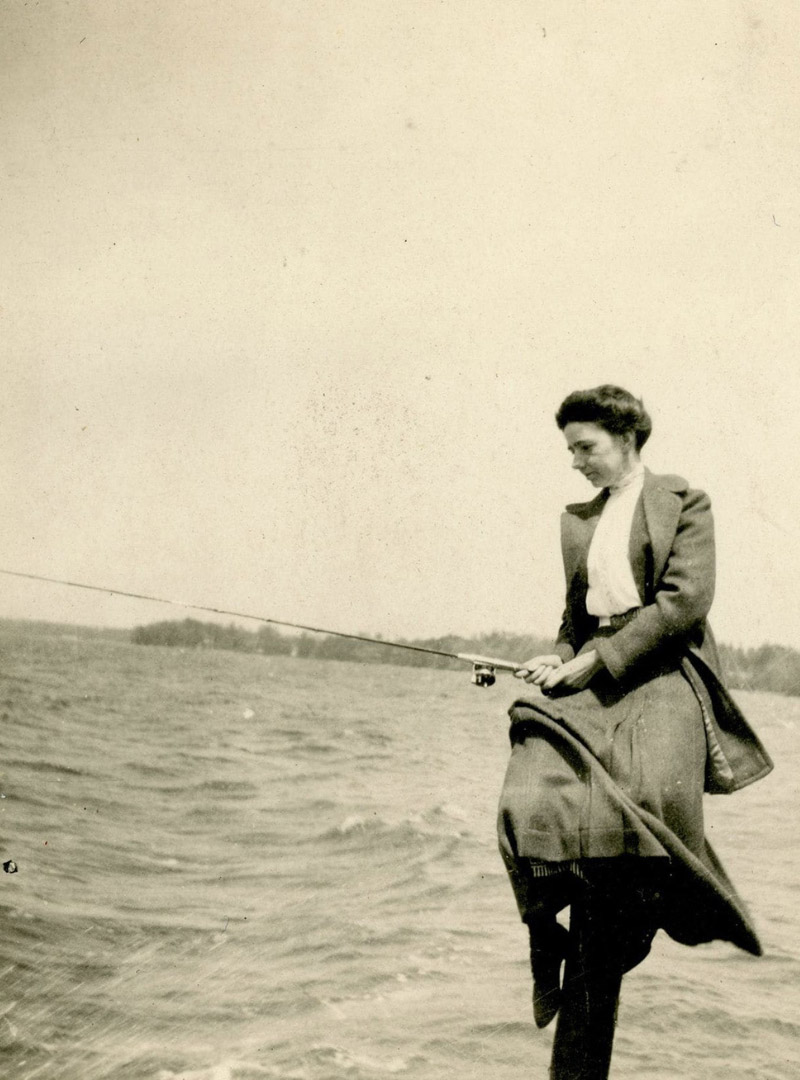
There was no agenda, no PowerPoint, no specific objectives or key performance indicators and for long stretches, not even much talking. Instead, there was joy and close observation and repetition and coaching. Sometimes, in the stillness of the long, hot day, you could swear the universe was giving you a sign. And you definitely develop an appetite!
Cheers to the fish and the women who love them. Meet more of the women of CalTrout here!