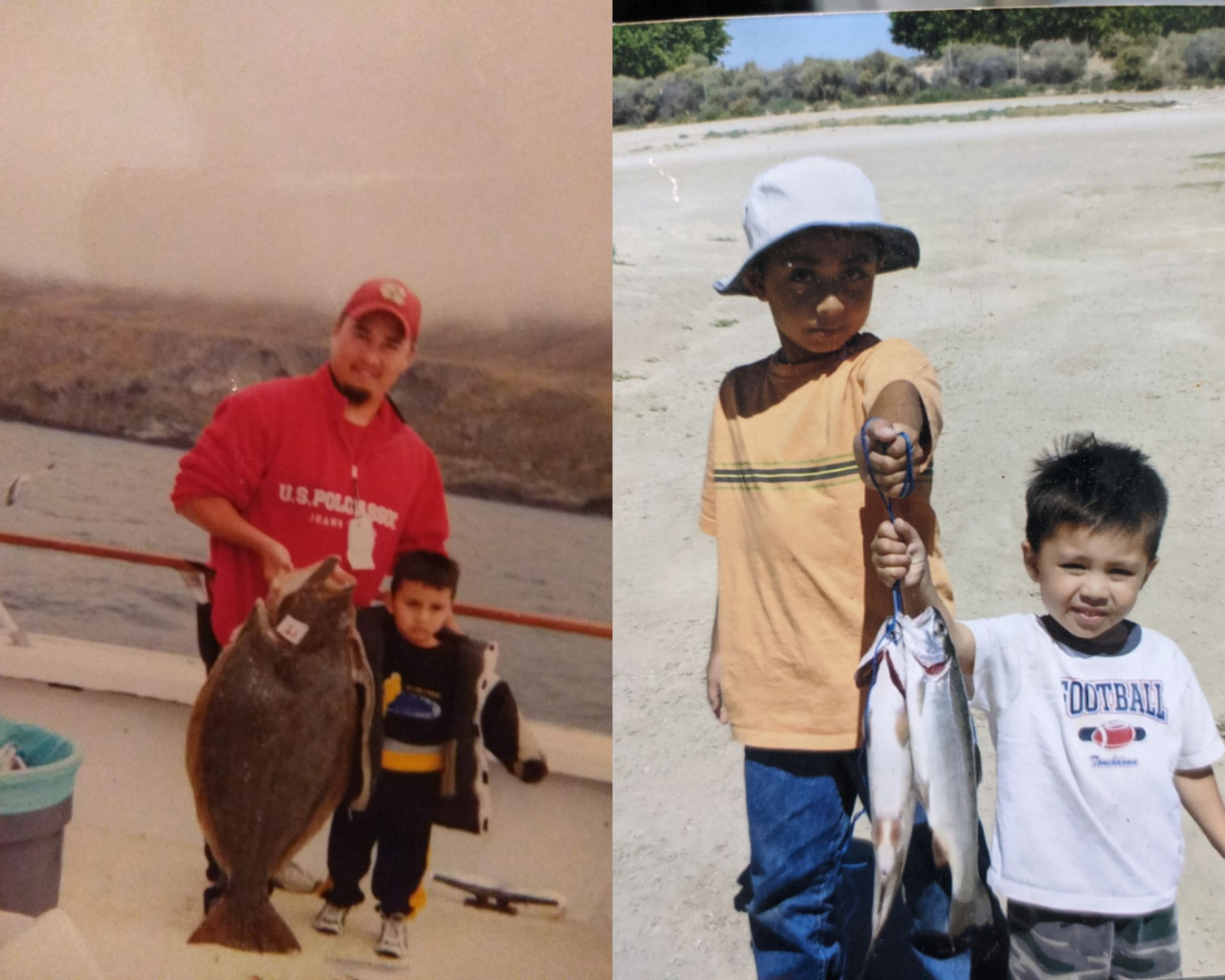
Adrian Loera spent his life through high school in the San Fernando Valley. He became obsessed with fish and fishing at a young age, going on weekend fishing trips with his dad. The oldest of four children, Adrian was the first in his family to attend college at UC Davis where he was able to turn his passion for fish into a degree in wildlife, fish, and conservation biology.
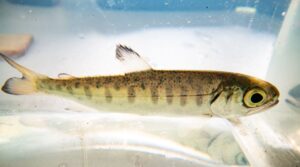
Today, he is pursuing his Master’s degree at UC Davis as a CalTrout UC Davis Graduate Fellow. Through the fellowship, he works closely with his primary advisor at UC Davis Dr. Rob Lusardi and CalTrout Central Valley Region staff Jacob Katz and Jacob Montgomery on CalTrout’s Fish Food Project. His research will help provide a better understanding of how salmon utilize localized high food abundance habitats around agricultural pumps in the Sacramento River during periods of managed floodplain drainage.
CalTrout’s Communications Team was lucky enough to spend some time talking with Adrian Loera about his Fellowship and the journey that led him to where he is today.
Thanks so much for taking the time to share with us, Adrian! What inspired you to pursue a career in fisheries?
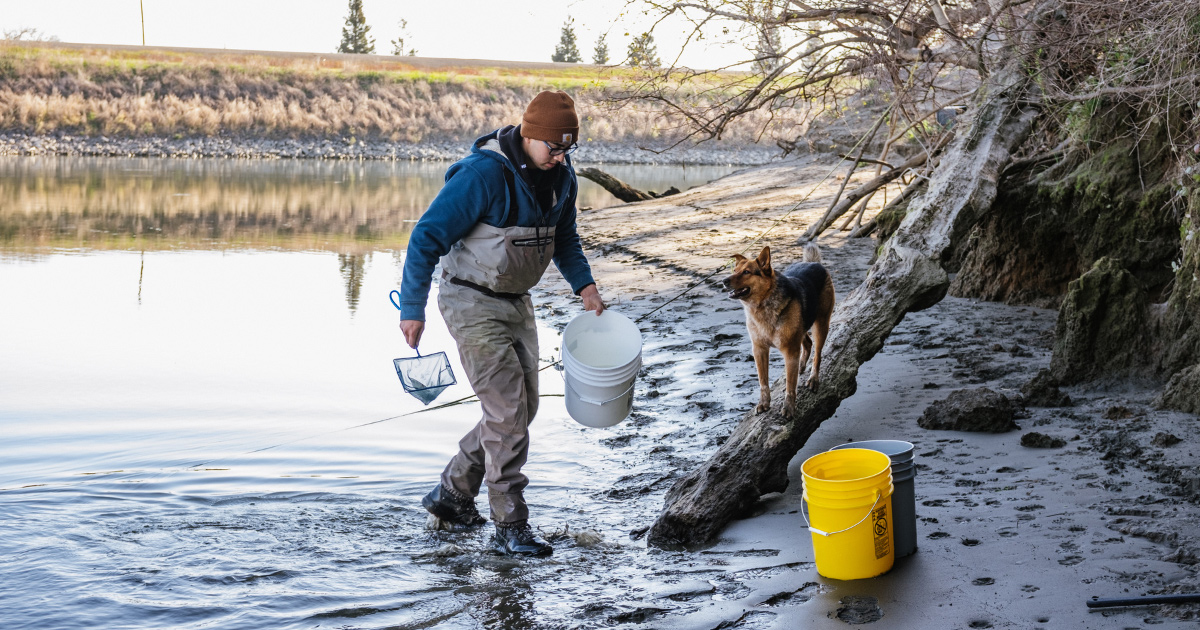
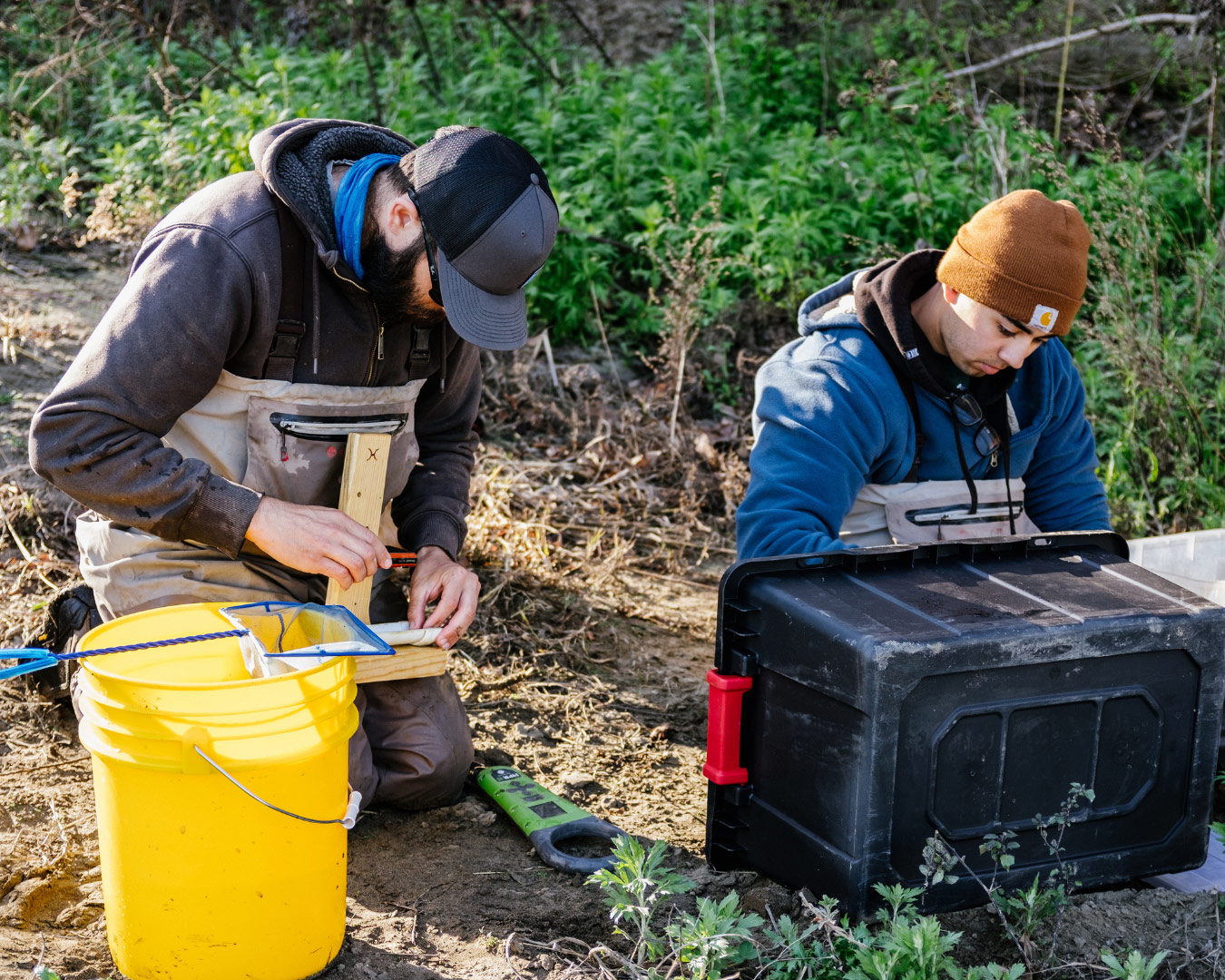
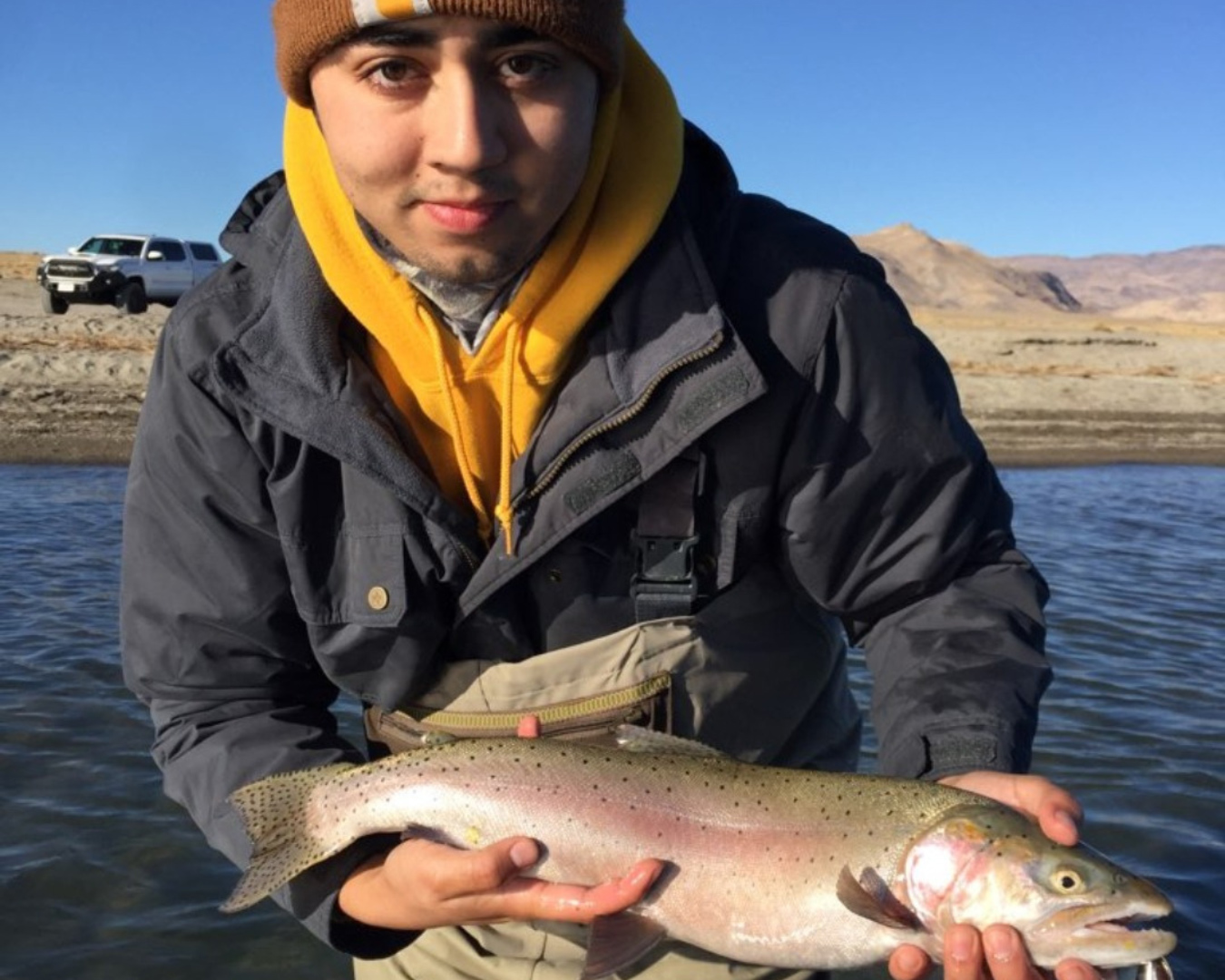
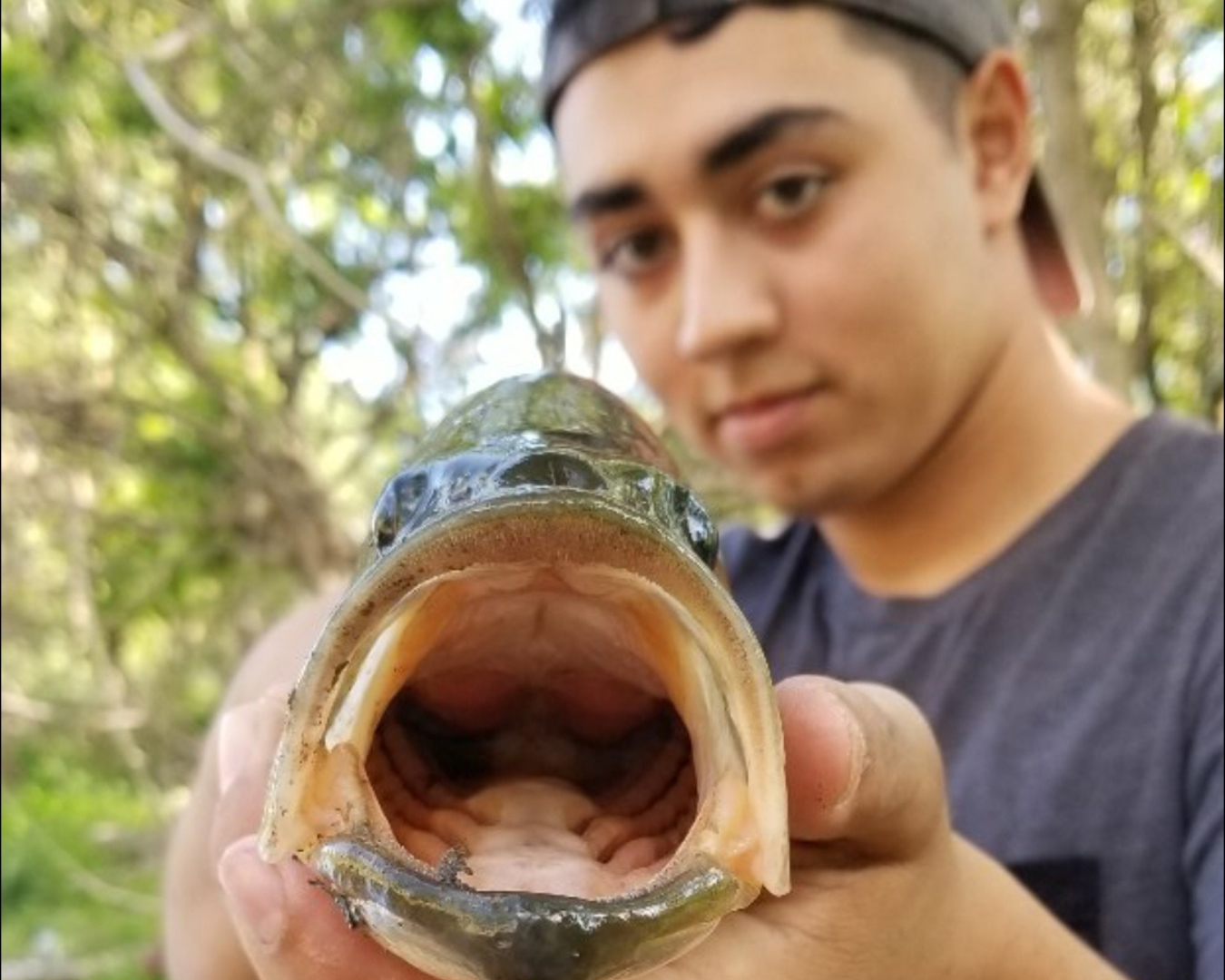
I’ve been an angler since I could walk. I fell in love with the beauty of our waterways and especially the challenge presented when trying to target a certain species while fishing. When I was younger, I didn’t know what exact job I wanted but I knew I wanted to work with fish. Eventually, I decided to pursue a career in fisheries which is pretty unheard of where I’m from. Most of my teachers in high school had no idea how to help me achieve this goal or even tried to talk me out of it. Once I began taking wildlife/ecology classes at UC Davis my passion for conservation was reignited. During one summer of my undergrad I got to attend summer school at the UC Davis Bodega Bay Marine lab where I got to design and run a project over the summer. This is what really sparked my interest in research. I graduated UC Davis as a wildlife, fish, and conservation biology major in 2020 then began as a floodplain technician working on CalTrout’s Fish Food project under CalTrout Senior Project Manager Jacob Montgomery. As a field technician I aided in collecting zooplankton and water quality samples from the Sacramento River, rice fields, and various other floodplains. I also helped conduct weekly measurements of caged juvenile chinook salmon to capture growth rates in conjunction with the Fish Food project. My work on the Fish Food project allowed me to gain a deeper understanding of and appreciation for the waterways and aquatic ecosystems in the surrounding area. Observations made out in the field inspired my curiosity for salmon. I was fascinated by all the different research happening and knew I wanted to be there one day running an experiment of my own.
Could you share a little about the research work you are doing with UC Davis and CalTrout?
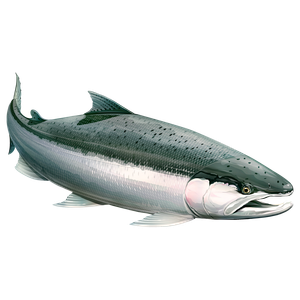
My current research [as a graduate student] focuses on utilizing acoustic telemetry to measure juvenile Chinook salmon use of agricultural water pumps in the Sacramento River. This project works in synchrony with the Fish Food project by allowing us to capture the presence of tagged salmon as they pass through a fish food subsidized stretch of the Sacramento River. To complete this we deployed multiple acoustic receivers upstream, downstream, and inside the subsidy zone in order to measure the amount of time spent in the Fish Food subsidy zone. This past field season was the pilot year for my project, and I am currently in the process of filtering all the data we collected (With lots of help from UC Davis). We plan to improve, deploy, and run this experiment again this winter.
How will this research be used and why is it important?
First, the data we collect will help us gain a greater understanding of how free-swimming fish may utilize these food subsidy zones in an otherwise food scarce river. We already have lots of data that show caged fish growth rates are improved when they consume food from these subsidy locations. But we have no data on how wild, free-swimming fish use these locations as they are migrating downstream. My hope is that if we find strong evidence of salmon usage of these Fish Food subsidy zones it could influence the management and release of salmon into the river and support the expansion of the Fish Food program. This work is important because it will provide a better understanding of how salmon utilize localized high food abundance habitats around agricultural pumps in the Sacramento River during periods of managed floodplain drainage. To me, this project is so important because conserving our fisheries has been my goal since I was young. I’ve been a lifelong angler and I want to help conserve our native fish populations and bodies of water so others can enjoy them as I have.
Do you have any advice for younger folks hoping to pursue a similar academic and/or career path?
Don’t get discouraged by others who might not think a job in fisheries is a “traditional” career path. I heard this all throughout high school from teachers, but I knew it’s what I wanted to study. If you’re passionate about it, then pursue it. Times might get tough but it’s ultimately that passion that will help you push through those situations to get where you want to be.