
Judge O’Neil Orders Increased Flows Down Trinity, Klamath Rivers To Protect Salmon
CalTrout members wondering if another massive fish kill is in store for the Klamath’s salmon can now breathe a little easier.
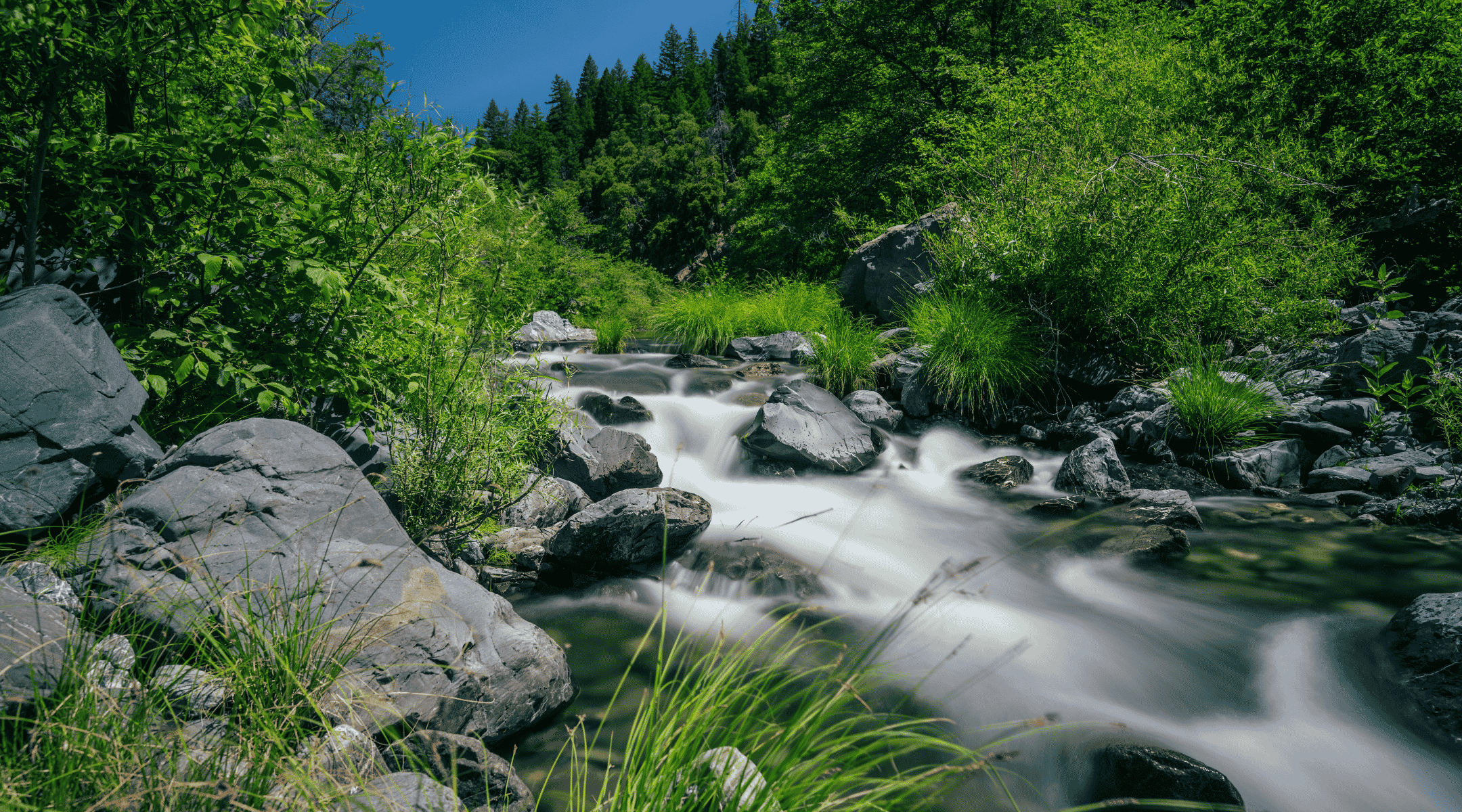
A Federal judge allowed a Bureau of Reclamation plan — which released extra water down the Trinity River (a Klamath Tributary) to prevent a salmon die-off like the one that occurred in 2002 — to proceed.
(From the Eureka Times Standard)
Trinity River water will be released to protect salmon after a federal judge lifted his order Thursday afternoon, finding the additional flows critical to preventing a repeat of the massive fish kill from 2002. ”Releases are designed to prevent a potentially serious fish die off from impacting salmon populations entering the Klamath River estuary,” Judge Lawrence O’Neill concluded. ”There is no dispute and the record clearly reflects that the 2002 fish kill had severe impacts on commercial fishing interests, tribal fishing rights and the ecology, and that another fish kill would likely have similar impacts.”
Trinity River water will be released to protect salmon after a federal judge lifted his order Thursday afternoon, finding the additional flows critical to preventing a repeat of the massive fish kill from 2002.
”Releases are designed to prevent a potentially serious fish die off from impacting salmon populations entering the Klamath River estuary,” Judge Lawrence O’Neill concluded.
”There is no dispute and the record clearly reflects that the 2002 fish kill had severe impacts on commercial fishing interests, tribal fishing rights and the ecology, and that another fish kill would likely have similar impacts.”
CalTrout had broadcast an alert about the situation on the Klamath (“A Federal Judge To Decide The Fate Of The Klamath’s Salmon“).
CalTrout Conservation Director Curtis Knight applauded the decision to release approximately 20,000 acre-feet of water down the Trinity, pointing out the best available science was used to arrive at the number — which was considerably lower than the 69,000-109,000 acre feet originally forecast.
“We use adaptive management techniques whenever possible to arrive at the best solutions for fish, habitat and those who have other uses for the water. It’s the same kind of adaptive management that would be brought to the Klamath by the Klamath Basin Agreements, where science would be used to manage flows, not rigid guidelines.”
Knight also said “This whole episode underscores the need for a basin-wide solution to the Klamath’s problems. We can’t keep lurching from crisis to crisis, especially considering the impacts these water issues have on the whole state. It’s dumb and it’s expensive. We can do better.”
The increased flows are designed to protect high numbers of salmon currently entering the lower Klamath River from the same conditions — warm water, disease and overcrowding — that led to the massive 2002 Klamath River fish kill.
The original Bureau of Reclamation plan was delayed by a lawsuit filed by the Westlands Water District and San Luis & Delta-Mendota Water Authority — water agencies located over 300 miles south of the Klamath River. They feared that water releases to protect salmon would deprive them of some of next year’s water allocation.
And while the outcome is welcome, not everyone was pleased by the delay. In a statement, Congressman Jared Huffman (D-San Rafael) said he was happy the water was released, but was concerned it might still come too late:
“The legal squabbling over water that does not even belong to Central Valley irrigators forced a delay that could prove deadly to salmon migrating into the Klamath,” Huffman said. “I encourage the U.S. Bureau of Reclamation to move swiftly in implementing its planned releases.”
“The legal squabbling over water that does not even belong to Central Valley irrigators forced a delay that could prove deadly to salmon migrating into the Klamath,” Huffman said. “I encourage the U.S. Bureau of Reclamation to move swiftly in implementing its planned releases.”
For more details about the story, we recommend the Eureka Times-Standard story by Catherine Wong and the Earthjustice website