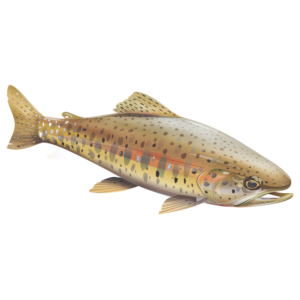
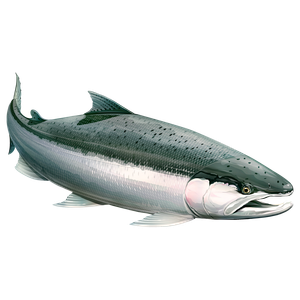
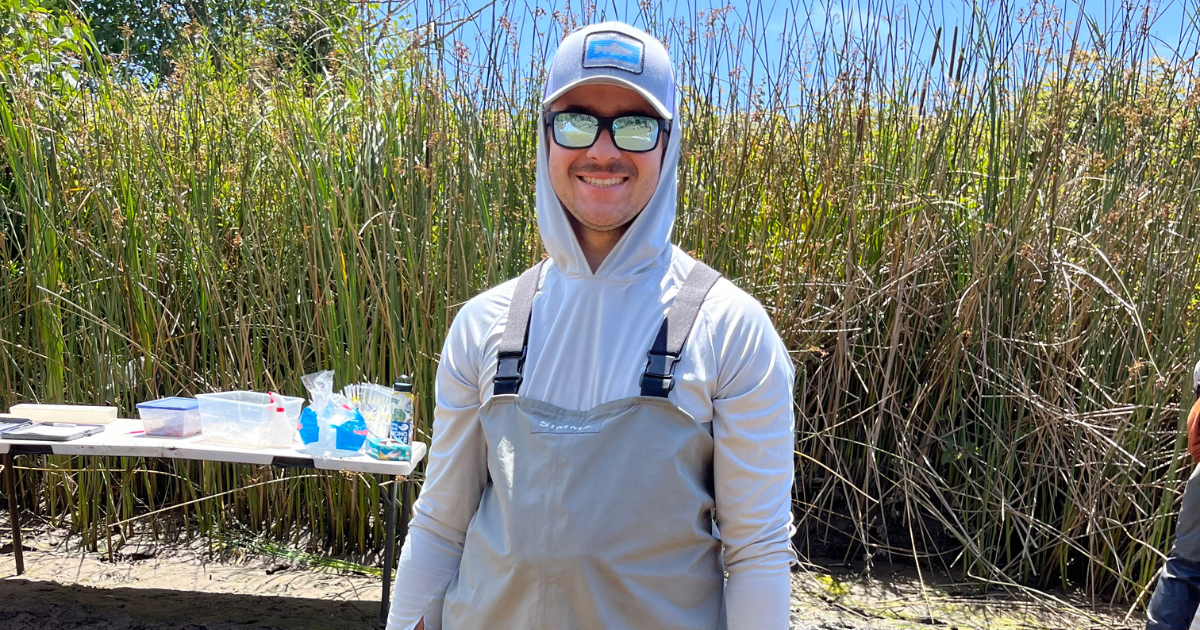

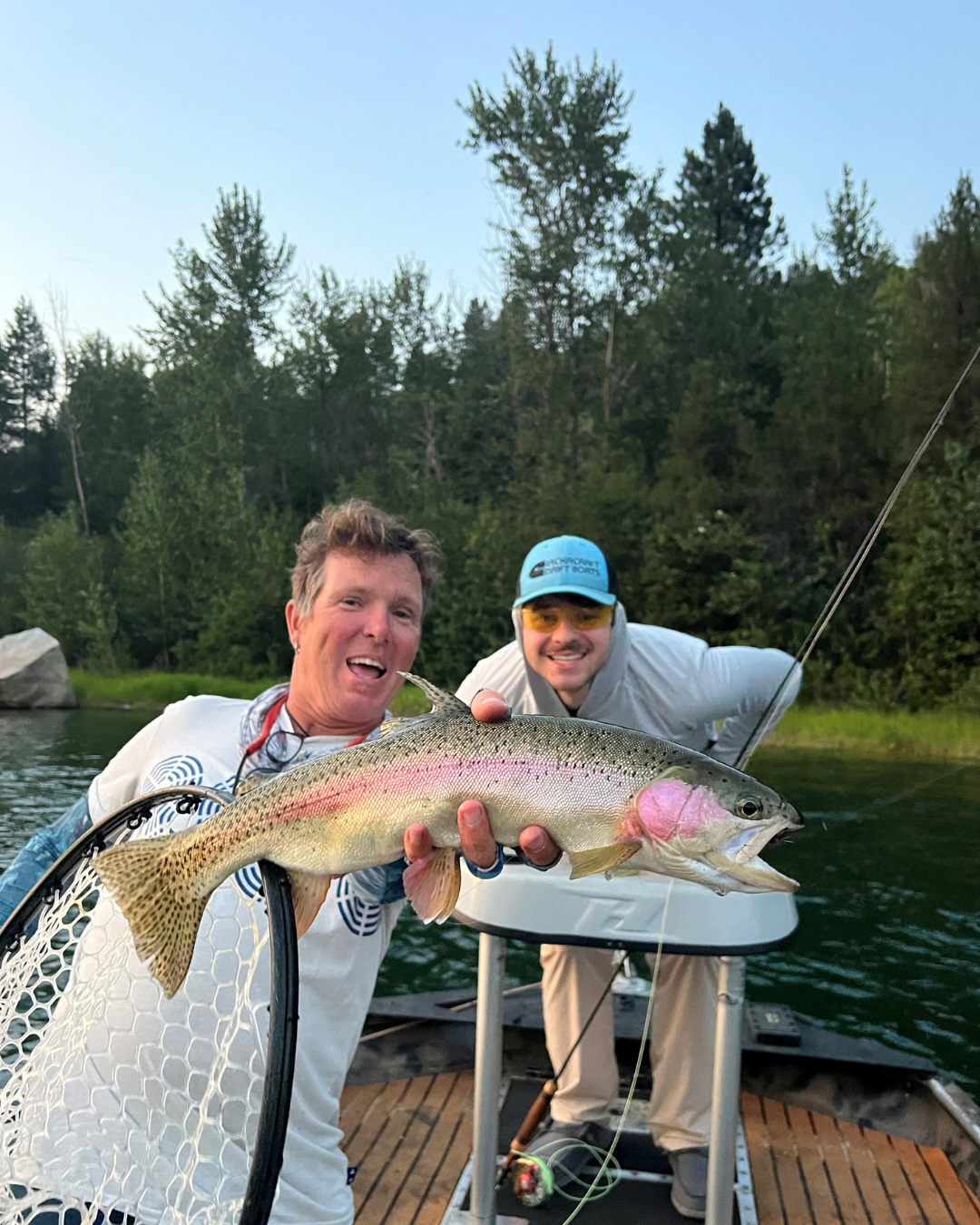
This summer, I transformed my lifelong passion for fish into action, interning with CalTrout to protect freshwater ecosystems across my childhood home in the Bay Area and my current stomping grounds in the Pacific Northwest. Fly fishing is one of my greatest joys and has been since I was young. My grandpa loved catching fish more than anyone I’ve known — so much so that even when my dad and I got tossed off a boat while floating through rapids, he was only focused on landing the fish that he had hooked. The more time I spend on the water, the more I fall in love with the places fishing takes me, and the fish themselves, particularly salmon, steelhead, and trout. These passions led me to pursue an undergraduate degree in environmental sciences with a focus on aquatic biology at Oregon State University, where I’m currently entering my senior year.
My interest in fish developed as I learned more about Pacific salmon, the hardships that they continue to endure, and their significance to communities across the West Coast. At Oregon State, this interest manifested in a socio-cultural analysis on the removal of the Elwha Dam in Washington. In this case study, I provided a history of the river, exploring the multitude of community perspectives of members affected by the natural resources that the river provides, with a focus on salmon and dam removal. Naturally, I wanted to spend this last summer back in the Bay Area learning more about California salmon and trout species. My family, long-time CalTrout supporters, recommended I explore internship opportunities here. The work, values, and goals of the organization felt like the perfect fit, and the rest is history.
Diving into the Data: My Role as a CalTrout Bay Area Intern
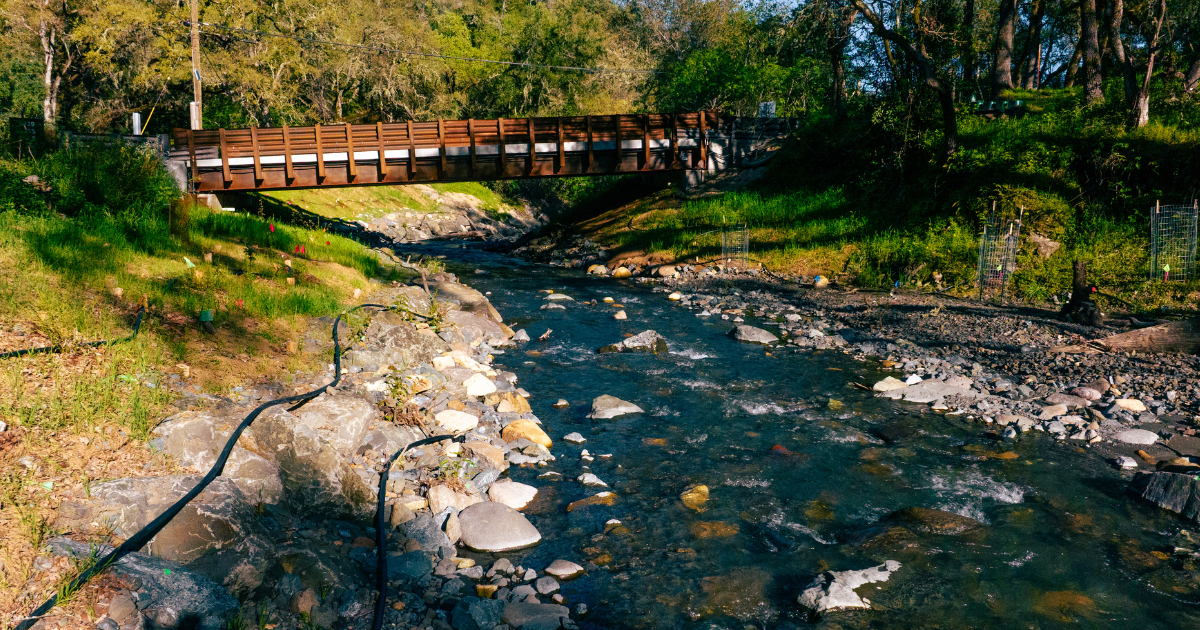
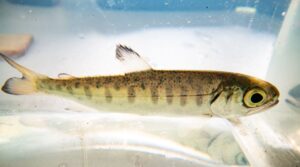
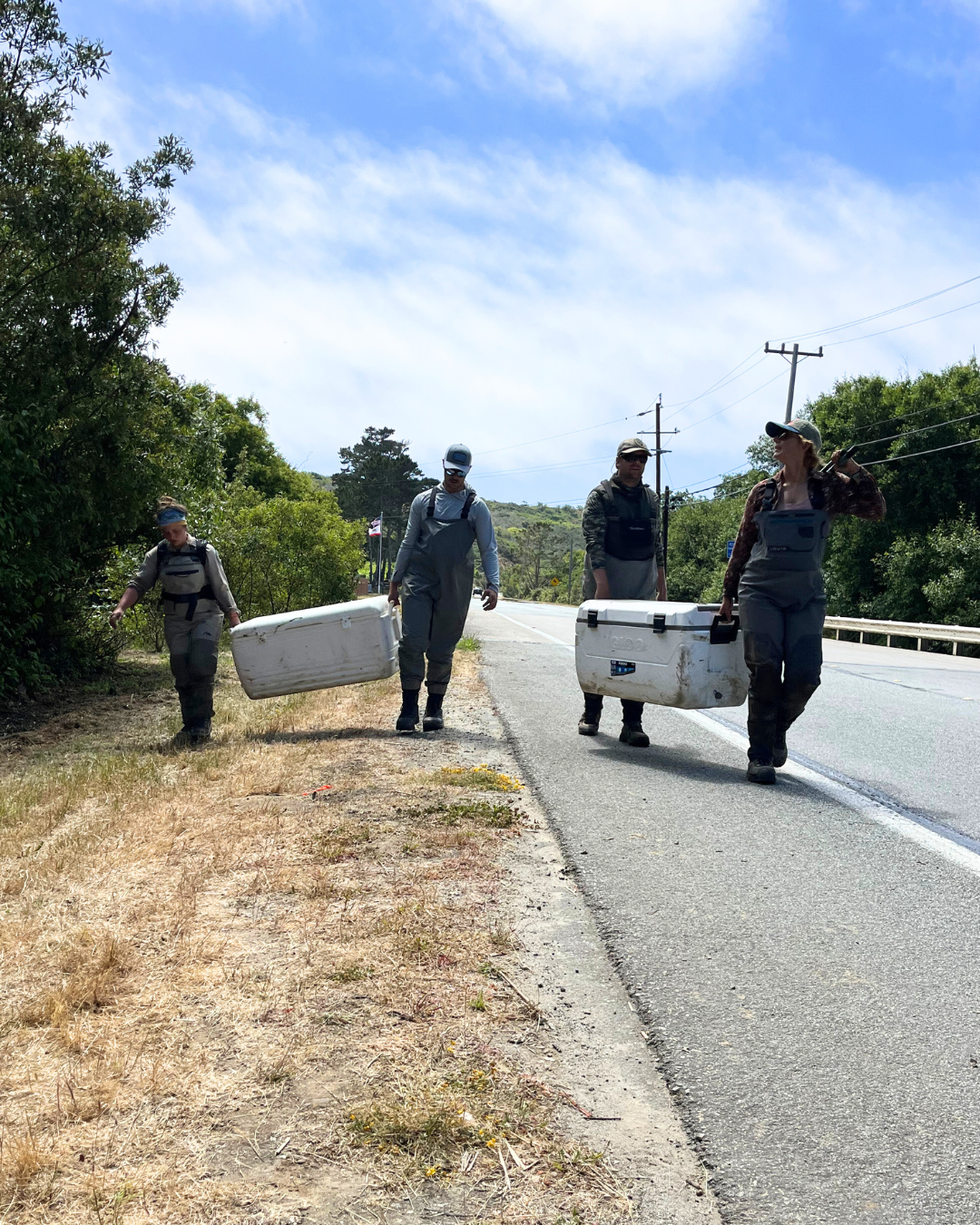
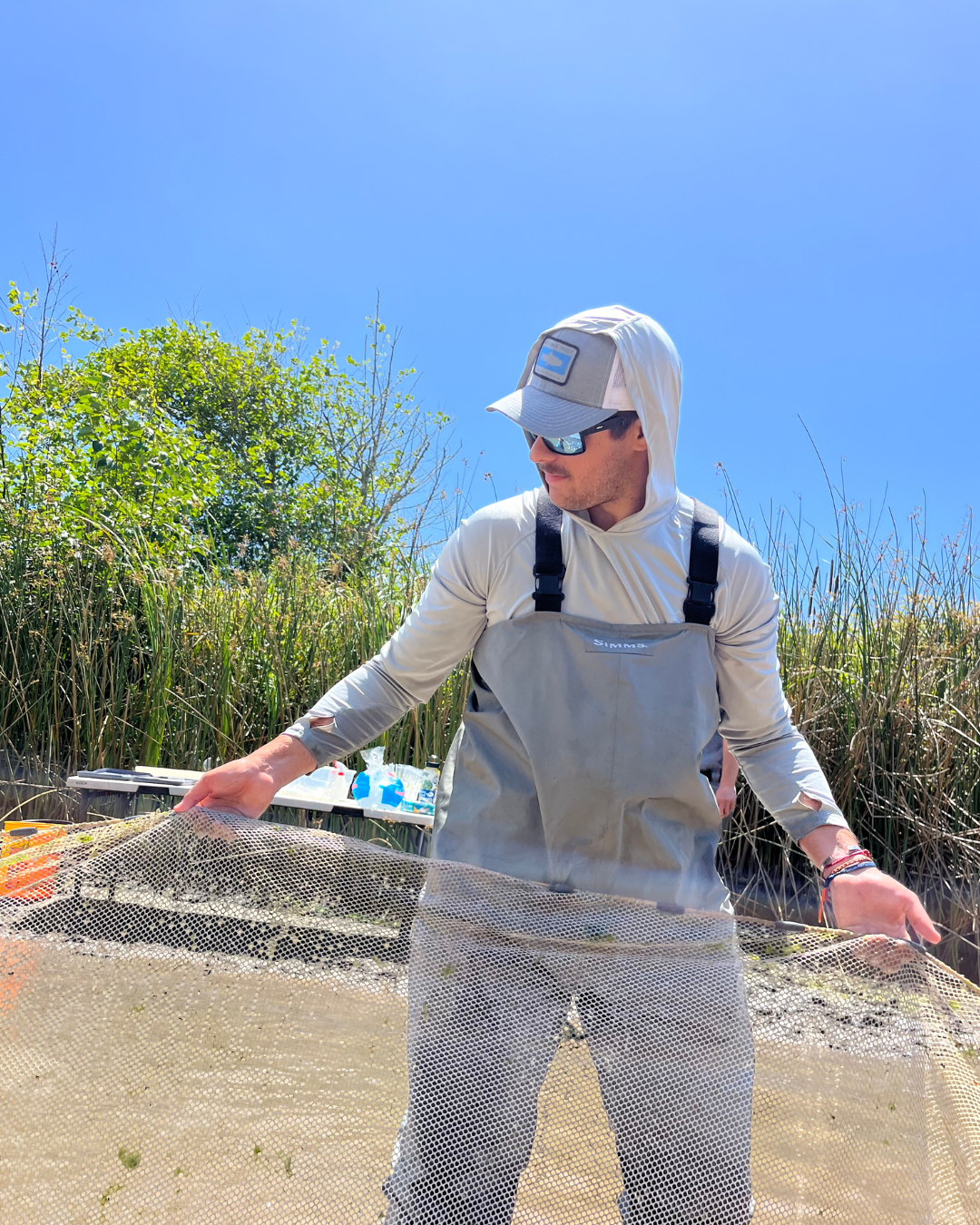
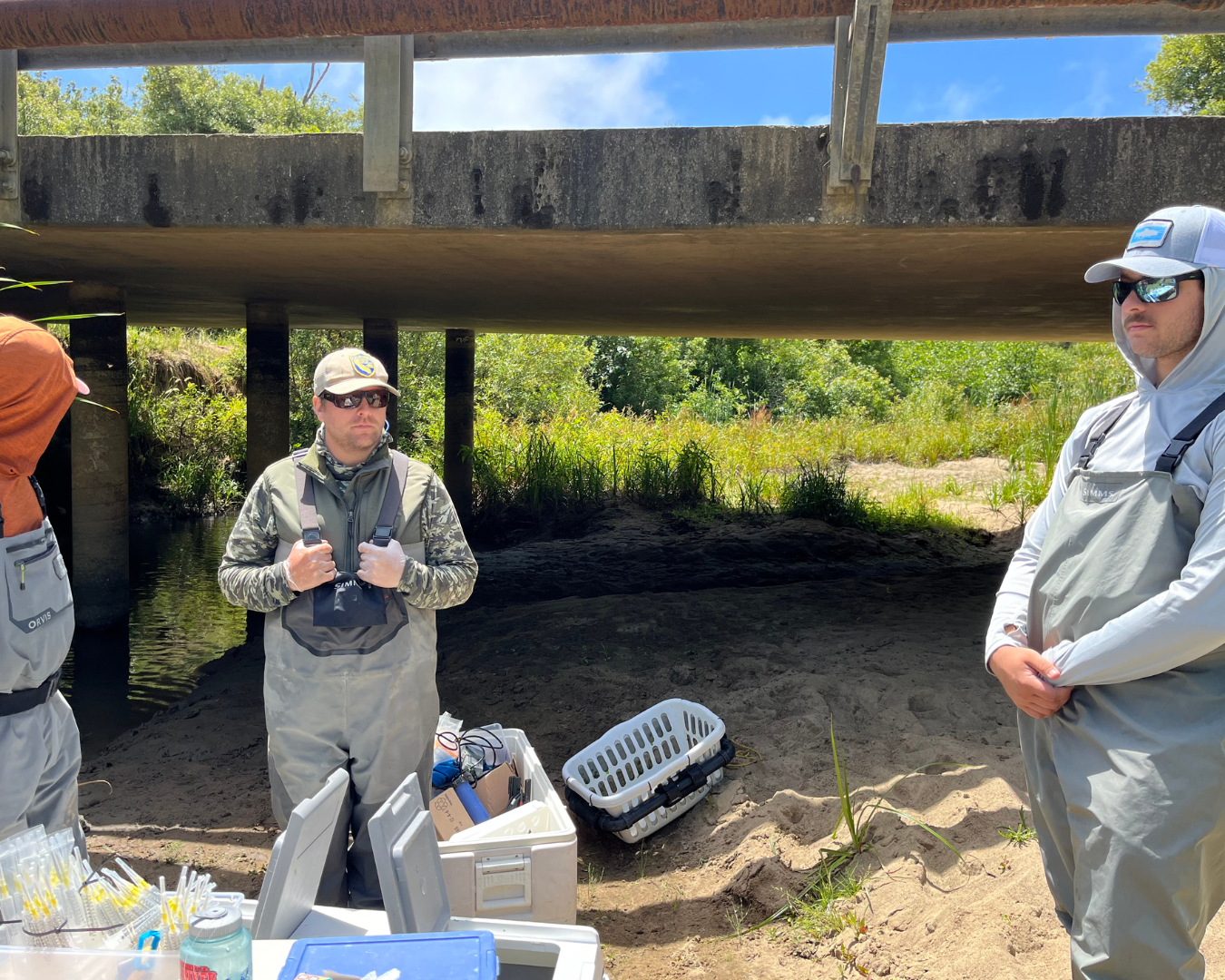
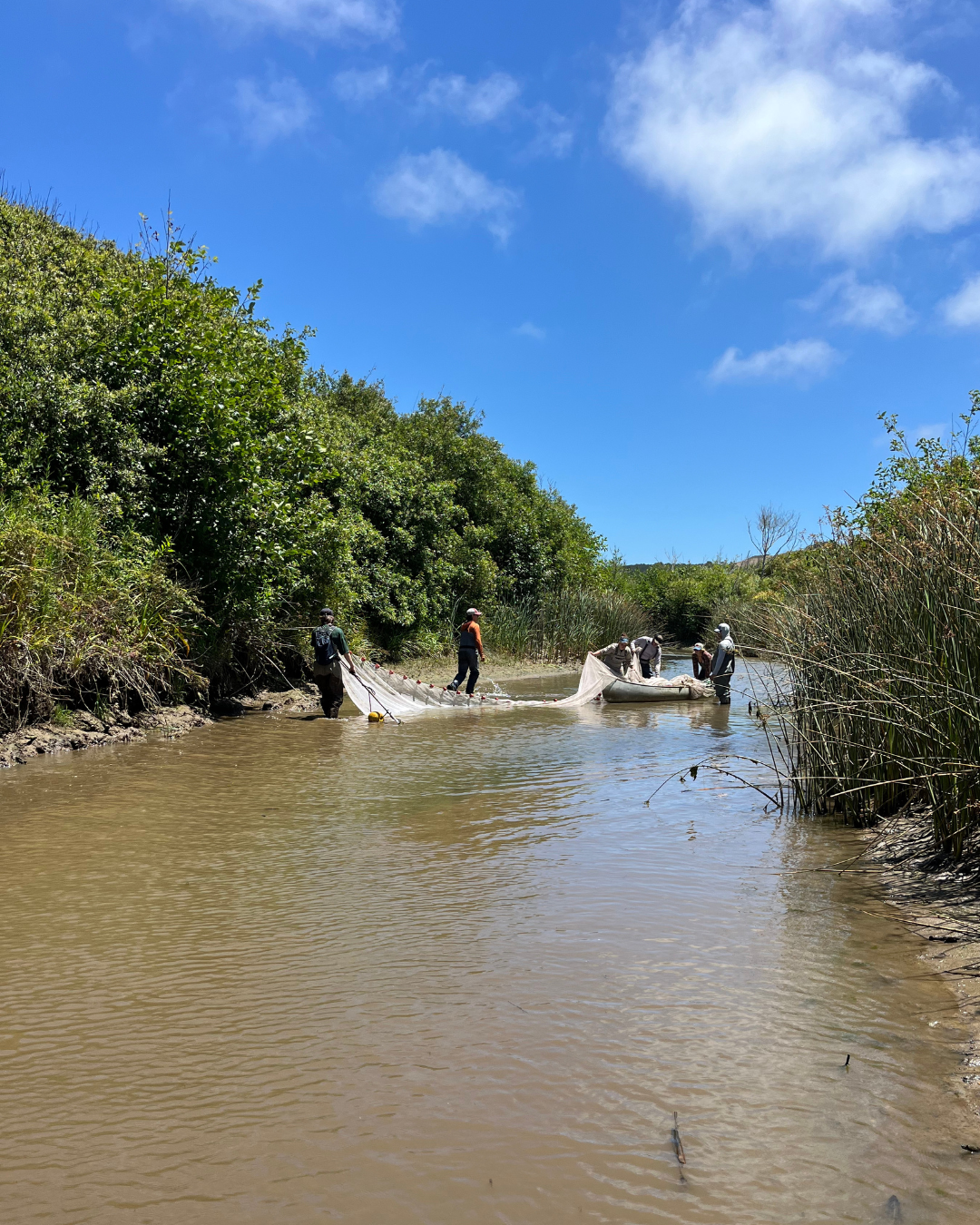
As the CalTrout Bay Area Data Analyst Intern this summer, I was able to apply my technical skills as a math minor in college to help restore declining fish populations in two places that shaped me – the Bay Area and the Pacific Northwest. My work was generally centered around deciphering patterns in Passive Integrated Transponders (PIT) tag detection data. These tags are embedded in fish so that we can better monitor and understand their movements. Specifically, I organized and analyzed data across different water years to identify migration trends in coho salmon and coastal steelhead populations in the Bay Area. Occasionally, I also escaped the spreadsheets and joined our partners and community scientists in the lower reaches of Butano Creek to sample steelhead by taking part in seine surveys. We captured, measured, PIT-tagged, and released juvenile steelhead to help agencies monitor population trends in the Pescadero watershed. Separately, I visited multiple PIT antenna sites in Pescadero, Butano, and other creeks. These antenna sites record when a tagged fish passes over, helping us track their movements as they move up from the marsh along their upstream spawning and rearing migrations. These experiences were key to bringing the data analysis to life.
Most of my research this summer centered around answering the question: “What environmental variables influence fish observations in monitored streams?” The three main variables of focus were photoperiod (day length), moon phase, and stream flow rate – each of which is proven to influence salmonid migrations in some way. Previous research has demonstrated connections between these variables and fish migration including:
- Photoperiod: Increasing photoperiod has been linked to smolting in juvenile salmonids, which is the process of juvenile fish migrating downstream to change their bodies so they can tolerate brackish and salt water.
- Moon phase: Salmonids will often migrate within the first week or two after a new moon at night. The reduced moonlight helps hide them from predators.
- Stream flow rate: Flow variations can make passage through certain parts of rivers and streams impossible.
To help answer this question and deepen the body of research on this topic, I analyzed both smolt trap (traps set up to capture out-migrating juvenile coho salmon) and PIT tag antenna detection data from Walker Creek in Marin County. They spanned across multiple water years to determine if the environmental variables (photoperiod, moon phase, and water flow) are predictors of coho salmon migratory patterns. The trap and PIT detection data were analyzed separately from each other. Within both groups, each individual water year was analyzed as well as compiled data from across all available water years. In the computer program RStudio, I primarily used simple- and multiple-regression methods (linear and polynomial-linear) to model the data and determine any significant trends. To analyze data that could not be analyzed using standard regression methods, a Zero-Inflated Model was used to account for excess zero values in count data points.
Key Findings: Photoperiod as a Predictor of Fish Migration Patterns
Findings from both the smolt trap and PIT tag detection reveals that photoperiod was a significant predictor of the number of fish trapped and the number of detections (p < 0.01). For juveniles, the number of detections and number of fish observed in the trap peaked between 13.25 and 14.25 hours of daylight. For adults, PIT detections peaked between 9.5 and 10.5 hours of daylight. I then used the data to create a model that can estimate the number of fish that will Understanding the timings of these migrations and being able to predict when they might peak can help inform management decisions regarding the watersheds. The other variables – fraction of moon illumination and flow rate – were not statistically significant. Data from Pescadero and Butano creeks reveal a similar trend. In the future, I’d be interested in conducting additional research to better understand the link between the statistically insignificant variables and fish migration patterns.
Overall, my analysis supports existing research that shows photoperiod can be used to help predict the migration patterns of multiple salmonid species. However, there are other variables that influence timing, which might reveal an even better indicator of migration patterns. As such, photoperiod is proven to be a useful predictor, but additional monitoring work would be beneficial to deepen our understand of fish movement and migration.
Why This Matters
Many anadromous salmonid species throughout California are either currently endangered or threatened. As such, it is necessary for fish biologists to better understand the rhyme and reason of migration patterns to aid in conservation efforts and inform policy and legislation. For example, if we know when migrations are happening in a certain river, we can make data-driven decisions around the best time to close a river to fishing. Additionally, each fish population is vastly different and effective conservation efforts rely on a deep understanding of the movement and life histories of each species. Thus, monitoring work is essential to save these fish from extirpation and extinction and restoring their runs to what they used to be.
What’s Next: From Passion to Purpose
In my time at CalTrout, I have learned many things about fish, water, and people. Whether it is the migratory patterns of California coho and steelhead, how fires influence the ecological processes of rivers, or that Mary Burke, CalTrout North Coast Regional Manager, recently became a member of the Ultimate Frisbee Hall of Fame, my time here has taught me so much. If there is one thing that I took away from this internship, it’s that we need to do everything in our power to save salmon, steelhead, and trout and preserve them for generations to come. They are critical to the health of our ecosystems and communities, and essential to nature’s delicate balance.
This year I’ll be finishing my degree at Oregon State while continuing to learn more about freshwater. Once I graduate, I hope to continue on the path of fish and freshwater conservation, trusting that this stream of life will lead me where I’m meant to go. Like the fish, I’ll probably need a little help along the way. They are critical to the health of our ecosystems and communities, and essential to nature’s delicate balance.