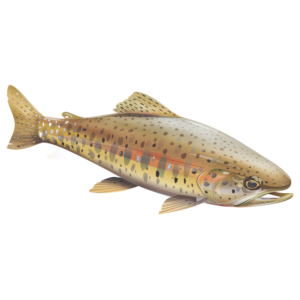
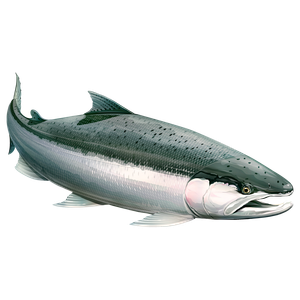
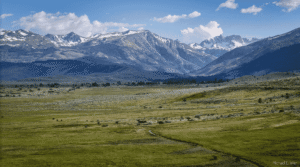
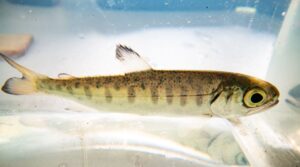
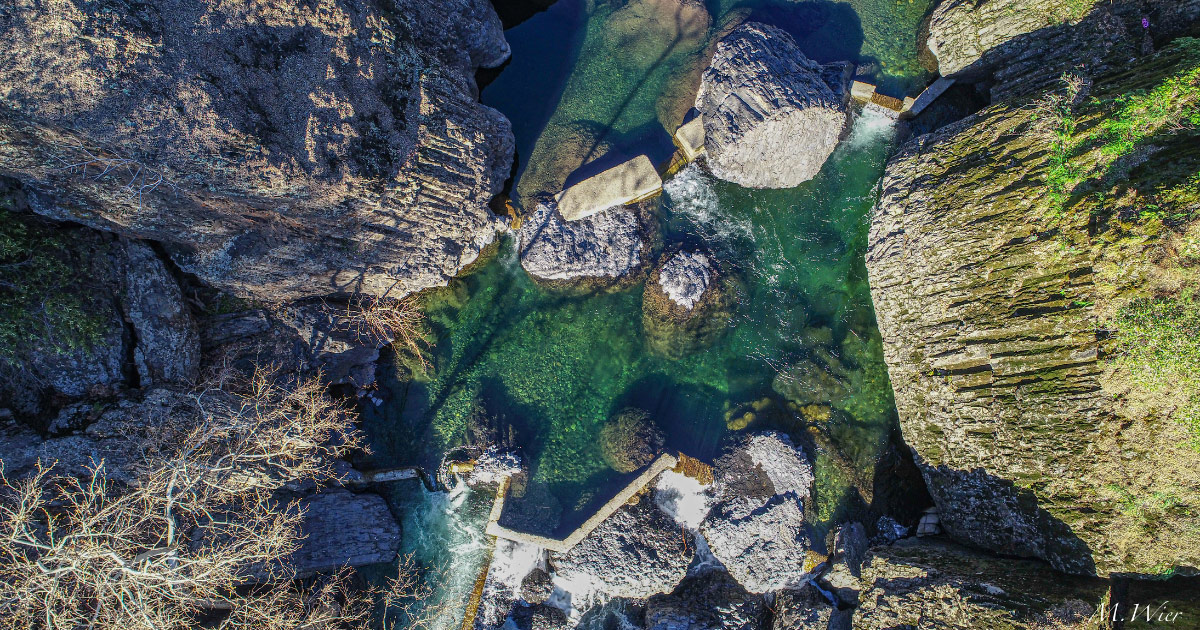
By 2027, threatened steelhead and spring-run Chinook salmon will have restored access to the entirety of their historical distribution in Ótakim Séwi, or Big Chico Creek. Currently, these fish can only swim as far upstream as Iron Canyon in Upper Bidwell Park. A fish passage barrier prevents them from reaching the high-quality cold-water habitat that awaits them on the other side. The Iron Canyon Fish Passage Project will create a path for anadromous and other migratory native fish to travel upstream of Iron Canyon to Big Chico Creek Ecological Reserve and beyond, into these critical cold-water habitats.
Why is cold-water habitat so important for salmon and steelhead?
Just like humans, fish have an optimal temperature zone. For salmon and steelhead, anything above around 70°F is too warm for comfort. Additionally, warmer waters tend to have less oxygen and when there is less oxygen in the water fish have to work harder to breathe. Adult salmon and steelhead do not feed once they have left the ocean for freshwater ecosystems, relying on their energy reserves from life at sea, but migration up a river or stream already takes a lot of energy! The added stress of expending more energy in warmer, lower oxygen environments can be detrimental to their health – and at times fatal. As climate change continues to elevate temperatures both in and out of the water, fish will increasingly be searching for cold water during their freshwater migration phase. If we can provide more opportunities for fish to find cold-water habitat, we can give these already imperiled species a chance at completing their lifecycle and surviving in a warmer world. Unlocking cold-water habitat above Iron Canyon is one such opportunity – and one that has been identified by agencies as critical for preventing extinction of Central Valley spring-run Chinook salmon. Without this project, there will never be a recurring run of salmon in Big Chico Creek again.
What will this restoration project actually entail?
In April 2023, the design phase of the Iron Canyon Fish Passage Project began. This project will use a design-build approach, meaning the engineers, environmental consultants, and construction managers will work together from project inception. Many restoration projects focus on the design of the project before then shifting to focus on the permitting and “build” aspect of the project, meaning that the processes are sequential and individuals involved in each process are disjointed from each other. A design-build approach allows for seamless transitions throughout project phases, getting restoration done more efficiently and effectively. Preliminary design for this project will be completed in spring 2024 with environmental permitting beginning shortly afterwards.
The purpose of the Iron Canyon Fish Passage Project is to alleviate a fish passage barrier created by large boulders and a high vertical drop to allow two federally listed salmonid species (spring-run Chinook salmon and steelhead trout) and other native fish species access to high-quality habitat upstream. In place of the current barrier, the project will create a nature-like fishway – a fish ladder made of boulders! This will be accomplished by modifying the current existing configuration of boulders in the creek to create a series of “steps” and resting pools that fish can navigate through. With the resting pools, fish will even be able to take a break halfway through if they need! In addition, dilapidated concrete and rebar fish ladder weirs that were constructed in 1956 but no longer serve a purpose will be removed from the creek, resulting in a natural stream channel.
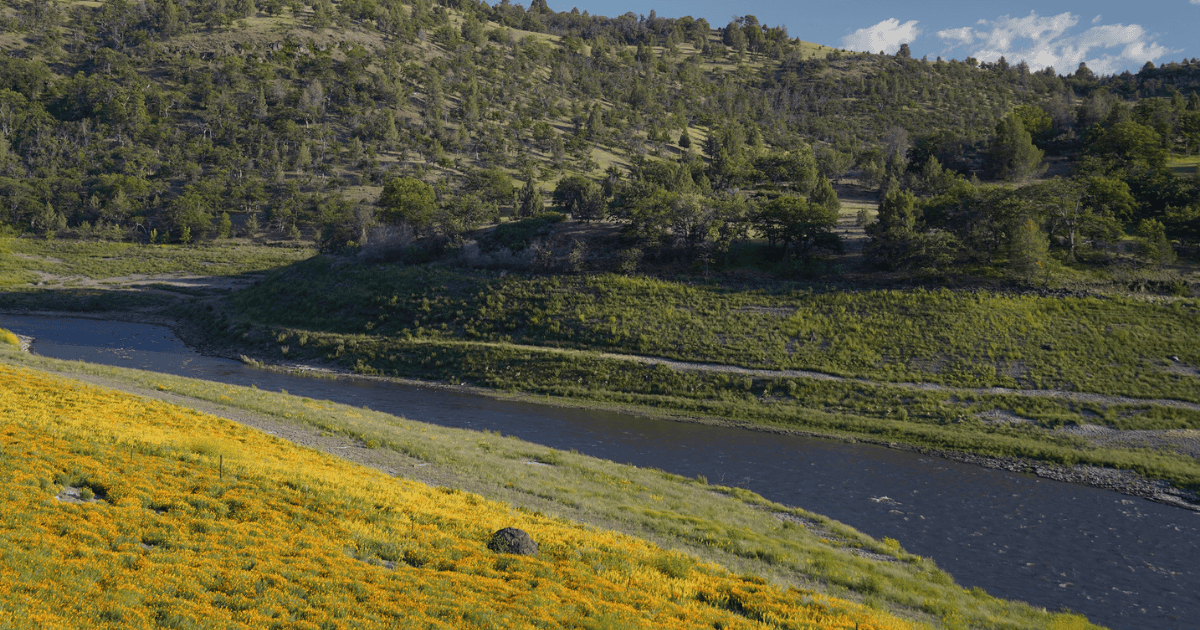
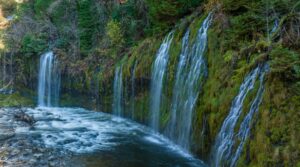
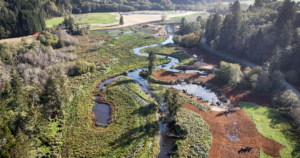
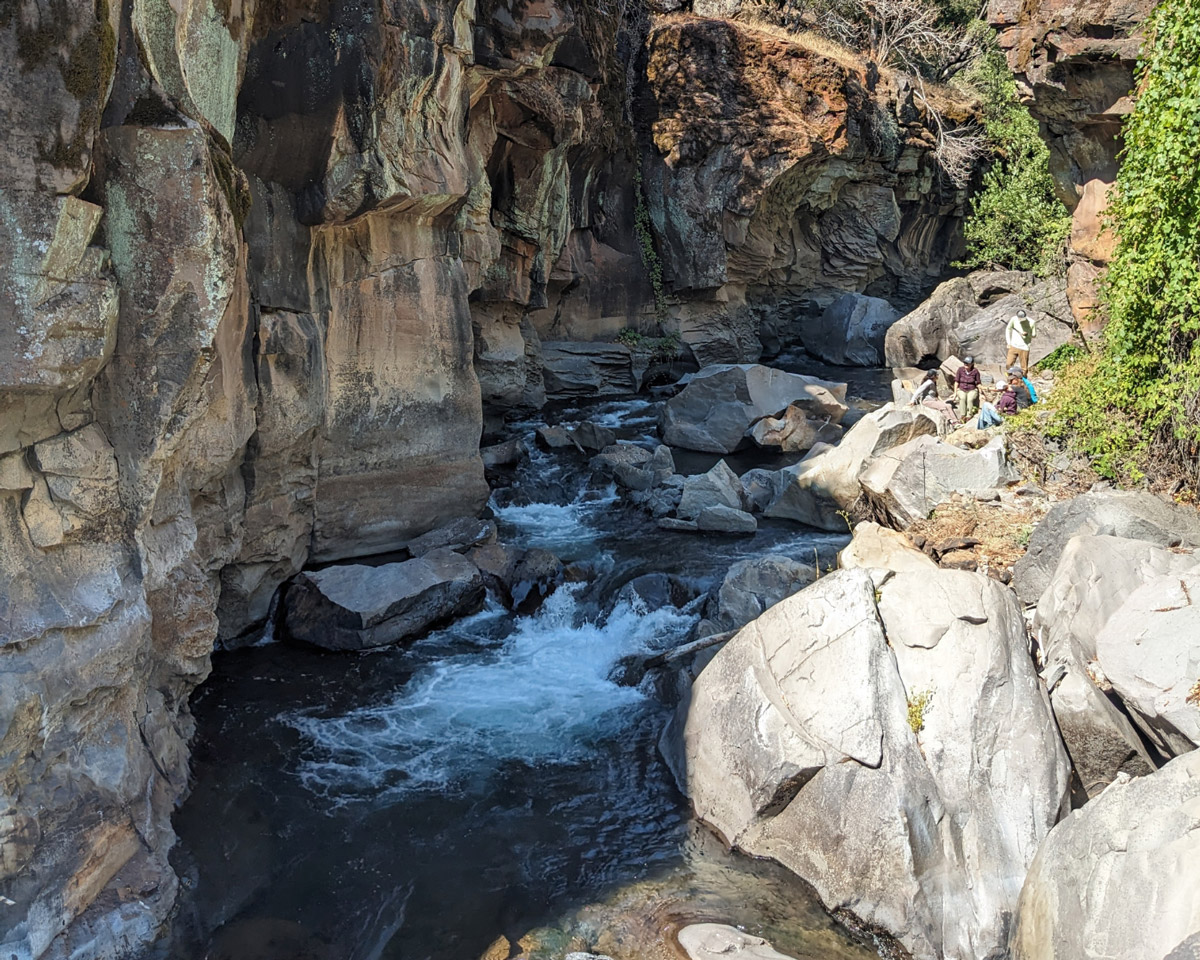
A similar fish passage project was led by CalTrout and completed in 2021 in the neighboring Battle Creek watershed at Eagle Canyon, providing a successful model for this project. The photo below shows Battle Creek post-restoration.
More questions about the project?
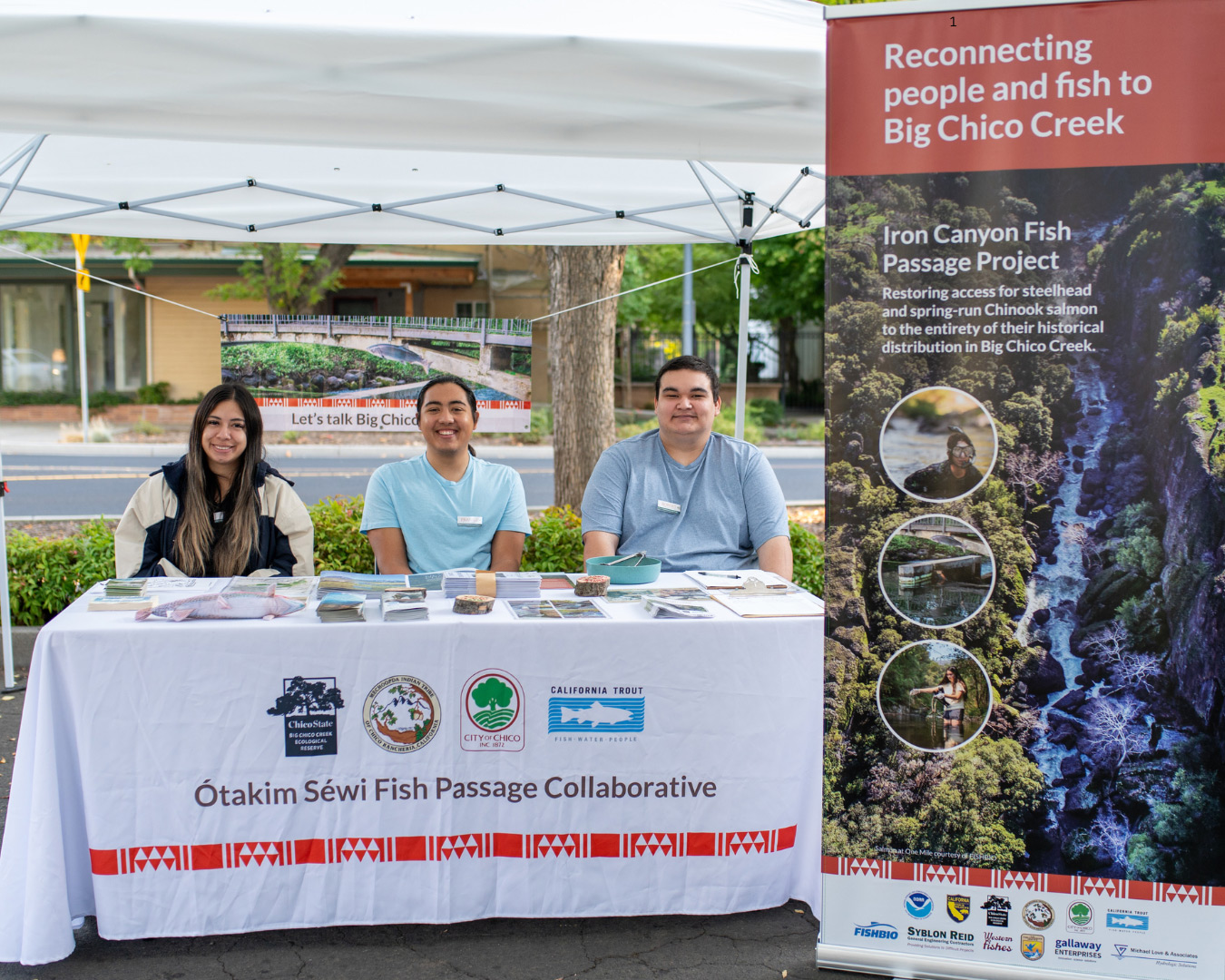
The Ótakim Séwi Fish Passage Collaborative consisting of CalTrout, the Mechoopda Indian Tribe, Big Chico Creek Ecological Reserve, and the City of Chico is offering outreach opportunities for the Chico community (and any other interested persons!) to learn about the restoration project and its many benefits throughout the end of this year and next year! This December, the outreach team will be in Upper Bidwell Park to answer any of your questions. You also may find us at farmer’s markets and other local events throughout 2024. In spring 2024, the team will host a community information session (date and location TBD). We are also starting a Big Chico Creek Fish Passage Newsletter for anyone interested in receiving more information about the project!
*This project is funded by NOAA Restoration Center’s Community-based Restoration Program.