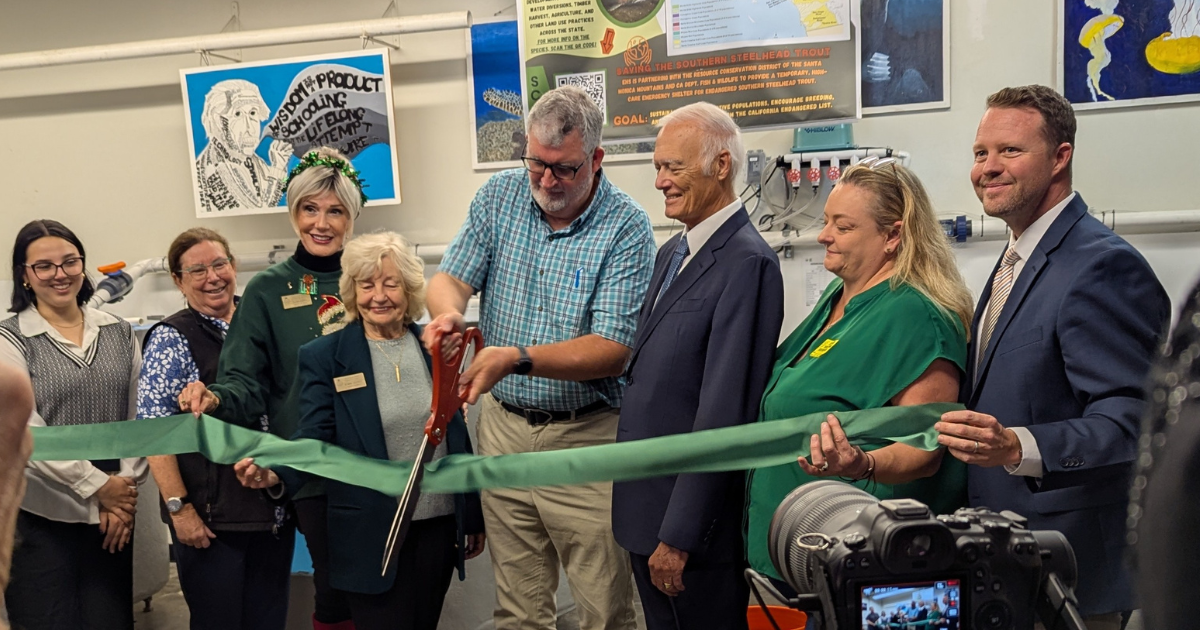
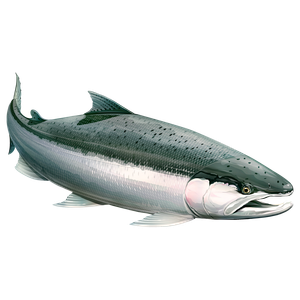
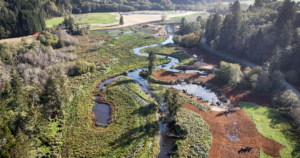
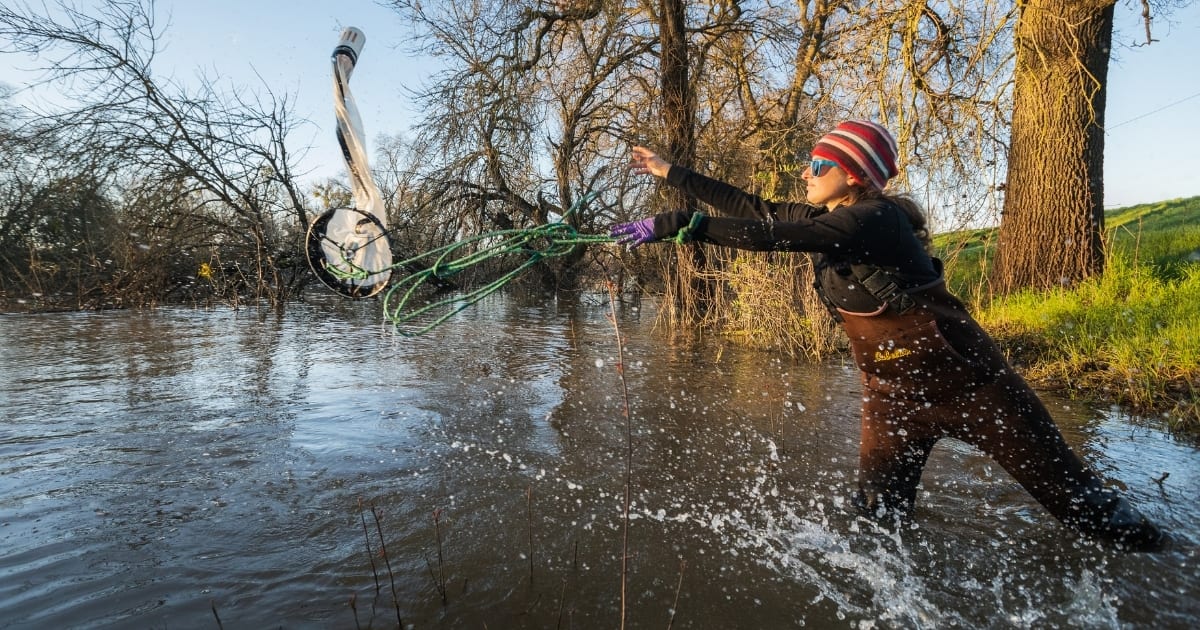
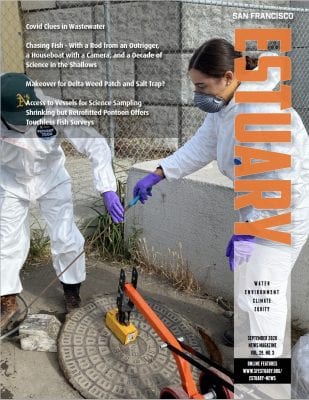
Our Nigiri Project was recently featured in the latest edition of Estuary News Magazine. Now in its eighth year, this managed floodplain project continues to expand with more than 10,000 acres planned in the Yolo and Sutter Bypasses. Working partnership with DWR, CDFW, landowners, and the UC Davis Center for Watershed Sciences among many others, the science-based program has demonstrated the productivity created by shallow inundation of floodplains on dormant rice-fields is critical to supporting the food webs on which self-sustaining populations of fish, particularly endangered winter-run Chinook salmon, and wildlife in the Central Valley depend on.
Below is excerpted from Estuary News
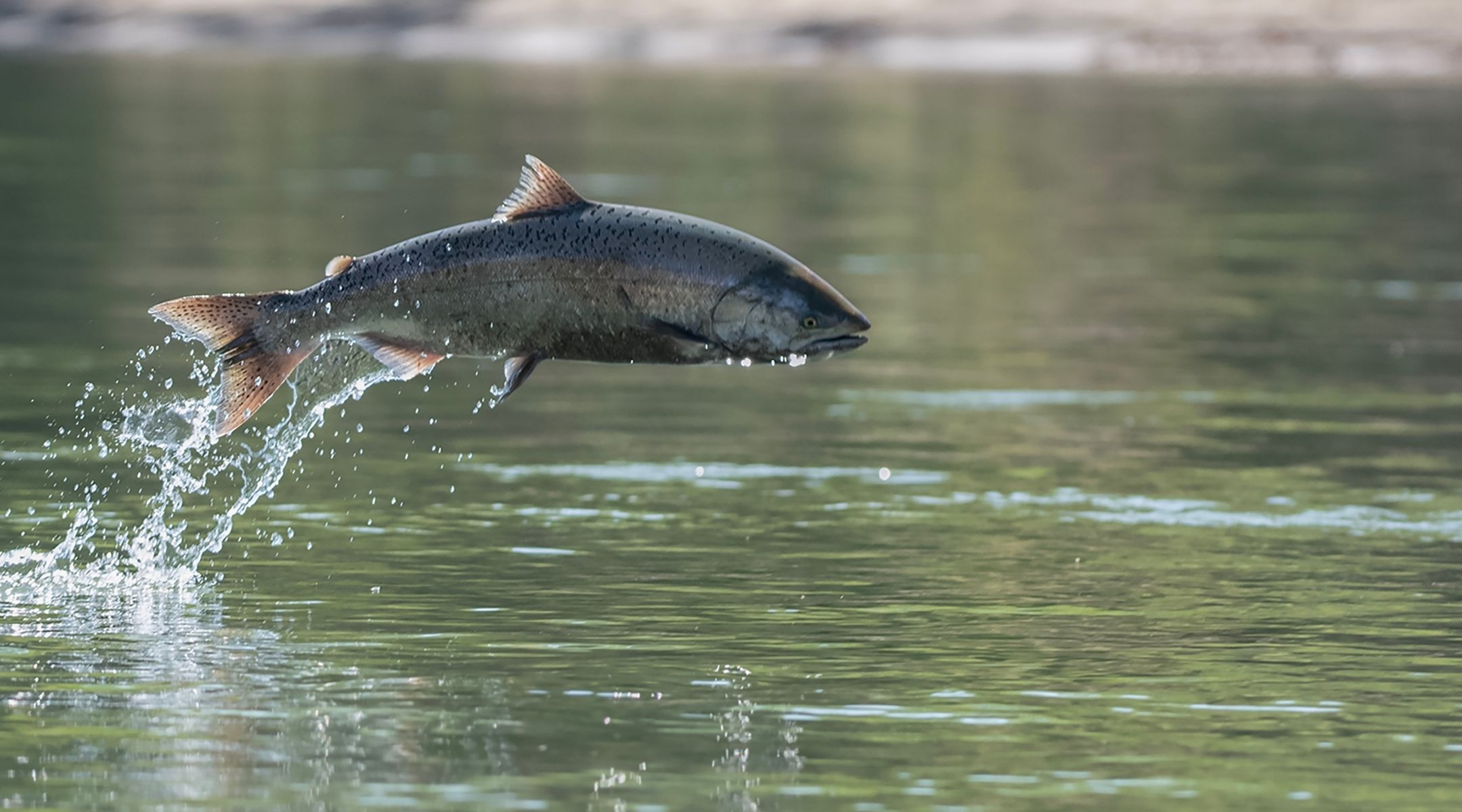
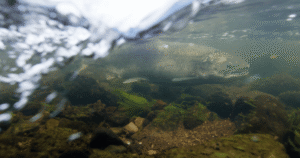
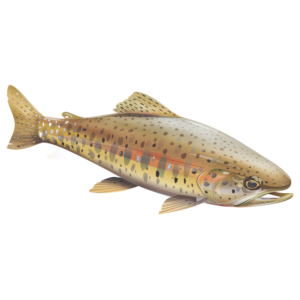
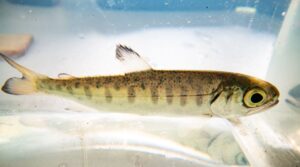
In 2012 a team of salmon researchers tried a wild idea: putting pinky-sized Chinook on a rice field in the Yolo Bypass, a vast engineered floodplain designed to protect the city of Sacramento from inundation. The team found that rearing fish on farms works better than they had ever dreamed. Salmon in this managed floodplain grew so fast — averaging more than one millimeter per day — that they outpaced young Chinook elsewhere in the region. Now, after nearly a decade of testing fish in fields, a new paper in San Francisco Estuary and Watershed Science outlines lessons learned as well as next steps in managing floodplains for salmon.
Young salmon flourish in winter-flooded rice fields because these managed floodplains are spectacularly rich in tiny crustaceans, informally called “bugs,” that make terrific food for little fish. “This is one of the key cool findings,” Sommer says. The team learned that building up this abundance of food takes about three weeks. “It’s not enough to get the floodplain wet, you have to keep it wet so bugs can grow and the fish can get big,” says Jacob Katz, a fish ecologist at California Trout who is a co-author of the paper. “That’s the key to survival once they reach the ocean.”