Sacramento, Calif. – California Trout (CalTrout), Trout Unlimited (TU), CalWild, and the North Coast Regional Water Quality Control Board (North Coast Water Board) today announced a partnership to work towards Outstanding National Resource Waters (ONRW) designation for two important tributary streams to the South Fork Eel River: Cedar Creek and Elder Creeks, and key feeder streams to these waters. If approved, Cedar and Elder Creeks would be among the first riverine ONRWs in California — building on existing designations for Mono Lake and Lake Tahoe and advancing statewide climate and biodiversity goals on public lands.
ONRW designation is reserved for waters with exceptional water quality and unique ecological, cultural, recreational, or scientific values associated with that water quality. This designation is one of the strongest legal mechanisms available to protect water quality under the Clean Water Act. ONRW designations prohibit any actions that would permanently degrade the existing water quality, while allowing short-term impacts from activities such as restoration and fuels reduction projects, road repair, or fire suppression.
“Outstanding National Resource Waters are the crown jewels of our rivers and streams,” said Redgie Collins, VP of Legal and Government Affairs at CalTrout. “Cedar and Elder Creeks reliably produce cold baseflows even in severe drought, anchor some of the best remaining salmon and steelhead habitat in the Eel, and buffer downstream ecosystems from warming and low flows. ONRW status is a powerful, but underused, tool to keep that water quality from being chipped away over time.”
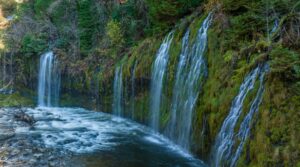
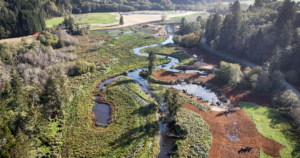
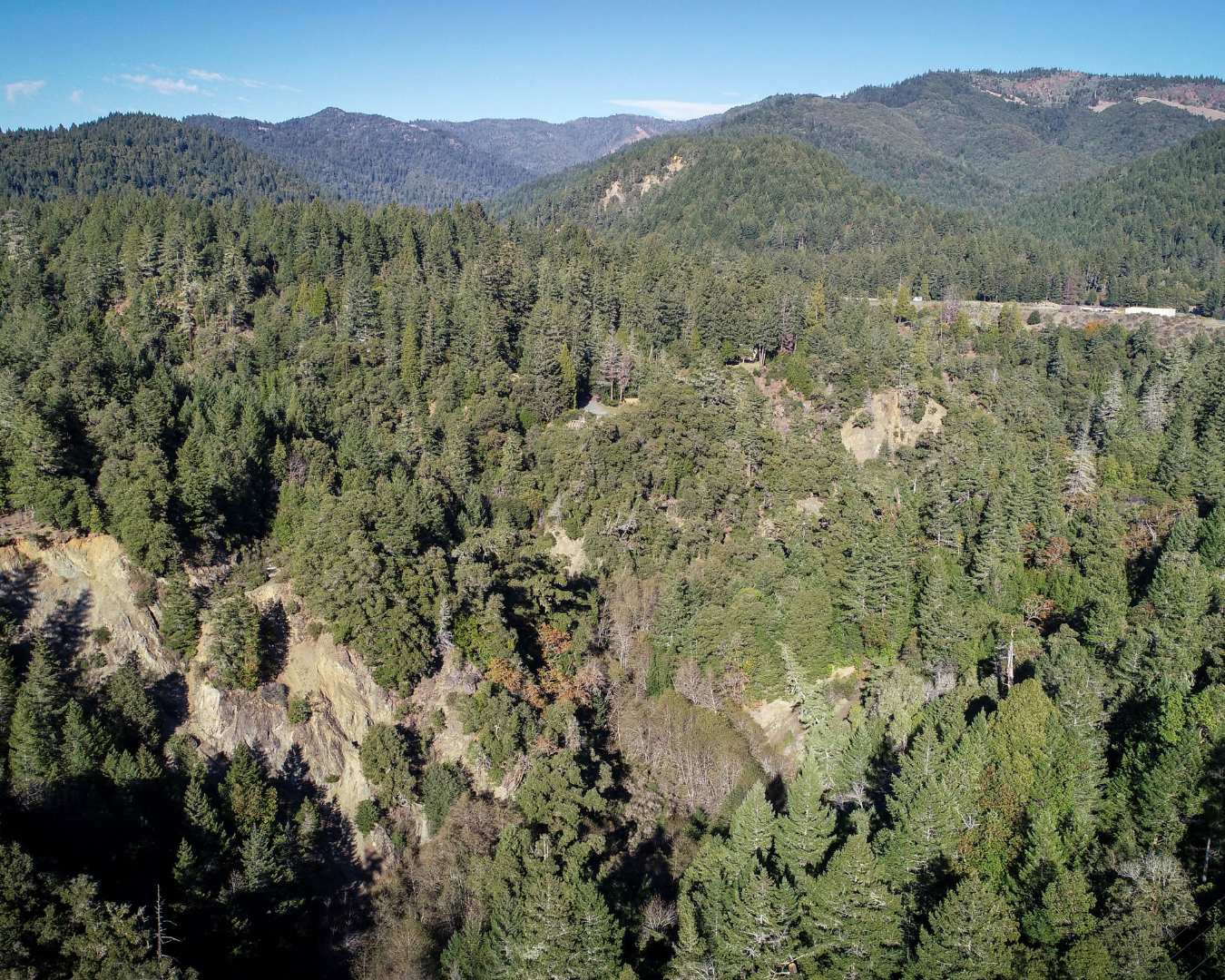
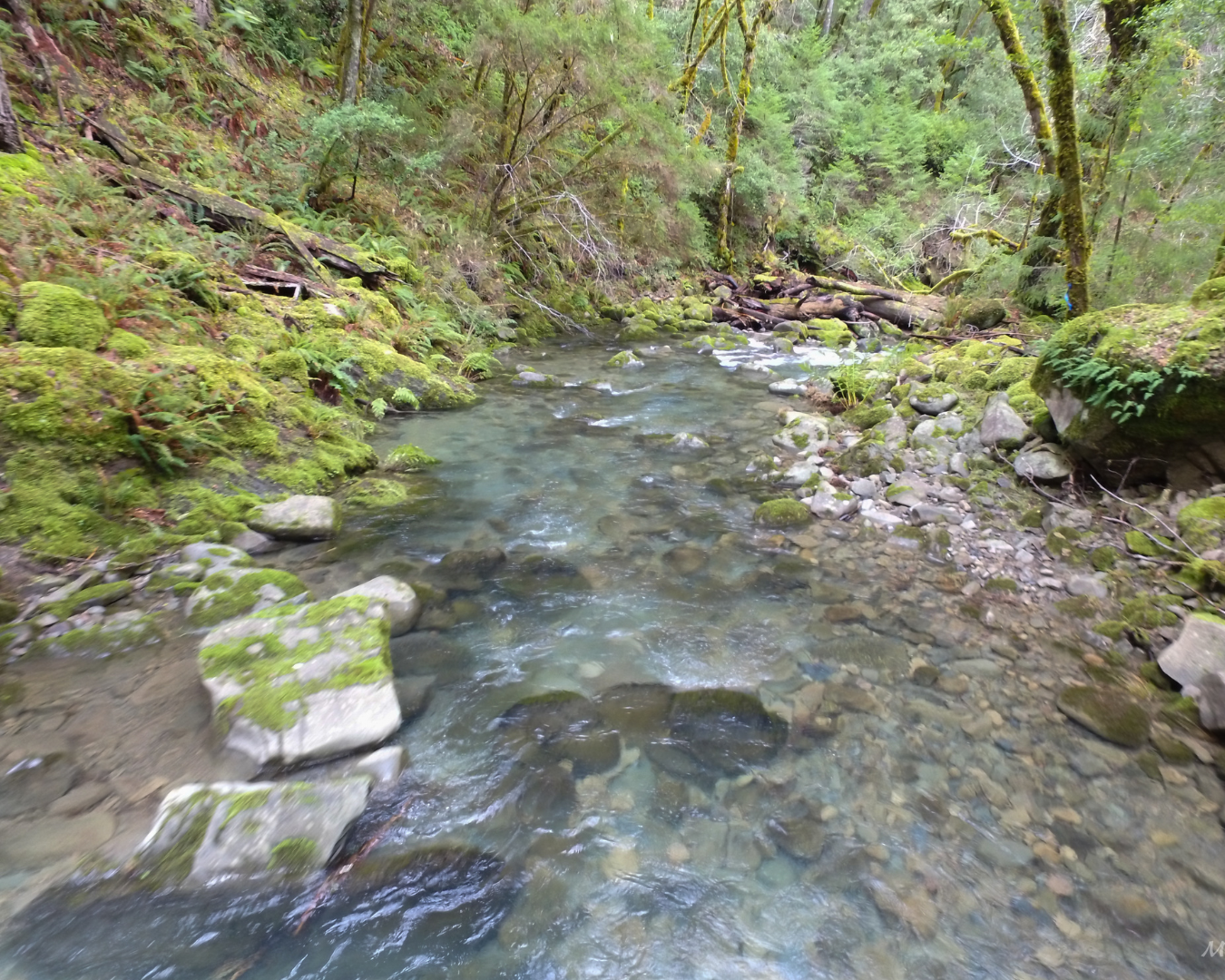
The stream reaches proposed for ONRW designation include segments of Cedar Creek within the Little Red Mountain Ecological Preserve (including Little Cedar Creek, North Fork Cedar Creek, and associated wetlands), and Elder Creek and its tributaries.
“The North Coast Region is home to some of California’s most pristine, culturally significant, and scientifically important waters,” said Valerie Quinto, Executive Officer at the North Coast Regional Water Quality Control Board. “The North Coast Regional Water Board appreciates the opportunity to work with CalTrout, Trout Unlimited, and CalWild on this important project which aligns with our commitment to preserve, enhance, and restore the quality of the North Coast’s water resources.”
“ONRW designation for waterbodies that provide inherent resilience to the impacts of climate change can be a meaningful mechanism for affording these waters special protection and enhancing resilience to the impacts of climate change,” added Matt St. John, North Coast Regional Water Quality Control Board’s Climate Specialist.
As part of their partnership commitment, CalTrout, TU, and CalWild will assist the North Coast Water Board by preparing a technical report to support an amendment to the Water Quality Control Plan for the North Coast Region (Basin Plan), compiling scientific justification, completing legal and policy analysis, and drafting regulatory language for North Coast Water Board staff. A potential amendment to the Basin Plan is subject to scientific peer review and would be considered by the North Coast Water Board following public review. This collaboration will reduce administrative costs while helping the Board and the partnership build a replicable and scientifically robust ONRW designation process.
“Cedar and Elder creeks are linchpins for salmon recovery in the South Fork Eel,” said Matt Clifford, California Director for Trout Unlimited. “They provide a disproportionate share of the river’s cold summer flow and create vital thermal refuges at their confluences. ONRW designation will specifically recognize and protect their unique water quality and help us better conserve the habitat and native fish populations dependent on that water quality.”
“This partnership is about more than two creeks—it’s about showing how California can proactively protect its most exceptional rivers before they’re degraded,” said Mark Green, Executive Director of CalWild. “Cedar Creek’s unique red soil geology and Elder Creek’s nearly pristine research watershed are irreplaceable. Pairing existing wilderness and reserve designations with ONRW protections creates a model for keeping our best waters in their current, high functioning condition as the climate warms.”
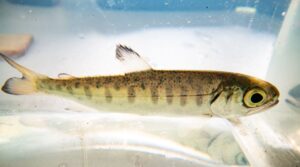
Elder Creek anchors long-term hydrologic and climate research at the Angelo Coast Range Reserve and has been recognized as a hydrologic benchmark, National Natural Landmark, and former International Biosphere Reserve. Cedar Creek, with the highest baseflow of any South Fork Eel tributary, can contribute a large share of the river’s summer flow and forms cold-water plumes used by hundreds of juvenile steelhead during warm months.