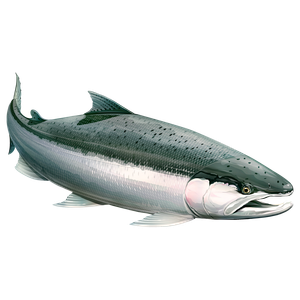

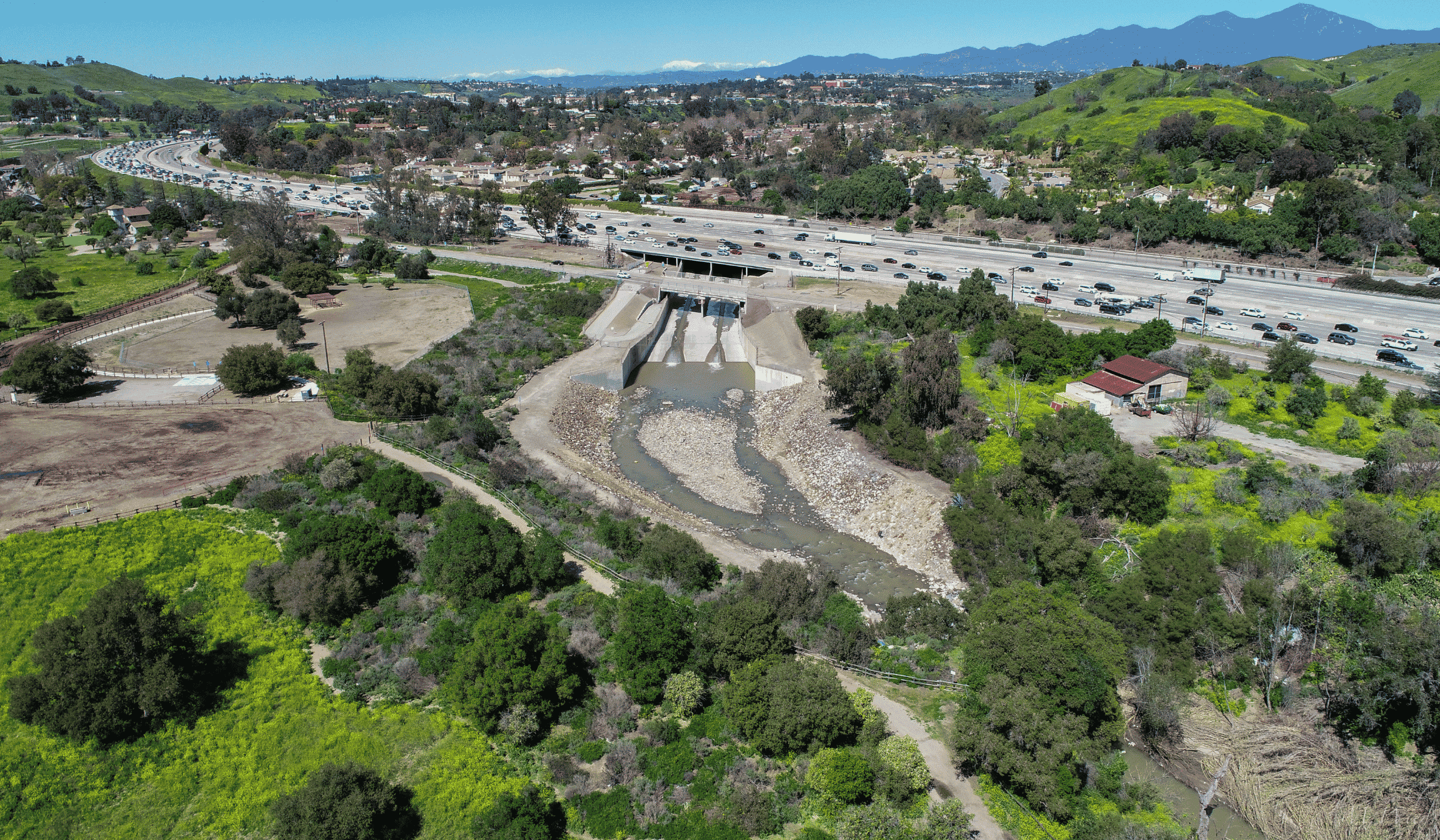
Trabuco Creek is a tributary of San Juan Creek, which is designated as a high priority watershed for Southern steelhead recovery. Remediating these fish passage barriers along Trabuco Creek is a big step towards reestablishing Southern steelhead in the watershed, but these fish still face other challenges to their recovery. A warming climate introduces existential threats to struggling native fish populations including reduced in-stream flows, higher in-stream water temperatures, lower dissolved oxygen content, and increased wildfire frequency and severity. Southern steelhead have demonstrated their resilience with an uncanny ability to adapt to these harsh, climate-driven in-stream conditions by tolerating higher water temperatures and lower dissolved oxygen content compared to their Northern California counterparts. In recent years, wildfires have burned a large swath of the upper Trabuco Creek watershed in Cleveland National Forest impacting the target spawning ground for native Southern steelhead. CalTrout is dedicated to restoring watersheds from the coast to headwaters, and with this fire threatening the target spawning area, it was crucial for us to assess the fire’s impact to this crucial habitat and determine if these resilient fish would be able to persist despite the harsh conditions.
While active fires present serious threats to humans and wildlife alike, perils persist in the aftermath of a fire. As vegetation is burned off the landscape, hillsides and canyon slopes can become layered with ash and susceptible to landslides, debris flows, and mudslides. For public safety, it is critical to avoid these areas while they recover. The burn area in Cleveland National Forest from the 2024 Airport Fire remains closed to the public. Over the past six years, the United States Forest Service (USFS) performed extensive work in this same area, removing a series of check dams that would have prevented Southern steelhead from freely passing through this key habitat. Anticipating the return of steelhead to this area in the coming years, USFS continues to replace low-flow concrete culvert barriers with full-span bridges in this area of Trabuco Creek, maximizing the ability of fish to move around and access habitat for themselves and offspring.
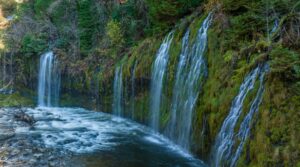
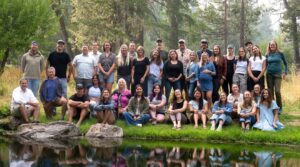
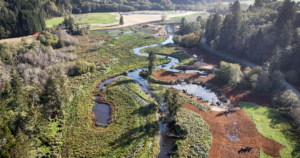
With special permission granted by USFS to access the area this past summer, CalTrout organized a three-person team working over five days to perform a post-fire physical habitat and fisheries population survey. A physical habitat survey allows us to measure key conditions including water depth, temperature, dissolved oxygen, and conductivity as well as stream width, riparian vegetation, stream cover, streambed composition, and aquatic vegetation indicators of a healthy creek. We were pleased to discover that the riparian area immediately surrounding the creek experienced minimal burning. Healthy vegetation persisted in large stretches of the creek providing ample cover and shade to the creek. The most severe burning was observed in higher elevations along hillsides and canyon slopes. Water quality conditions were also measured to be within levels deemed healthy for Southern steelhead. The most significant post-fire impact observed was an increased rate of sedimentation. Sediment and ash had flushed from the now barren canyon slopes into the creek reducing water depth in some reaches of the creek, reducing the size and number of pools most conducive for holding fish. Recognizing this increased sedimentation, the fish population survey would ultimately determine if fish were able to survive the fire and the post-fire impacts. It is natural for streams to experience higher sediment after fires, and it typically takes a few years of wet winters to flush things through the system.
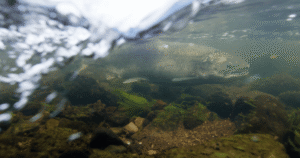
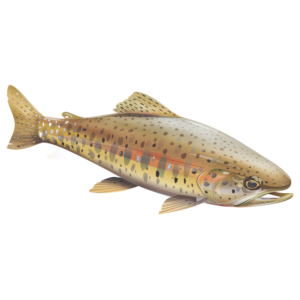
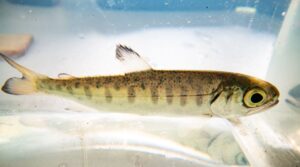
While the survey area has been inaccessible to Southern steelhead entering the creek from the ocean, it has been historically stocked with O. mykiss, the same species as Southern steelhead. In addition to these stocked fish, native arroyo chub are known to populate this area of the creek. Permitted to perform electrofishing to assess in-stream fish populations, CalTrout partnered with WRA Consultants and Southern California Conservancy to survey five, 100-meter reaches within the burn area and target spawning habitat. The survey yielded 26 total fish from two species. 25 O. mykiss were collected, including four young-of-year, verifying that this population is capable of reproduction. It was encouraging to see that some of the trout had survived the fire and post-fire sediment surge. One arroyo chub was also collected. All fish were observed to be in healthy condition and were returned safely to the creek. Though the O. mykiss collected were suspected to be of stocked origin, their persistence through the fire, its aftermath, and the evidence of reproduction validated the quality of the habitat for future Southern steelhead populations. Once again, the O. mykiss demonstrated resilience in the face of existential threats. The check dam removal led by USFS, in partnership with Orange County and other organizations, was key to allowing the aquatic species to move around during stressful conditions and seek refuge. Historically, these steelhead passed through Acjachemen villages, which are commemorated today through the village of Putuidem.
Trabuco Creek is just one example of CalTrout’s efforts throughout Southern California to restore native Southern steelhead. We implement Southern steelhead recovery in a watershed approach from coast to headwaters, and we develop innovative solutions that promote conservation in heavily urbanized areas demonstrating the people and native wildlife can coexist as long as this nexus is recognized and prioritized. We value our key relationships with local, state, and federal partners helping drive recovery forward and the collaborative efforts and work of conservation-focused agencies and organizations, such as the United States Forest Services’s dedication to improving habitat in upper Trabuco Creek. With these efforts combined with your support, Southern steelhead are poised to reach Trabuco Creek’s headwaters and spawn for the first time in over 50 years. Stay tuned for project updates as construction progresses and these barriers are remediated.