





Acknowledging the Problem
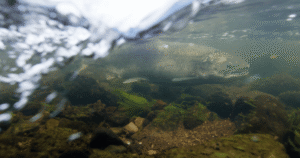
In November 2023, the San Diego Regional Water Quality Control Board proposed an innovative approach to address the invasive species issue. They issued a Nonpoint Source TMDL (Total Maximum Daily Load) for aquatic invasive species in San Mateo Creek, which is incredibly rare. According to the U.S. Environmental Protection Agency, TMDLs are the calculation of the maximum amount of a pollutant allowed to enter a waterbody so that the waterbody will meet and continue to meet water quality standards for that particular pollutant. Most TMDLs are in the form of point source pollutants like phosphorus, nitrates, and chloride. In this case, the the TMDL designation officially categorizes aquatic invasive species as a pollutant that impairs the ability of endangered Southern steelhead to spawn, migrate, and survive in San Mateo Creek.
Why is establishing a TMDL so important to reducing the number of aquatic invasives? Because it:
- Establishes clear goals towards reducing invasive species populations to a level that allows for a viable, self-sustaining Southern steelhead population in the watershed.
- Opens pathways to receive federal funding through the U.S. Environmental Protection Agency (USEPA) to perform the laborious work required to mitigate this threat.
To be eligible to receive funds under this program, a formal Watershed Management Plan must be in place detailing the work required and success metrics – which is where CalTrout comes in.
Planning for Recovery
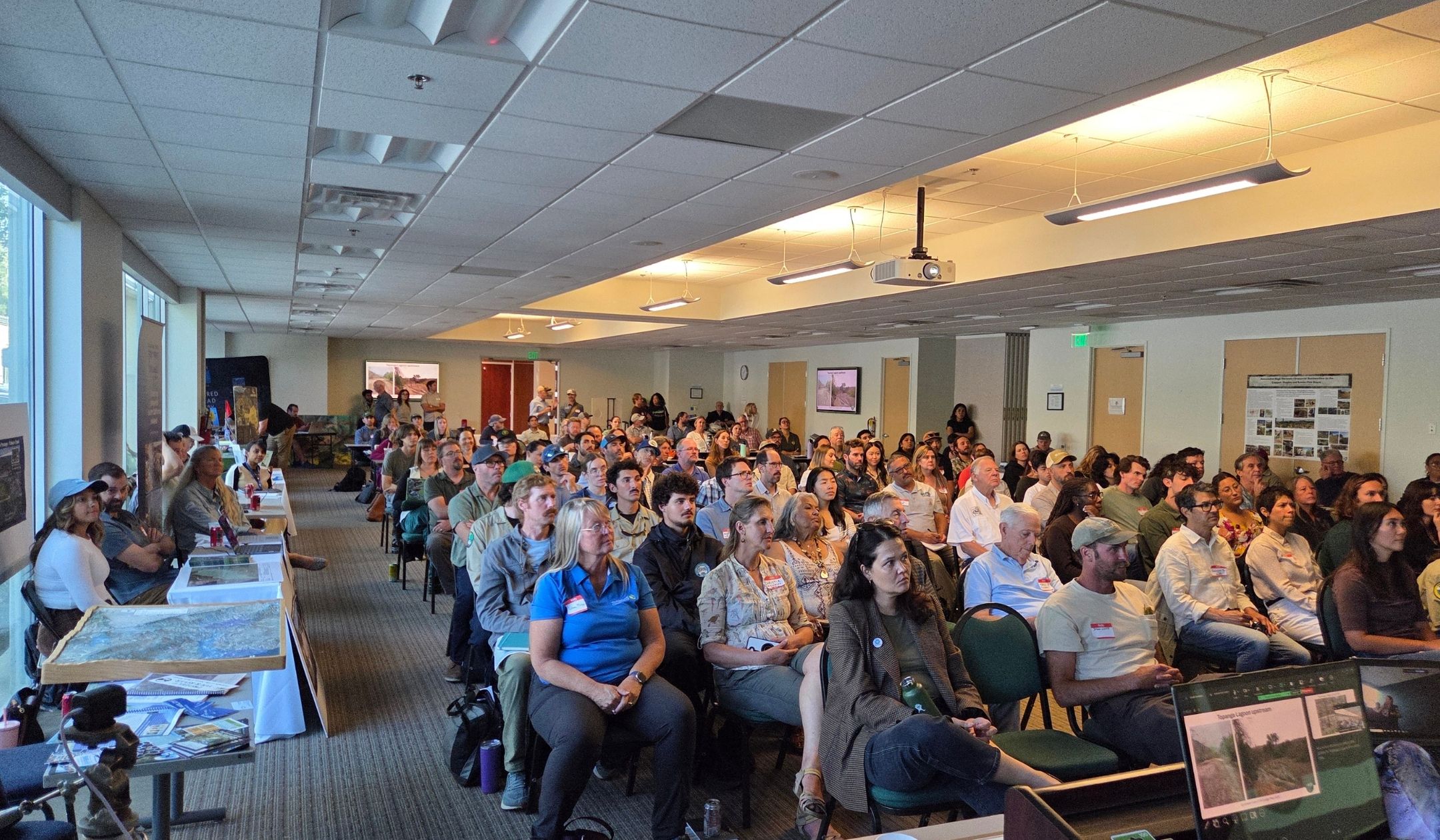
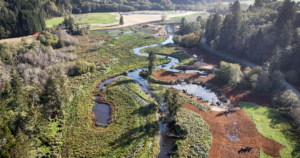
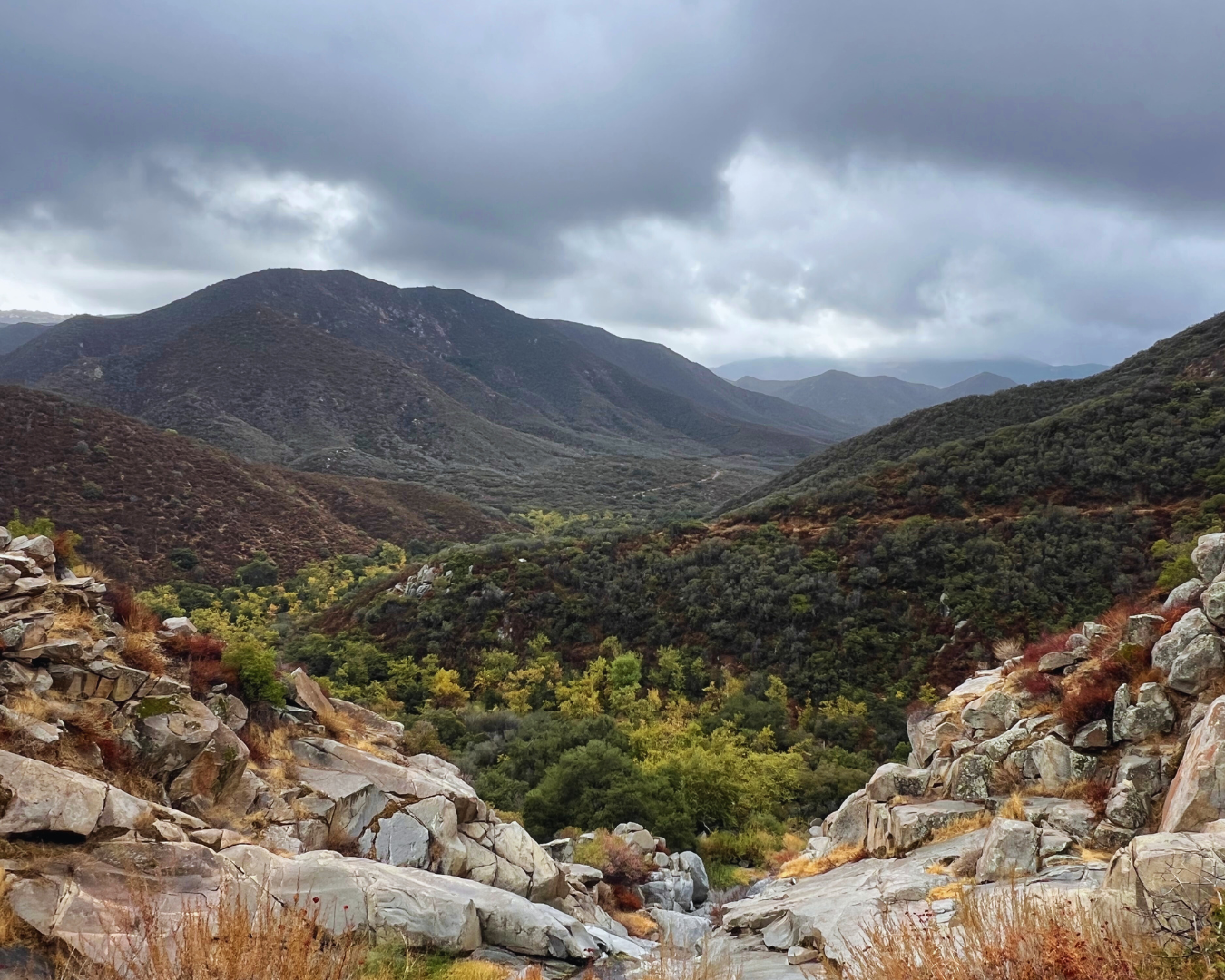
Shortly after the Regional Board’s circulation of the TMDL, CalTrout recognized the importance of this opportunity to help recover Southern steelhead and was eager to support. CalTrout applied for funds to generate a Watershed Management Plan for San Mateo Creek in collaboration with stakeholders. This Plan would lay out specific goals, objectives, activities, and metrics to remove aquatic invasive species in accordance with the goals established by the TMDL. Led by Nathan Yancheff, CalTrout’s South Coast Project Manager, with oversight by Sandra Jacobson, Ph.D., CalTrout’s South Coast and Sierra Regional Director, CalTrout convened a Technical Advisory Committee (TAC) consisting of experts from state and federal agencies and local nonprofit organizations. Over the course of a year, the TAC collaborated to develop a multifaceted Work Plan to remove aquatic invasive species from the watershed and reestablish viable, sustainable populations of Southern steelhead and other sensitive native aquatic species.
A holistic effort to remove aquatic invasive species in San Mateo Creek is necessary to effectively and sustainably support the native species living there. Intermittent efforts by public agencies and private organizations have been ongoing but have been unsuccessful in creating long-lasting change.
Reflecting on the learnings of these unsuccessful efforts, the new SMC Watershed Plan proposes an alternative, multi-pronged approach. Previous removal efforts did not address the private stock ponds and failed to halt invasives from being reintroduced from these sources.
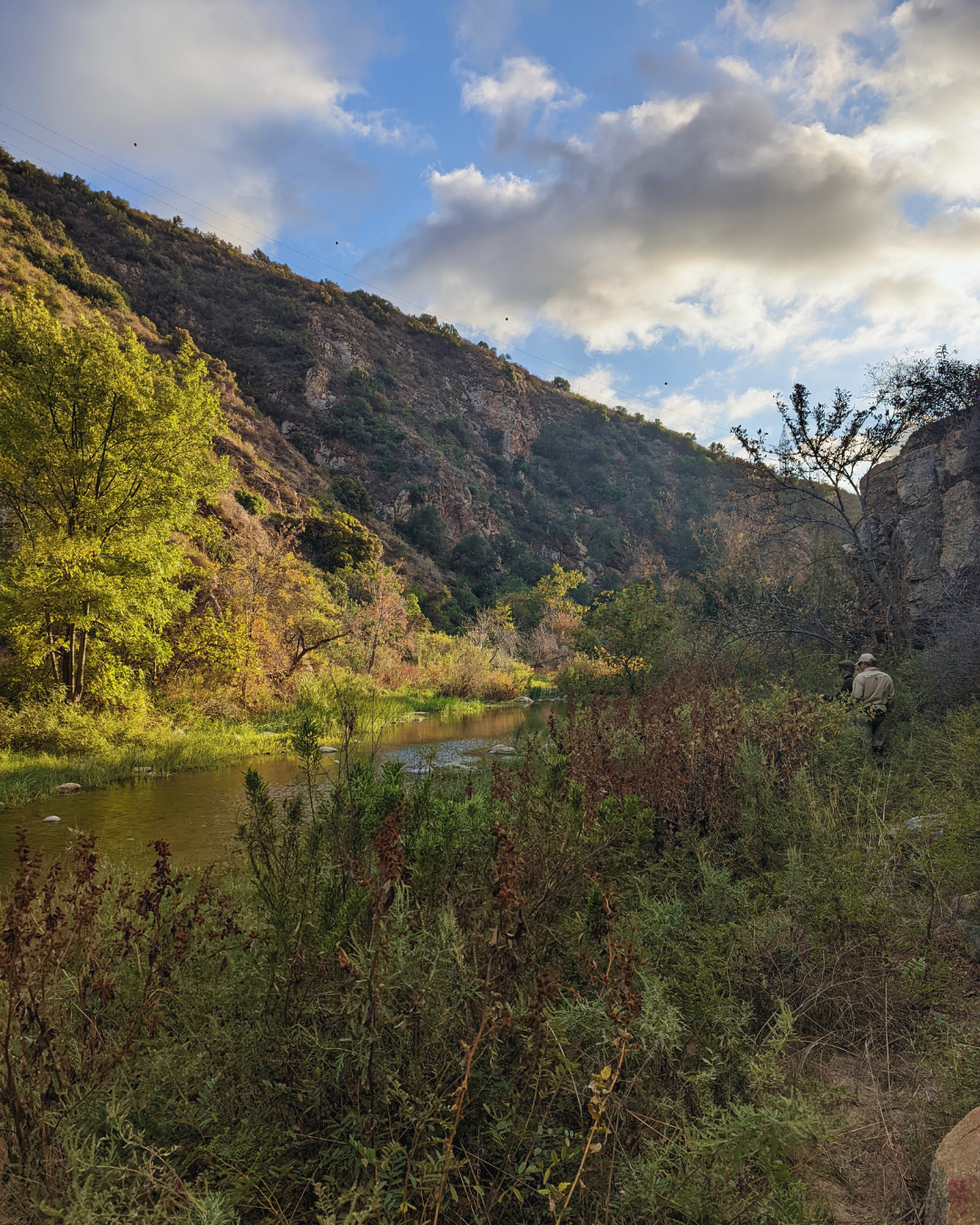
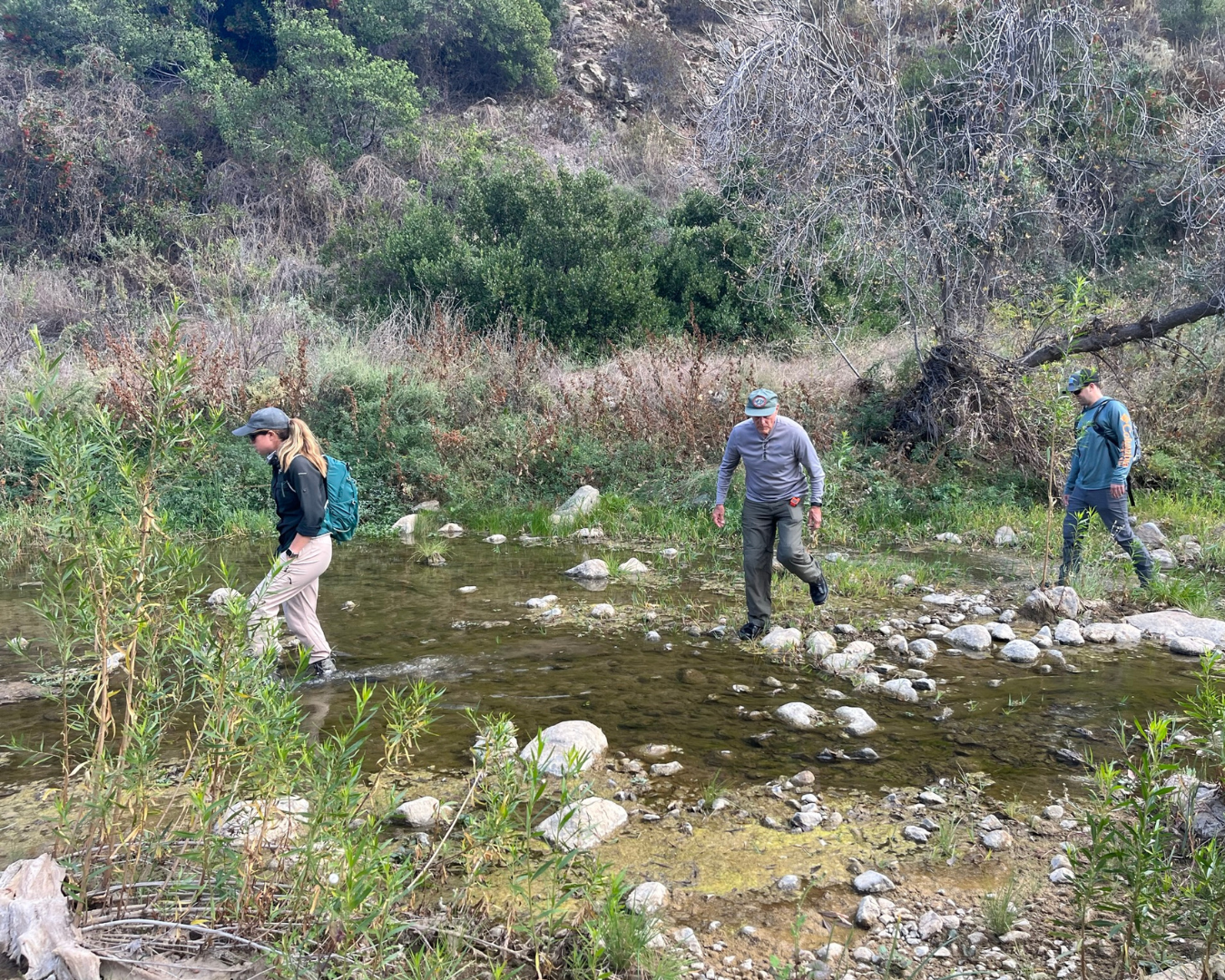
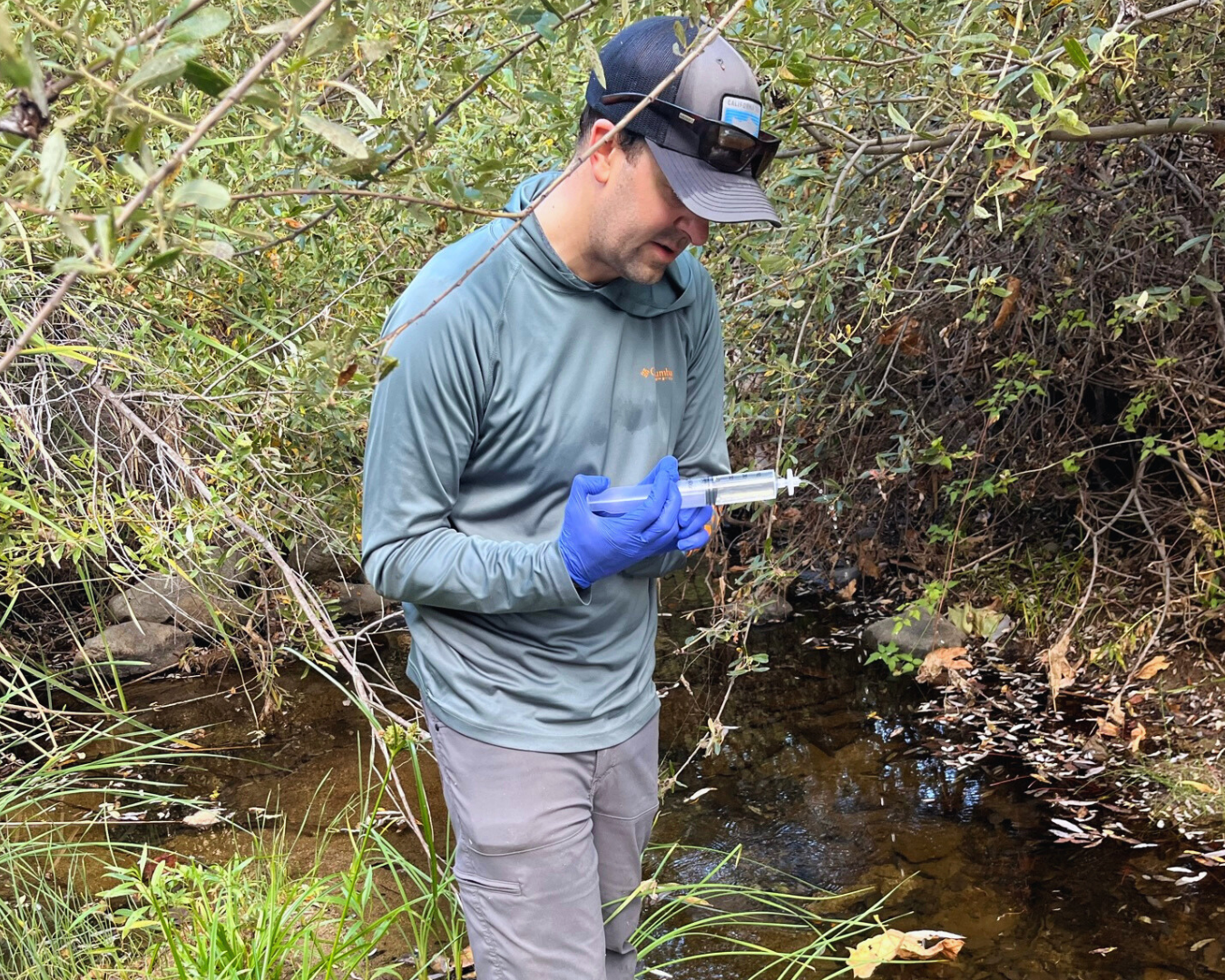
To address these issues, the new Plan details specific outreach and education initiatives for private landowners with stock ponds. It also proposes solutions and funding pathways to install mitigation measures on their properties that would prevent the discharge of aquatic invasives from their ponds into the natural watershed. The Plan also defines long-term monitoring and invasive species removal strategies. Monitoring efforts will include both native and invasive species, allowing up-to-date population estimates and spatial data to inform the strategies enacted. Removal efforts for in-stream invasive species populations will be specialized based on types of stream habitat and individual species. Now that the Plan is official and ready for implementation, execution will take place over the next 10-15 years. We anticipate the goals laid out will be achieved by 2037.
What Happens Next?
Now that the final San Mateo Creek Watershed Management Plan has been accepted, nonprofits, government agencies, and federally recognized tribes can submit a proposal to receive funds to begin implementation. We will be submitting a proposal and will be encouraging our project partners and partners on our TAC to do the same.
We are incredibly excited about the Plan’s approval, and the opportunity to begin implementation and restoration. Beyond serving as a blueprint for this specific watershed, the Plan establishes a replicable framework that can benefit similar efforts across California. Its methodologies and approaches will strengthen our ability to protect and restore native ecosystems throughout the state, supporting the beautiful native wildlife and watersheds that make California unique.
Check out the San Mateo Creek Watershed Management Plan below!