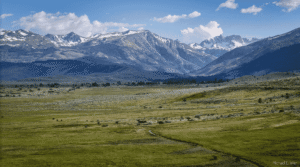
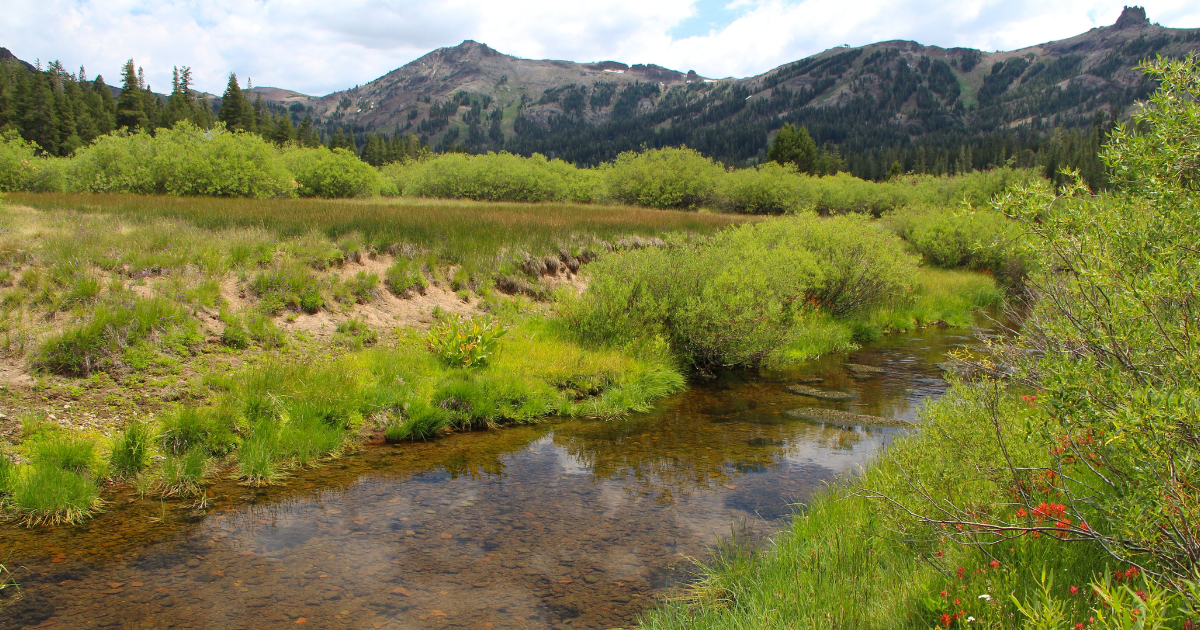
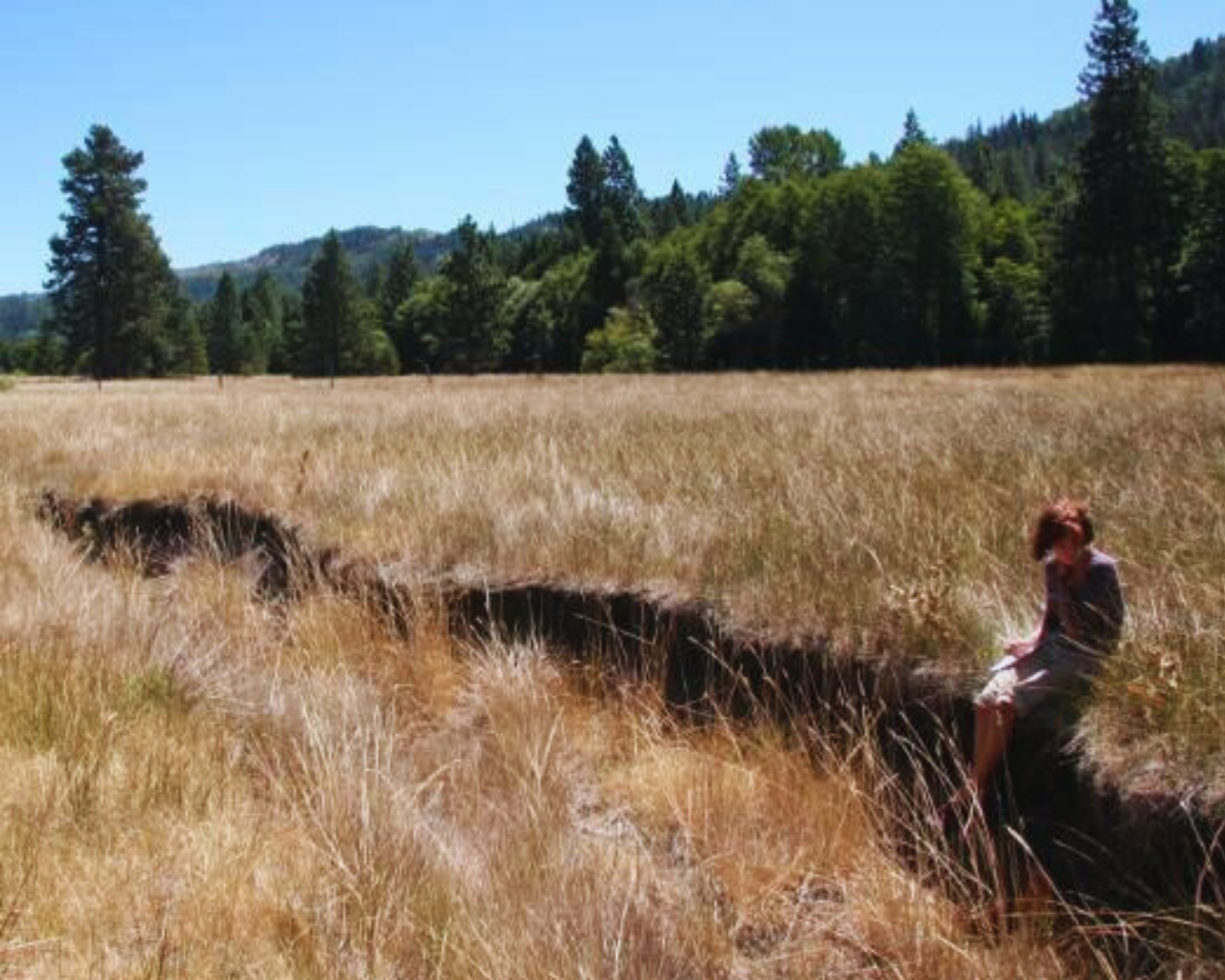
About 70% of Sierra meadows are degraded, with diminished capacity to hold water or store below-ground carbon. Similarly, vast tracts of forest where dead and dense tree stands predominate are vulnerable to catastrophic wildfire, counteracting their carbon benefits. CalTrout is developing a new approach to meadow and forest health in the Sierra Nevada – we are transforming meadow and forest restoration efforts into quantifiable carbon, water, and energy benefits on a landscape scale. This differs from traditional approaches which address only one or two primary causes of ecological degradation limited to the immediate project area, neglecting efficient use of restoration byproducts, facilitation of atmospheric carbon-reduction, and connecting local communities with sustainable energy resources.
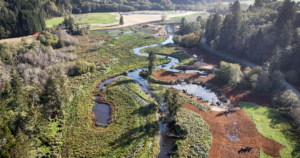
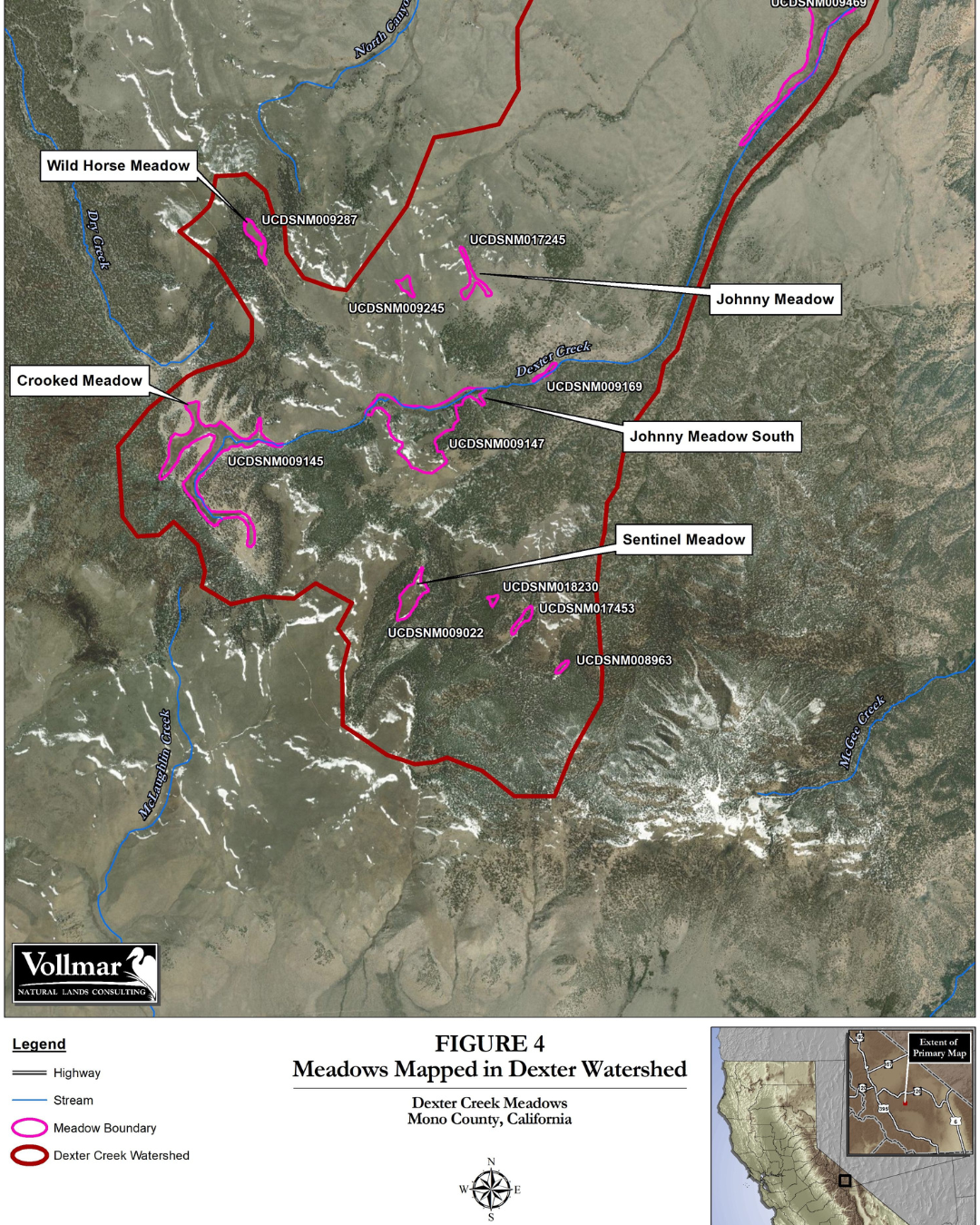
CalTrout recently received funding from the Sierra Meadows Partnership to start implementing this bold initiative through a pilot program in the Glass Mountains. This remote location possesses a unique combination of all features needed for the project. This includes a large chain of degraded meadows with a history of impacted target species in a densely forested high severity wildfire area with considerable accessibility and land area required for biomass extraction, on-site biochar conversion, and provision of considerable energy reservoirs for the region. Our goal is to restore 125 acres of degraded meadows along Dexter Creek, adjacent to 300 acres of dense forests. Through a multi-pronged approach, we will quantify water and carbon benefits through avoided wildfire emissions, aquifer recharge, below-ground carbon sequestration, and biomass conversion for renewable energy. By better understanding the capacity of a meadow or forest to hold water or carbon, we can create data-driven conservation strategies to bolster climate mitigation in the area.
Over a century’s worth of grazing, invasive fish species, water diversions, and toxic Chytridiomycosis fungi have taken their toll on the landscape. A severe unmanaged wildfire in 2021 bordering Crooked Meadow, a 125-acre expanse and the largest in the Glass Mountain Meadow Complex, further contributed to the landscape’s ecological decline. Here, the region’s largest population of endangered Sierra Nevada Yellow-Legged Frog once thrived but are now entirely gone. Anecdotal accounts from local tribal members recall a time when this chain of meadows was once green and thriving. With the onset of additional threats from a changing climate, CalTrout’s Sierra Headwaters region is taking action and committed to turning these recollections into a present-day reality by revitalizing the landscape and its biodiversity.
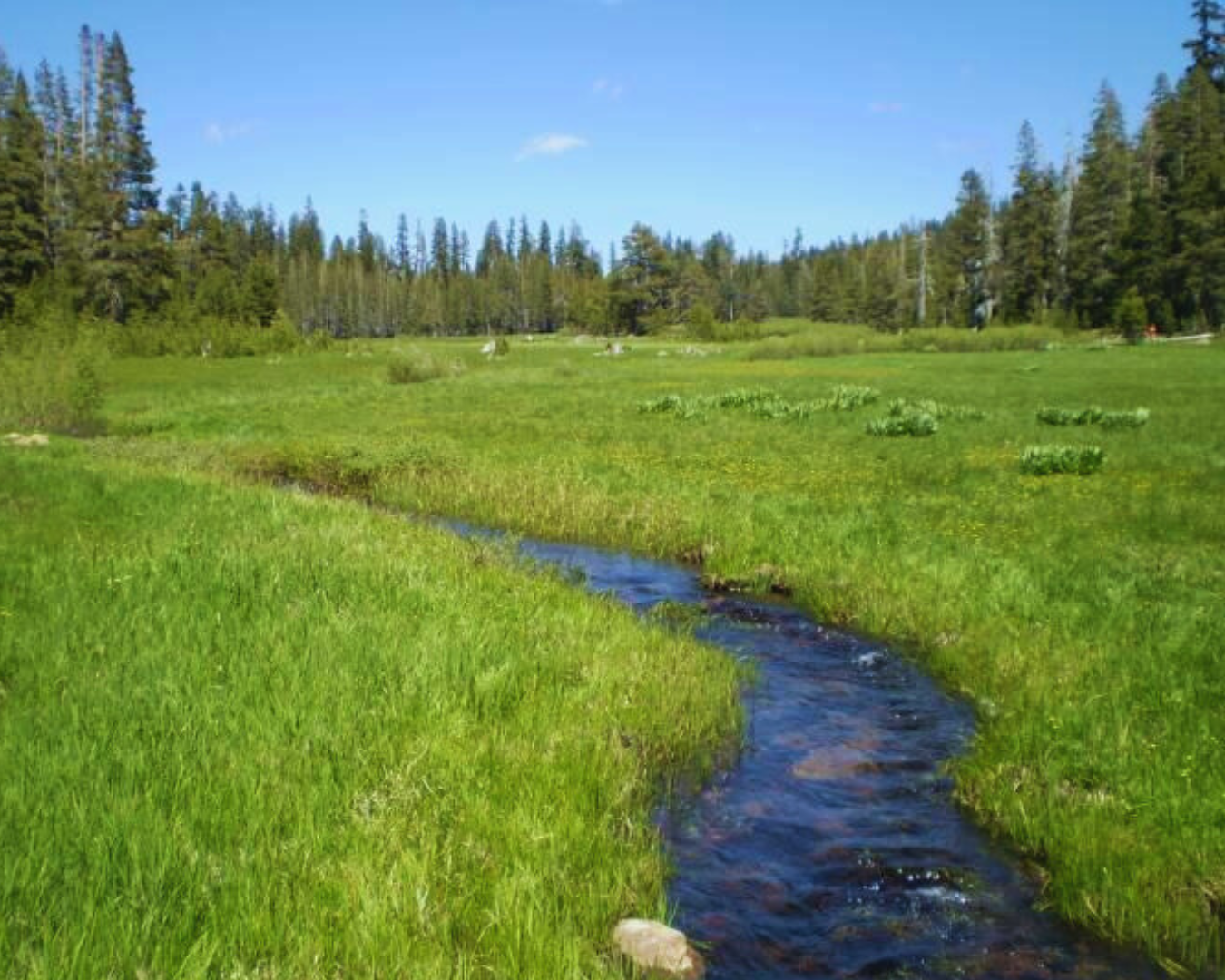
We are leveraging the latest technologies to address threats to mountain meadows, forest health, and wildlife, and to harness sustainable energy. Our holistic approach will restore hydrologic balance, wetland and mesic vegetation, improve wildfire resilience, and create sustainable electricity for community use.
Meadow restoration and forest health will be the first stage in the process, followed by energy production in natural succession. Selective thinning is one of the key tools employed as part of Phase One. This process mimics some of the effects of the natural fire regime, by selectively removing patches of dead forest and understory. It is proven to improve meadow vitality, reduce the threat of wildfire carbon emissions, and amplify the role of meadows as large fuel breaks and refuge areas for animals during fires.
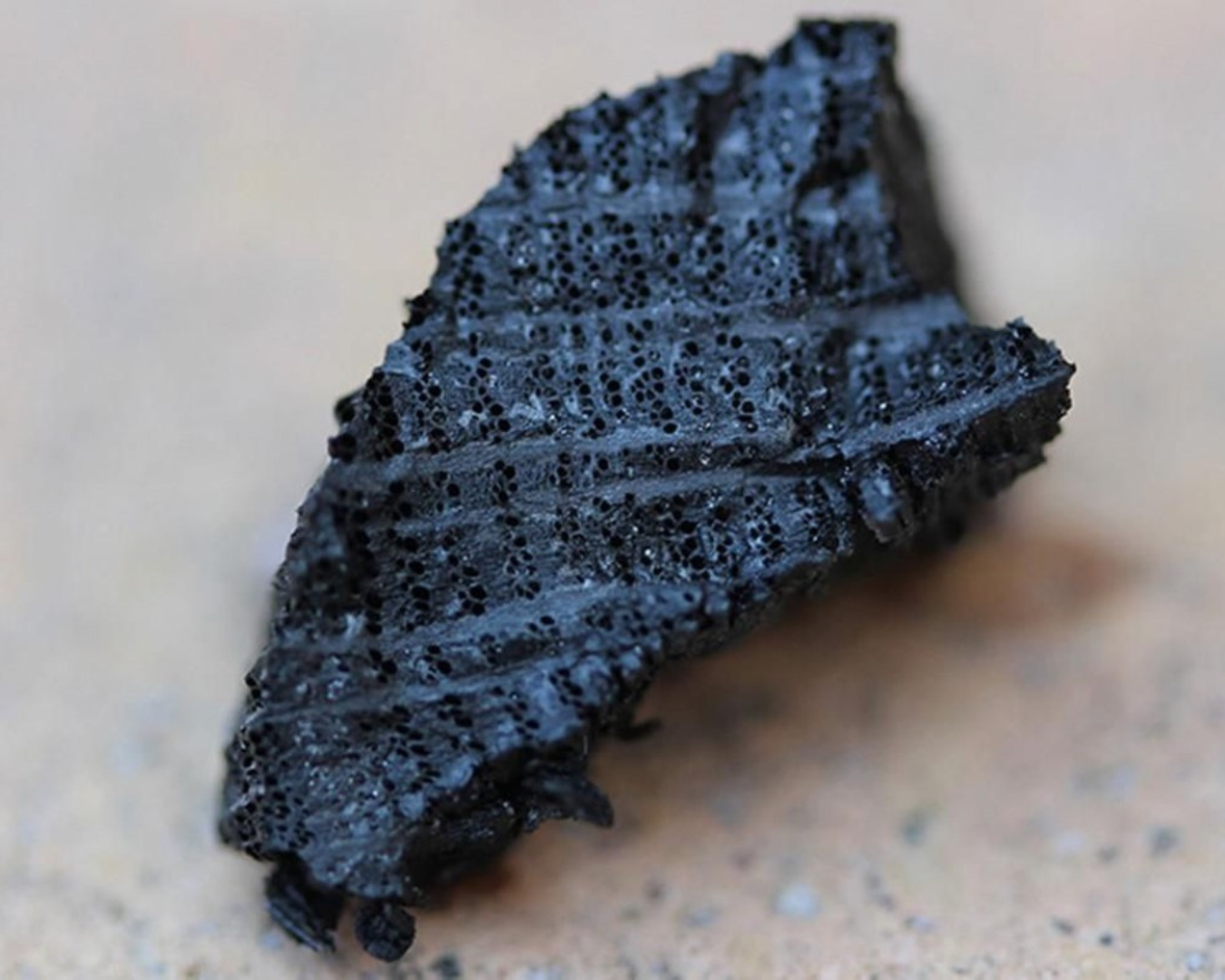
In the second stage, we will convert the removed trees into biochar and renewable energy through pyrolysis. Pyrolysis is an energy conversion process that has a relatively low carbon footprint enabling us to provide a sustainable and clean power supply to nearby communities.
Without the knowledge, expertise, and support of our valued partnership and participation with the Mono Lake and Owens Valley Tribes, the U.S. Forest Service, Inyo National Forest, and the California Department of Fish and Wildlife, this work would not be possible.
A pilot project of this breadth and scale is invaluable not just for animal and ecological health, but for the scientific community. The insights gained through the process of combining meadow, forest, and wildlife habitat rehabilitation with carbon capture, natural resource utilization, and sustainable energy production will drive future watershed restoration efforts. This approach can serve as a blueprint for future programs, which prioritize the elimination of silos and engage local communities as both sources of knowledge and stewards – a necessity for climate resilience, energy efficiency, cleaner air, and a healthier future.