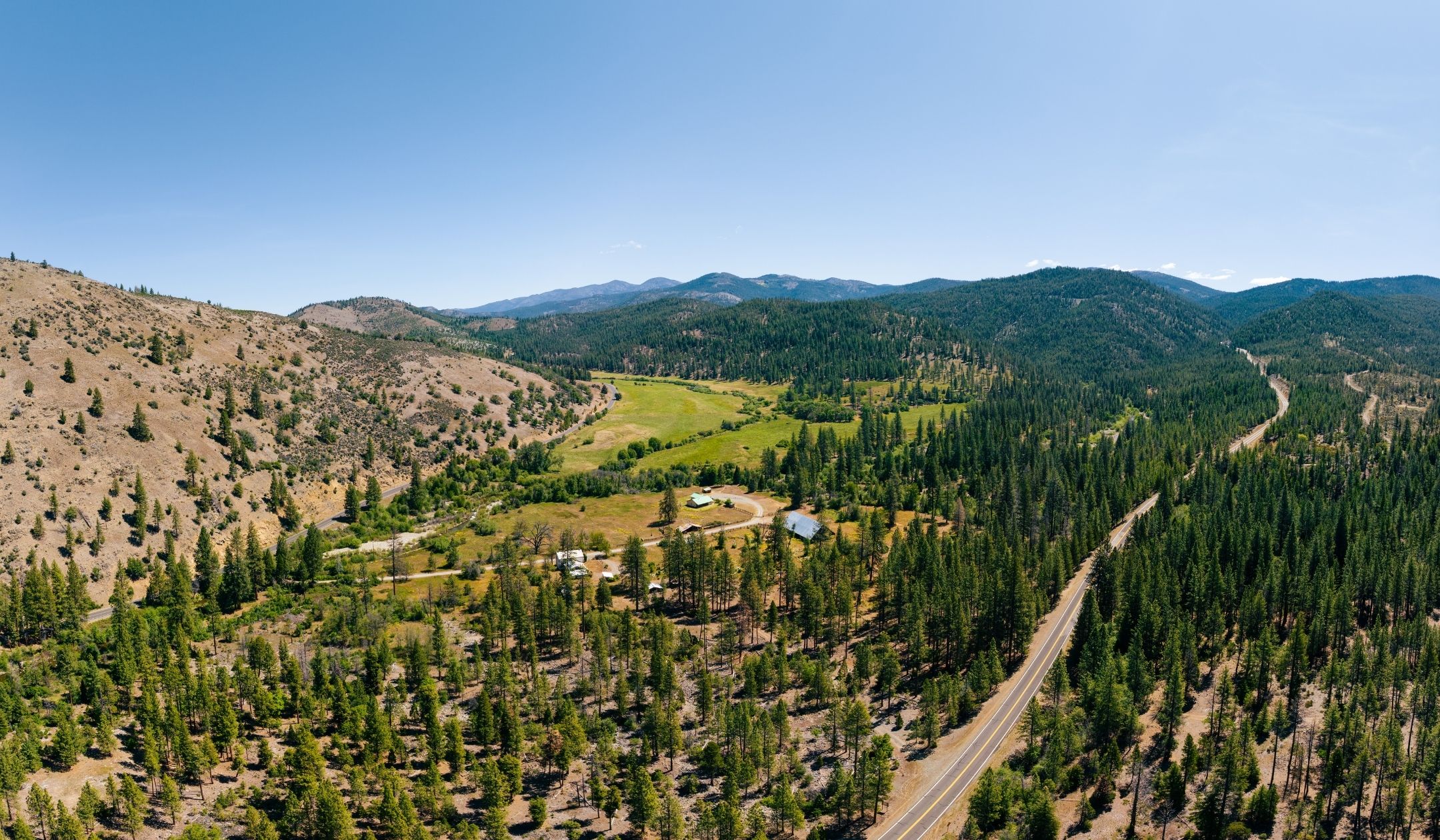
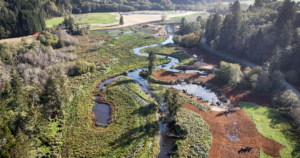
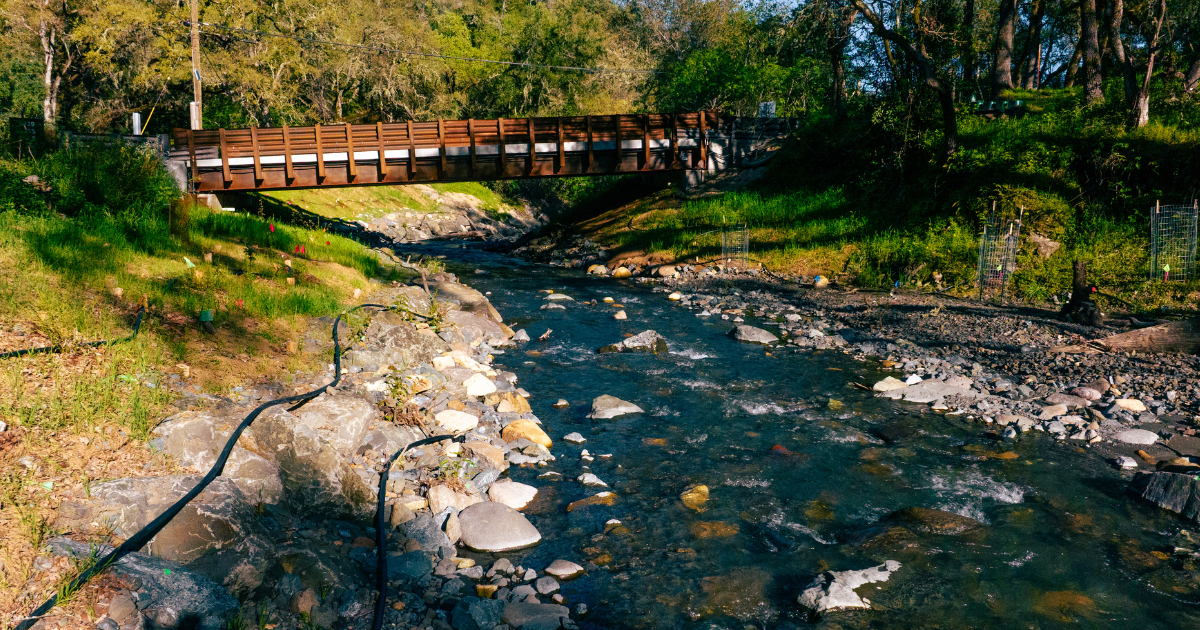
The Sulphur Creek watershed winds quietly through Napa Valley, past vineyards and rural roads, carrying water—and historically abundant fish populations—through a landscape defined by its bucolic, wine-country feel. But for years, something wasn’t working — an imbalance that cascaded through various aspects of everyday life.
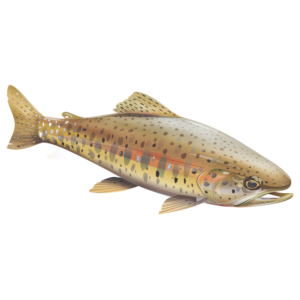
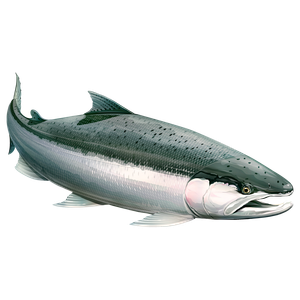
Beneath a century-old historic bridge in St. Helena, a fish ladder that was meant to help steelhead and Chinook salmon move upstream had slowly become a barrier instead. Shifting flows and debris often clogged the structure, blocking migration and creating a recurring problem for nearby landowners. Clearing the blockage required dangerous manual cleaning by landowners and when the ladder backed up, flooding occurred on the adjacent County road.
By 2012, concerned landowners and community members recognized both the ecological and community impacts, and decided to take action. But like most enduring restoration projects, the highest impact solution would not be a quick fix.
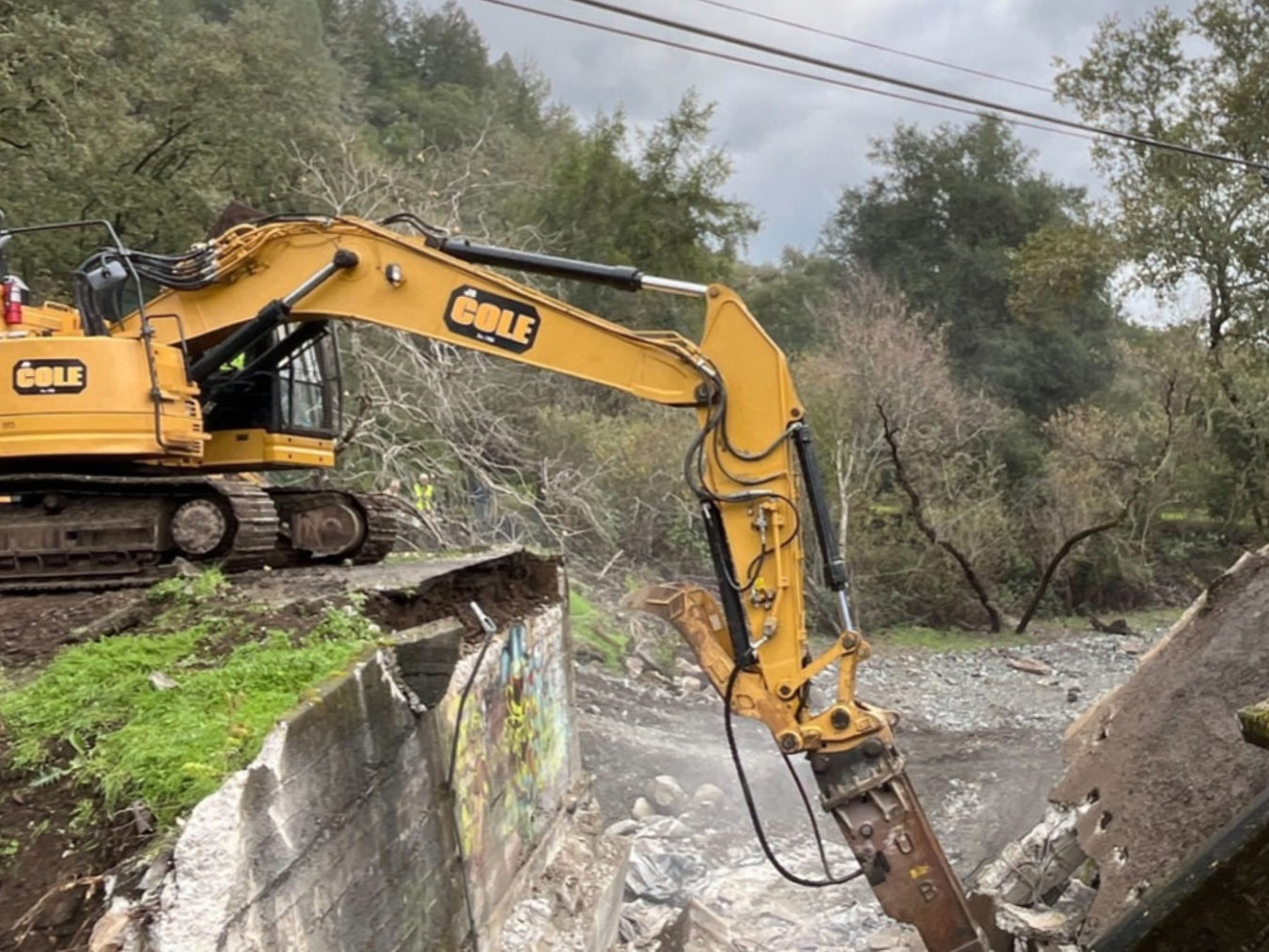
Working alongside the Napa County Resource Conservation District (RCD), landowners and community members initiated a conceptual design process to identify solutions that could restore fish passage while preserving the historic bridge and maintaining property access. Early efforts focused on understanding the problem and exploring options —how do you restore fish passage in a working landscape, without losing the historic character of the bridge or access to the properties it connects? By 2018, California Trout joined the effort to help secure funding, support with the regulatory process, and move the project toward implementation.
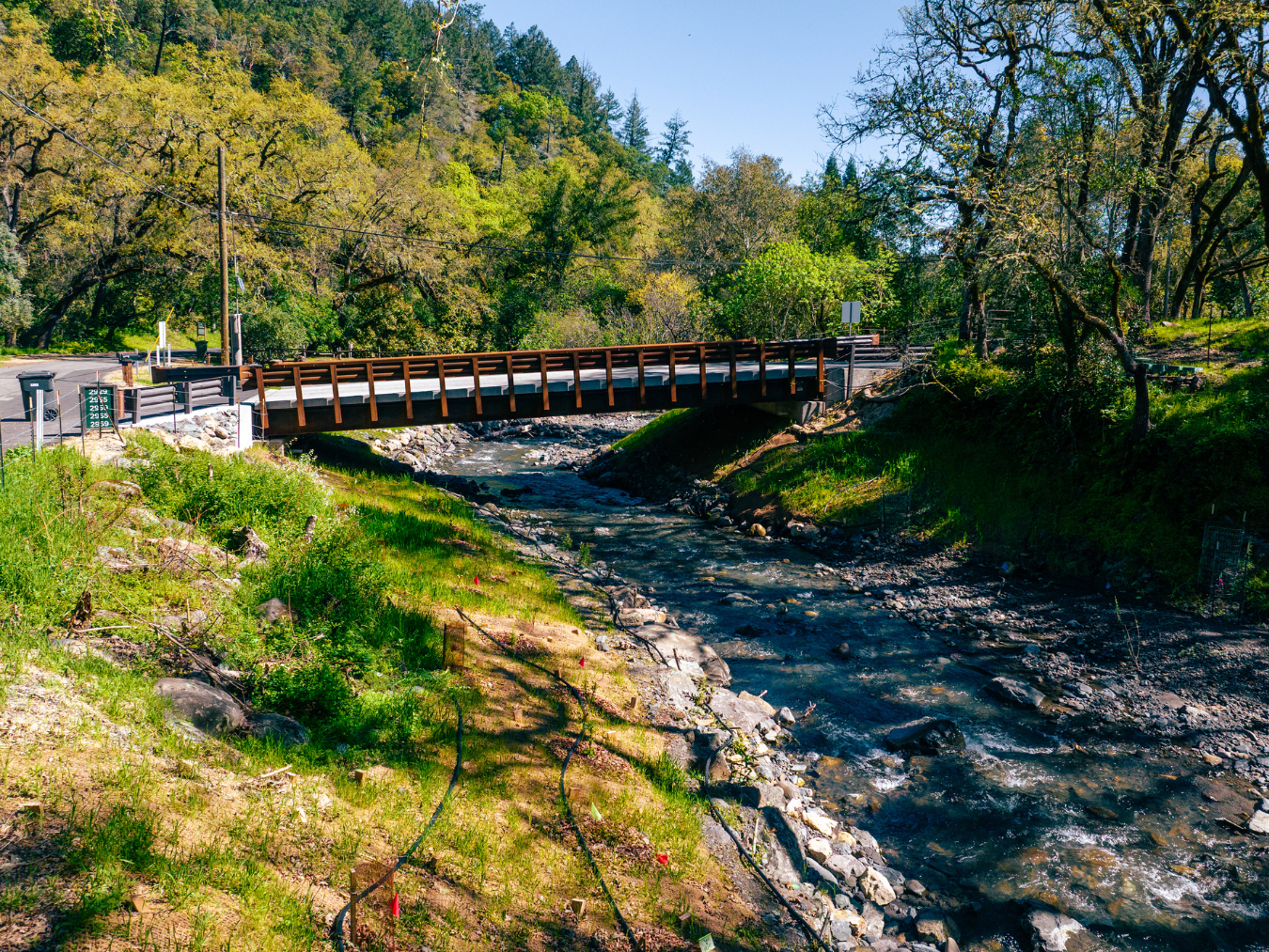
Then came the setbacks. The Glass Fire swept through the region in 2020, burning the upper Sulphur Creek watershed and highlighting another obstacle: the historic bridge could not accommodate firefighting or emergency vehicles. The COVID-19 pandemic disrupted timelines and coordination. Construction costs rose significantly. Plans had to be revisited and adjusted as conditions changed and landowner needs evolved. At several points, the project could have stalled. But it didn’t — because the people involved stayed at the table, committed to pushing through the slew of obstacles. In December 2025, the project was officially completed. The barrier is gone. Fish can move freely again. The crossing is safer, passes emergency vehicles, and more resilient.
While the historic bridge was ultimately removed, the new, freespan bridge erected in its place does not require a fish ladder and reduces localized flood risk while maintaining access to vineyards and a vital egress point on the other side in the case of future emergencies. RCD is continuing to plant the restoration site with native plants and monitoring the creek, with plans to look for juveniles upstream of the site this summer.
The Sulphur Creek project encapsulates both the challenges and rewards of restoration. A project that creates real change for people and fish is rarely simple or fast. It takes time, trust, and a willingness to navigate competing needs. But when those pieces come together, the result is a healthy landscape, and a stronger connection between people and the places they care about.