The Elk River was once the heartbeat of Humboldt Bay. Salmon swam freely through its waters, the Wiyot people harvested and smoked fish along its banks, and the river’s estuary nourished a web of life that defined the region’s ecology and culture. For decades, diking and draining for agriculture and heavy logging for timber degraded the landscape and, today, continues to cause problems for landowners and native fish. Alongside our partners, CalTrout is working to revitalize this life-sustaining watershed.
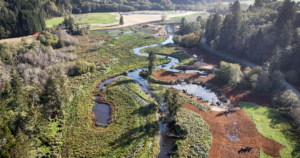
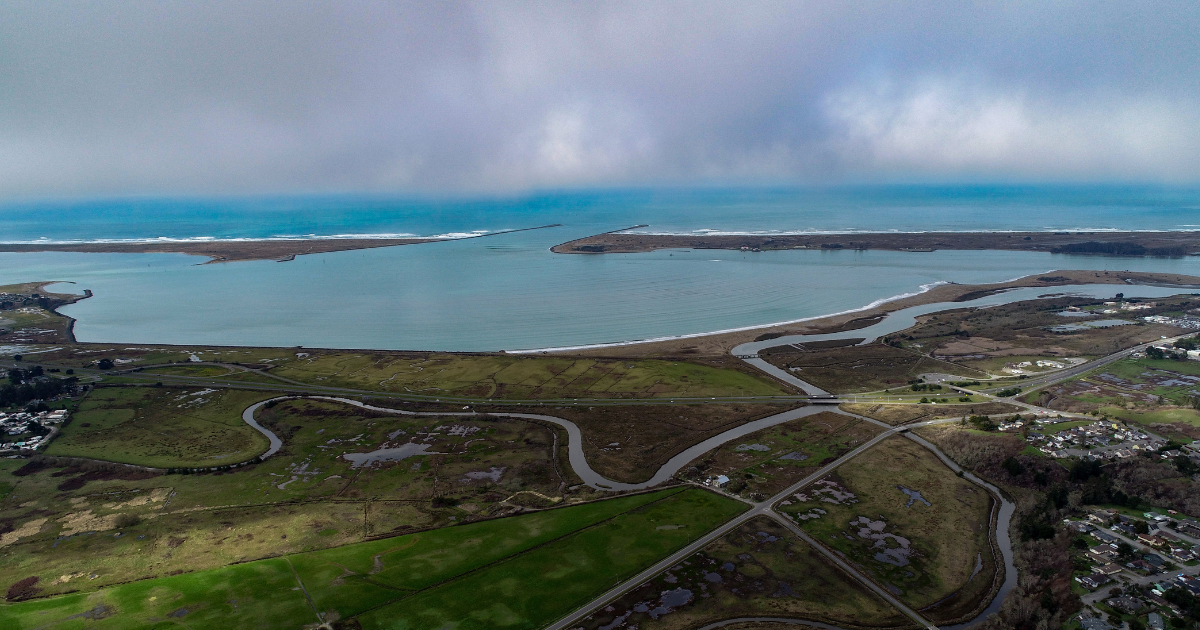
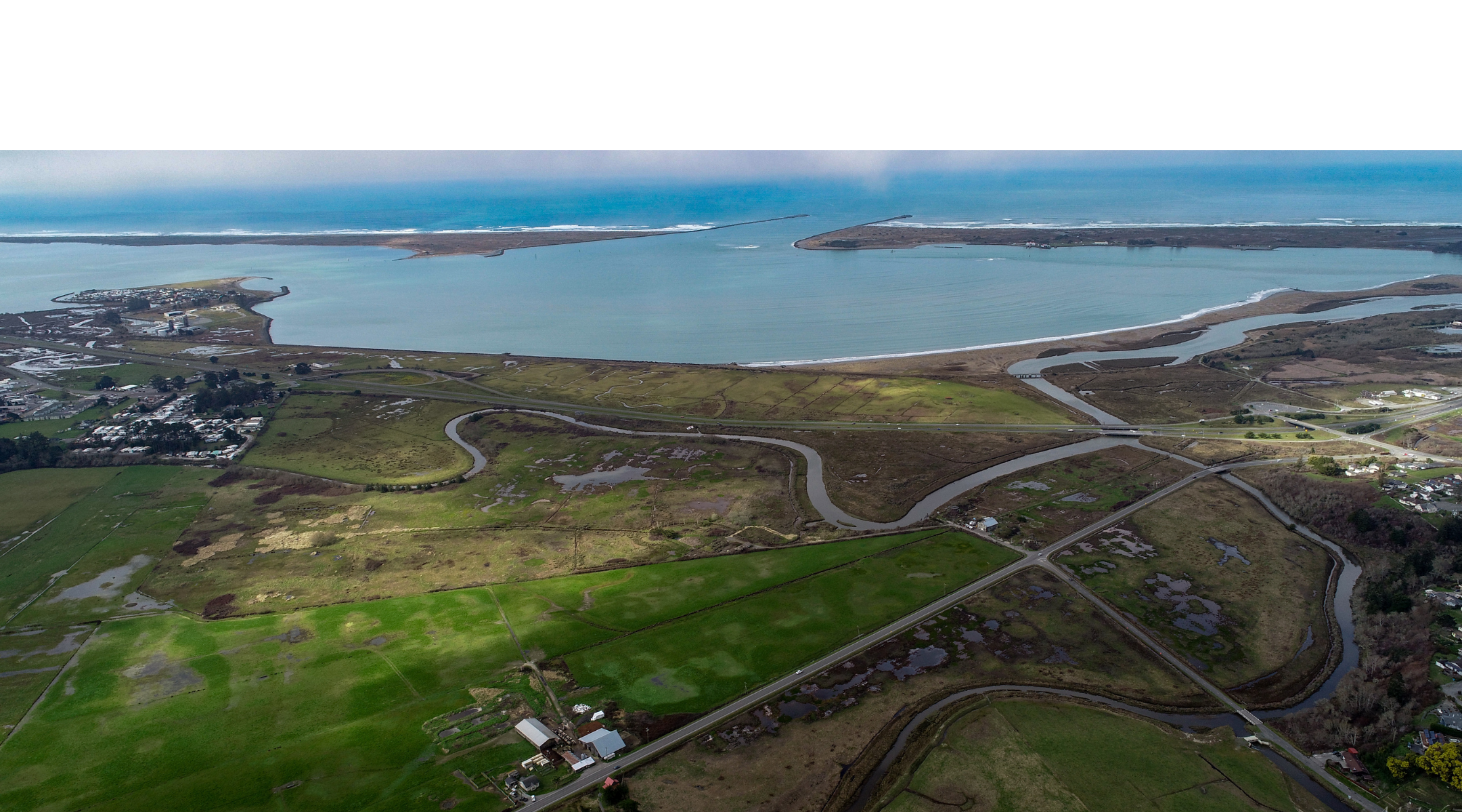
We’re proud to share several major milestones in the Elk River Estuary restoration project, a 857-acre effort just south of Eureka to bring tidal marsh, salmon habitat, and estuarine function back to one of the North Coast’s most significant landscapes. We also just launched an interactive StoryMap that lets you explore the history, ecology, and restoration vision for the Elk River Estuary and Lower Valley firsthand.
An altered watershed
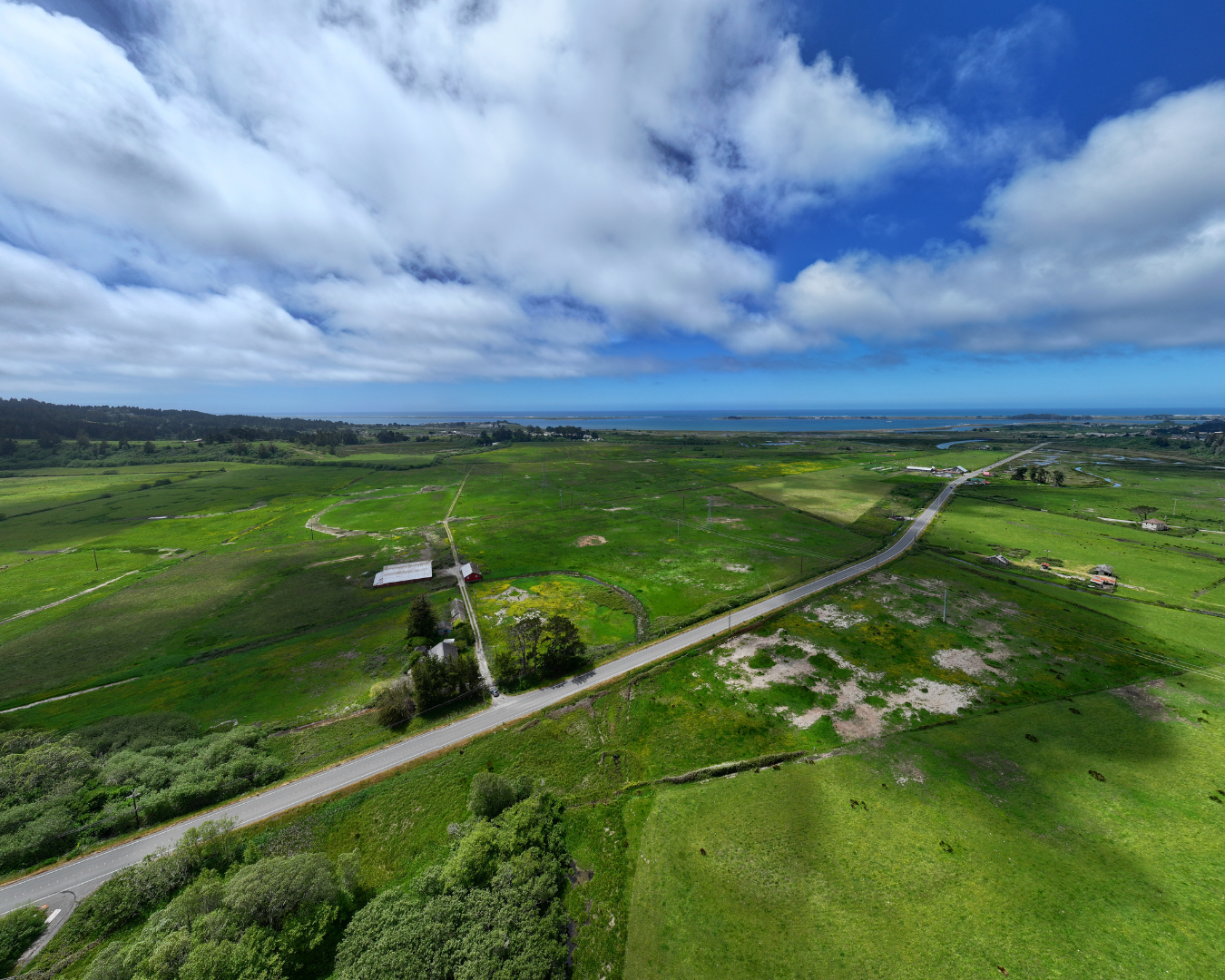
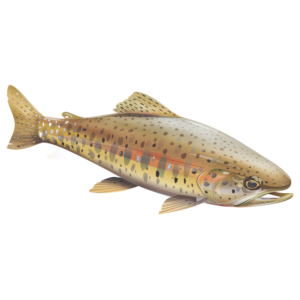
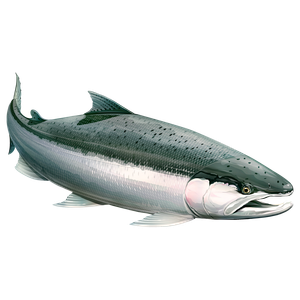
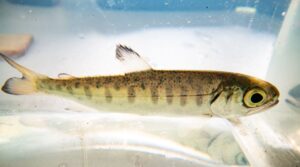
The Elk River is the largest freshwater tributary to Humboldt Bay and once supported abundant runs of coho and Chinook salmon, steelhead, and coastal cutthroat trout. Today, their populations have dwindled, highlighting how dramatically the watershed and its denizens have been impacted by human activities. Intensive logging has left the river choked with sediment, and CalTrout has been leading technical studies since 2014 to build a roadmap toward recovery.
The estuary itself has been equally altered. Like much of Humboldt Bay’s shoreline, the Elk River’s tidal marshes were diked and drained for agriculture, eliminating the habitat that coho salmon, tidewater goby, longfin smelt, and dozens of other species depend on. Now, climate change and sea level rise are accelerating the urgency, with conditions worsening.
What healthy estuaries do and why salmon need them
Hear from Katy Gurin, CalTrout’s North Coast Project Manager, about how we’re creating vital habitat in the Elk River watershed:
Restoration progress is underway
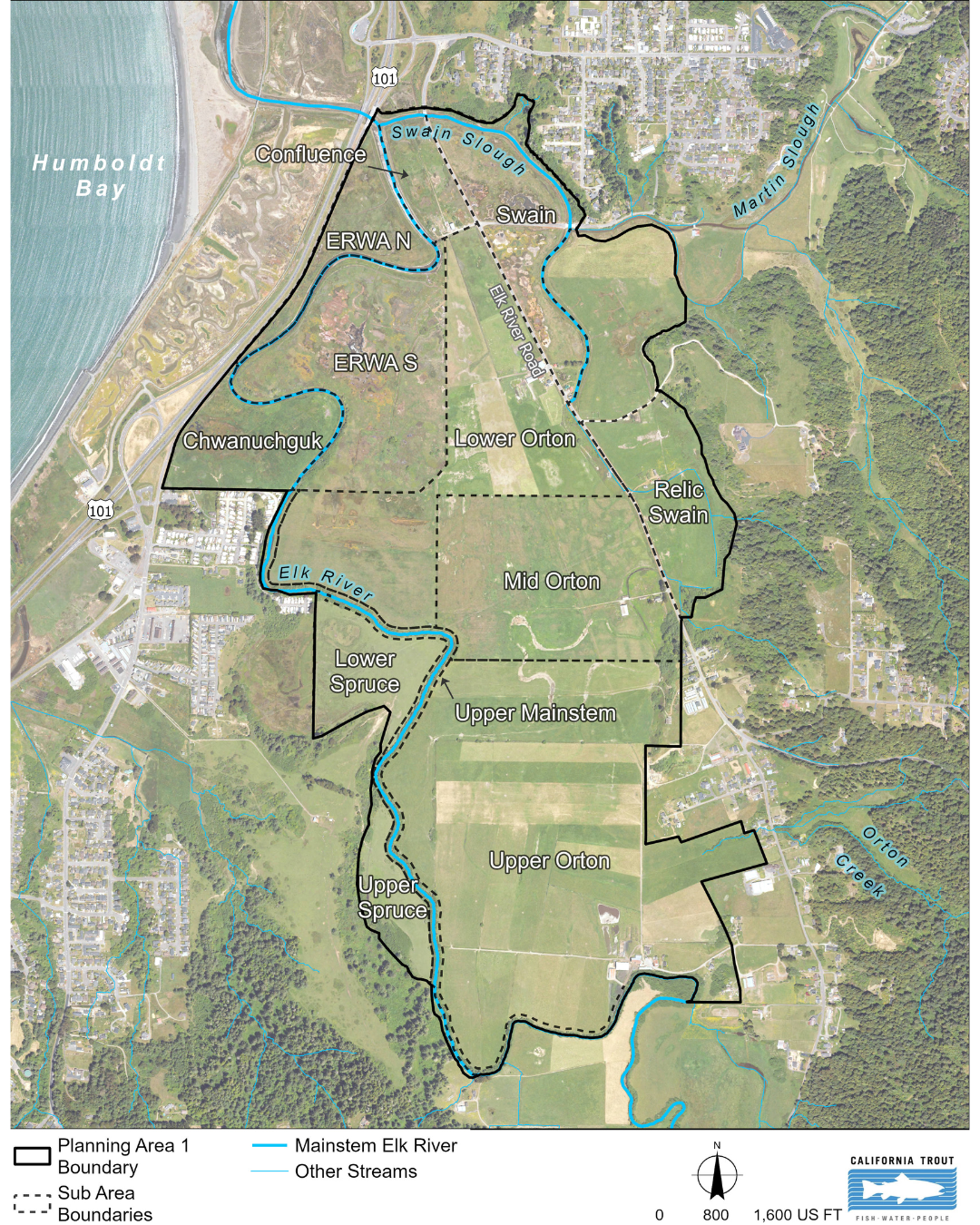
The Elk River Estuary restoration (Planning Area 1) spans 857 acres divided into 12 subareas, each with its own restoration goals. CalTrout’s design team — Northern Hydrology & Engineering, Stillwater Sciences, and GHD — has completed 65% design drawings for the full project. Construction-ready designs for Swain Slough, a 40-acre subarea, are complete and construction is slated for this summer.
CalTrout is also leading a managed retreat strategy, proactively acquiring agricultural lands at high risk from sea level rise through voluntary transactions with willing landowners. The program has already secured 175 acres of former tidelands, most of which will be incorporated into the state-owned Elk River Wildlife Area.
Returning land to the Wiyot People
Restoration of the Elk River is as much a cultural endeavor as an ecological one. In 2025, CalTrout purchased a parcel, known as Chwanuchguk, along the river using State Coastal Conservancy funds and returned it for stewardship to the Wiyot Tribe, who, before this transfer, held no land within the watershed despite it being their ancestral territory. Learn more about that land transfer HERE.
Wiyot Tribe Chairman Brian Mead shared the significance of the moment: “Chwanuchguk, ‘a ridge comes down there,’ is a traditional fishing village where Wiyot people lived, harvested food, and smoked fish since time immemorial. Access to the Hikshari’ (Elk) River and fish restoration on the Hikshari’ (Elk) River is of vital importance to the continuation of the Tribe’s cultural practices.”
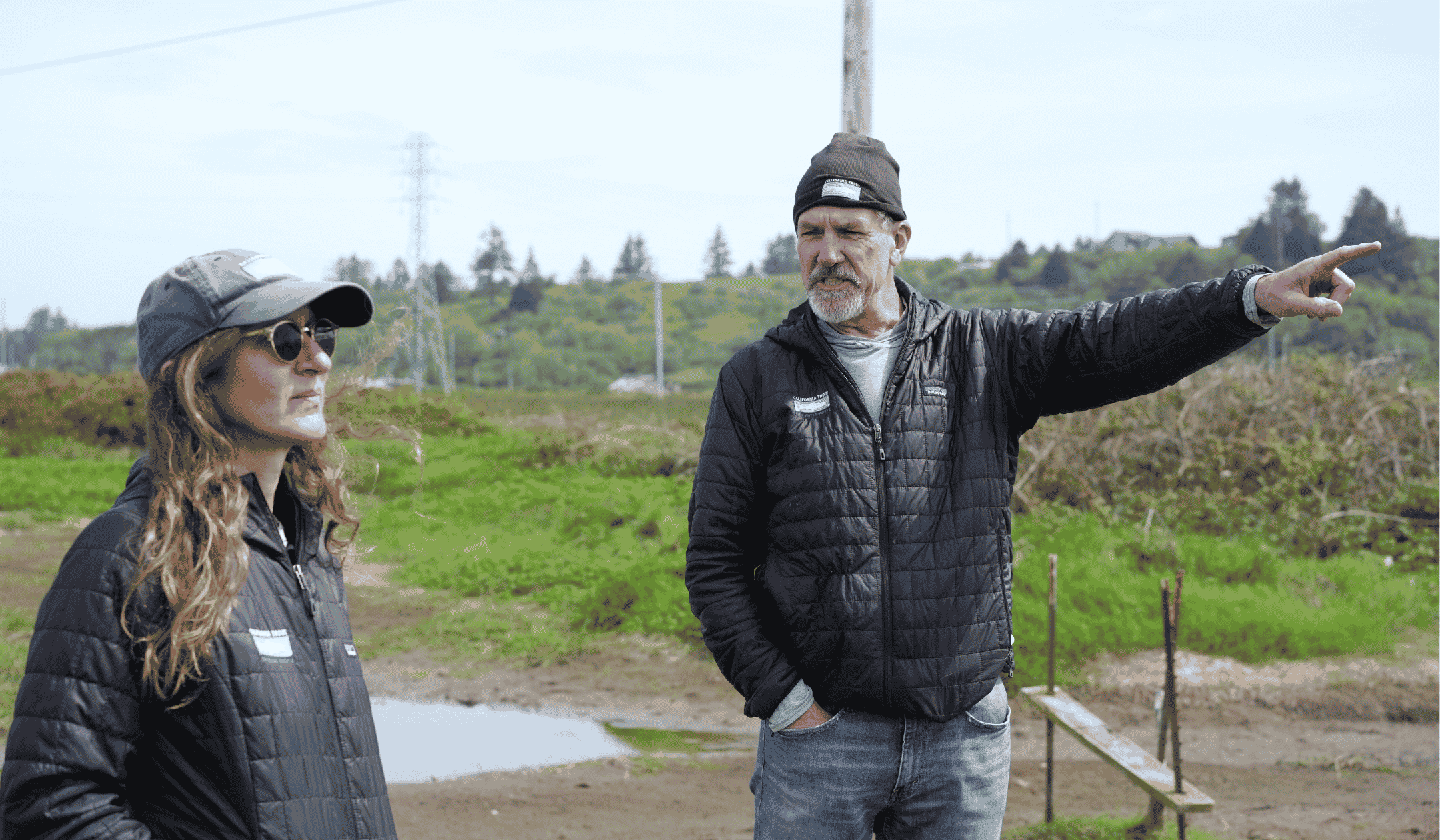
Hear from darren mieurau
Returning Chwanuchguk to the Wiyot Tribe
As always, none of this work could happen without a strong and diverse coalition of partners: Northern Hydrology & Engineering, Stillwater Sciences, GHD, the Wildlife Conservation Board, the State Coastal Conservancy, NOAA, the California Department of Fish and Wildlife, The Wiyot Tribe, the North Coast Regional Water Quality Control Board, and the Elk River community.
dive deeper
Explore StoryMap: Elk River Estuary & Lower Valley Restoration
This interactive ArcGIS StoryMap gives you a deeper dive into CalTrout’s restoration vision for the Elk River and how we plan to build resilience in the estuary.