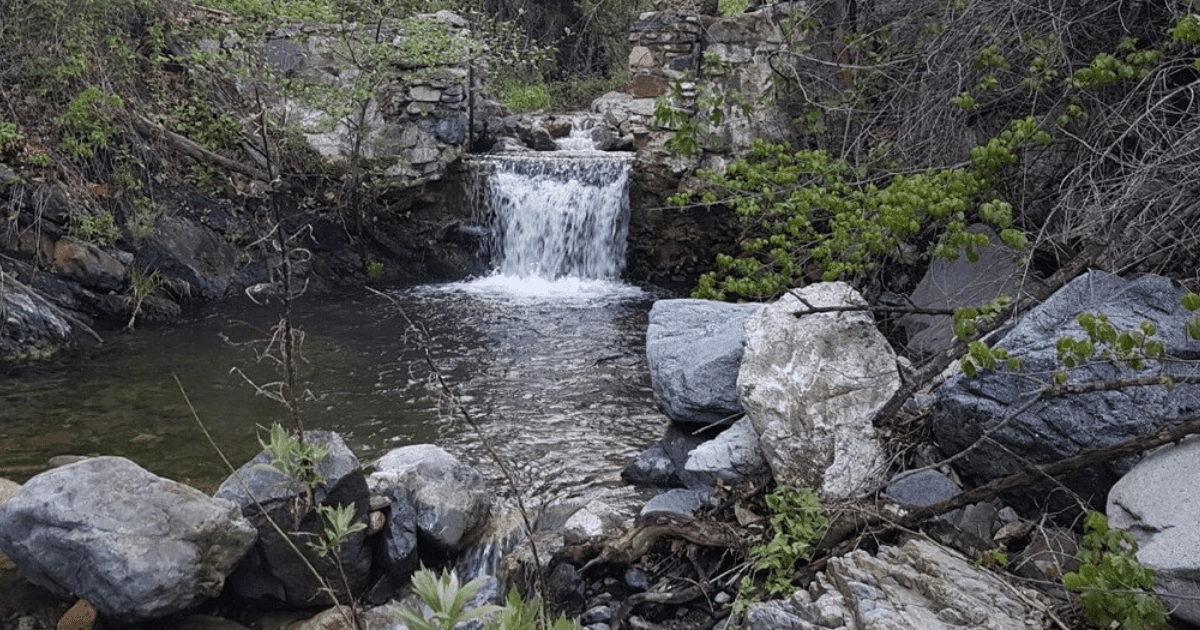
San Juan and Santiago Watershed Selected as one of 2020’s 10 Waters to Watch

Trabuco District Dam Removal Project
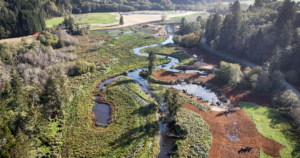
In 2014, the Cleveland National Forest (CNF) initiated an effort to restore the migratory corridors for fish and other aquatic species in the San Juan and Santiago Watersheds by removing the remnants of small (approximately 2 – 15 ft) dams constructed by Orange County (California) between 1940-70s.
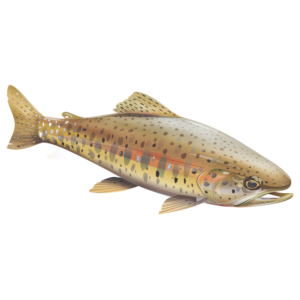
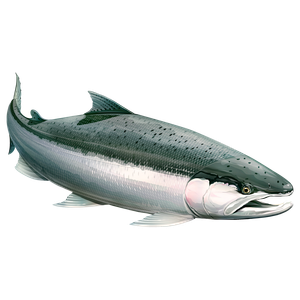
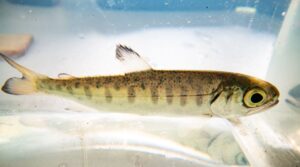
Removing dams and other barriers to passage in the coastal rivers of southern California is one of the most important and effective ways to aid in the recovery of endangered Southern California Steelhead (SCS) trout and other threatened species like the Arroyo chub and Arroyo toad.
Removing small, often obsolete, dams like these not only benefit fish and aquatic habitat and increases resiliency, but also helps ensure public safety by reducing potential flooding hazards.
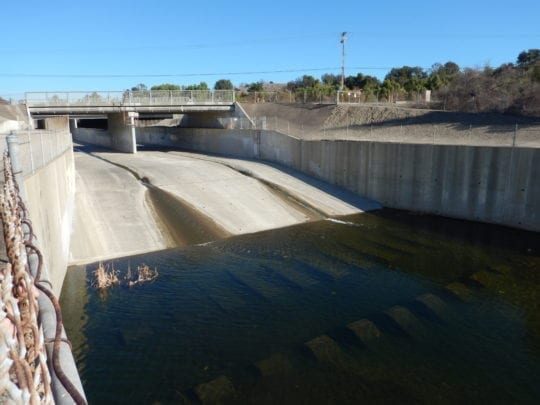
One of these fish passage barriers include CalTrout’s I-5 Trabuco Creek Fish Passage Project. This project will enable steelhead passage through this total barrier at the Interstate 5 bridge array on Trabuco Creek and Reconnec Habitat access to 15 miles of upstream high quality spawning and rearing habitat.
Removing these dams provides benefits up and downstream of the removal site. Barrier remediation improves access to spawning and rearing habitat and restores gravel and sediment transport downstream.
Restoring sediment transport has long-range benefits of increasing habitat quality and facilitating sediment transport to beaches and estuaries to prevent coastal erosion.
This project is also part of the broader South Coast Steelhead Coalition effort, led by CalTrout in partnership with Trout Unlimited, which brings together >35 federal, state, local agencies, tribal nations and environmental groups to implement steelhead recovery and community benefit projects in the four highest priority rivers in San Diego, Orange and Riverside counties, such as San Juan Creek.
What is NFHP’s 10 Waters to Watch list?
The 10 Waters to Watch list, assembled annually by the nation’s leading authorities on aquatic conservation, is a collection of rivers, streams and shores that will be cleaner and healthier habitats for many fish and wildlife species and the people who call these areas home.
Thanks to the combined actions of concerned community groups, non-profit organizations, local watershed groups, Native American Tribes, and state and federal agencies, these waters are being improved by planting stream-side vegetation, removing structures blocking fish from habitat and protecting bodies of water from the effects of industrial processes, agriculture, and livestock.
These efforts are representative of projects executed by various Fish Habitat Partnerships (FHPs), which implement the National Fish Habitat Action Plan at the regional level, to reverse persistent declines in an aquatic habitat, with the goal of improving these habitats through community-based conservation efforts.
California Fish Passage Forum
The California Fish Passage Forum (Forum) is one of 20 nationally recognized fish habitat partnerships (FHPs), with a mission to protect and revitalize anadromous fish populations in California by restoring connectivity of freshwater habitats throughout their historic range.
National Fish Habitat Partnership
The National Fish Habitat Partnership (NFHP) is an organization established to protect, restore and enhance the nation’s fish and aquatic communities through partnerships that foster fish habitat conservation and improve the quality of life for the American people.
Questions? Contact Alicia Marrs, California Fish Passage Forum Coordinator aliciamarrs@cafishpassageforum.org