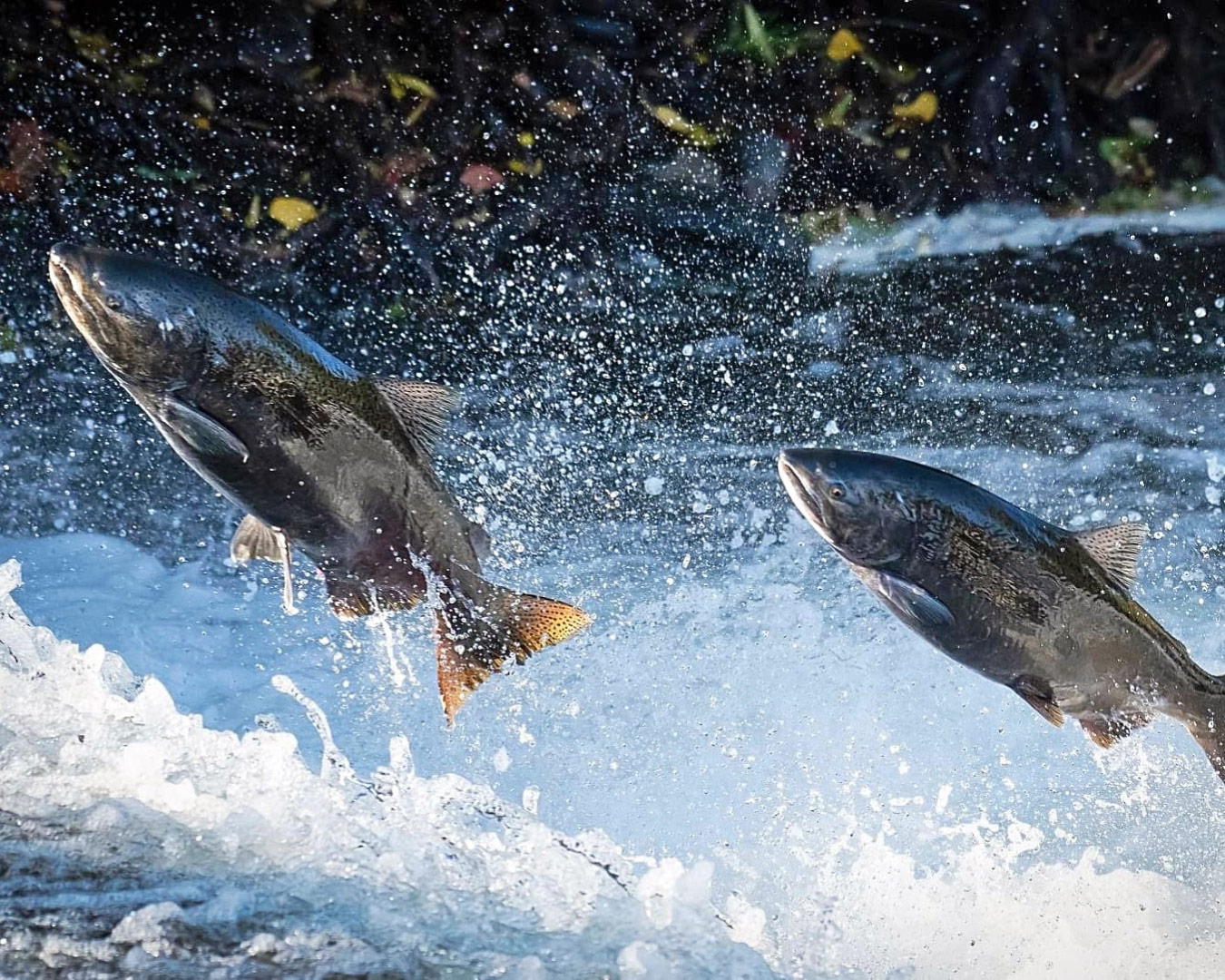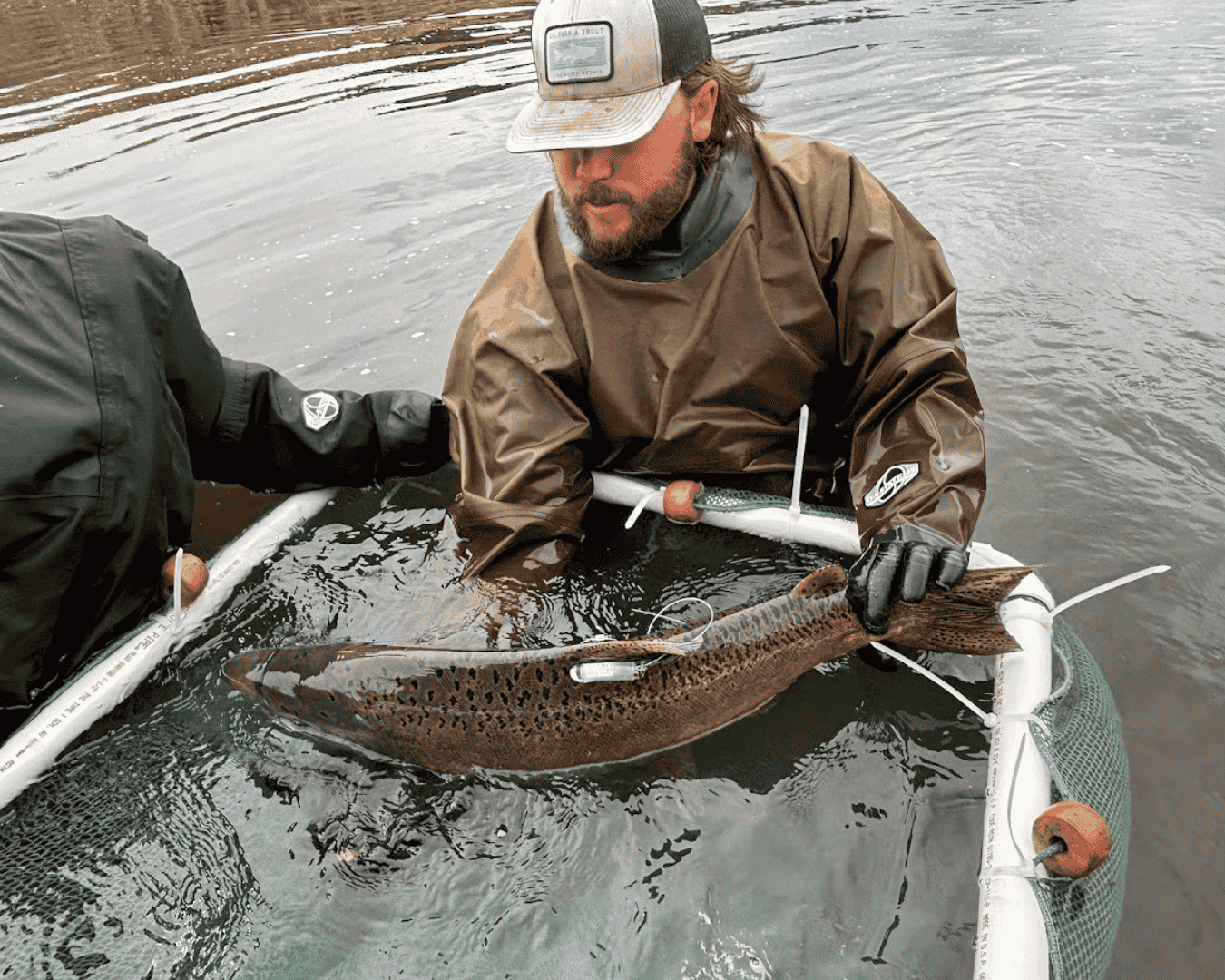
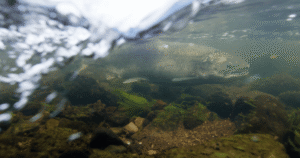
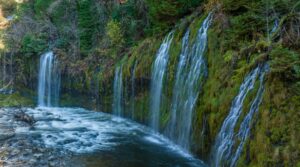

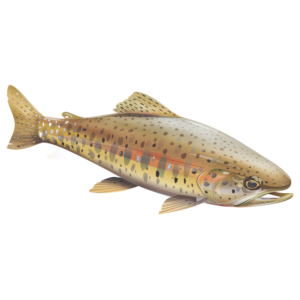
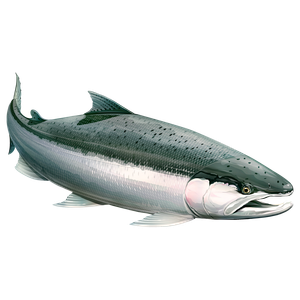
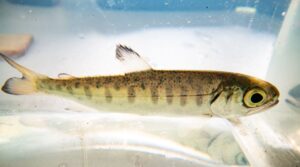
Today it is rare to see a Southern steelhead in the wild, but there was a time when these fish were abundant, swimming in and out of Southern California’s watersheds in the tens of thousands. Our South Coast Region team is working tirelessly across the lower half of the state to provide additional opportunities for these fish to take advantage of – and to prevent the irreversible loss of this iconic Southern California fish species.
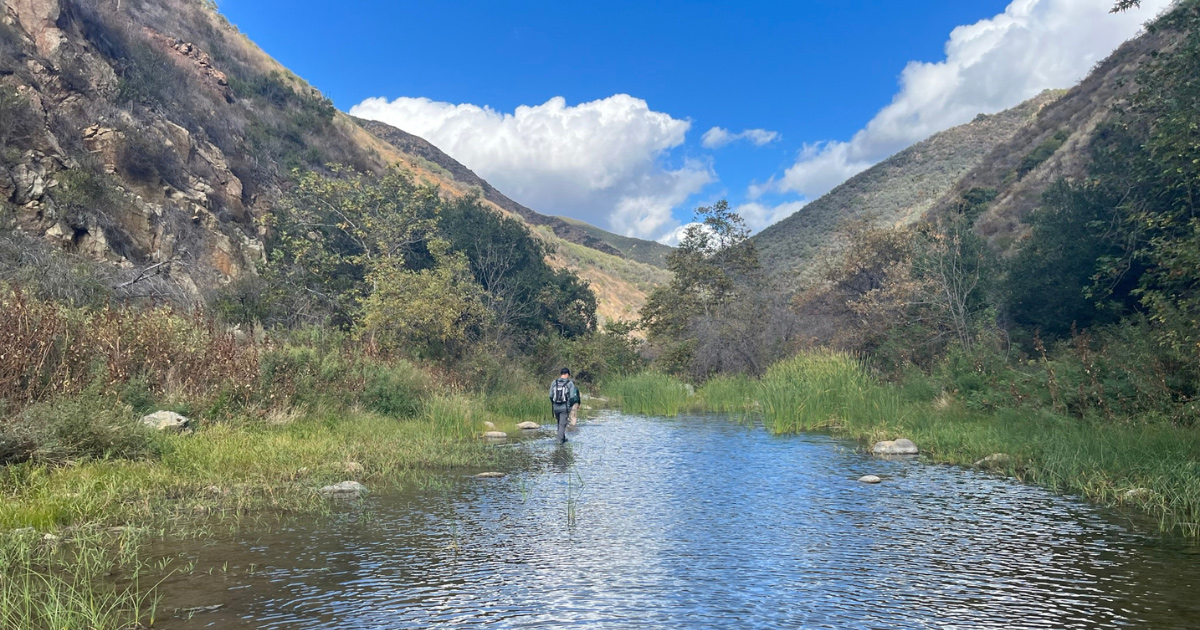
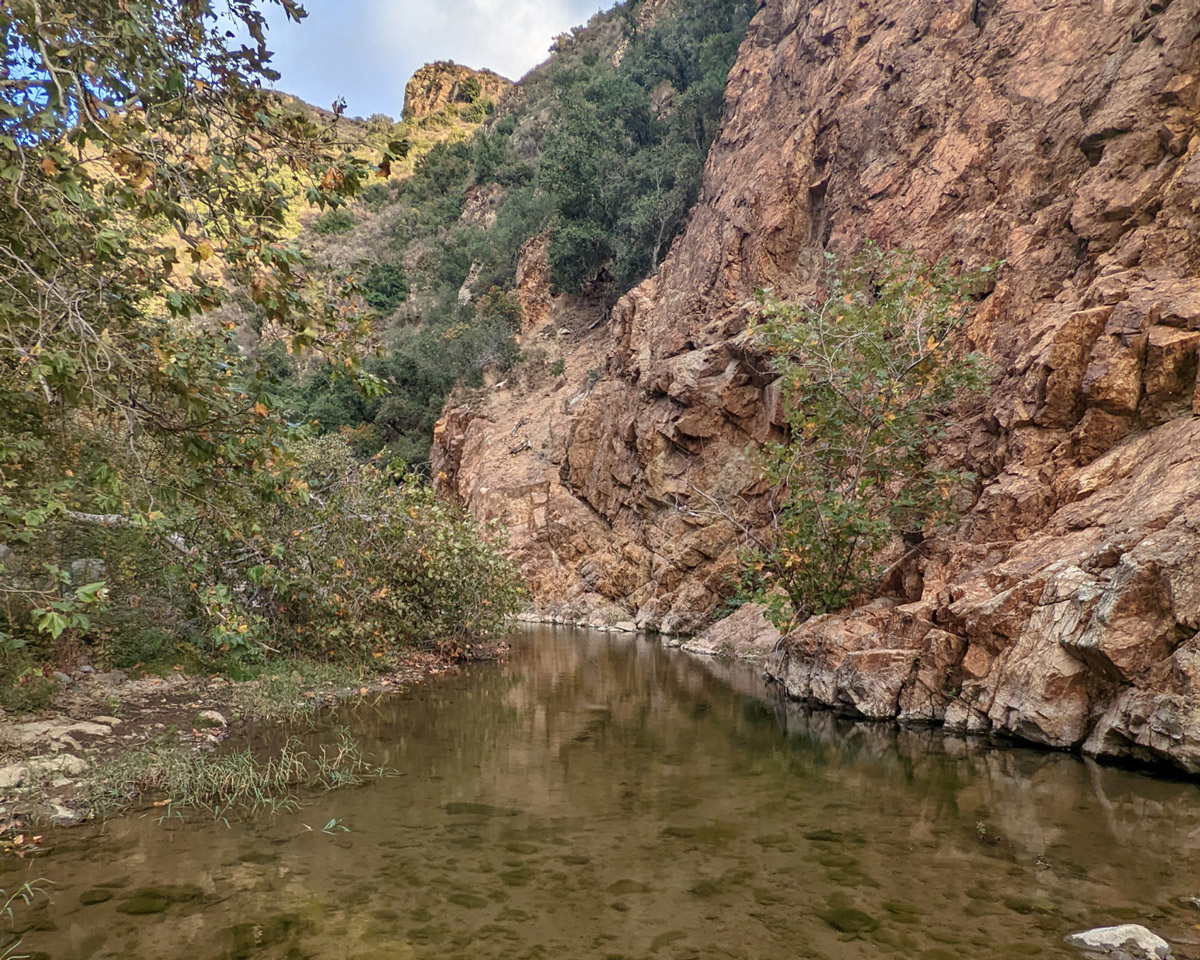
San Mateo Creek offers prime spawning habitat for Southern steelhead, but the watershed currently has invasive fish not native to our coastal watersheds which outcompete steelhead for resources and degrade water quality. In December 2023, CalTrout and our partners launched a new project to develop the San Mateo Watershed Plan to eliminate these invasive aquatic species and improve spawning and rearing habitat for steelhead, while benefitting other native species including the California Newt, arroyo toad, arroyo chub, and Southwestern Pond turtle.
“If steelhead were to enter this stream and not be outcompeted, the watershed is pristine enough that it should be able to sustain populations of Southern steelhead year after year,” explained Nate Yancheff, project lead for CalTrout.
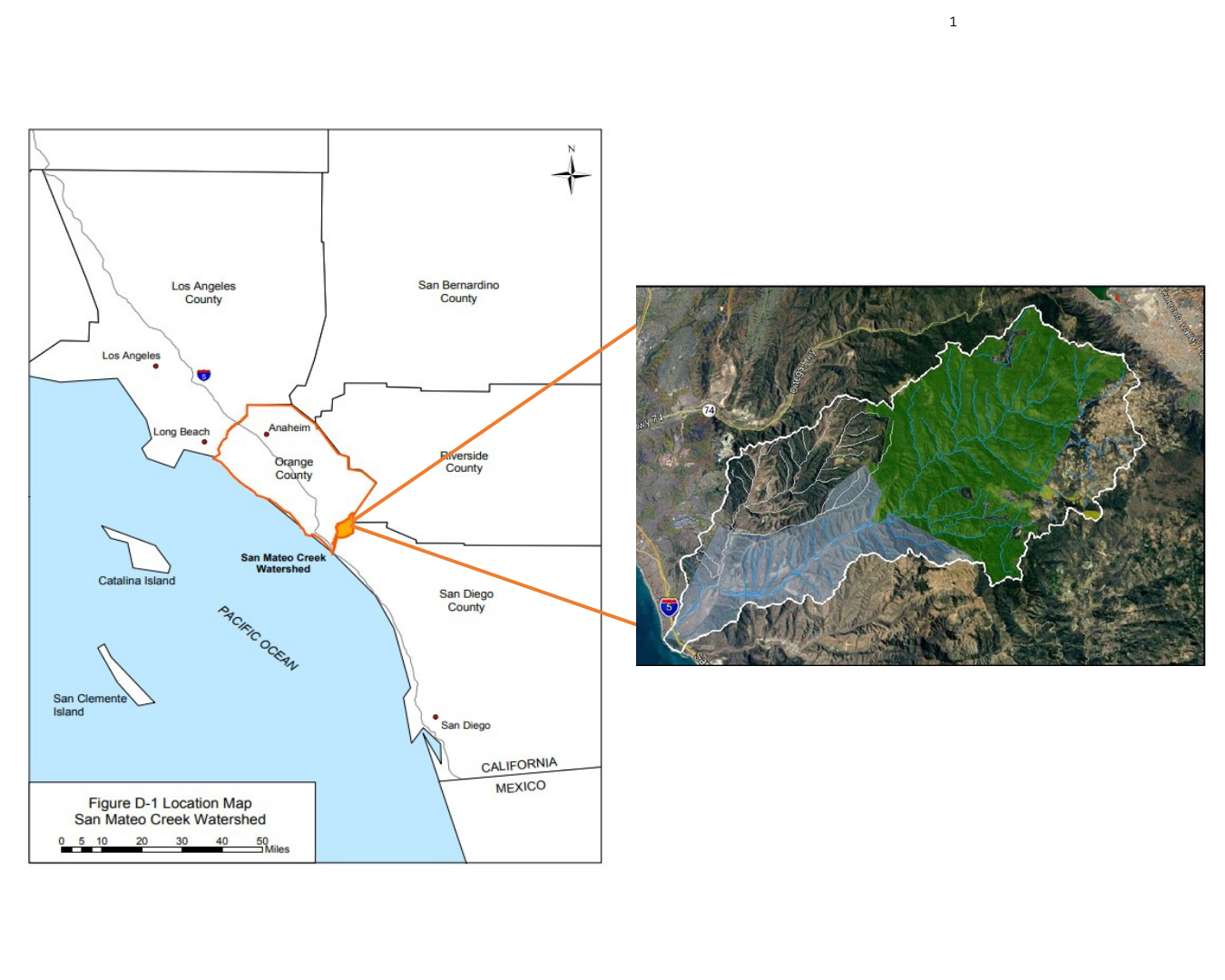
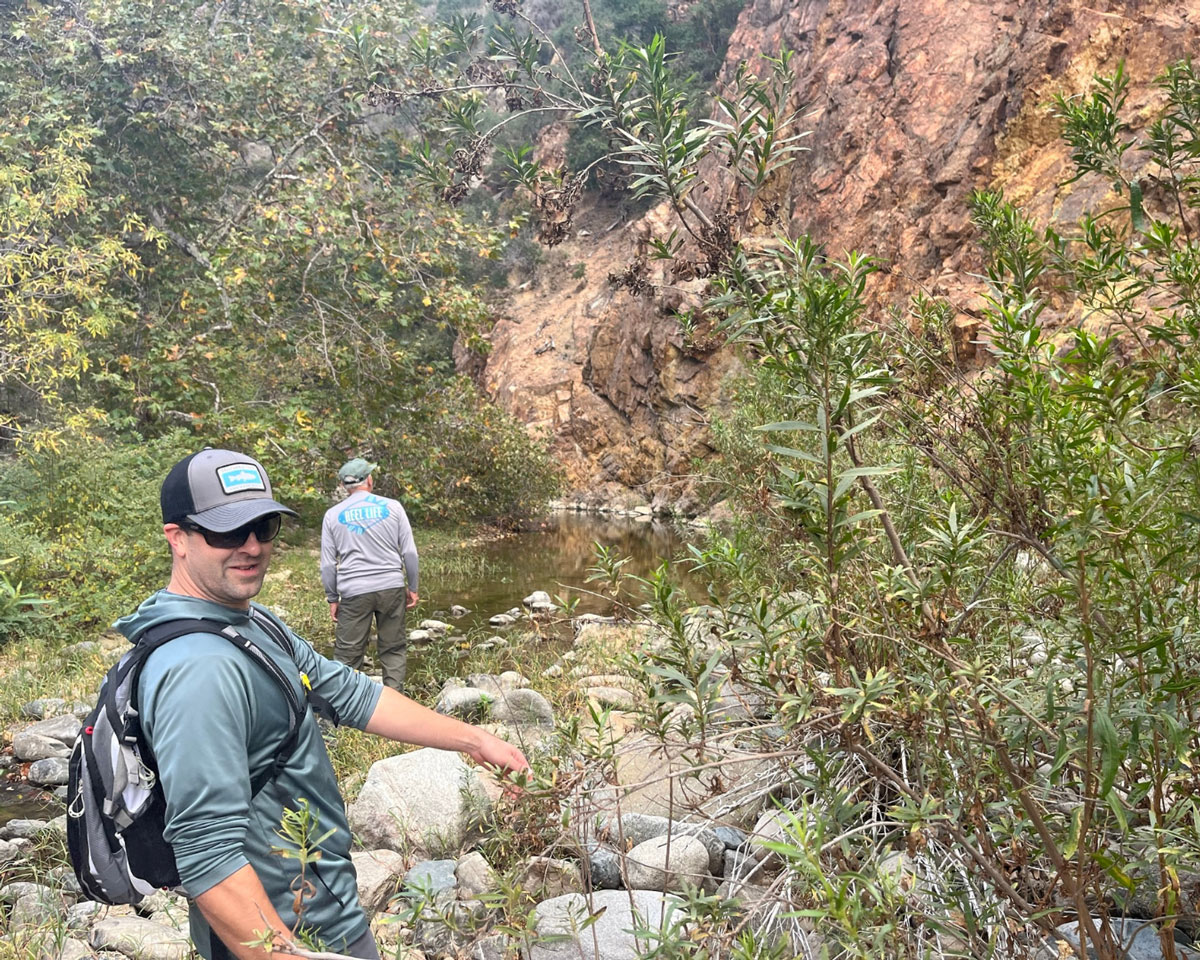
San Mateo Creek meets the Pacific Ocean near the border of Orange County and San Diego at Trestles Beach, a popular surf spot. Much of the creek runs through Camp Pendleton, a Marine Corps base camp, and we are thrilled to partner with the Marine Corps on the development of this watershed plan. The upper watershed is managed by the Cleveland National Forest, some of which is designated wilderness. The project is funded by Cal EPA in coordination with the San Diego Regional Water Quality Control Board, another crucial project partner. The full Technical Advisory Committee (TAC) for this project is currently being recruited to represent state and federal agencies, Camp Pendleton, Acjachemen tribal nation, and environmental and restoration practitioners. One of the key components of this project involves outreach to private landowners in the upper watershed who may have ponds stocked with non-native fish. The San Mateo Watershed Plan will be a developed as a collaborative effort among the TAC members and community.
Invasive Fish as “Pollutants”
Total Maximum Daily Load (TMDL) is a common metric used by entities like the Regional Water Quality Board to limit chemical pollutants that might enter a watershed and impact its “Beneficial Uses”. For San Mateo Creek, one of the “Beneficial Uses” of this watershed is its ability to support endangered native fish populations. Because invasive fish are threatening Southern steelhead survival, the Regional Water Quality Board is taking a proactive approach to treat invasive fish like a pollutant and set a TMDL for them in San Mateo Creek.
Where are these invasive fish coming from?
Much of the watershed is in public ownership or on open space, but in the upper watershed portions of the creek or its tributaries are adjacent to privately owned land with constructed ponds. Many of these ponds contain sunfish, bass, crayfish, and other non-native species. During the rainy season, the ponds often flood, flushing water into San Mateo Creek and bringing the invasive fish along. These invasive fish thrive in the watershed, reproducing, and multiplying. Our project team is looking forward to engaging in outreach and education with these landowners as we work together to understand how we can maintain these ponds while also protecting native fish.
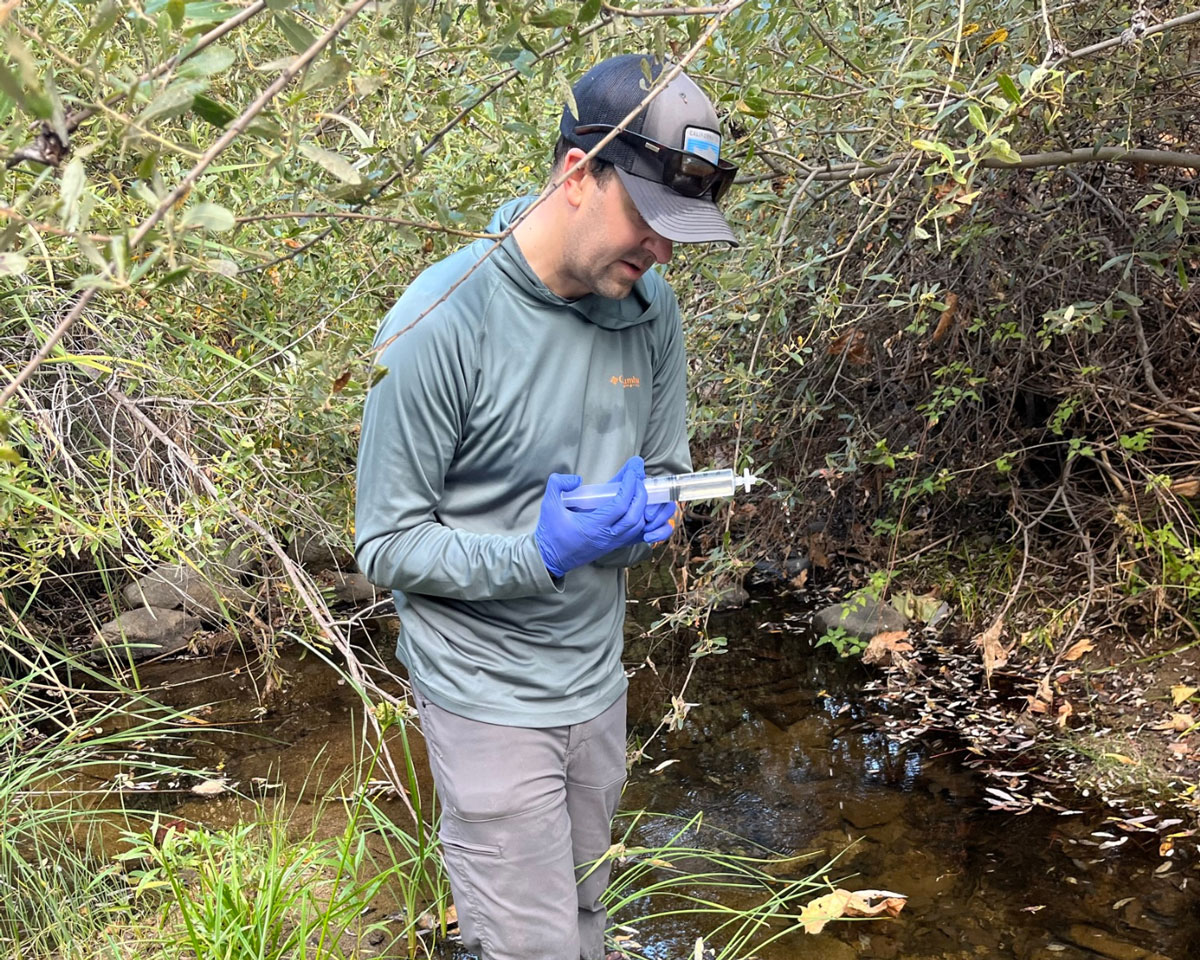
To understand more about the presence of invasive species and how it varies throughout the watershed, we conducted environmental DNA tests, called eDNA which can identify tiny amounts of DNA shed into the stream even if the fish are few and far upstream. Water samples collected at three different sites in San Mateo Creek will be sent to a lab for molecular amplification and analysis. This data will also provide us with more information about how or if Southern steelhead are using the creek. The results of this data are currently processing and will be available in early 2024 – stay tuned for our findings!
Southern steelhead populations have been decimated at the southern end of their native range, plummeting from tens of thousands to a few hundred remaining adults due to habitat loss, fragmentation, and degradation from urbanization. Despite being federally listed as endangered over 25 years ago, Southern steelhead populations have not rebounded. CalTrout took an essential step in 2021 to further support protection and recovery of Southern steelhead by filing a petition with the California Fish and Game Commission to list the fish as endangered under the California state Endangered Species Act. The petition was warranted as containing sufficient evidence and is currently under a year-long status review by California Department of Fish and Wildlife (CDFW). CDFW should have their findings published soon.
As climate change continues to increase water temperatures and alter flow regimes along the entire west coast, Southern steelhead could be critical to the long-term resiliency of its northern relatives as Southern steelhead are uniquely adapted to Southern California’s warmer Mediterranean climate.
“Another one of the cool things about Southern steelhead is that they are so opportunistic,” Yancheff said. “They’re not like salmon, who return to the same stream that they were born in. Instead, they find whatever opportunity is available to them to get up a stream as fast as they can, and then they decide whether they’re going to turn around and come back to the ocean. San Mateo Creek could give these fish an additional opportunity to work with.” San Mateo Creek is one of few coastal streams that does not have barriers to steelhead migration in the lower watershed, thus access to historic spawning and rearing habitat is readily available.
Much of CalTrout’s work in our South Coast Region strives to provide these additional opportunities for Southern steelhead. From the Ventura River watershed to Malibu Creek to the Santa Margarita River, we are actively working towards restoring and reconnecting high-quality habitat for Southern steelhead. Explore some of our South Coast Region’s work below.