CalTrout and The Conservation Angler are joining forces to help answer one of the biggest questions in river restoration: What happens after a river is reconnected?
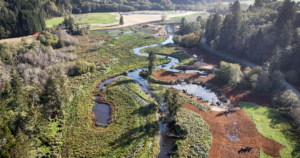
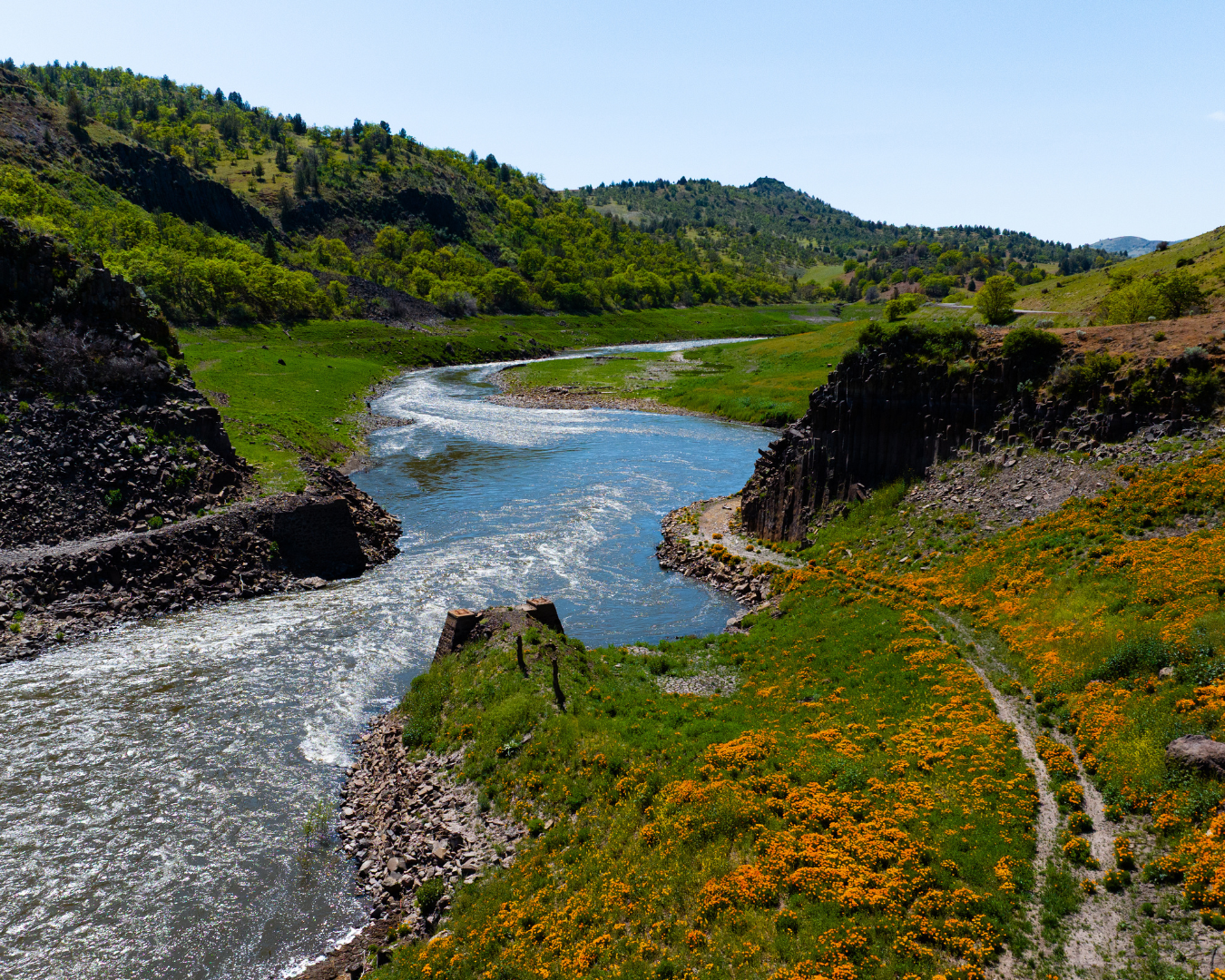
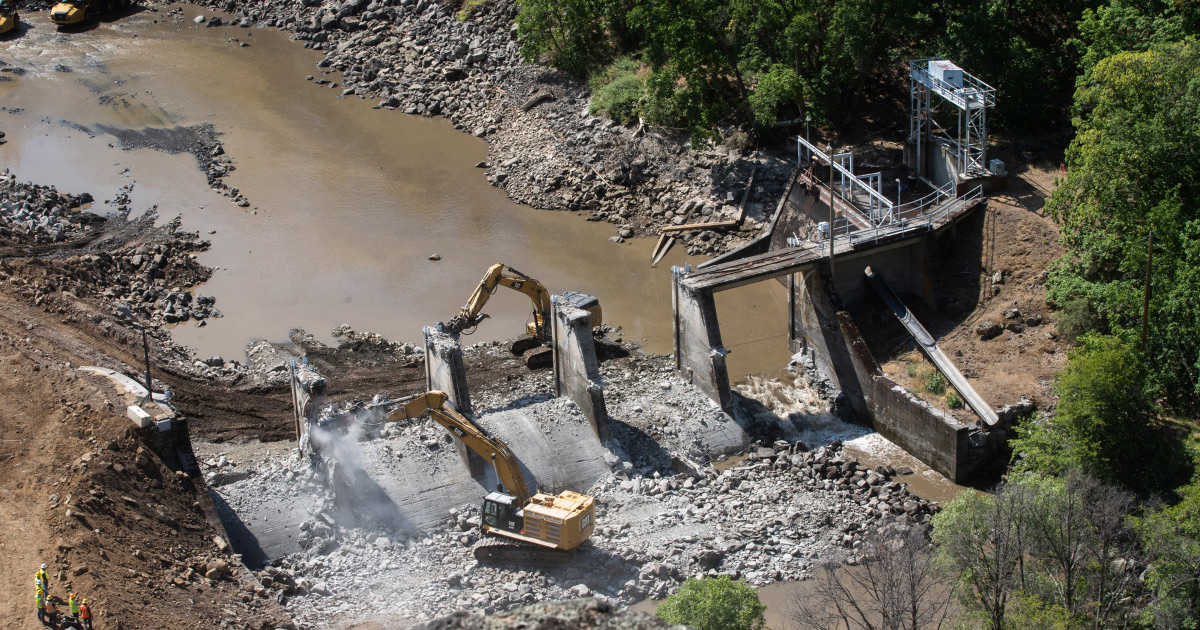
When the last of four dams came down on the Klamath River, more than 400 miles of historic habitat reopened to salmon and steelhead for the first time in over a century. For many, dam removal represented the culmination of decades of work to restore a river. But for the fish, the real story is just beginning.
How will steelhead respond to this unprecedented reconnection? How quickly will they return to newly accessible habitat? Will resident rainbow trout above the former dams resume their ancestral migrations to the Pacific? And what will recovery actually look like in one of the most complex watersheds on the West Coast?
These are the questions at the heart of a new report, Steelhead Recovery After Large-Scale Dam Removal: A Biology-Driven Monitoring Framework for the Klamath River, co-authored by scientists and fisheries experts from California Trout, The Conservation Angler, Tribal partners, state agencies, and universities across the region.
The report also marks the beginning of an exciting new partnership between CalTrout and The Conservation Angler, two organizations united by a shared belief that effective conservation depends on both bold action and rigorous science.
“The Klamath River dam removals created an extraordinary opportunity—not just to restore access to habitat, but to fundamentally improve our understanding of steelhead recovery,” said Damon Goodman, CalTrout Regional Director. “By partnering with The Conservation Angler, we’re bringing together complementary expertise to ensure that this historic moment generates the science needed to guide steelhead conservation for generations to come.”
Understanding a Fish That Defies Simple Answers
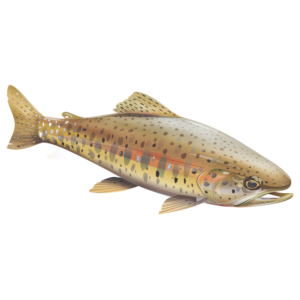
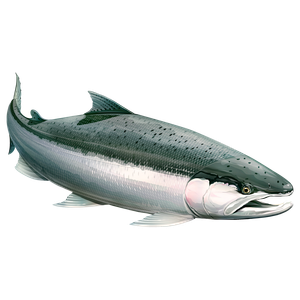
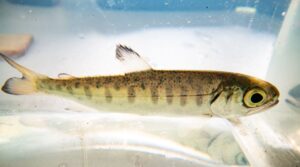
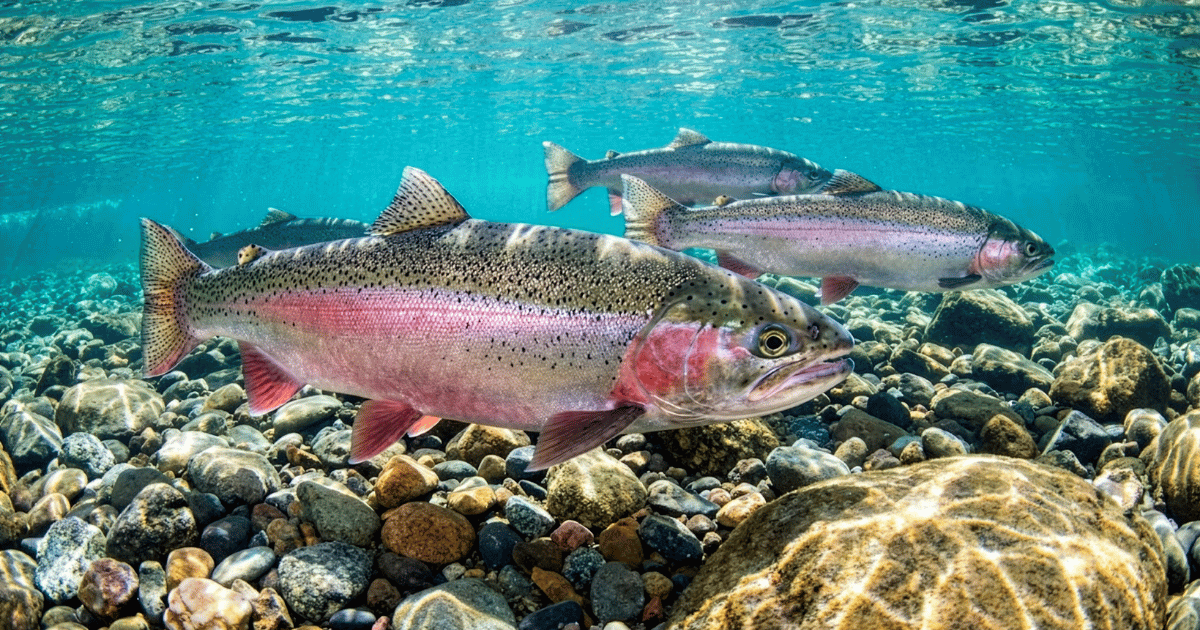
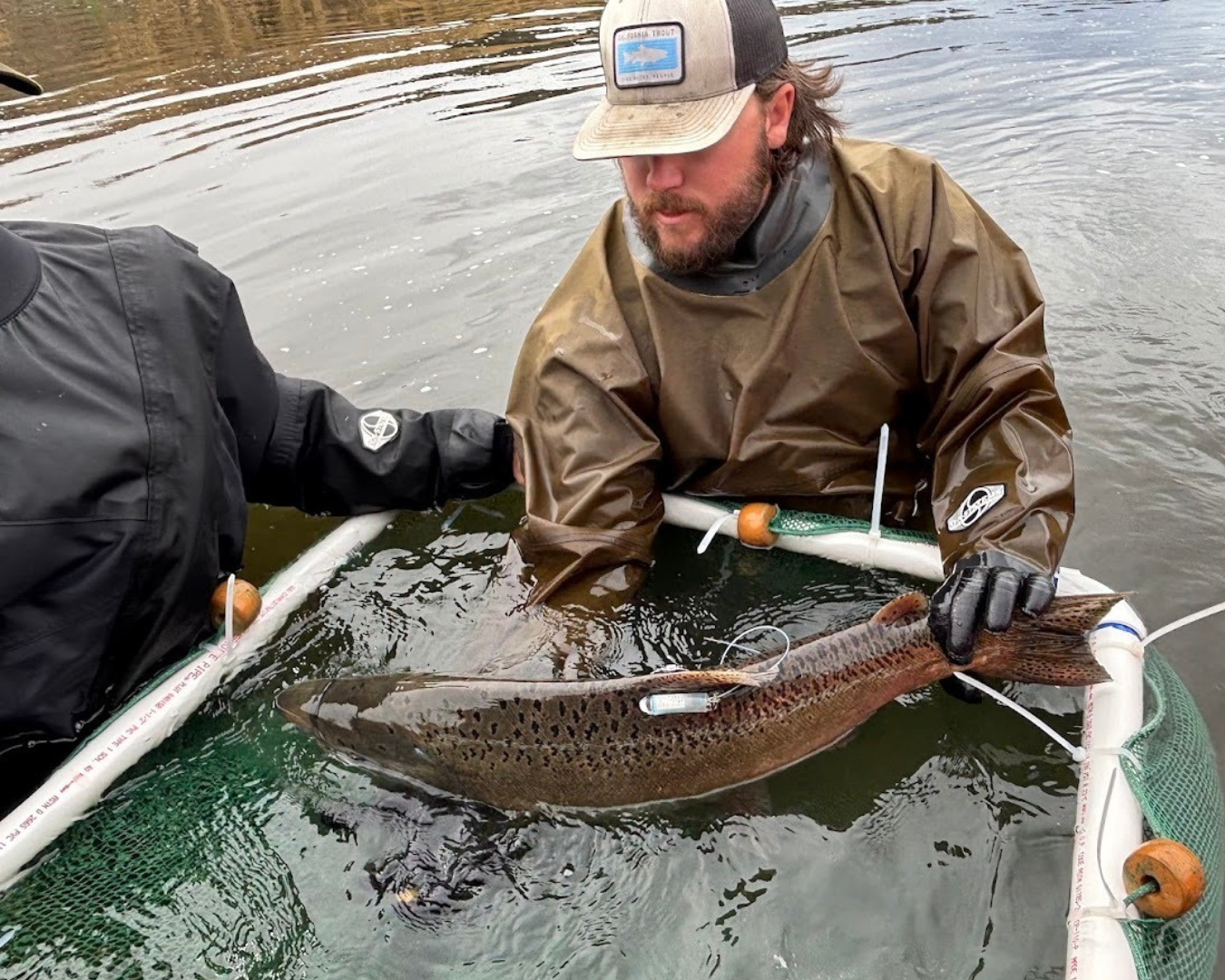
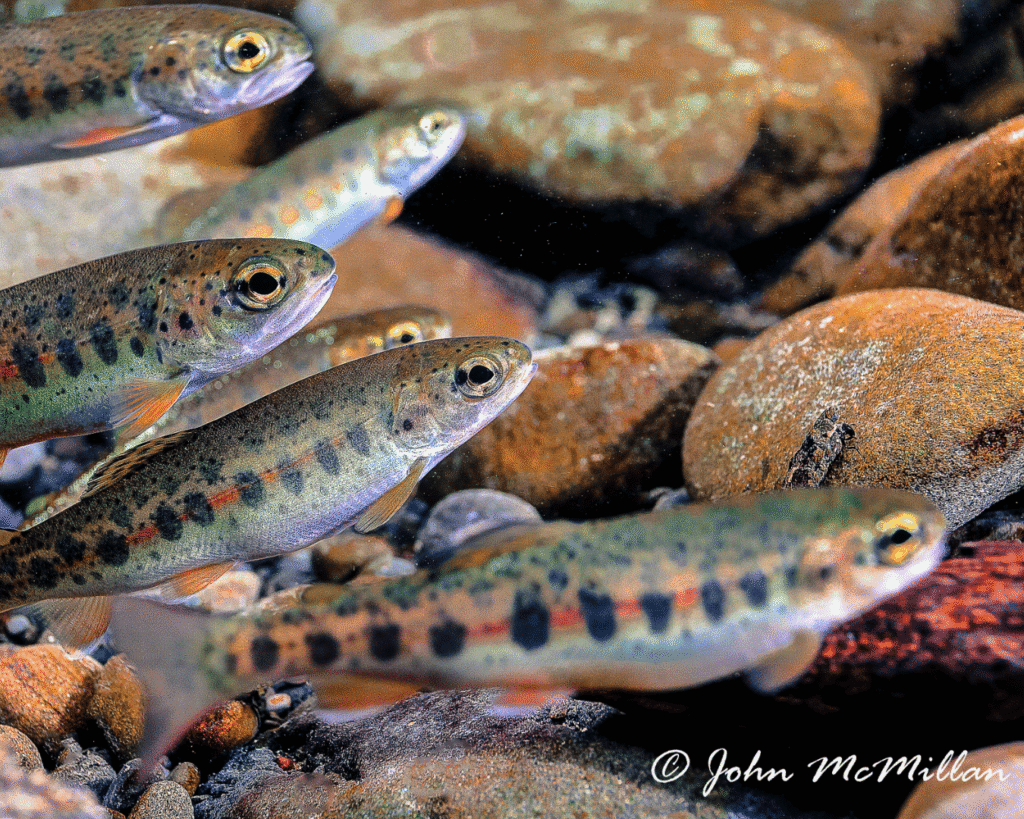
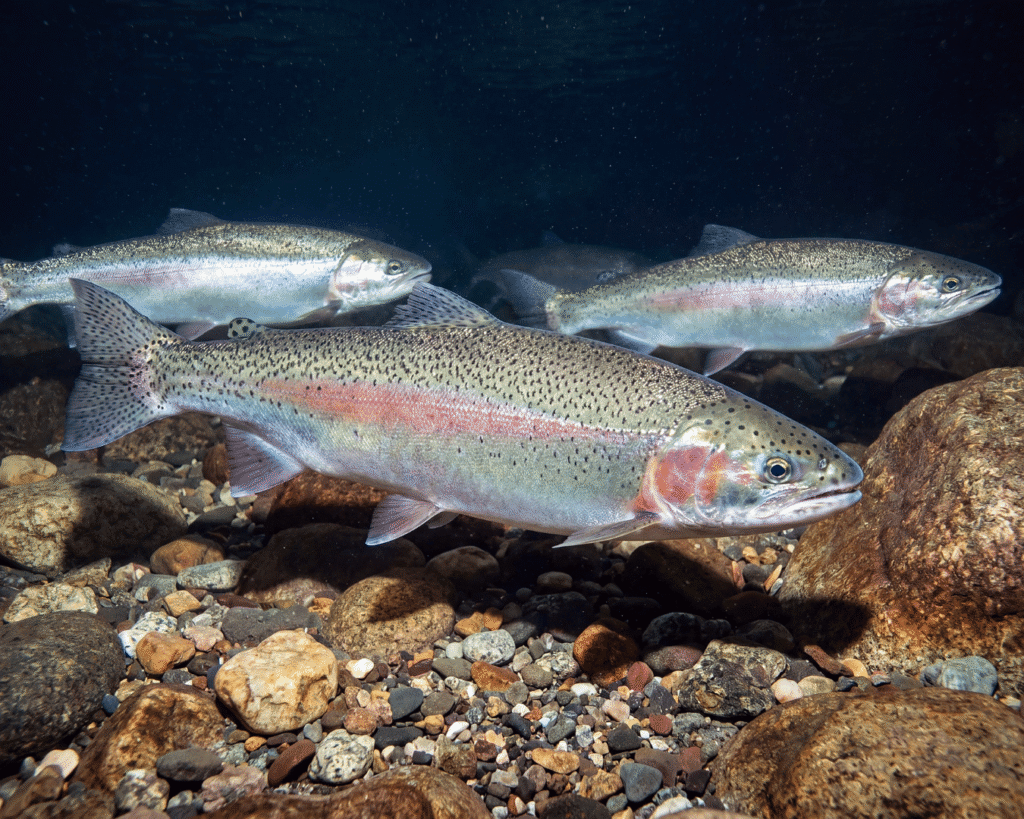
Steelhead are remarkable fish. Unlike salmon, which tend to follow more predictable life cycles, steelhead exhibit extraordinary flexibility. Some migrate to the ocean and return to freshwater to spawn. Others remain in rivers and lakes as resident rainbow trout. Some spawn multiple times throughout their lives. Others take entirely different migratory pathways. That complexity is part of what makes steelhead so resilient—and so difficult to study.
The report highlights a critical reality: steelhead recovery cannot be measured simply by counting the number of adults that return upstream. Recovery may occur through multiple pathways, including resident rainbow trout re-expressing anadromy, shifts in life-history diversity, and changes in genetic structure that emerge long before increases in abundance become apparent. To truly understand whether restoration is working, scientists need to track how steelhead move through the watershed, where they spawn, how they grow, and which life-history strategies persist over time.
Learning From the Fish—and the People Who Know Them Best
The Klamath presents a once-in-a-generation opportunity to understand how a species with diverse life histories responds to restoration at a watershed scale. Drawing lessons from Washington’s Elwha River—where dam removal led to rapid and sometimes surprising steelhead responses—the report outlines a comprehensive framework for monitoring recovery in the years ahead.
The framework centers around four key questions:
- How rapidly and how extensively will steelhead recolonize newly accessible habitat?
- What role will resident rainbow trout play in rebuilding steelhead populations?
- How will life-history diversity and genetic patterns change as connectivity is restored?
- What do these changes mean for the long-term productivity and resilience of Klamath steelhead?
Answering those questions will require innovative approaches that integrate genetics, juvenile monitoring, adult fish counts, habitat assessments, and long-term tracking across the basin. It will also require collaboration—and not just among scientists.
One of the report’s most innovative elements is its emphasis on angler-science. By collecting scale samples, tissue samples, and observations from across the watershed, trained anglers can help scientists better understand fish movements, identify life-history patterns, and expand monitoring into places and seasons that traditional field crews may struggle to reach.
“Anglers have always been among the first people to notice when something changes on a river,” said Dr. George Pess, Chief Operation Officer and Director of Science at The Conservation Angler. “The opportunity in the Klamath is to pair that deep, place-based knowledge with rigorous scientific methods. Angler-science allows us to expand our reach across this enormous watershed while creating a meaningful role for people who care deeply about the future of wild steelhead.”
The report identifies angler-science as a critical component of both short-term and long-term monitoring efforts, helping researchers collect biological information across a watershed too vast and dynamic to study through traditional methods alone.
A Partnership Rooted in Shared Values
For decades, CalTrout has worked to restore California’s freshwater ecosystems and reconnect rivers critical to salmon and steelhead. The Conservation Angler has championed science-based conservation strategies to protect wild steelhead throughout the Pacific Northwest. Together, our organizations recognize that the future of steelhead conservation depends on combining restoration, advocacy, and applied science.
“This partnership reflects the idea that no single organization can answer questions of this magnitude alone,” said Pess. “The Klamath is one of the most important opportunities we’ve ever had to understand how steelhead recover following large-scale habitat reconnection. The lessons we learn here will have implications for rivers across the West.”
The collaboration also underscores a broader commitment to ensuring that investments in restoration translate into measurable biological outcomes for fish populations themselves.
“The removal of the Klamath dams was never the finish line,” said Goodman. “Success will ultimately be defined by how these ecosystems respond and whether future generations inherit thriving, resilient steelhead populations. That means committing to the long-term science needed to understand what recovery truly looks like.”
The Work Ahead
The story of Klamath River steelhead won’t be written in a single season. Recovery may happen quickly in some tributaries and slowly in others. New life histories may emerge. Genetic diversity may shift. Some responses may take years—or generations—to fully understand. That’s why long-term monitoring matters.
As the report notes, whether this historic restoration effort yields robust scientific understanding or enduring uncertainty depends on our willingness to invest in understanding what happens next. The dams are gone. The river is connected once again. Now comes the work of listening to what the fish have to tell us—and building the partnerships needed to understand their response.
Through this new collaboration, CalTrout and The Conservation Angler are committed to ensuring that we have the science, community involvement, and persistence needed to learn from this extraordinary moment in conservation history—and to apply those lessons wherever wild steelhead still have a chance to thrive.
“We’re witnessing the beginning of a new chapter for the Klamath,” said Goodman. “The decisions we make now about how we study and support recovery will shape not only the future of this river, but our broader understanding of how wild steelhead respond when we give them the opportunity to come home.”
Read the full report: Steelhead Recovery After Large-Scale Dam Removal: A Biology-Driven Monitoring Framework for the Klamath River.
Watch more about the Klamath Dam removal and the return of salmon:
dive deeper
Journey through each of the dams included in CalTrout’s 2022 Top 5 Dams Out Report
This interactive ArcGIS StoryMap gives you a deeper dive into CalTrout’s vision for a California free of obsolete dams!