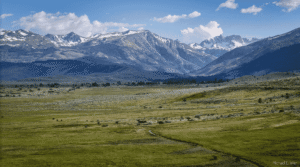
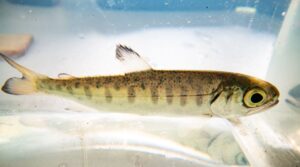
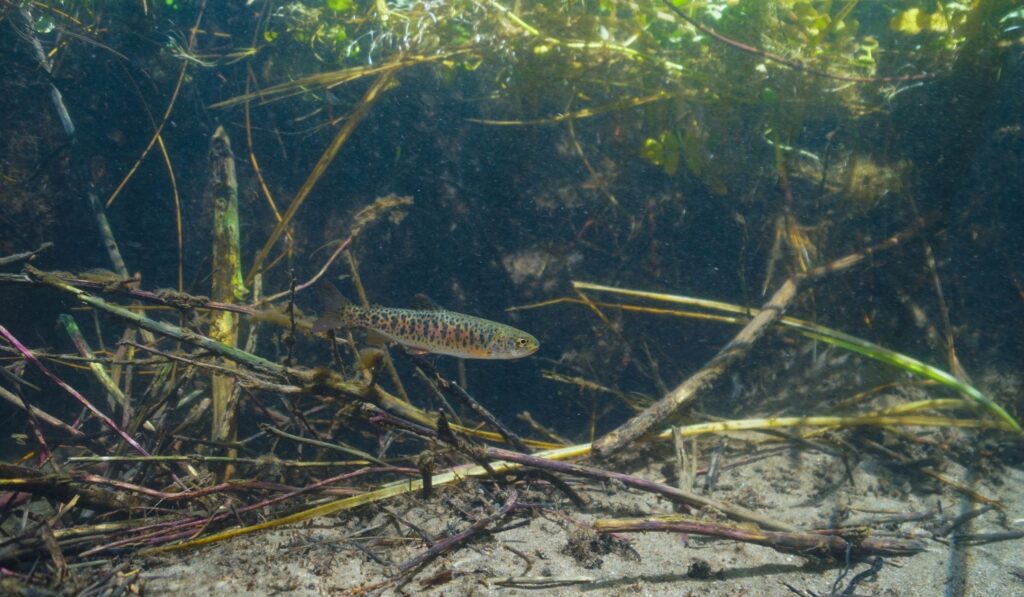
High in the Walker Basin, where the Eastern Sierra spills across the California–Nevada border, an imperiled native trout is hanging on. Lahontan cutthroat trout (LCT) once thrived throughout the region’s high-elevation streams and lakes. Today, roughly 95% of their historic California habitat has been lost. Non-native trout introductions and decades of land use change pushed this ancient fish to the edge. Now, protecting the handful of isolated, fragile populations, is critical.
CalTrout and our partners are working stream by stream to change that trajectory. Alongside the California Department of Fish and Wildlife, U.S. Fish and Wildlife Service, Humboldt-Toiyabe National Forest, Trout Unlimited, and the Walker Basin Conservancy, and with funding from the Keefe Family Foundation, we’re reclaiming waters where LCT can build durable, self-sustaining populations. It’s slow, careful work, but it’s exactly the kind of stronghold-by-stronghold recovery this native trout needs to persist in the waters it has called home for thousands of years.
Here’s a look at where that work stands across the region, and what it looks like up close from one of the impressive members of our field team.
Why every last trout matters
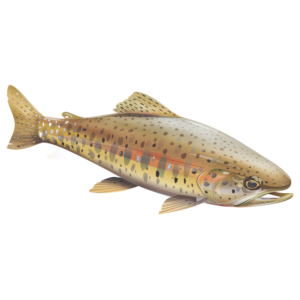
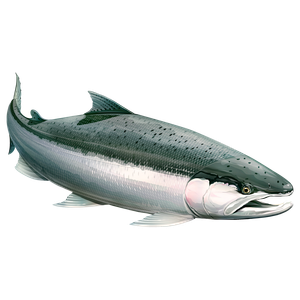
To recover LCT, we first have to remove the non-native trout that compete with them, and in the case of rainbow trout, interbreed with them. While rainbow trout are native to California, they are not native to this part of it, and ended up here through human intervention.
Rainbow trout and cutthroat trout are sister species that evolved from a common ancestor millions of years ago. They can still hybridize. Over generations of crossbreeding, rainbow trout genetics can work their way into a cutthroat population until the native fish is effectively lost.
That’s why removal has to be thorough. Andrew Notter, a field technician with CalTrout’s Rough Creek crew, put it simply:
“Walker Basin Lahontan cutthroat trout are an imperiled native fish with only a small number of genetically intact populations remaining in the region, and we are working incredibly hard to protect those genetics… all the work being done now really does come down to making sure we get every last rainbow trout out of the creek.”
Rough Creek: preparing a home for LCT
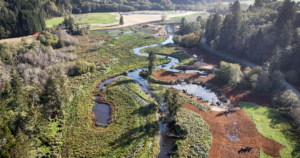
Rough Creek is a bi-state system spanning roughly 23 miles of stream. There are no LCT in it today. The long-term goal is to remove non-native trout throughout the system so Lahontan cutthroat trout can one day be reintroduced, a milestone still several years away.
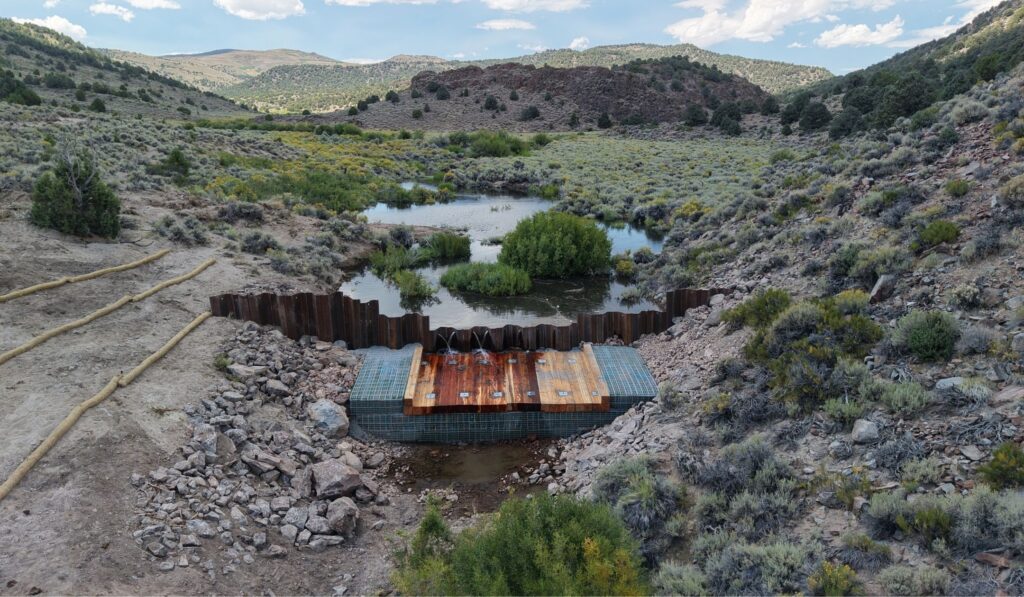
This summer marked two big steps forward. Crews installed a fish barrier to keep non-native trout from moving back upstream, and a 10-person technician crew has been working through the creek section by section to remove rainbow trout. The project depends on close coordination with agency partners and the landowners who share this watershed.
A day on the creek
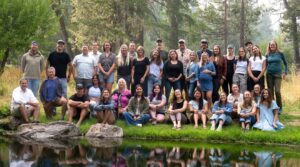
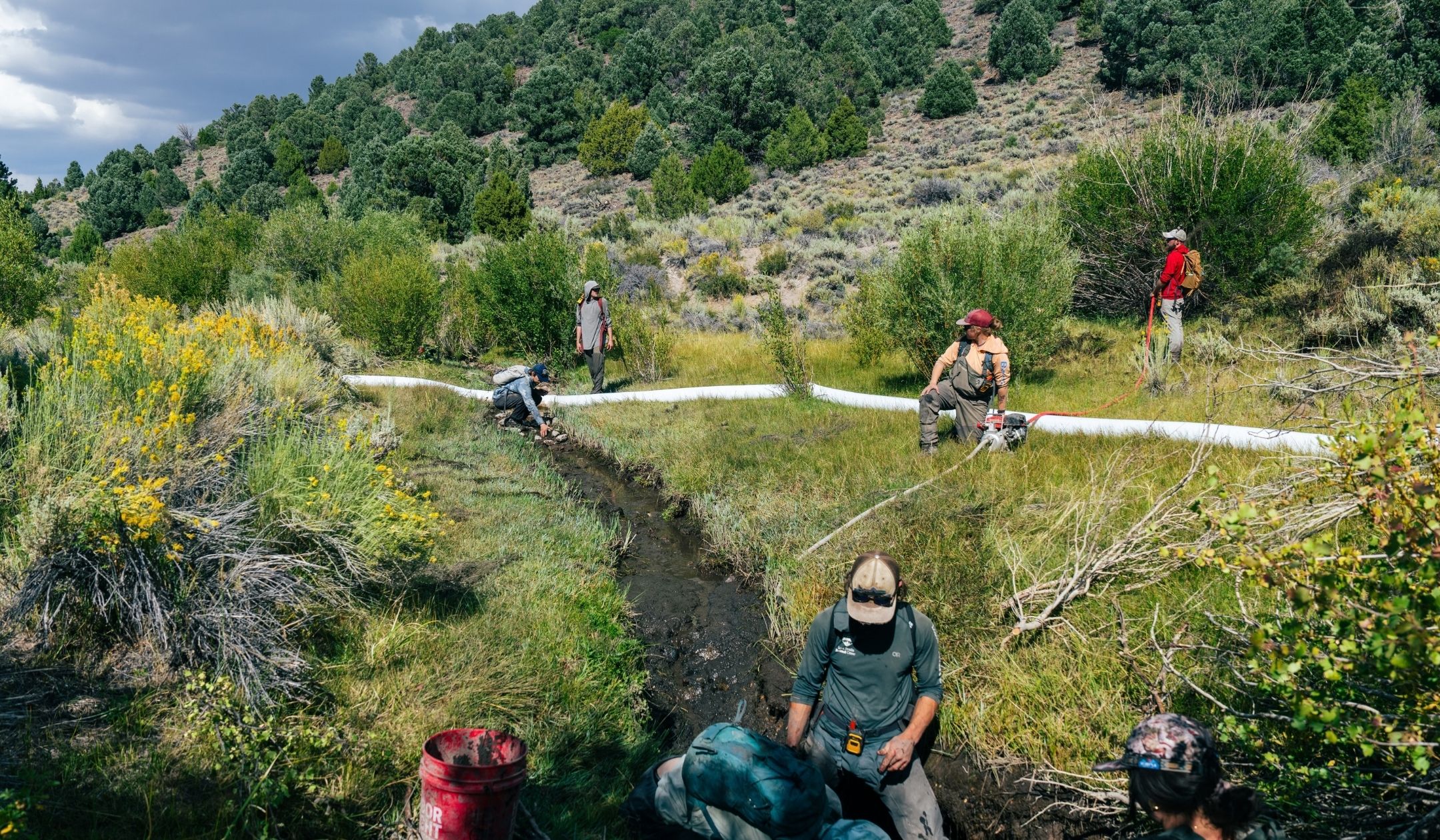
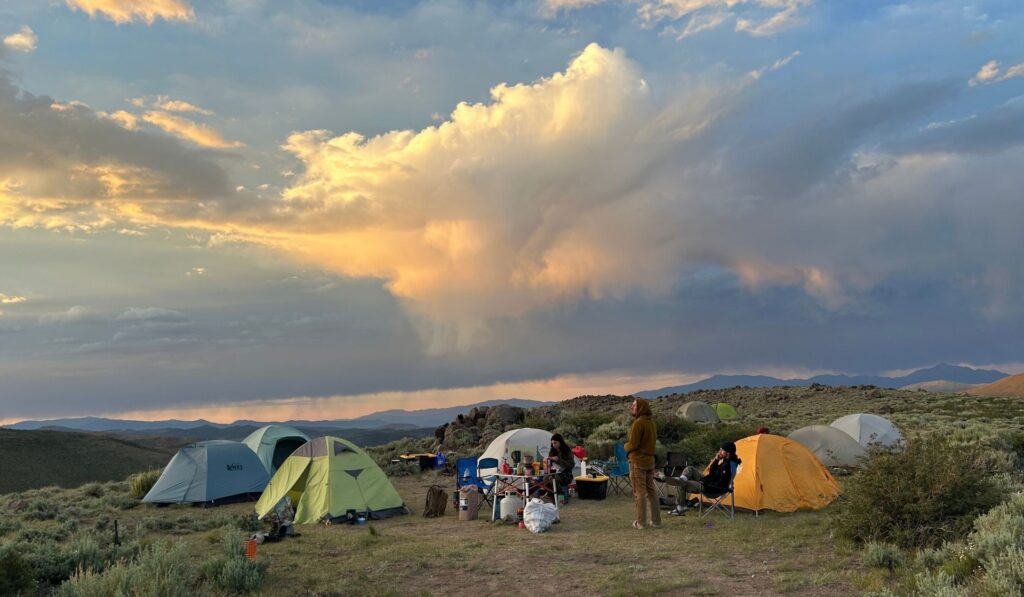
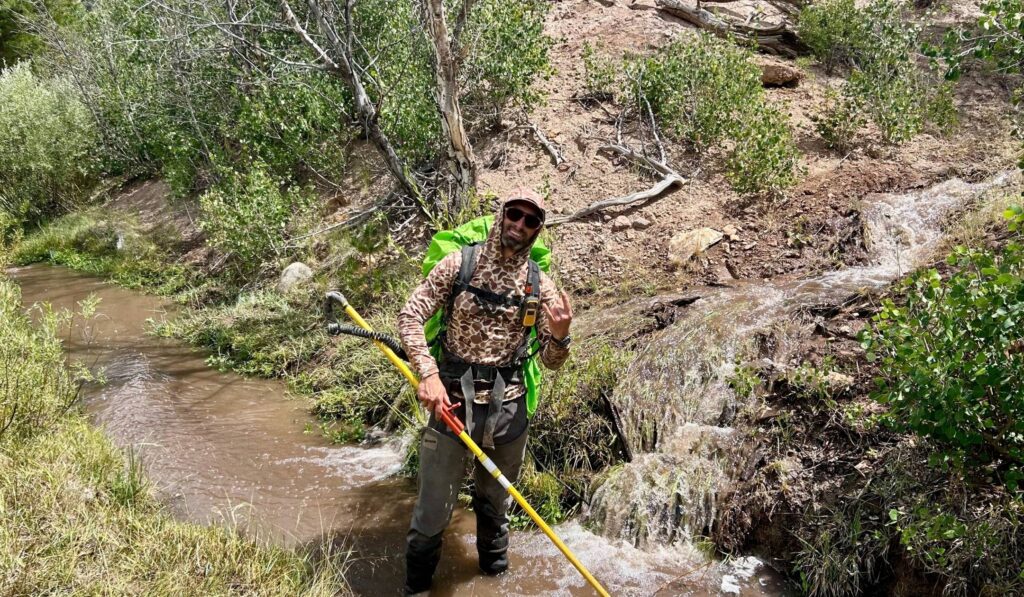
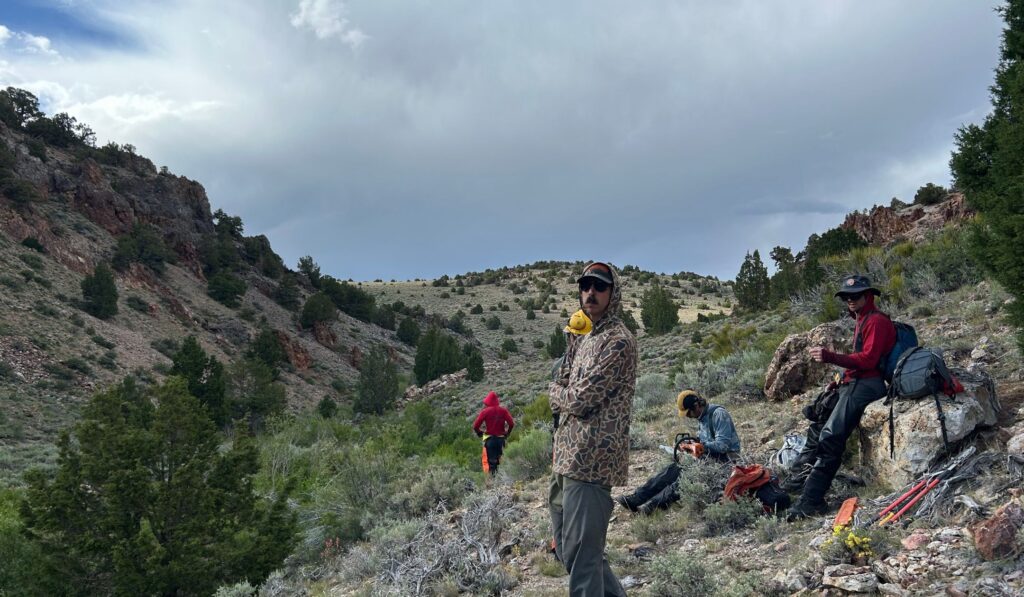
For Andrew and the crew, days start at 8 a.m. with a stretch circle and a morning meeting to assign roles. The crew is made up of a 10-person technician crew who works on site for 8 days at a time camping, where they are dewatering sections of the creek and then electrofishing the exposed low-flow channel. After the stretch circle, the real work begins.
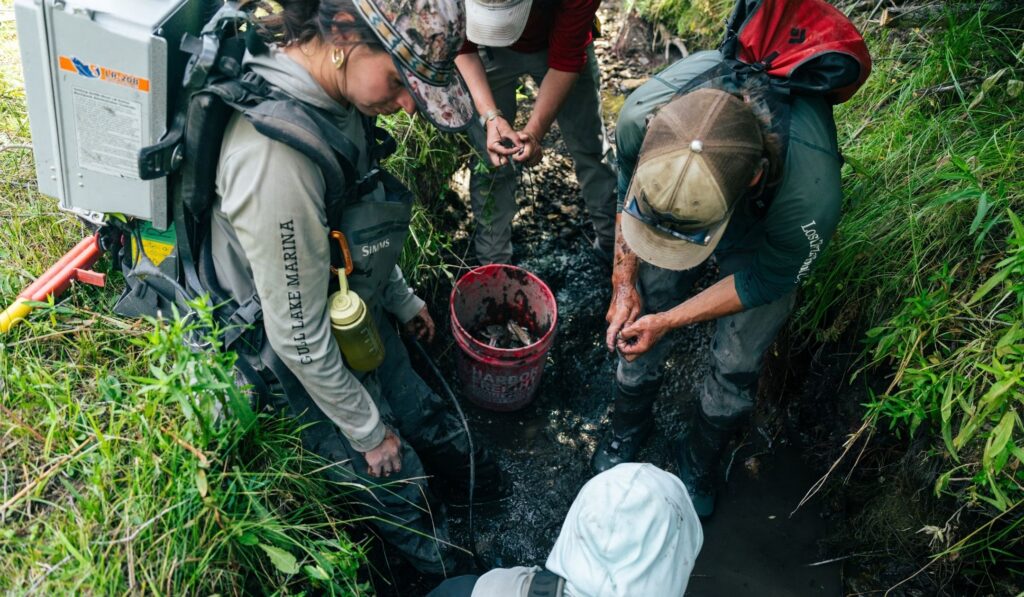
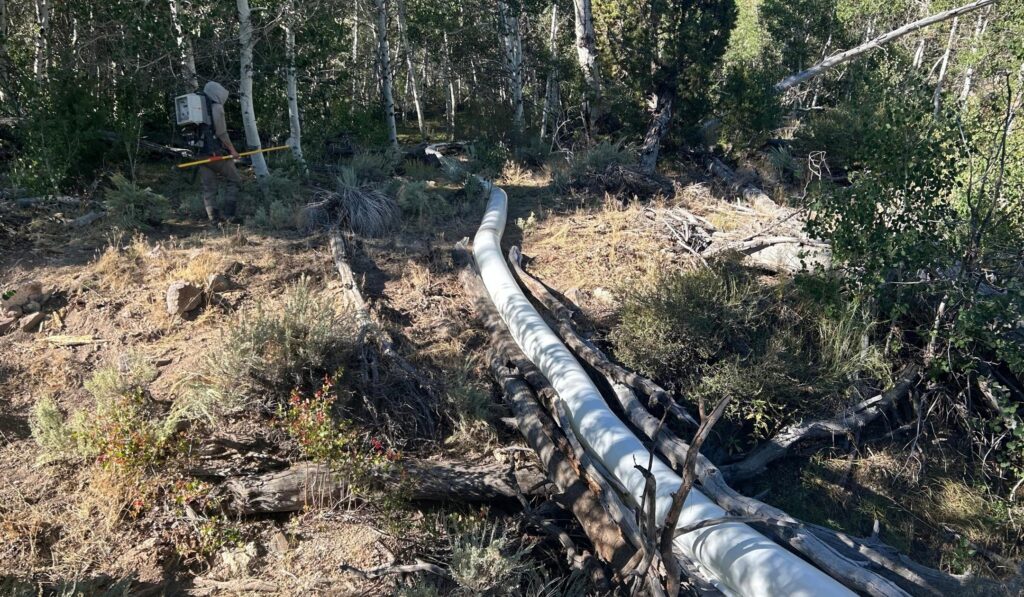
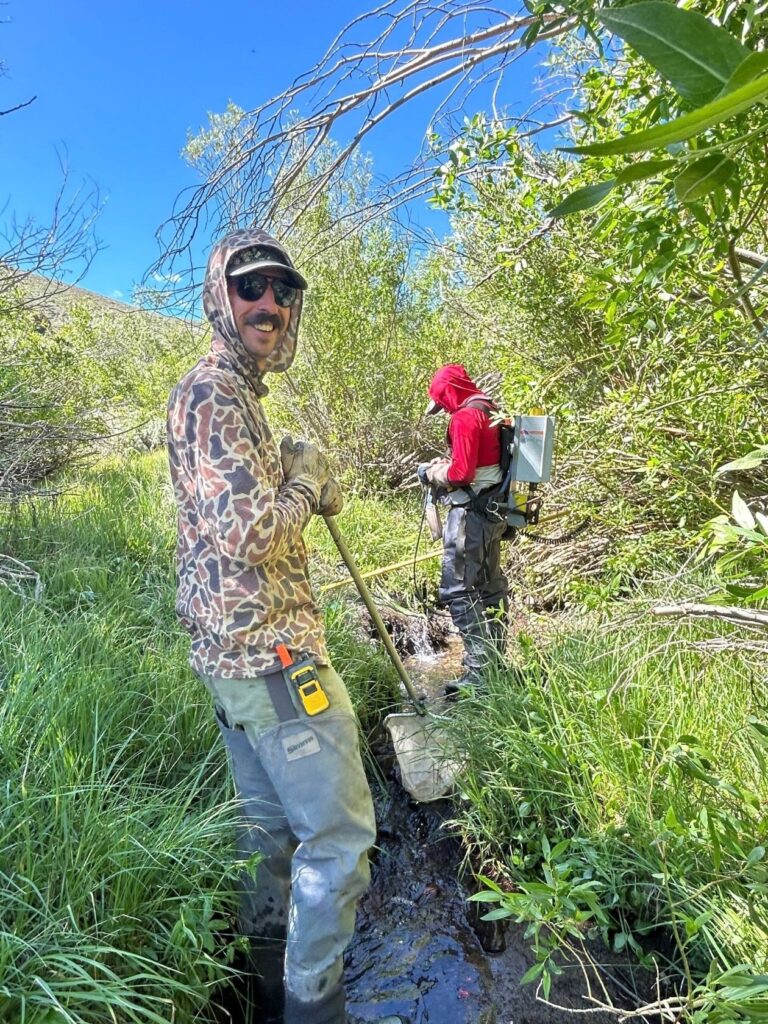
The crew lays out 670-foot runs of pipe along the creek, builds a temporary dam upstream, and diverts the flow through the pipe. A second team follows with smaller pumps, moving hole to hole to dewater the channel further. Right behind them, an electrofishing crew works the remaining pools to capture and record every rainbow trout.
On a good day, the crew covers 1,300 to 2,000 feet of creek. A block net goes in at the downstream end to keep fish out of finished water. The next day, they return flow to the section and electrofish it again, sometimes over several passes, until they’re confident it’s clear.
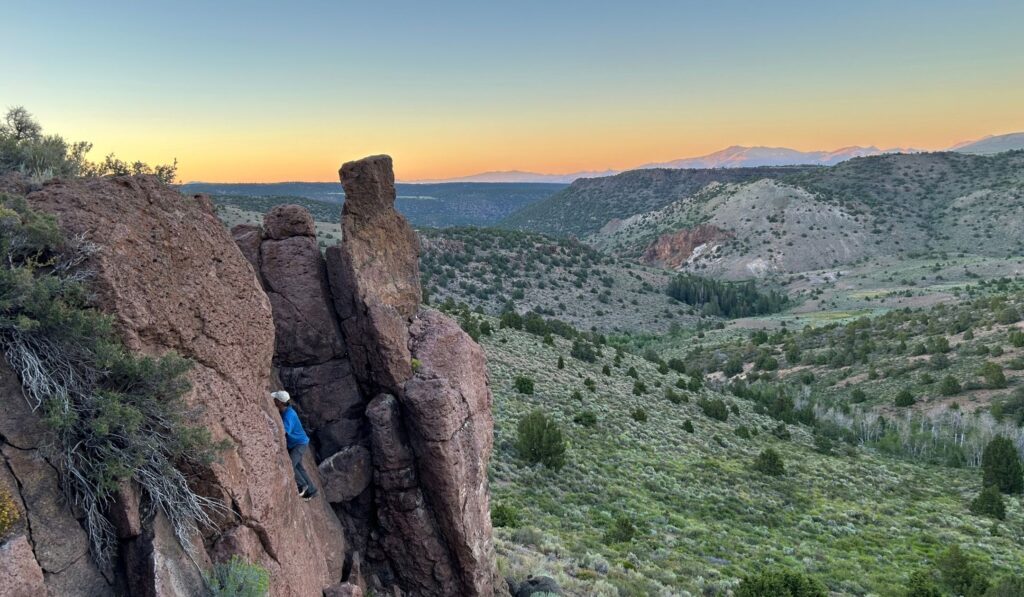
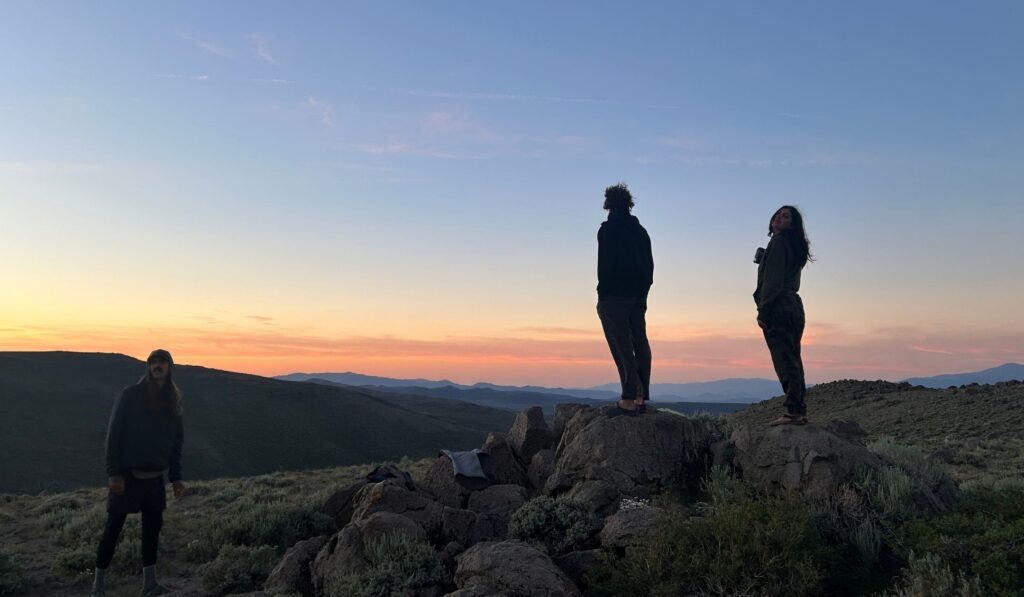
The day wraps around 6 p.m. Everyone cooks and eats together, and as it gets dark, a few crew members usually pull out guitars before everyone heads to their tents.
In the field with Andrew Notter
Andrew has been a “fish person” since he was a kid. Fly fishing deepened that into an appreciation for native fish and the ecosystems they depend on. He first learned about CalTrout through the conservation storytelling of our field reporter, Michael Wier. While studying biology at Occidental College, he built his path toward fisheries work, including a season at a remote steelhead weir in Alaska.
The hardest day
Early in the season, reaching the work site meant hauling gear through the gorge in upper Rough Creek and down a roughly 1,000-foot hill. Andrew remembers one day of three round trips with a heavy pack full of pipe and pumps.
“By the last trip, it took just about everything I had in me physically… It was exhausting, but also one of those days where you get back to camp pretty satisfied knowing how much work you and the crew were able to get done.”
The scale of it
His favorite day came on lower Rough Creek, when he and a fellow technician captured 1,135 rainbow trout in a single day. Every pool seemed to light up with fish, and every scoop of the net came up full. “Seeing that many fish in a relatively small section of creek really put the scale of the removal project into perspective,” he said.
What the creek has taught him
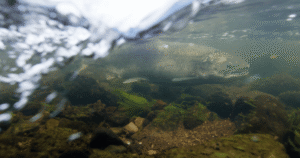
The fish taught him something too. Rainbow trout wedge under rocks, hide in log jams, and even swim upstream through the crew’s own pipes to reach cleared sections. “After spending so much time trying to find and capture every last fish in a section of creek, it’s pretty incredible to see just how strong their will and desire to survive is.”
Running pipe through the meadows showed Andrew how much of a creek’s water actually moves underground. Depending on the soil, water seeps back into the channel within minutes. “I’ve learned that a ton of the water in a creek like Rough actually moves subsurface through the meadow,” he said.
A moment that stuck
At the headwaters of Atastra Creek, a tributary in the upper watershed, water flows straight out of the hillside. “The first time I was up there, I remember kneeling down and drinking straight from the source,” Andrew said. “It’s a simple thing, but it has stuck with me.”
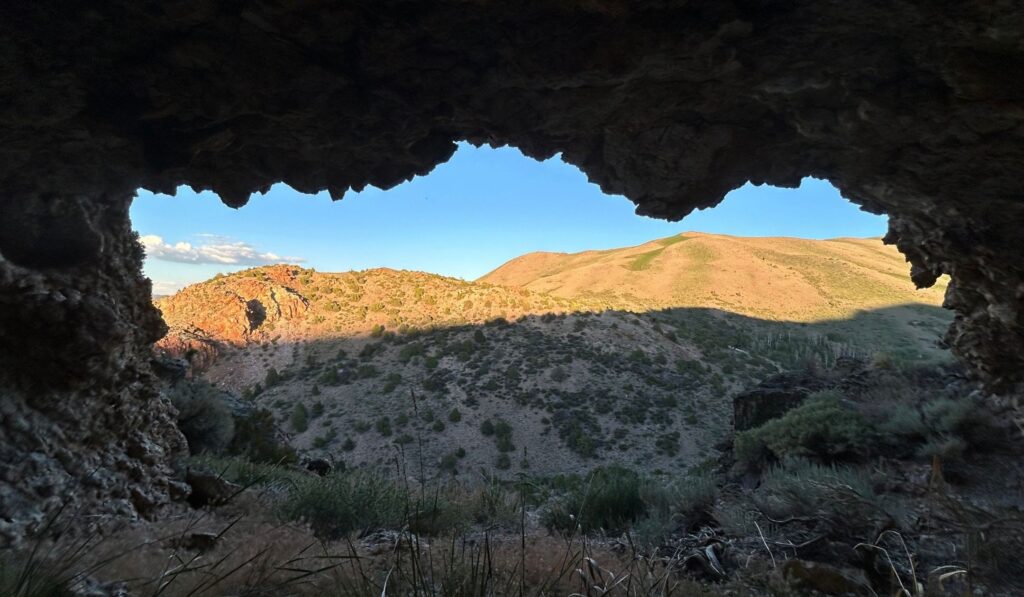
Spending so much time in one place has also given him a deeper appreciation for how many layers of human history can exist in one relatively small watershed. “You see evidence of mining, generations of ranching, and a much deeper Indigenous history. Being out there every day makes me think about all the people who have known this creek in completely different ways and at different points in time. I feel pretty lucky to get to know even a small piece of it myself.”
Strongholds across the Walker Basin
Rough Creek is one piece of a larger effort. Across the region, CalTrout is building and protecting LCT strongholds one stream at a time.
By-Day Creek: protecting a lineage
By-Day Creek is home to the genetically distinct Walker Basin LCT. This lineage was thought to be gone from its native range by the 1970s, until CDFW biologists found a remnant population in less than a mile of stream during drought surveys in the 1980s. Many of the region’s LCT populations trace back to that small group.
CalTrout’s work here focuses on habitat. Our team has installed more than 100 beaver dam analogs to restore the creek’s hydrology and help it hold water through drought. In past extreme droughts, CDFW has had to move these trout out of the creek to keep them alive. Monitoring continues to track how the creek responds.
Silver Creek: holding the line
At Silver Creek, LCT were already present but sharing the stream with non-native brook trout. In 2025, crews used the same dewatering and electrofishing approach to remove brook trout from the entire creek. Now the work is vigilance: the team collects environmental DNA (eDNA) samples once or twice a season to confirm brook trout haven’t returned.
Silver Creek is currently closed to fishing to protect this population.
Slinkard Creek: watching and waiting
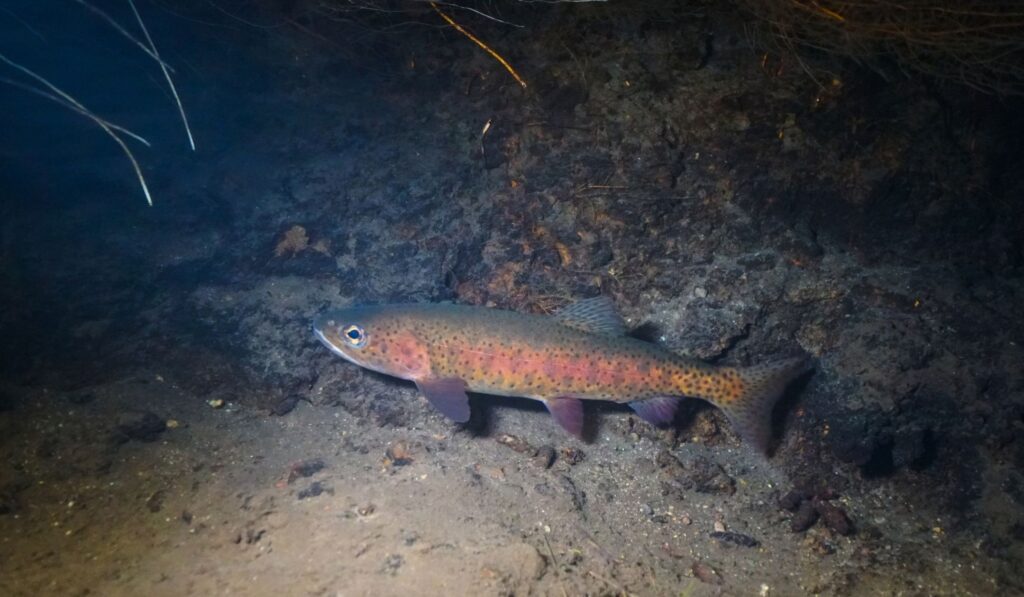
Restoration work at Slinkard Creek wrapped up last year, and this season is about monitoring. The lower reach has been cleared of non-native brook trout, and the upper reach is home to an LCT population with some of the most striking coloring in the region. Two more seasons of monitoring will tell us how the system is holding up.
Looking ahead
Once removal on Rough Creek is complete, the crew will sample eDNA across the system to confirm no rainbow trout remain before LCT return. For Andrew, that’s the moment all the hauling and pumping is building toward.
“After putting this much time and effort into removing these fish, it would be pretty incredible to see LCT swimming in Rough Creek again and know that we helped create a place where they have a chance to thrive.”
Recovery doesn’t happen all at once. It happens one creek, one season, and one careful pass at a time. With every stream reclaimed, Lahontan cutthroat trout move a little closer to a secure future in the Eastern Sierra. And the benefits reach well beyond fish: the cold, healthy streams that LCT need also hold water through dry seasons, support wildlife throughout the watershed, and sustain the communities and anglers who depend on these waters.
Photo creds: Andrew Notter and Michael Wier