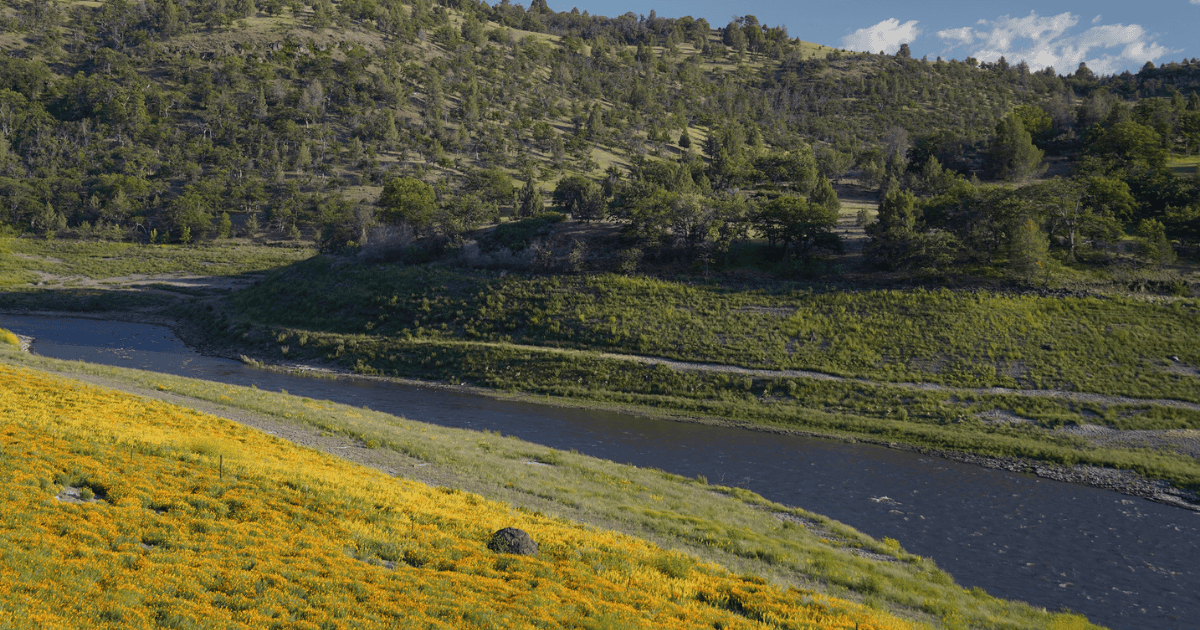
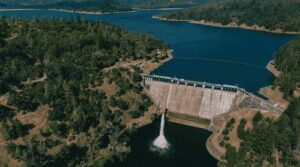
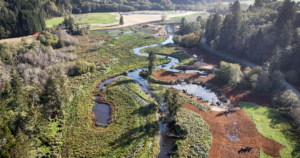
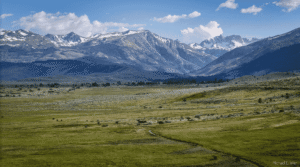
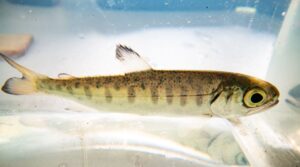
By fall 2024, dam removal on the Klamath River will be complete opening over 400 miles of habitat. As the largest river restoration project to date, the whole world has been watching. But what happens after the dams come out? As fish begin to return to waters that have been inaccessible for over a century, CalTrout and our project team will be ready to monitor fish migration and assess the efficacy of this monumental restoration effort.
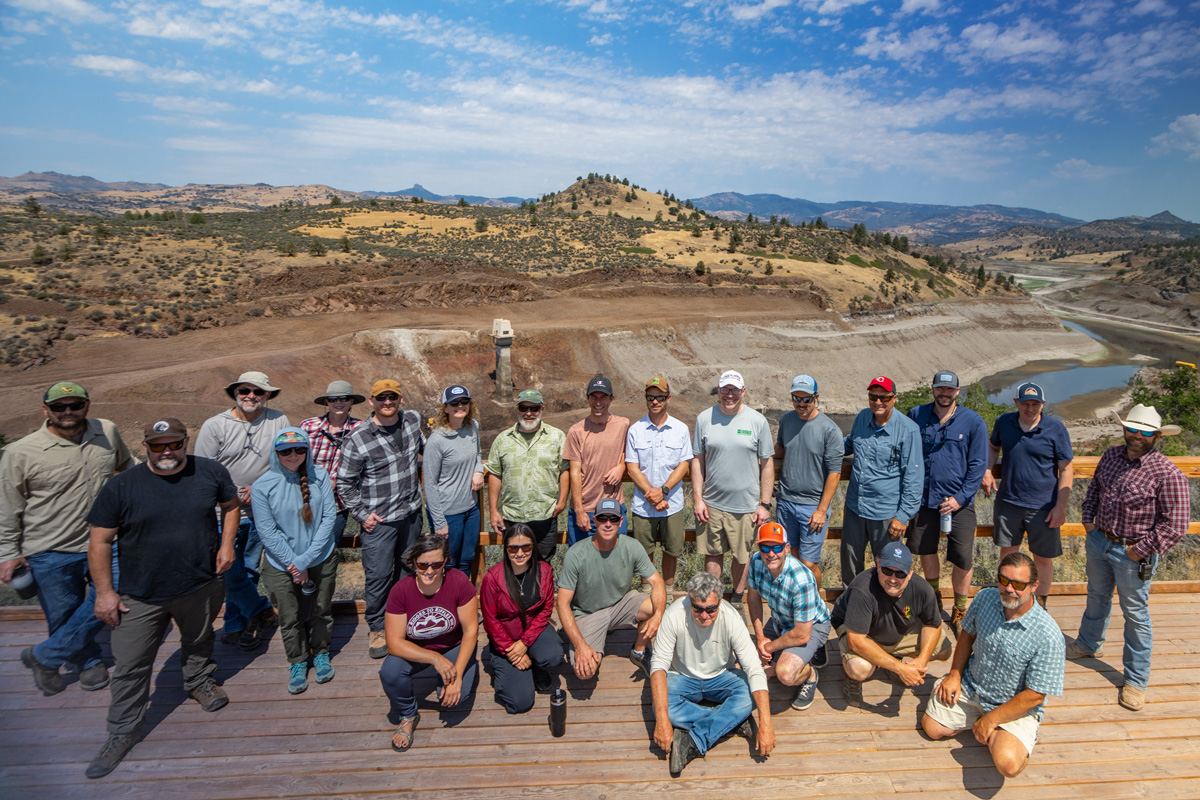
In July 2024, CalTrout and our partners launched the Klamath River Monitoring Program to build our understanding of dam removal including how fish repopulate newly opened habitat and how they recover from landscape level restoration. The project team consists of a diverse group of interests including tribes, governmental entities, and non-profits.
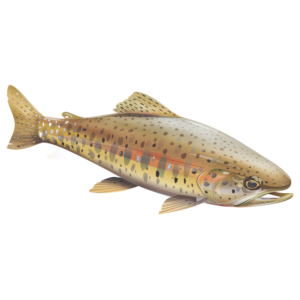
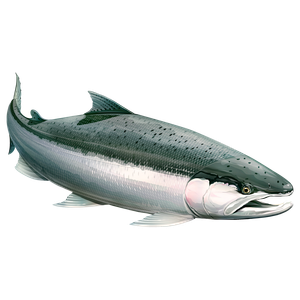
How many salmon and steelhead are moving into the newly accessible habitat? What time of year are they moving? Where are they going after entering the restored area? These are all questions that the project team will answer through this program.
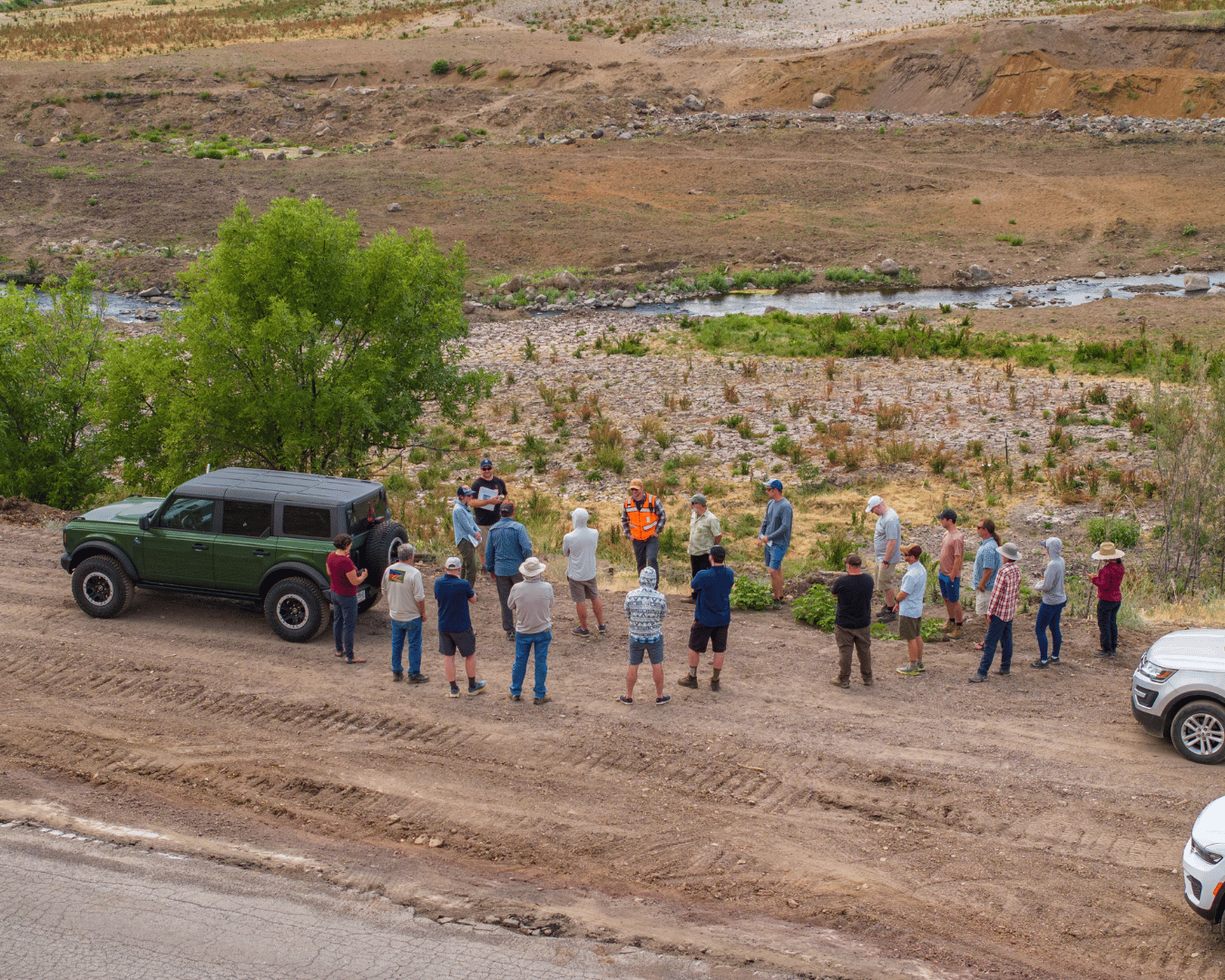
How will we answer these questions?
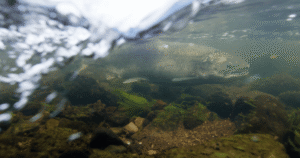
We will use a combination of methods in concert to learn from the salmon and steelhead returning to the Klamath following dam removal. These methods include SONAR imaging, netting, radio telemetry, and spawner surveys. SONAR imagery will give us an eye into turbid waters to record movie like imagery of passing fish on a continuous basis. Netting will document fish species assemblages, age, length and genetic information and allow us to attach tags to fish. Radio telemetry will help us track fish migration into the 400 miles of newly re-opened habitat. Spawner surveys will give us information about their nesting locations. Together, these methods will follow the fish to uncover how they are responding to dam removal and inform how to focus future restoration efforts.
Collaboration is Key
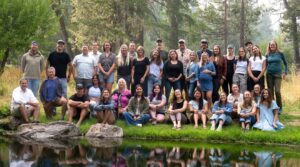
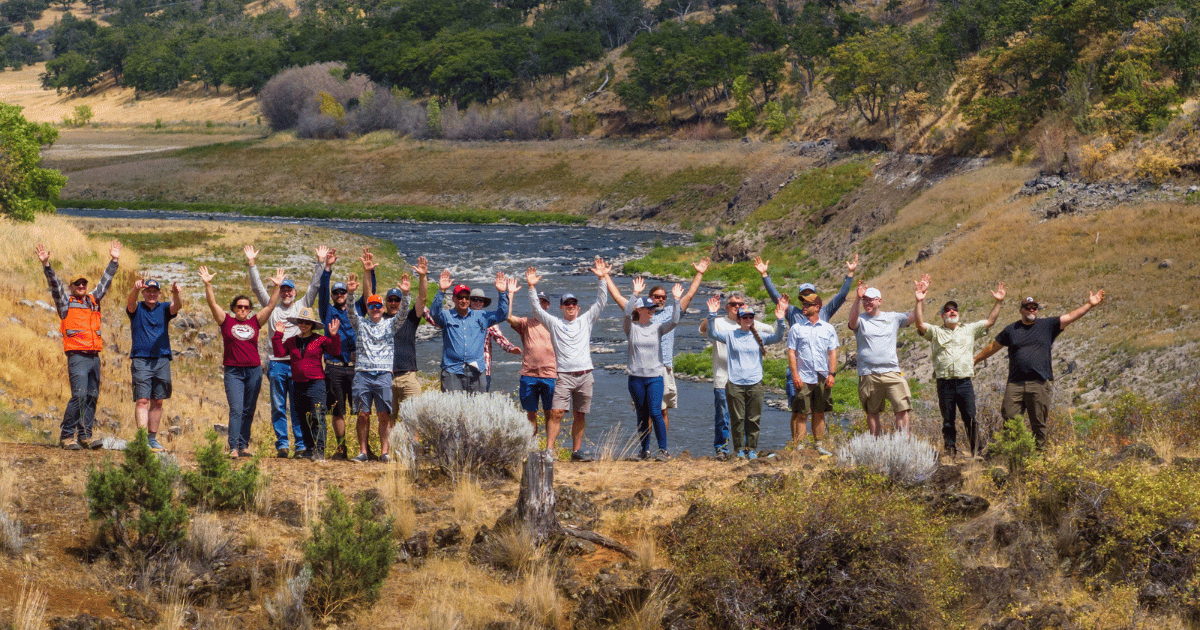
The project team consists of dedicated individuals representing the Yurok Tribe, Karuk Tribe, Klamath Tribes, Ridges to Riffles, California Department of Fish and Wildlife, Oregon Department of Fish and Wildlife, NOAA Fisheries, Bureau of Reclamation, U.S. Fish and Wildlife Service, Cal Poly Humboldt, U.S. Geological Survey, Resource Environmental Solutions, and CalTrout.
This project is made possible through support from the Humboldt Area and Wild Rivers Community Foundation, Bella Vista Foundation, Bureau of Reclamation, NOAA Fisheries and U.S. Fish and Wildlife Service.