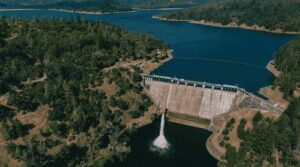
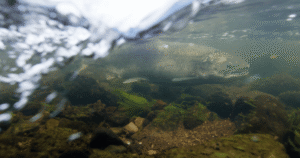

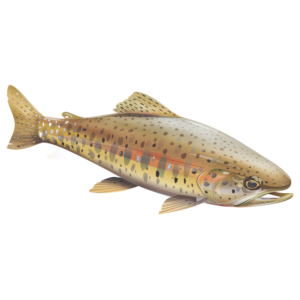
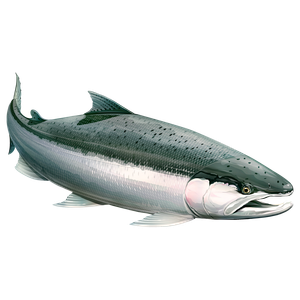
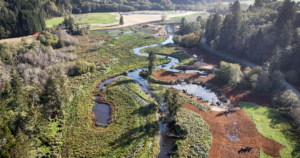

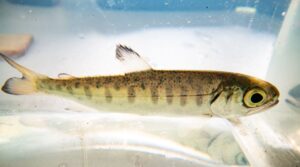


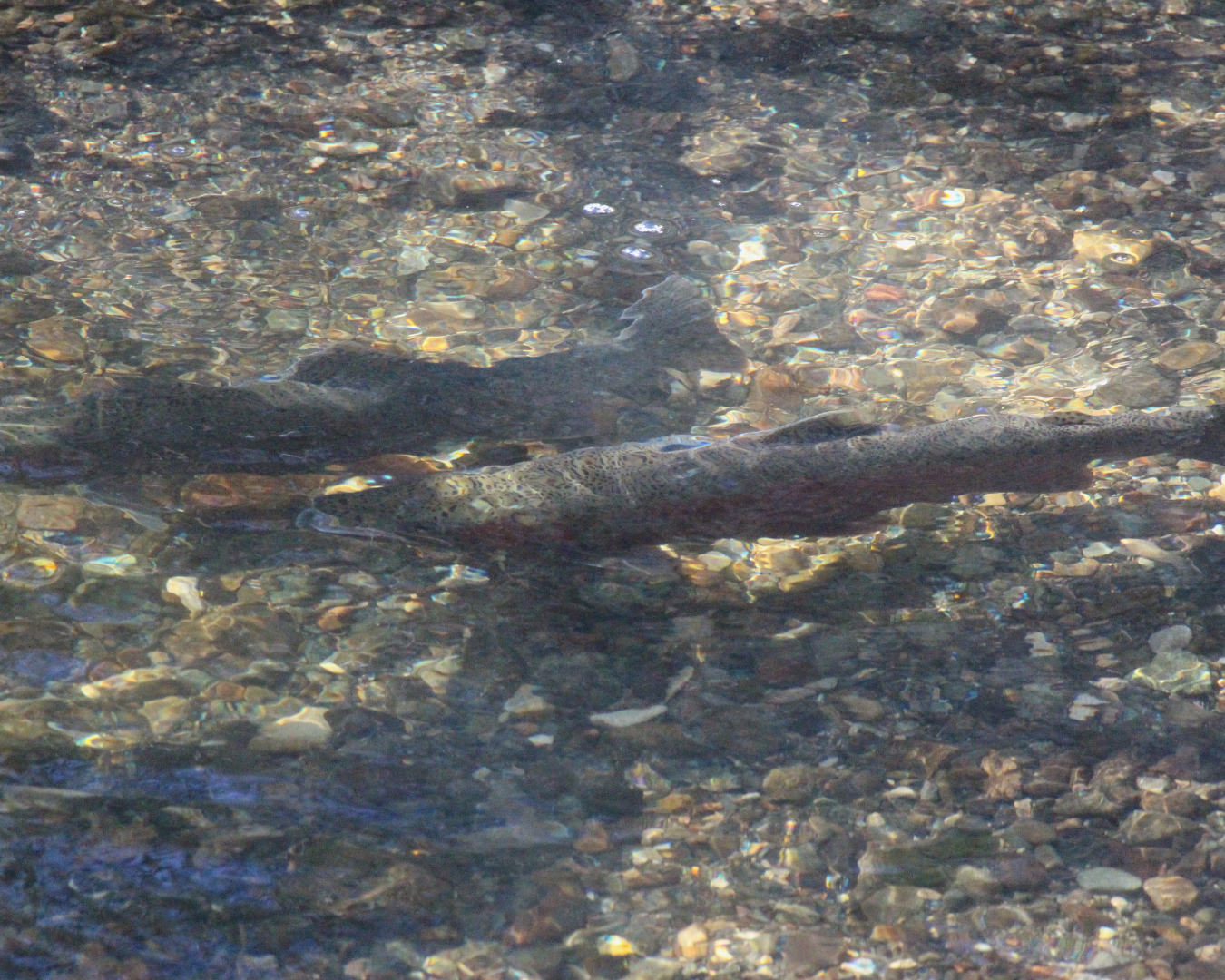
However, over the last century, Southern California has become one of the most densely populated regions in the country with development that can block their migration corridors and degrade the quality and expanse of their habitat. Over time, these environmental stressors can build on one another, steadily harming populations that were once stable. Today, they are found in only a fraction of their historical range, with scientists estimating their populations have declined by more than 90 percent from historical levels.
In a region that is shaped so heavily by infrastructure and development, the future of Southern steelhead is intertwined with the decisions and policies about how we build. The California Environmental Quality Act, or CEQA, is one of the main ways California evaluates development projects. Created in 1970, CEQA ensures that environmental consequences are considered before decisions are made or potentially environmentally harmful projects develop.
For Southern steelhead, this can mean assessing whether a new bridge design allows fish passage, if a development project would degrade water quality, or whether a flood control upgrade could be redesigned to maintain natural stream functions. CEQA does not automatically stop development, but rather creates a framework for mindful planning, requiring agencies to analyze alternatives, implement mitigation measures, and incorporate science into decision-making. That analysis is documented in publicly available reports, including Environmental Impact Reports (EIRs) and Mitigated Negative Declarations (MNDs), which describe anticipated environmental impacts and how they will be avoided, minimized, or mitigated. By requiring this level of transparency, CEQA ensures that decisions are informed by data and open to public review before projects are approved. For a species that depends on connected, functional watersheds, these protections are life-saving.
California Trout works at the intersection of science, restoration, and policy to ensure Southern steelhead have a future in Southern California. We believe it’s possible to work towards cities and urban areas that support humans, fish, and wildlife. We are all connected and human communities will only flourish if we have healthy rivers and abundant native wildlife populations. Across the region, CalTrout partners with local agencies to remove fish passage barriers, modernize outdated infrastructure, and restore habitats so steelhead can once again move through their historic watersheds. Our restoration efforts are often intertwined with the CEQA process, where we work to ensure new projects strengthen river systems rather than fragment them. Public review and comment periods are an integral part of the CEQA process which gives community members, scientists, agencies and advocates the opportunity to weigh in on how they view projects will impact the environment. More public participation leads to higher levels of accountability on developers, which encourages meaningful and lasting mitigation measures.
When development decisions are grounded in science, and conservation is built into infrastructure from the start, there is room to support both growing communities and native fish. This more ecologically-friendly approach to city planning can take several forms: designing crossings that allow upstream migration, protecting riparian habitat, or restoring estuaries so fish can successfully transition between river and ocean. Creating solutions that benefit both humans and the fish is doable, sustainable, and cost-effective – we just need to make it a priority.
California Trout and our partners are working every day to reconnect fragmented habitat and improve fish passage, and that progress is made possible because of supporters who believe healthy waterways and thriving native fish are worth protecting. With careful planning and collective action, Southern steelhead can continue to return from the Pacific Ocean to the very streams that flow through our cities. Their presence is a reminder that the choices we make about our rivers matter, and that with sustained commitment, recovery is possible.
In the coming weeks, California Trout will launch an interactive StoryMap exploring how restoration, infrastructure, and environmental policy shape the future of Southern steelhead across the South Coast region. By bringing together science, planning, and place-based context, it will highlight what it takes to support connected, resilient watersheds in a highly developed landscape. The StoryMap will walk readers through how the CEQA process works in practice, explain the differences between EIRs, MNDs, and Notices of Exemption (NOEs), and clarify what different CEQA statuses mean for a project. It will also highlight when and how the public can participate in review and comment periods that influence outcomes for local rivers. Stay tuned for the launch!