The Women of CalTrout
March is Women’s History Month, and all month long we are celebrating the historical and contemporary accomplishments of women around the world. Within our own organization, we are continually encouraged by the women of CalTrout who are creating real, lasting change. They are leading, discovering, exploring, lobbying, advocating, healing, nurturing, building relationships, and making their own mark on history each day they step into the office or the field. Follow our Women of CalTrout profile series as these women share their own stories and experiences as women in conservation, science, and intertwined fields at CalTrout.
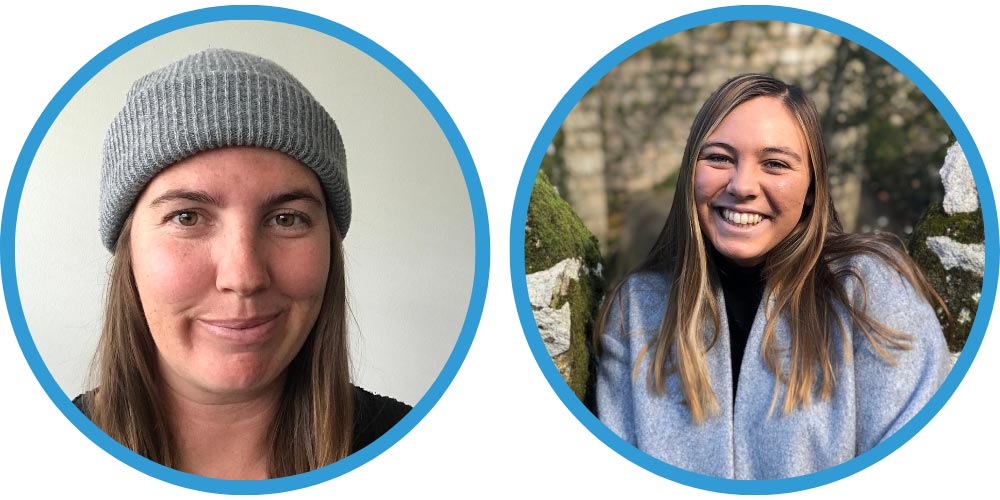
Marrina Nation, Sierra Headwaters Project Manager, and Kara Glenwright, Communications Manager
KG: What inspired you to pursue a career in conservation and a career at CalTrout?
MN: I grew up next to the beach in San Diego County, and my Dad had always pushed my family to be better stewards of the land and sea. We were constantly spending our time in the water whether that was lakes, rivers, or the ocean. I remember deciding I wanted to be a marine biologist at the age of six years old. That eventually evolved into an environmental science and aquatic biology degree. I began working as a field biologist in the Eastern Sierra in 2017. The Eastern Sierra provides such an extravagant and diverse landscape. In 2022, I was fortunate to pursue a career with CalTrout here in Mammoth Lakes and to pursue projects involving Sierra meadow restoration and Lahontan cutthroat trout restoration work. My career choice has taken me all over California for work, but working in Mammoth Lakes and the Eastern Sierra has always been my dream and at CalTrout this dream has become a reality.
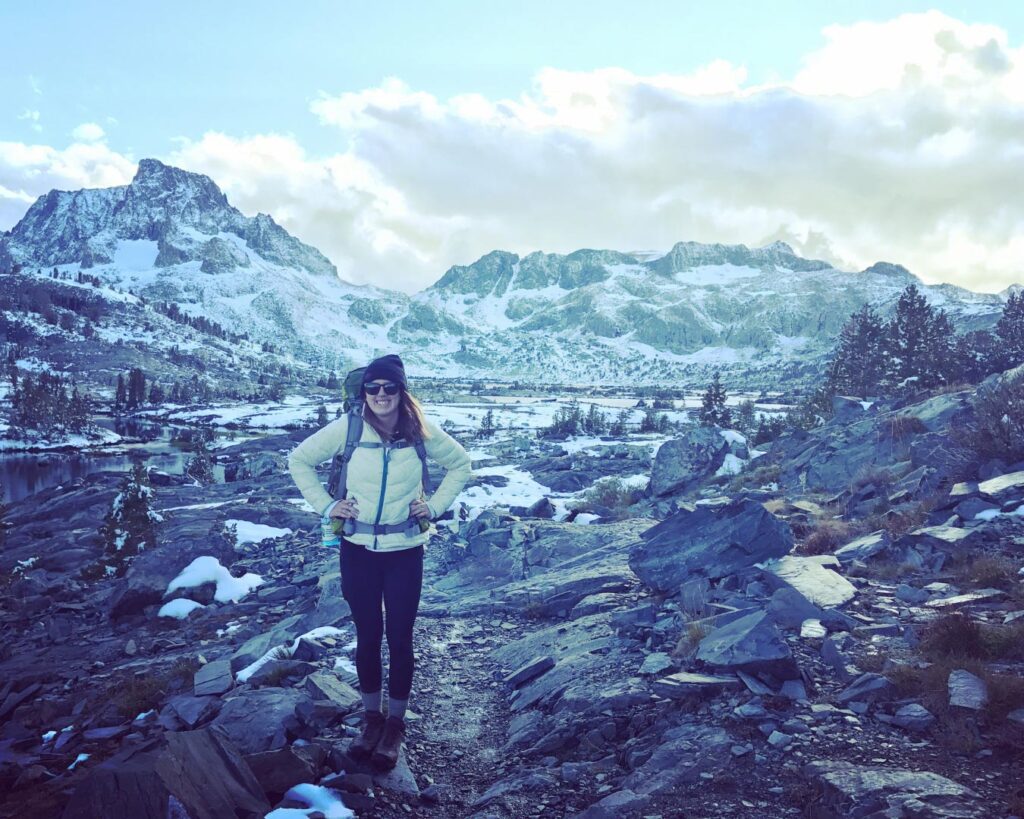
Backpacking to Thousand Island Lake along the John Muir and Pacific Crest Trails.
KG: What is your favorite part of your job? Could you share with me some of the most rewarding moments of your work?
MN: My favorite part of my job is my time spent in the field. When asked why I was pursuing a degree in aquatic biology it was a simple answer because I love to be outdoors and if I get to work outdoors it’s the best of both worlds. Field work displays an array of challenges that you have to think through because the last place with civilization may be a 20-mile hike and 2-hour drive away. You must stay flexible because things are always changing. Thinking on your toes and being able to adjust your work as weather and various changes arise. Mother nature doesn’t wait for anyone’s field work.
KG: What does it mean to you to be a woman in this field?
MN: I have been working in this field for nearly ten years and in my graduating class from college there were three women out of a class of 20 graduating with a degree in environmental science. I know this isn’t the case across all universities but even ten years ago there was a shortage of women entering this field. This has always inspired me to encourage the younger generations to pursue their passions of working in the outdoors and to show them what paths to take to better equip themselves. This also allows me to reflect on how each generation of women in STEM have fought for their positions and have paved the path for the next.
KG: To celebrate the “history” part of Women’s History Month—is there a woman from history that you find especially inspiring? Or perhaps someone from your own life?
MN: I don’t think I can list out just one woman in history that has inspired me but better yet all of them throughout history. You always hear stories or watch a movie about women in science when women couldn’t even open their own bank accounts without their husband’s permission! I have looked to women in this field as mentors on how to navigate our careers in science.
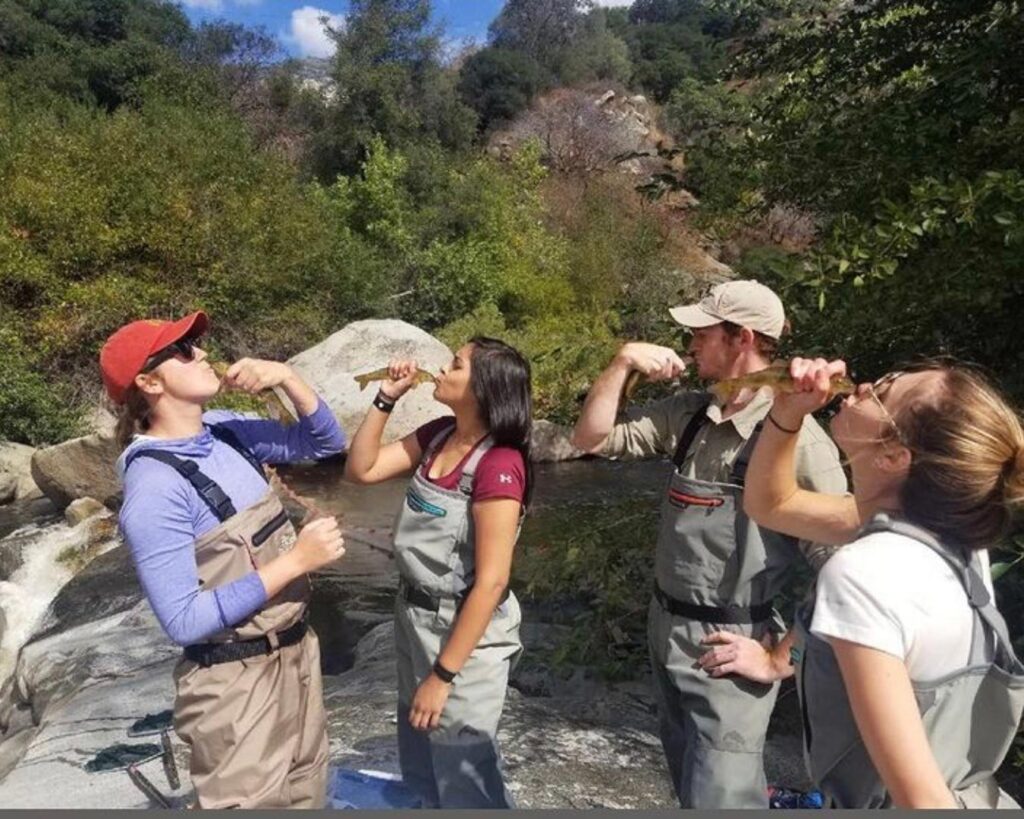
Kissing those darn Sacramento Suckers with field crew.
KG: Looking to future generations of women — what message would you share with younger women who hope to pursue a career in conservation someday?
MN: Take risks and pursue internships or job positions even if you feel you don’t have the appropriate number of qualifications. Ask as many questions as possible and reach out to potential mentors. Get outdoors and enjoy nature!
KG: One more question! Do you have a favorite fish in California?
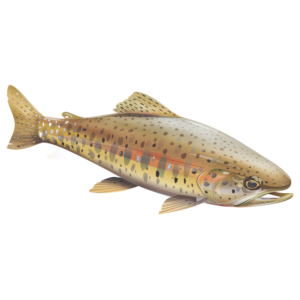
MN: Lahontan cutthroat trout!
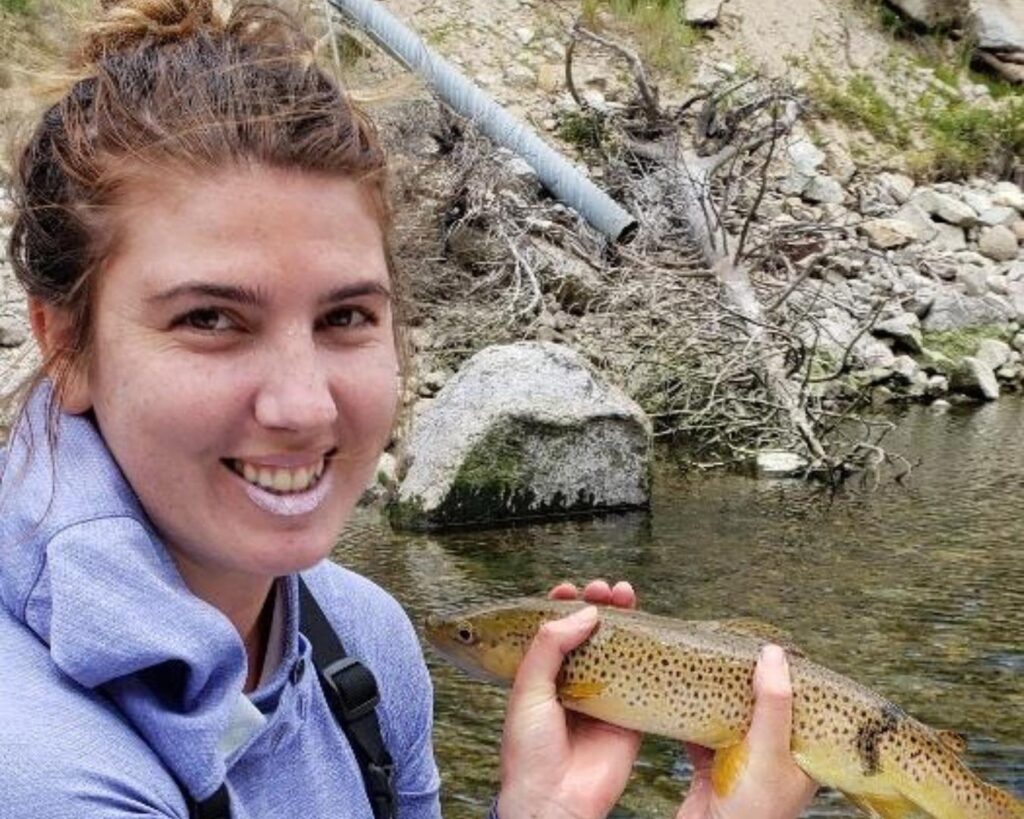
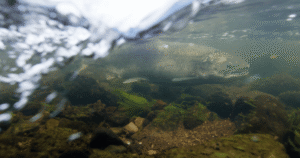
Brown trout from a Rescue and Relocation project with Kokanee salmon.
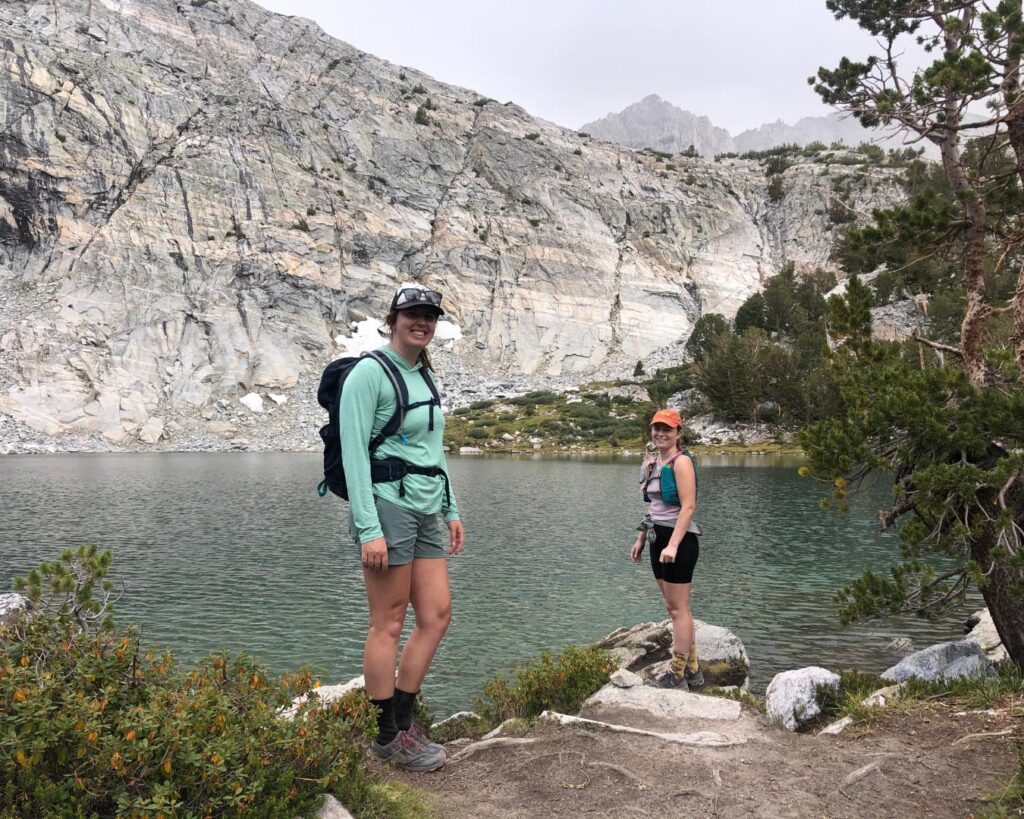
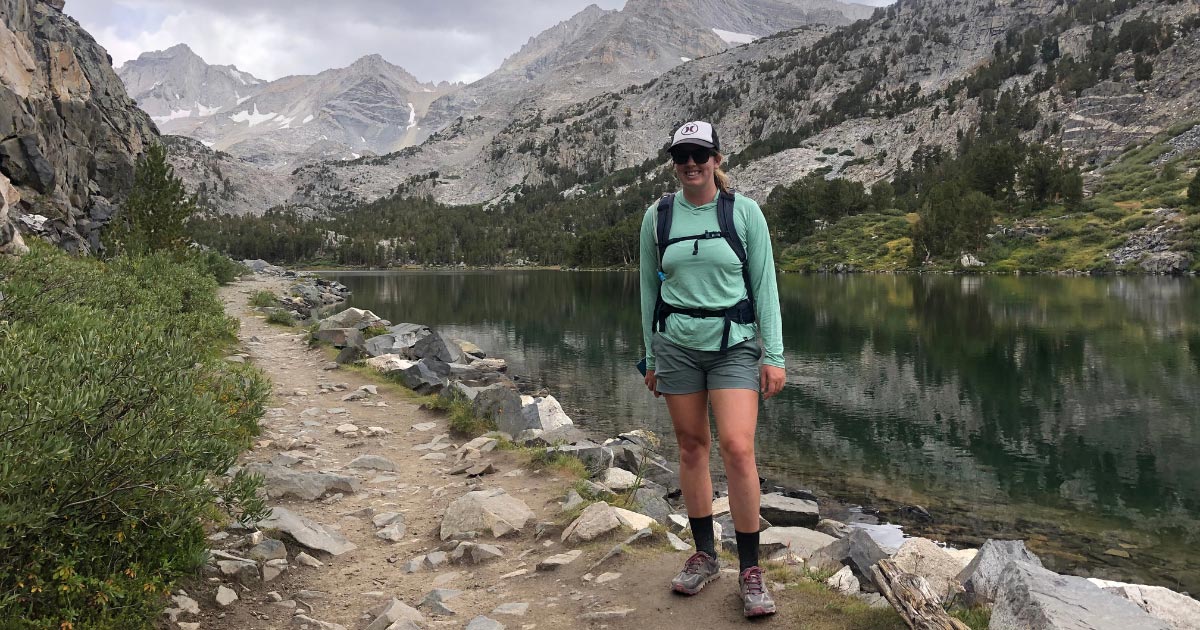
Hiking alpine lakes in the Eastern Sierra.