The Fight for Flows
A word from CalTrout ED, Curtis Knight

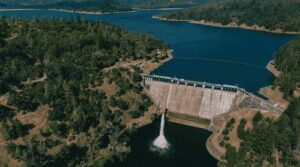
The recent wrangling over Trinity River water—should it go down the river to help the lower Klamath or be shipped to the Central Valley—underscores the complexities, and shear craziness, of California’s water infrastructure. California’s water system is one of the most extensive in the nation with over 1,000 reservoirs and hundreds of miles of aqueducts to move water around the state. Much of this fueled by the fact that 75% of California’s water comes from rain and snow from the northern part of the state while 80% of the demand comes from the southern 2/3 of the state.
These extensive and long distance water delivery systems are well known–Hetch Hetchy in the Sierra providing water to San Francisco Bay Area, Mono Lake and the Owens River shipping water hundreds of miles to LA, the big Bay-Delta pumps sending water hundreds of south to the San Joaquin Valley and Southern California, and even major deliveries from the Colorado River.
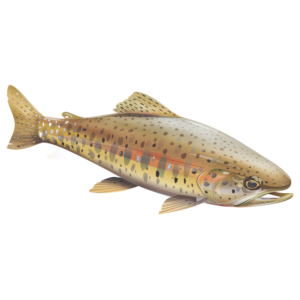
All this development has transformed California’s landscape into something unrecognizable from pre- settlement times. And for the fish, especially our cold water loving trout, steelhead and salmon, it’s a wonder they survive at all—a testament to their amazing resiliency. (See our SOS: California’s Native Fish Crisis report here.)
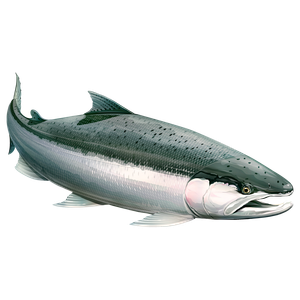
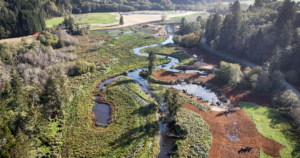
But a four year drought has greatly tested our native salmonids’ resiliency. Many recall the fish kill of 2002 at the mouth of the Klamath River. We fear a similar event this year. Just two weeks ago, CalTrout and The Nature Conservancy formally requested that the Bureau of Reclamation release 64,000 acre-feet of water down the Trinity River to cool down the Lower Klamath and help prevent a potential disease outbreak among the Chinook and coho salmon and steelhead starting to enter the lower river. Fortunately, that request was granted and a legal injunction to stop those flows was denied [see post below].
The irony of this request—this fight for Trinity water to actually go down the Trinity River and into Klamath River—is a fabrication of our water system. Because of that system, we have to continue to fight to have water go down its river of origin. The fish deaths on the Klamath in 2002, sent a message. The system is not healthy. Since that time, policies have been put in place to avoid such events from happening again. And while the drought stretches the limits of what our fish can handle, it’s important we give them a fighting chance.
Increasing flows when necessary is one solution, a bigger solution is for Congress to take action and pass the Klamath Basin Water Recovery and Economic Restoration Act of 2015, requiring the removal of four dams and balancing the needs of fish and people. Doing so could end decades of water disputes and make this now annual fight for flows a thing of the past.
Just like the canary in the coal mine, healthy native trout, steelhead and salmon are indicators of healthy waters. Healthy waters mean a better California, for fish and people.
