Protecting source water areas is vital
A word from CalTrout ED, Curtis Knight
 Last week I headed over to the Golden Gate casting ponds to join George Revel and the Lost Coast Outfitters biweekly casting clinic. There were over 50 people joining, great to see such passion for the sport in San Francisco. I picked up a few tips for my humble roll cast (late power!) and was lucky enough to find myself on the McCloud River this week. The roll cast lives here, how else to get four split shot and two bead-headed nymphs into the fabled pocket water?
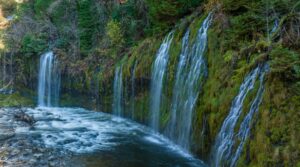
Standing in the waters of the McCloud the drought doesn’t enter my mind. These waters are flowing similar to last year, and the year before, and the year before that. The large spring network feeding the river above McCloud Reservoir does fluctuate but the fluctuation is typically between 600-800 cfs, still a lot of water. CalTrout and UC Davis did some preliminary aging of these spring waters and found them to be 10-14 years old—the amount of time the water goes from the sky to underground to spring. You could imagine fluctuation would be delayed to correspond to past wet or dry years—but it is likely more complicated than that.
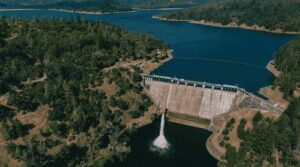
For now the McCloud River springs flow, as do spring systems in the Fall River, one of the l argest in the United States, Hat Creek and the Upper Sacramento. These springs sources collectively pump 1.7 billion gallons a day into Shasta Reservoir, as noted by CalTrout’s Shasta/Klamath Director Drew Braugh in his excellent op-ed. Per year the springs of the greater Mt. Shasta area consistently provide over two million acre-feet of water to the states largest reservoir—about one half of its 4.2 million acre-feet capacity. It’s an important source of water in any year, but especially so in drought years.
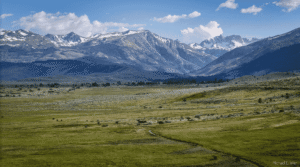
Source water areas are vitally important to California and need to be protected. They are often not considered, discounted, or at best under appreciated by policy makers and the general public because by definition they are the headwaters—and the majority of California population lives along the coast and in Southern California, far away from the source.
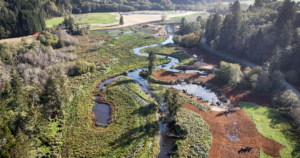
CalTrout is actively protecting and restoring spring systems in the Shasta Area, including large scale restoration on Hat Creek and an extensive spring waters monitoring program. In the Sierra Headwaters, CalTrout’s Dr. Mark Drew is leading the Sierra Meadows Restoration Research Partnership to implement large scale meadow restoration and quantify the amount of carbon sequestered and water retained in restored meadows compared to degraded. Cutting edge stuff done at scale.
These large scale projects are an investment in California’s natural infrastructure and improves the resiliency of our rivers and streams to the stresses and strains of extended drought.
