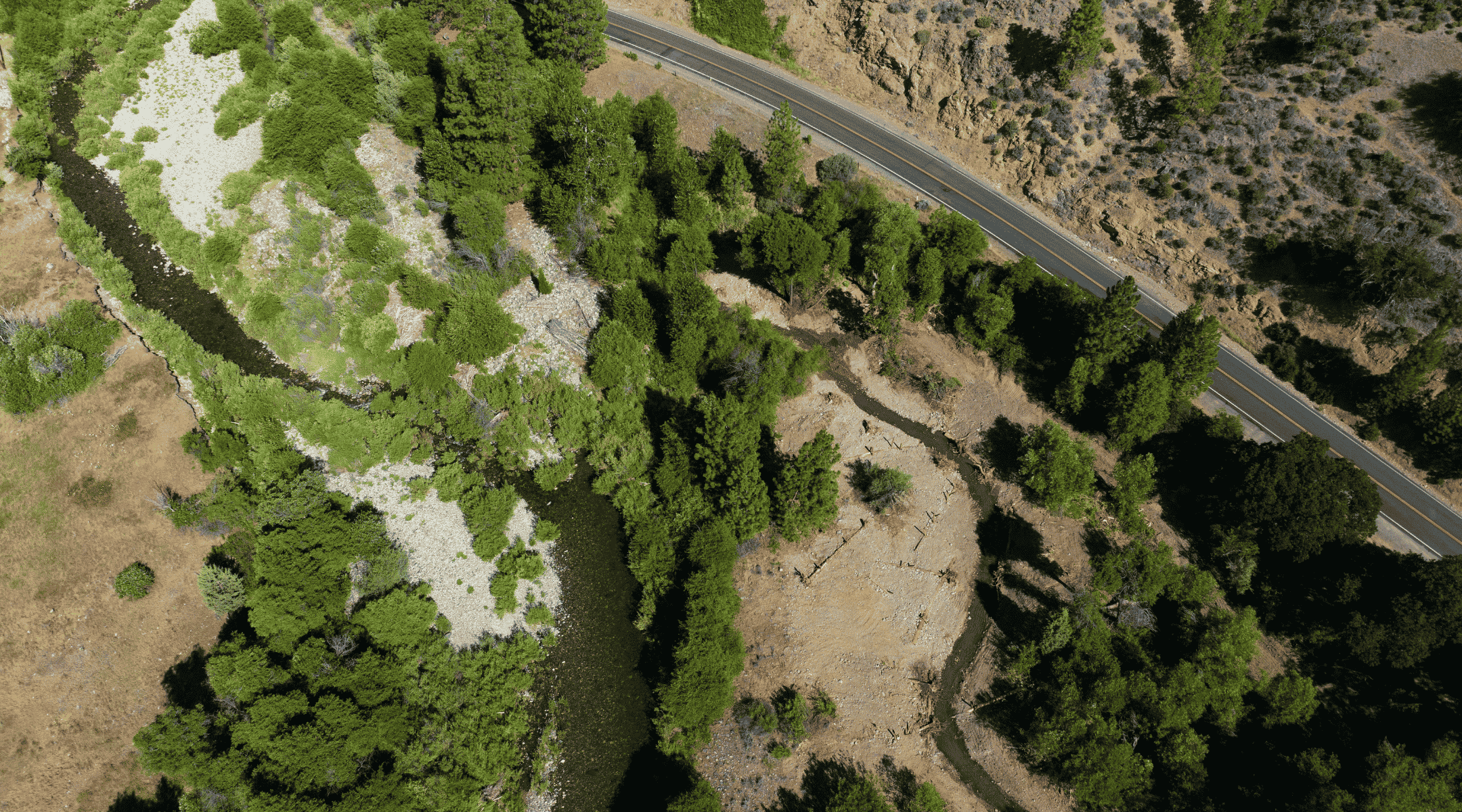
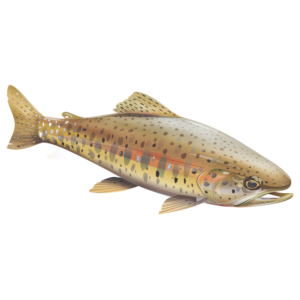
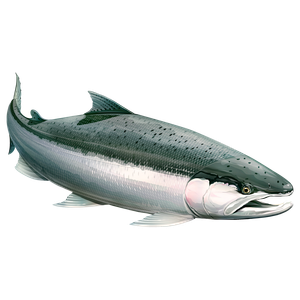
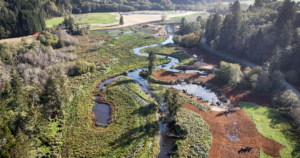
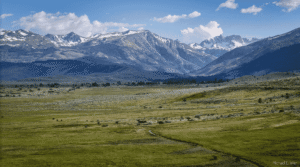
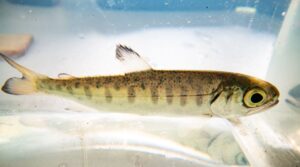
The Elk River is the largest tributary to Humboldt Bay and once provided many miles of high-quality habitat for Chinook and Coho salmon and steelhead. The Elk River is not only part of the Humboldt Bay Tributaries Coho salmon population, but is also listed as the highest priority for recovery and restoration efforts within the National Marine Fisheries Service Coho Recovery Plan.
A recent Eureka Times-Standard article, “The Elk River: Who gets what they want?” provides a good summary of the history of the Elk River’s degradation and the battle over current use.
A decades-old promise to deal with the sediment-choked Elk River watershed is now underway, but a relative newcomer to the area’s logging industry is not keen on having to pay for its predecessors’ mistakes.”
Recovery of the Elk River Watershed is one of CalTrout’s North Coast region’s top priorities. Regional Director Darren Mierau established a watershed-wide stewardship program and led the Recovery Assessment, working with stakeholders including Humboldt Redwood Company, the Regional Water Board, the State Water Resources Control Board, County Supervisors, and the restoration community. In the coming year, CalTrout will work with stakeholders to develop a sediment remediation action plan.
With the Board of Supervisors recently approving a nearly $175,000 grant to allow the watershed’s stakeholders to come up with solutions, CalTrout is poised to get to work.
Humboldt County Deputy Public Works Director Hank Seemann said that the state’s regulations are only one of three Elk River restoration efforts.
The proposed grant funding that went before the board of supervisors Tuesday will fund a Elk River Watershed Stewardship Program that Seemann said is designed to identify partnerships and restoration projects along the river for the next two years.
“The stewardship program is intended to support planning and implementing community oriented projects,” Seemann said.
The program will lean on a third component of the Elk River restoration effort — a technical study by CalTrout detailing which areas of the river should have sediment removed.”
To learn more about to CalTrout’s work to recover this quality habitat and help restore the fishery click here.