Voices of Lower Sacramento River Watershed: He-Lo Ramirez
He-Lo Ramirez is a a member of the Mechoopda Tribe and Director of the Office of Environmental Planning and Protection for the Tribe.
Working Hand-In-Hand for a Sustainable Future: The Mechoopda Tribe and California Trout
by Alisan Theodossiou, CalTrout Senior Communications Manager
In a recent interview with CalTrout, He-Lo Ramirez, a member of the Mechoopda Tribe and Director of the Office of Environmental Planning and Protection for the Tribe, shared his deep-rooted connection with the lower Sacramento River watershed and the vital role it plays in the Tribe’s cultural heritage and survival.
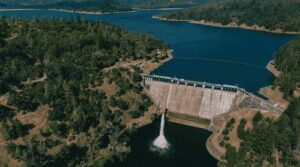
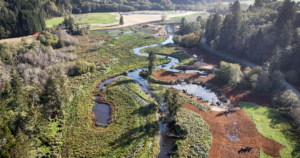
“We’ve been stewards of the land for thousands of years, managing and living off of the biodiverse ecosystems we purposefully stewarded. It’s disheartening to see the changes brought about by 150 years of colonization,” shared He-Lo . He painted a vivid picture of the watershed’s history, saying, “This area used to be a sprawling wetland, teeming with waterfowl, salmon, and other diverse species. Waterways including Big Chico Creek, Butte Creek, and Sacramento River would flood, giving life to a thriving ecosystem.” Unfortunately, the ecological richness of the lower Sacramento River watershed has been significantly altered by man-made structures like levees and dams, leading to decreased waterfowl and salmon populations. “The irony,” He-Lo pointed out, “is that the fertile soils of the Sacramento and Central Valley owe their richness to thousands of years of natural flooding.”
However, He-Lo remains optimistic about the future. He noted a paradigm shift in conservation efforts, with more people recognizing the unsustainability of the status quo and restoration projects incorporating more traditional ecological knowledge. “A lot of different groups in California have a shared vision for preserving what’s here,” says He-Lo.
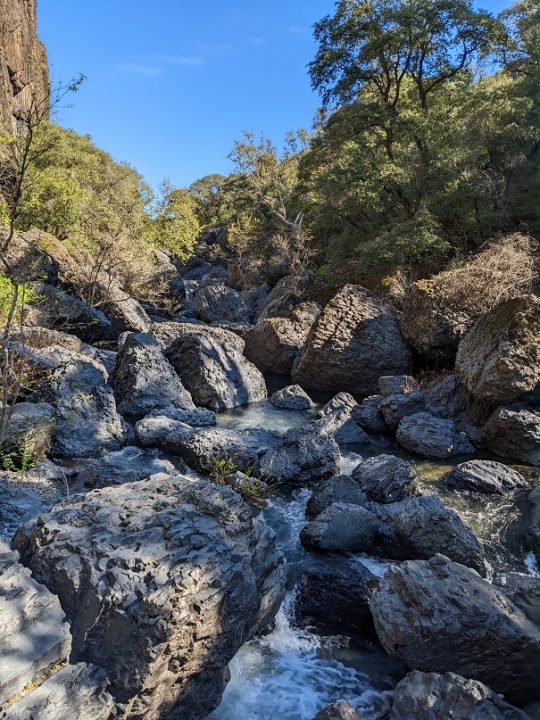
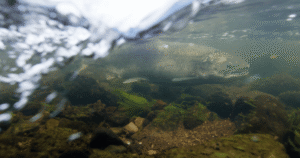
Among the groups working towards a shared vision is CalTrout and the Mechoopda Tribe, working together with other partners on a restoration project in Chico, California. This project aims to restore anadromous native fish passage on Ótakim Séwi (Big Chico Creek), a key tributary to the Sacramento River. The collaborative effort, initiated a year ago, has received significant support and recognition, reinforcing the importance of cooperative action in conservation efforts.
One of the main issues addressed by the project is the deterioration of a diversion dam and a fish ladder, infrastructure built in the mid-20th century that has hampered salmon passage in low water years. The project aims to restore the stream channel habitat, located in Iron Canyon in Upper Bidwell Park, to allow fish to navigate the creek without assistance. Additionally, the project will actively repopulate the creek with native fish, aiming to recreate a functioning ecosystem and food web that’s been significantly altered.
He-Lo’s connection to the lower Sacramento River watershed extends beyond his professional role. His family has lived in the area since time immemorial, and he is committed to preserving and conserving the land for future generations.
“We owe it to the salmon to restore them. They’ve sustained our people for thousands of years,” he says.
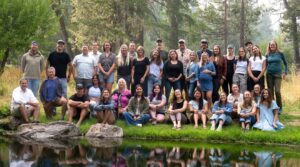
The partnership between the Mechoopda Tribe and CalTrout embodies a shared vision for sustainable conservation and restoration. Their efforts serve as a reminder of the importance of collaboration in preserving our natural resources, highlighting the significance of indigenous wisdom in shaping a more sustainable future.
Learn more about the Big Chico Creek Fish Passage project.