

Voices of Klamath River Watershed: JP Thompson & James Rickert
by Kara Glenwright, CalTrout Communications Associate


JP Thompson (left) and James Rickert (right) are Farm Managers at Belcampo.
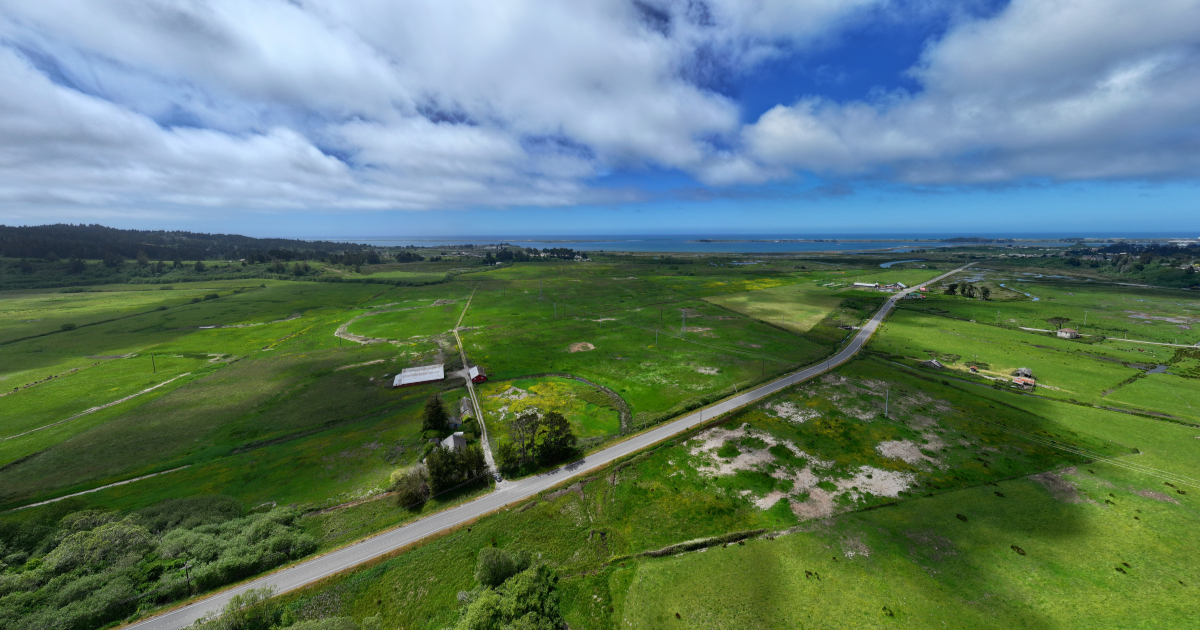
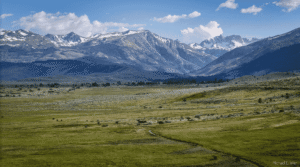
In the Shasta Valley, water is always top of mind. Characterized by a long history of cattle ranching, the valley is carved out by the Shasta River, one of the most productive tributaries to the Klamath River and the lifeblood for the region’s agriculture. But as drought worsens and the landscape continues to dry out, some ranchers are recognizing the need for sustainable ranching operations to protect their livelihoods and the health of the watersheds around them.
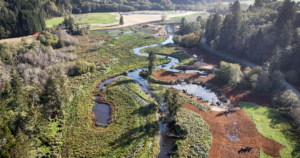
JP Thompson and James Rickert manage ranch lands in the Shasta Valley, and their lands depend directly on the health of the surrounding watershed. Together, they manage four different properties for an absentee landowner. Three of those properties are in the Shasta Valley, and two of the ranches, Parks Creek Ranch and Grenada Ranch, are directly adjacent to the Shasta River or its tributary Parks Creek.
“The snowpack is in the hills, right behind us. If there’s low snowpack, we see it in the creek. It’s a very immediate impact,” Thompson said. Over the years, he’s watched the amount of water in the valley continue to go down due to this lack of precipitation.
Thompson and Rickert recognize the importance of good land stewardship throughout the Shasta Valley. They are part of the Shasta Safe Harbor Agreement, formed between fourteen different landowners in the valley that hope to complete a series of conservation projects to improve watershed health, while ensuring uninterrupted access to water for irrigation.
“This agreement is a way that we can meet in the middle,” Rickert said. “Our occupation is ranching, and we still need to have a job on these ranches. But we want to be very respectful of the watershed, and we want to do what we can to be as sustainable a ranching operation as possible.”
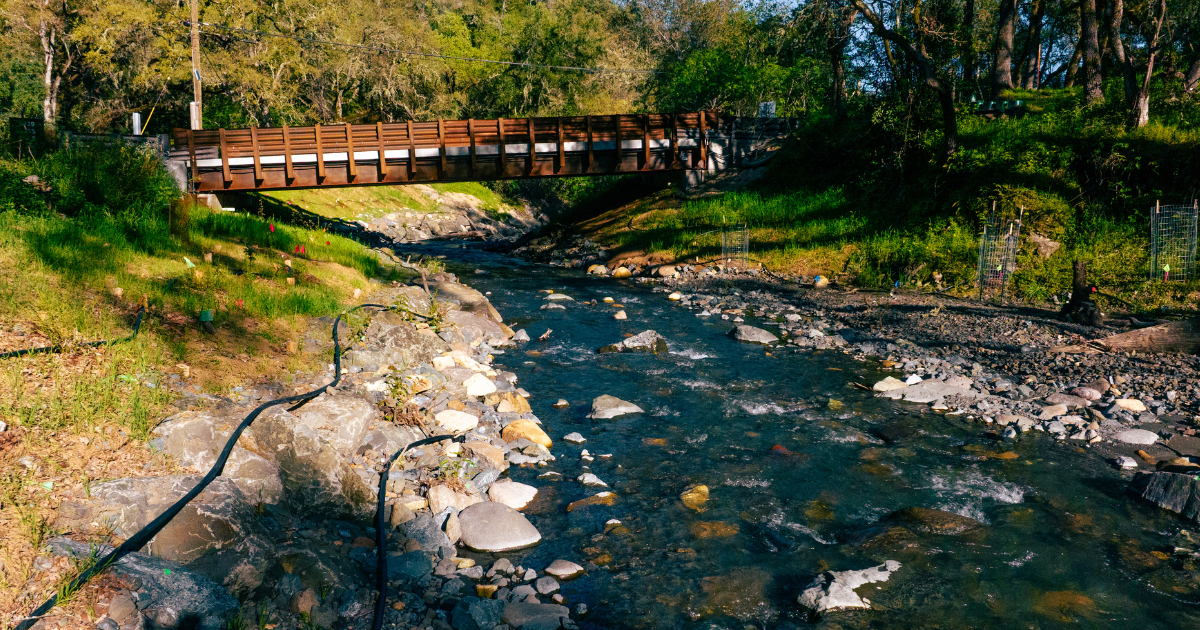
On Parks Creek Ranch, Rickert and Thompson collaborated with the North Coast Regional Water Quality Control Board to implement a large-scale riparian fencing project. The project added riparian plantings at strategic locations throughout the ranch and fenced off the upper part of Parks Creek to prevent livestock from disrupting the watershed. Rickert and Thompson see this as a first step in a bigger project.
“We’ve fenced off the creek to limit livestock access and we’ve added riparian plantings, but that’s all above ground. Our partnership with CalTrout takes us underwater,” Rickert explained. Relying on CalTrout’s expertise, Rickert and Thompson hope to focus on instream habitat work next.
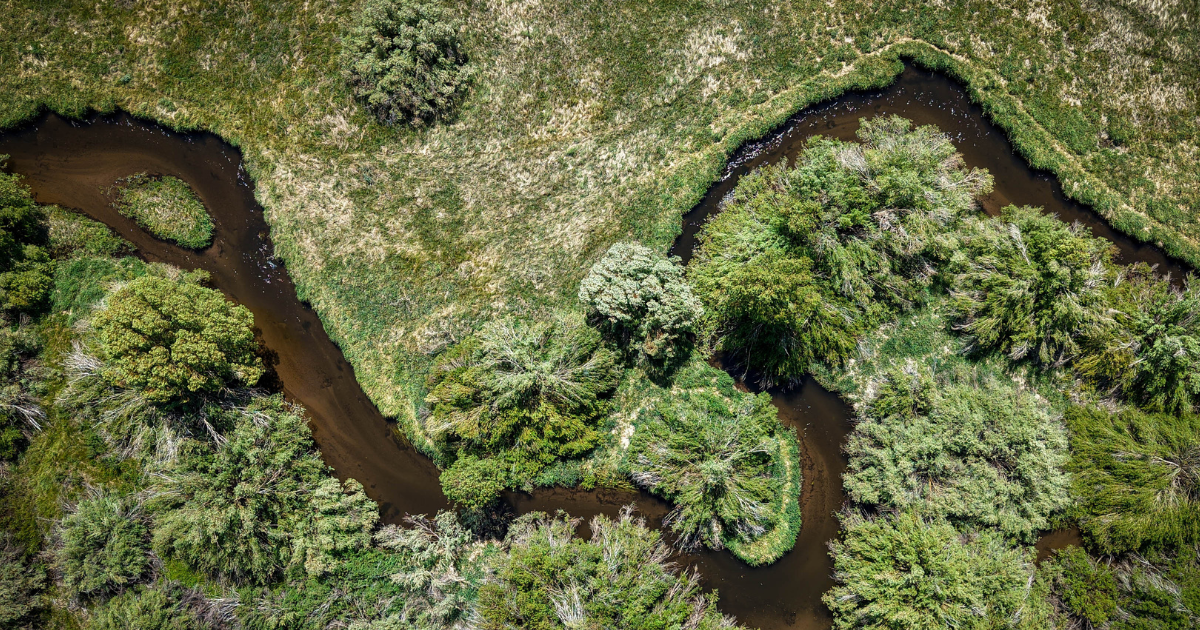
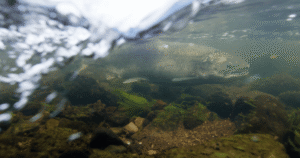
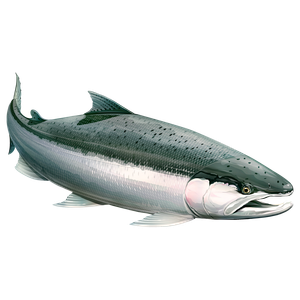
The Shasta River is important for cattle ranching and agricultural operations in the valley, but it also provides crucial habitat for salmon. Because of the river’s location, downstream of Iron Gate Dam, it is especially important for fish in the Klamath River. “It’s one of the few tributaries that fish are logistically able to travel out to,” Thompson said.
Better habitat in the Shasta leads to more fish that can potentially get into the Klamath – especially as more habitat in the Klamath opens up after dam removal. There are a variety of projects that Rickert and Thompson hope to complete across their properties to improve the health of the fishery.
Rickert and Thompson also recognize that their proposed partnership with CalTrout could demonstrate how private ranches can work together with a nonprofit conservation group to achieve mutually beneficial goals and projects.
“My life depends on the landscape, and so do the lives of so much other wildlife,” Thompson said. “It’s important to us that we are good stewards of the land, and it’s also important to us that we exemplify how we might have productive relationships with groups like CalTrout.”
As a fifth-generation rancher in Northern California, Rickert sees the opportunity this partnership offers to encourage better habitat management decisions industrywide.
“JP and I both have kids that we hope may follow in our footsteps someday, and we want to set them up for as much success as possible. We want to continue to demonstrate that agriculture is part of the solution, not necessarily part of the problem,” Rickert said.