Voices of Lower Sacramento River Watershed: Nicole Montna Van Vleck

Nicole is President and CEO of Montna Farms.
Collaborative Conservation in the Central Valley with Montna Farms
by Alisan Theodossiou, CalTrout Senior Communications Manager
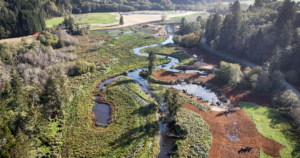
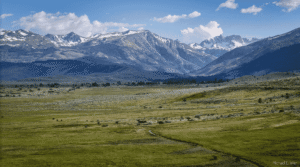
In the verdant heart of California, the lower Sacramento River watershed pulsates with life. This expansive landscape, stretching from the Klamath mountains to the Delta, is a testament to nature’s bounty and resilience. In the Central Valley region specifically, the watershed is a patchwork of fertile farmlands, productive rice fields, and thriving aquatic ecosystems. These lands have experienced significant environmental shifts over the years, influenced by human activity and climatic changes. However, recent conservation efforts are scripting a new chapter in the watershed’s history, one that emphasizes collaboration and sustainable practices.
At the forefront of these efforts is a network of local farmers working with California Trout, including Montna Farms, a vertically integrated farming operation led by President and CEO Nicole Montna Van Vleck. The farm has been producing rice across the Sacramento Valley for nearly eight decades and has demonstrated a strong commitment to environmental stewardship.
“Growing rice is just part of our job,” Nicole stated in a recent interview. “We are equally committed to giving back to the land that sustains us.”
This commitment has materialized in the form of various conservation initiatives, initially focusing on bird conservation and later expanding to include fish. Montna Farms began by flooding their fields annually, creating a hospitable environment for migrating ducks and geese. This move led to collaborations with organizations like Ducks Unlimited, Audubon, Point Blue, and The Nature Conservancy on various shorebird projects.
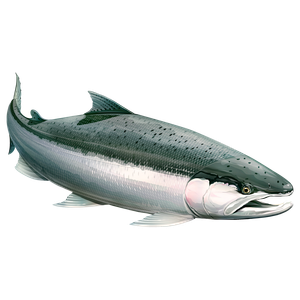
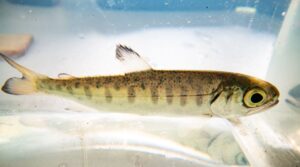
In recent years, Montna Farms has shifted its attention to the aquatic life within the watershed. Partnering with UC Davis and CalTrout, the farm has worked on fish food projects and even started rearing salmon in its fields.
“We’ve seen encouraging results over the past three years,” Montna Van Vleck said. “Not just for us, but for the entire Sacramento Valley.”
The work done by Montna Farms and CalTrout is part of a larger, holistic approach to conservation in the lower Sacramento River watershed. Montna Van Vleck highlighted the importance of this approach, stating, “We’re not only boosting salmon runs and increasing various species’ populations, but we’re also helping to shape the cultural identity of this region.”
This collaborative effort has also involved other farmers in the region. Realizing that everyone shares the same water, the local farming community has rallied around the cause. “Farmers, communities, and fish – we all need water,” Nicole pointed out. “We see a future where we all coexist and thrive together.”
The lower Sacramento River watershed is now a beacon of hope and a testament to the power of cooperative conservation. The successes achieved by Montna Farms, CalTrout, and the local farming community are shaping the future of the region, transforming the watershed into an environment where agriculture and nature harmoniously coexist.
For more information on CalTrout’s projects in the Central Valley working with farmers, check out: The Nigiri Project and Fish Food on Floodplain Farms Fields.