Eel River Watershed
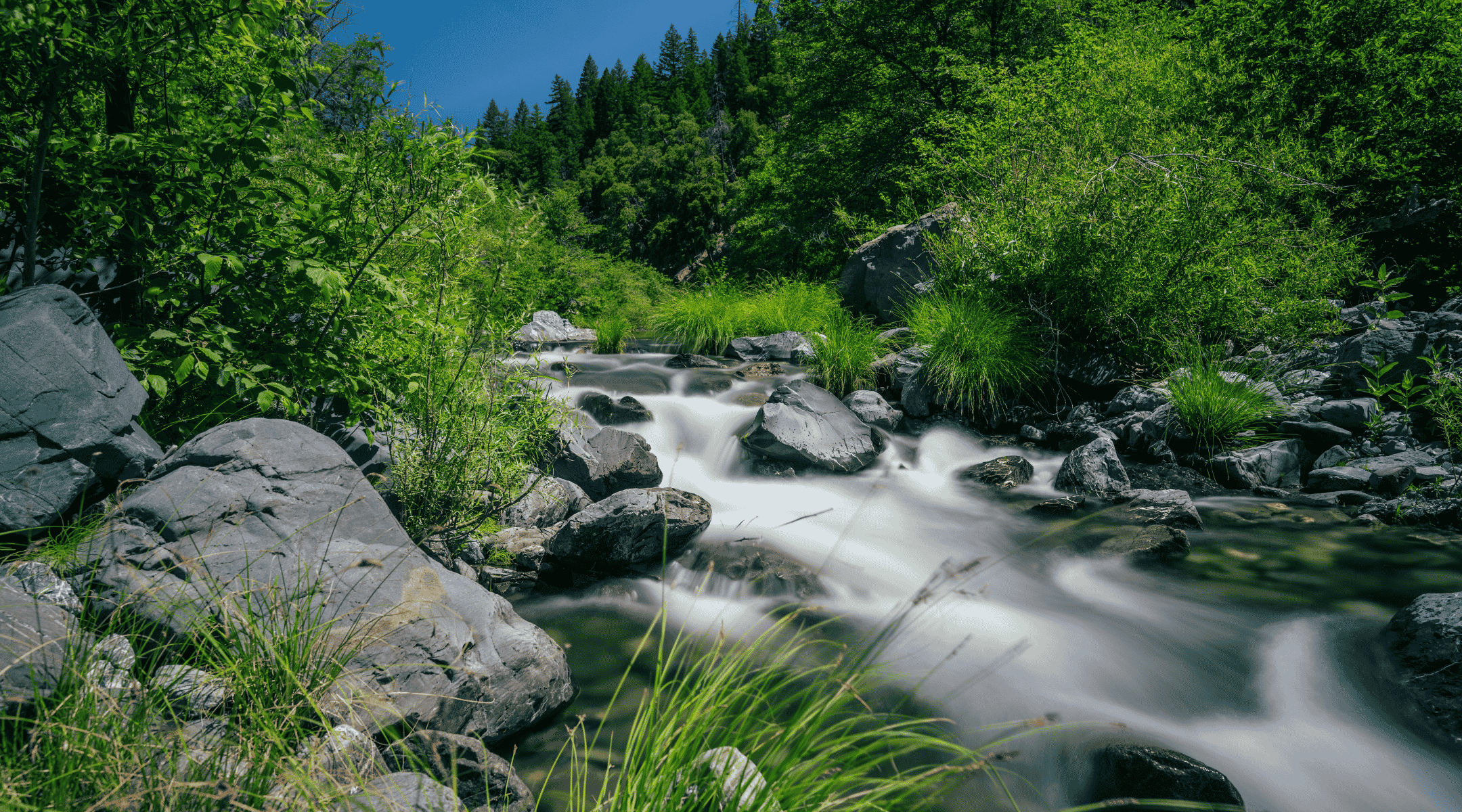
The Eel River supports one of California’s largest wild salmon and steelhead runs, and the world’s largest surviving stands of ancient redwoods.
Understanding the history
The Eel River epitomizes everything about salmon in California.
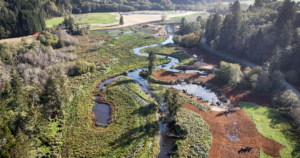
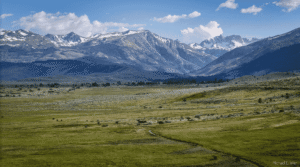
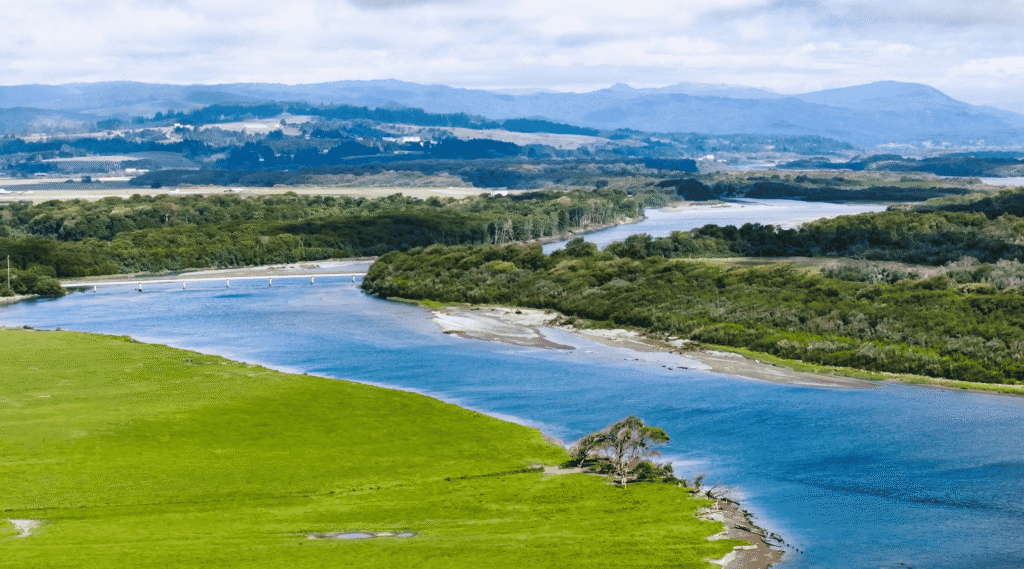
Rising on the slopes of Bald Mountain in the Mendocino National Forest and flowing roughly 200 miles north and west to the Pacific Ocean near Humboldt Bay, the Eel spans five northern counties and 3,684 square miles — California’s third largest watershed. The Eel River supports one of California’s largest wild salmon and steelhead runs, and the world’s largest surviving stands of ancient redwoods.
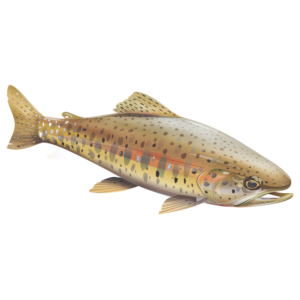
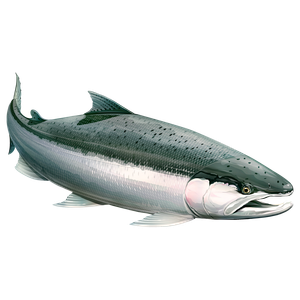
Mis-named by European explorers who mistook Pacific lamprey as “eel”, for thousands of years, the river and its runs of lamprey, Chinook salmon, coho salmon, and steelhead have sustained Tribal Nations, who continue to steward this land and watershed today.
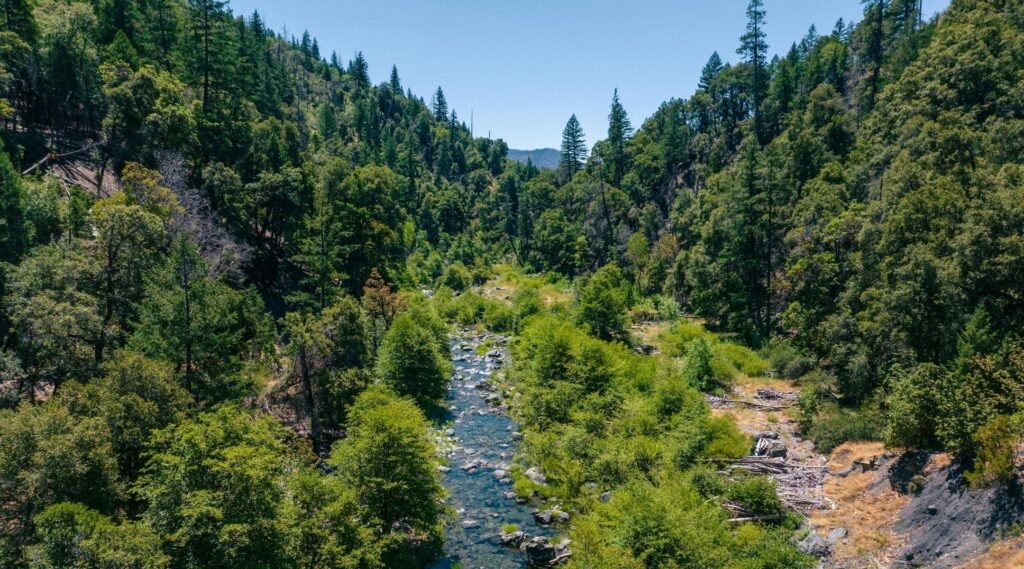
The Eel River historically supported the third largest runs of salmon and steelhead in California, exceeded only by the Sacramento/San Joaquin basin and the Klamath River. Historic anadromous salmon and steelhead populations in the Eel River likely exceeded a million returning salmon and steelhead in good years and have been reduced to about 10,000 fish in recent years. The decline in populations has been linked to various causes, such as dams, catastrophic flooding, climate change, sediment loading from historic logging practices, and salmon over-harvesting.
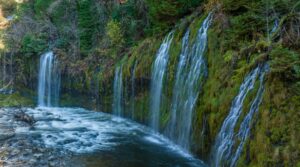
The Eel boasts more Wild and Scenic miles than any other river system in the West, with 398 designated miles on the mainstem, and major tributaries that flow out of the North Coast Range. It is a hub for recreation in a region that relies heavily on tourism to support rural economies.
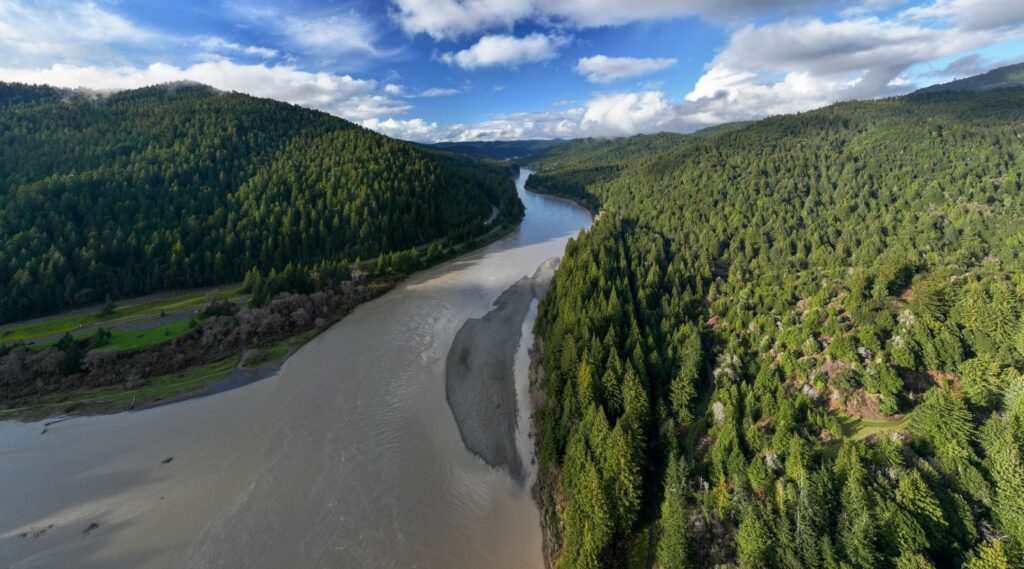
Today, the Eel is on the precipice of transformative change. Many of the historic practices that have negatively impacted the river have been changed for the better and the two remaining large dams in the watershed are slated for removal, which will reconnect nearly 300 miles of pristine cold-water habitat for the first time in over a century, making the Eel California’s longest free-flowing river.
Restoration throughout the watershed is supporting Tribal communities in reclaiming cultural practices and traditional fisheries, while benefiting recreational anglers and commercial fishing industries up and down the coast. Communities are also benefitting from cleaner water, enhanced flood resilience, and improved soil fertility throughout the watershed. The Eel River is one of California’s best opportunities to revive sustainable, wild salmon runs and to boost economies for generations to come.
CalTrout is all in on the Eel. We’re leading the way with our science-based Eel River Watershed Restoration and Conservation Program which provides the blueprint for that next chapter and taking a holistic approach to watershed health from source to sea. The program’s vision is clear: diverse and resilient habitats throughout the watershed, self-sustaining native fish populations, and thriving local communities that benefit from a healthy river system.
explore the RESTORATION PLAN below
eel RIVER watershed
The Eel River by the numbers:
200
Miles from Bald Mountain to the Pacific
3,684
Square miles — California’s 3rd largest watershed
5
Northern California counties spanned
398
Miles designated Wild & Scenic — more than any other Western river
Part 1 | DAM REMOVAL & RECONNECTING THE Headwaters
Reconnecting the Eel River’s headwaters by removing two dams — creating California’s longest free-flowing river
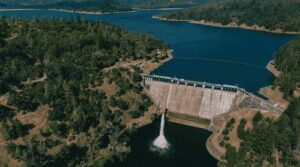
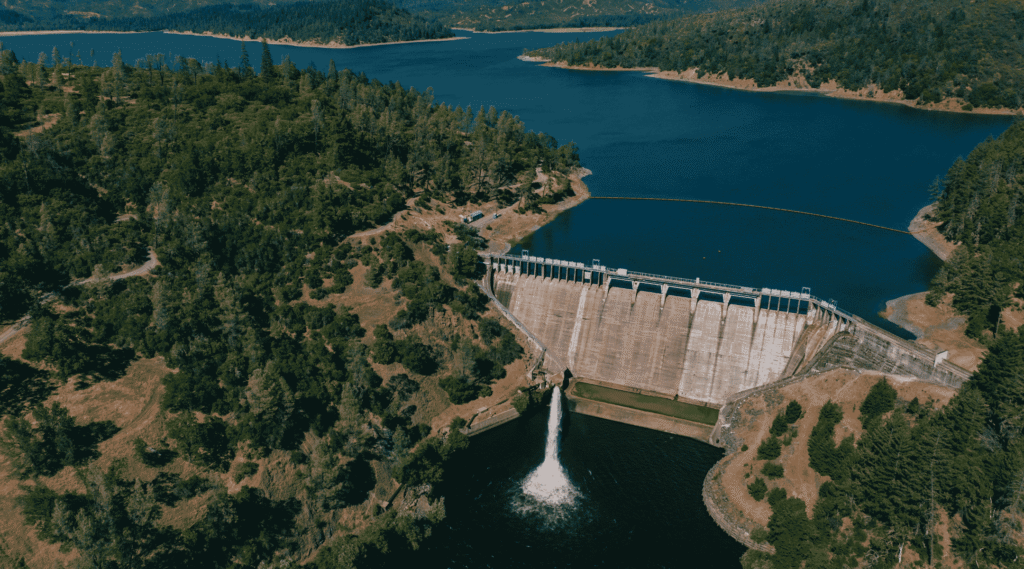
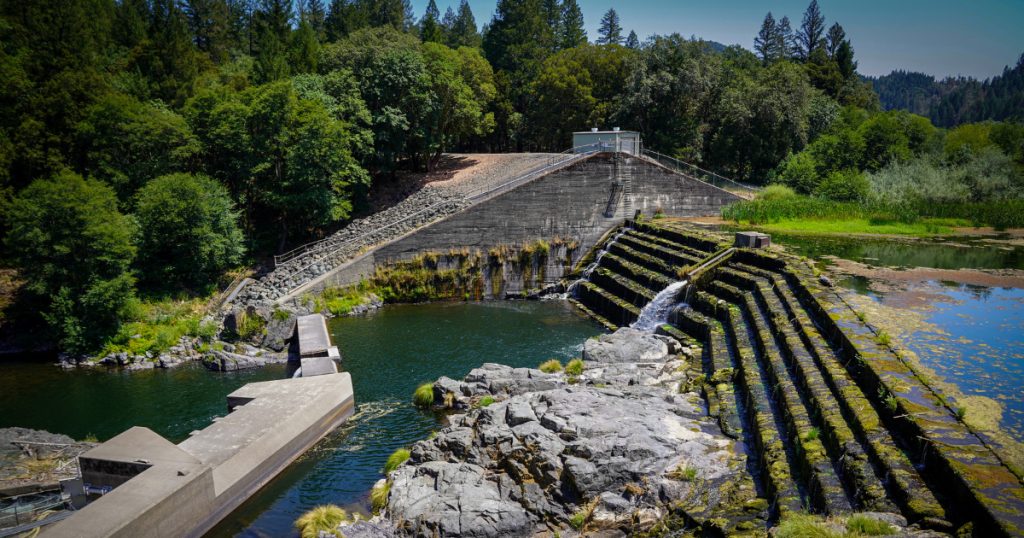
For over a century, Scott Dam and Cape Horn Dam — part of PG&E’s Potter Valley Project — have blocked the Eel’s headwaters, cutting off salmon and steelhead from hundreds of miles of cold-water habitat in Mendocino National Forest. The Project stopped generating power in 2021. Like many aging hydropower projects, the facilities lose money, pose growing safety risks, and no longer serve the purpose they were built for. By every measure, their time has passed.
In July 2025, PG&E filed its License Surrender Application and Decommissioning Plan with the Federal Energy Regulatory Commission, officially beginning the regulatory process to remove both dams. CalTrout is part of an unprecedented coalition — including the Round Valley Indian Tribes, Sonoma and Mendocino County water agencies, county governments, Trout Unlimited, and the California Department of Fish and Wildlife — that helped bring this moment about. As part of the Two-Basin Solution, dam removal will be coupled with a new, fish friendly water diversion facility that will allow people to transition away from the aging dams, solving water supply challenges, while also benefiting restoration of the Eel River.
Part 2 | restoration
Restoration efforts across the watershed, from estuary to tributaries
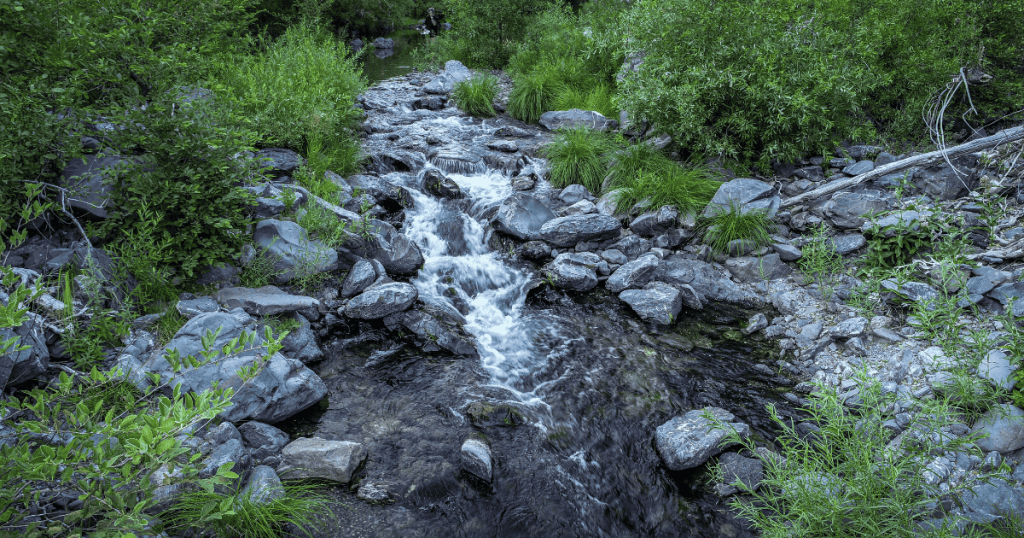
CalTrout is already hard at work on other large-scale restoration projects throughout the Eel River. In the Eel River estuary, we are restoring the 950-acre tidal marsh surrounding Cannibal Island with funding from CDFW and the California Coastal Conservancy. In key tributaries like Cedar Creek and Woodman Creek, we’ve removed barriers to reopen access to cold-water habitat. And in the South Fork Eel River, we’ve implemented large-scale restoration efforts like the Bull Creek Restoration Project. Every link in this watershed has to be functional for the ecosystem it supports to thrive.
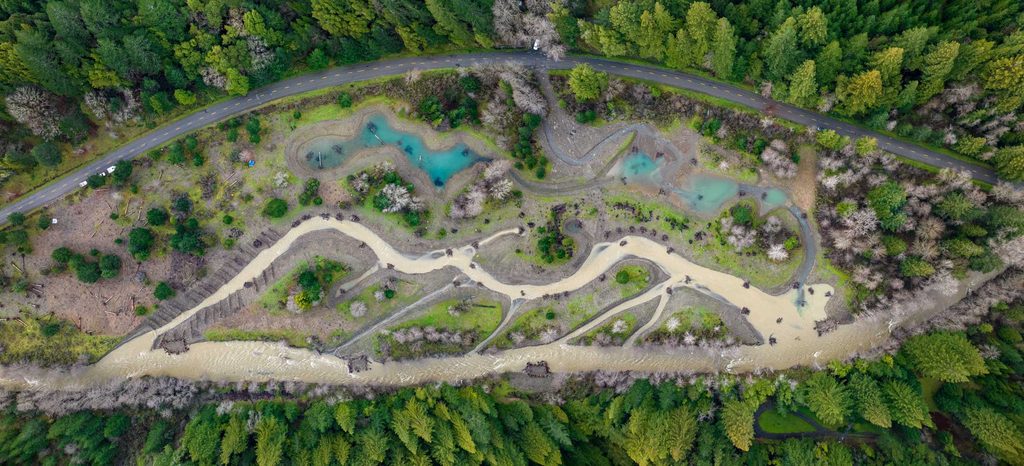
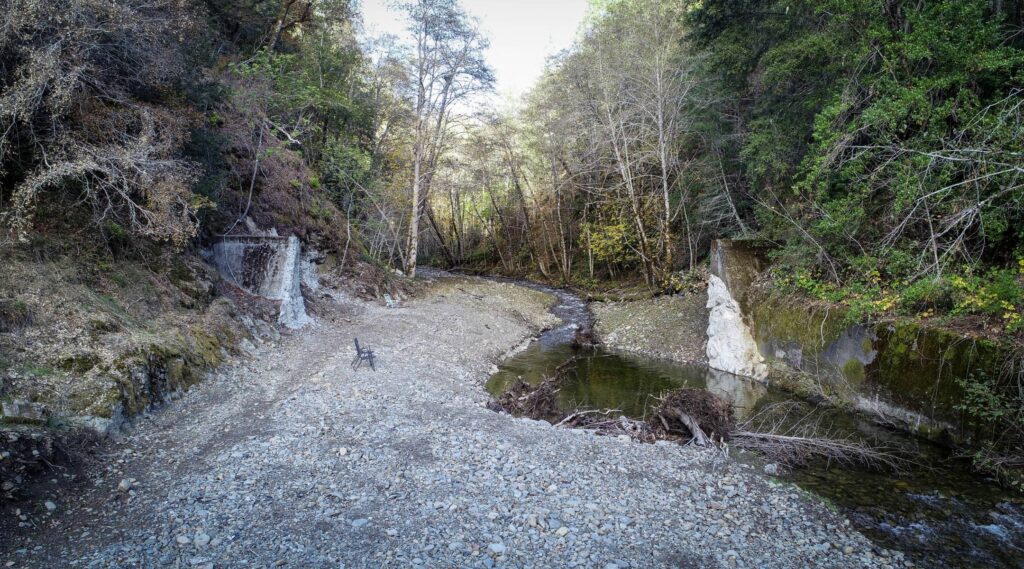
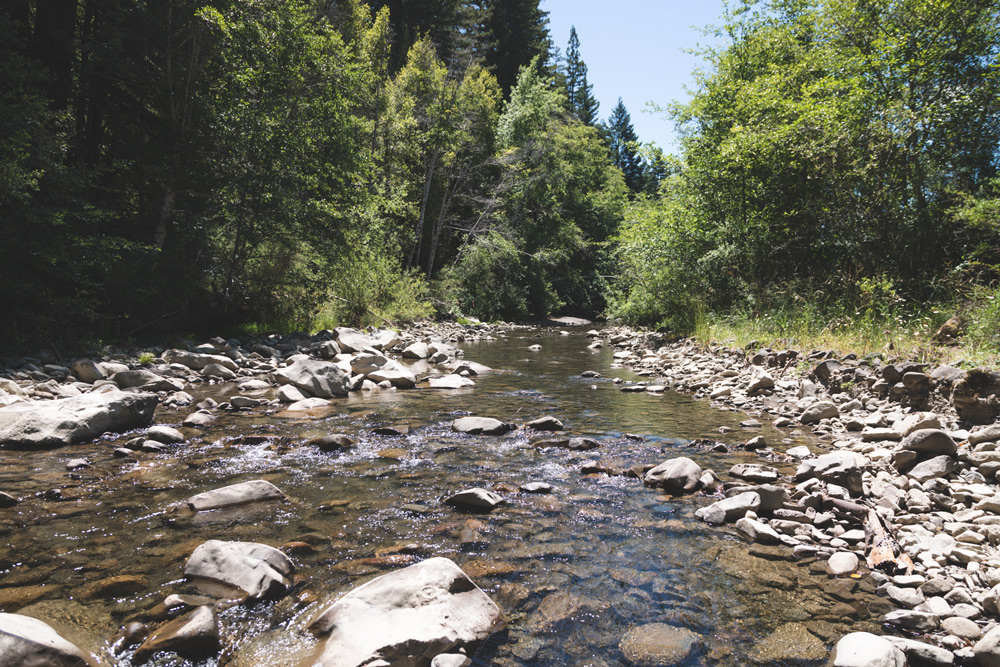
WATCH · Restoration IN A CRUCIAL Eel River TRIBUTARY
Watch our impact in action at Bull Creek.
Part 3 | Science
Science in action on the South Fork Eel River
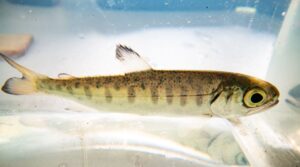
Understanding the threats and obstacles salmon face during migration is crucial to restoration success. That’s why CalTrout’s North Coast team, alongside the California Department of Fish and Wildlife, UC Berkeley, Stillwater Sciences, and the Wiyot Tribe, tracks juvenile salmon and steelhead throughout their journey from headwaters to the ocean. By monitoring juvenile salmon and steelhead as they migrate down the South Fork Eel River, we can better understand the impacts of non-native pikeminnow predation and apply what we learn to build a more informed restoration plan. The team also focuses on reducing the number of non-native pikeminnow in the watershed to give young salmon a better shot at making it to the ocean. Through a combination of methods, including a weir, physical removal through electrofishing and spearing, an open-to-the-community Pikeminnow Fishing Derby, and novel sex chromosome altering research, we are applying science to make a real difference for native fish.
Part 4 | advocacy
Advocating for stronger legal watershed protections
Legal mechanisms are also crucial for protecting and restoring the Eel River. CalTrout is advocating for Outstanding National Resource Waters (ONRW) designation for two important tributaries to the South Fork Eel River — Cedar Creek and Elder Creek — along with key feeder streams to these waters. If approved, Cedar and Elder creeks would be among the first riverine ONRWs in California, building on existing designations for Mono Lake and Lake Tahoe and advancing statewide climate and biodiversity goals on public lands.
ONRW designation is reserved for waters with exceptional water quality and unique ecological, cultural, recreational, or scientific value. It’s one of the strongest legal mechanisms available to protect water quality under the Clean Water Act, prohibiting any action that would permanently degrade existing water quality while still allowing short-term impacts from activities like restoration, fuels reduction, road repair, or fire suppression.
Part 5 | Community
A cornerstone of the community
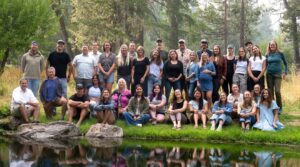
Restoration isn’t possible without collaboration. CalTrout and our partners in the Eel River Forum — including more than 22 public agencies, Tribes, and conservation organizations — are working together to implement the priority actions outlined in the Eel River Action Plan. This collaborative approach ensures restoration efforts benefit both the ecosystem and the local communities who depend on it.
The Eel River is a cornerstone of the community, and CalTrout is proud to host the annual Eel River Expo, a free, hands-on event open to anyone with an interest in learning from local scientists about how this remarkable restoration will shape our region’s future. The inaugural Expo in 2025 brought together more than 800 attendees and 40 partner groups and agencies for a day of hands-on activities, presentations, and community celebration.
CALTROUT IN ACTION
Stories from the Eel River.
-
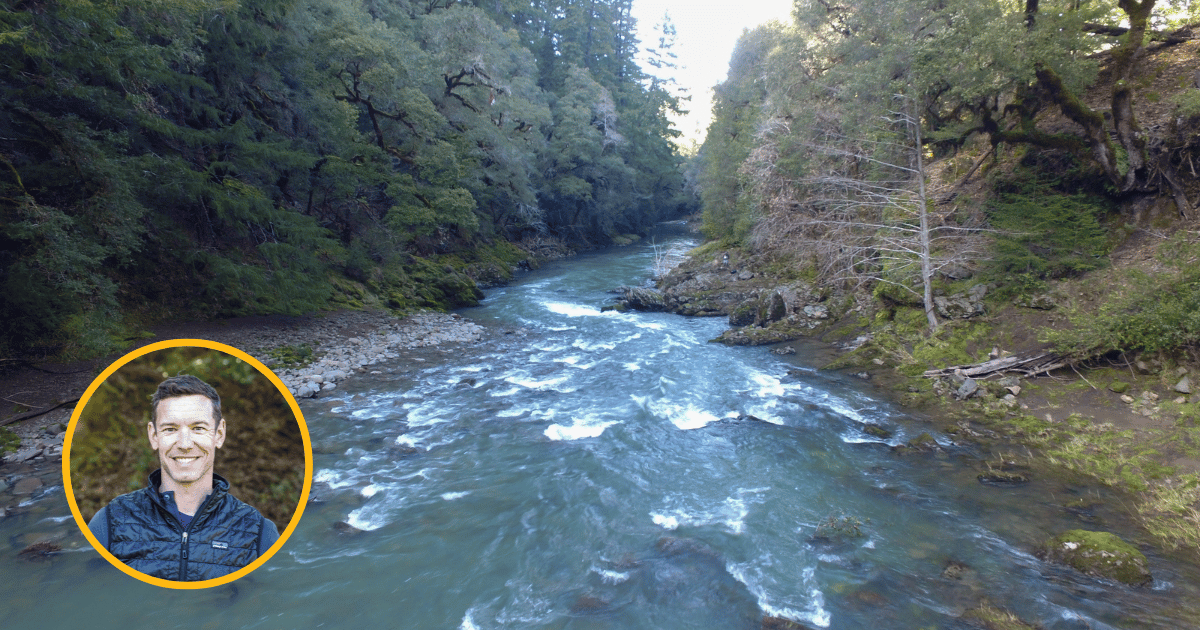
Introducing CalTrout’s Lost Coast Project Manager & Update on Eel River Dams
Read more →: Introducing CalTrout’s Lost Coast Project Manager & Update on Eel River Dams -
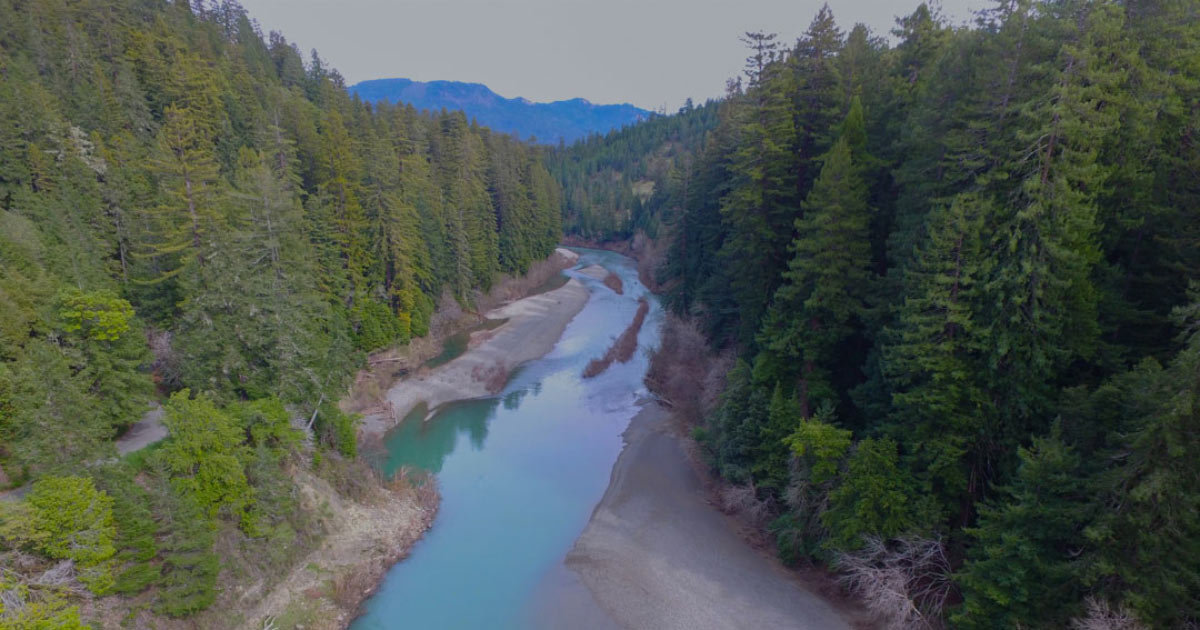
Suppression of Invasive Pikeminnow Populations Could Help Native Eel River Salmonids
Read more →: Suppression of Invasive Pikeminnow Populations Could Help Native Eel River Salmonids -
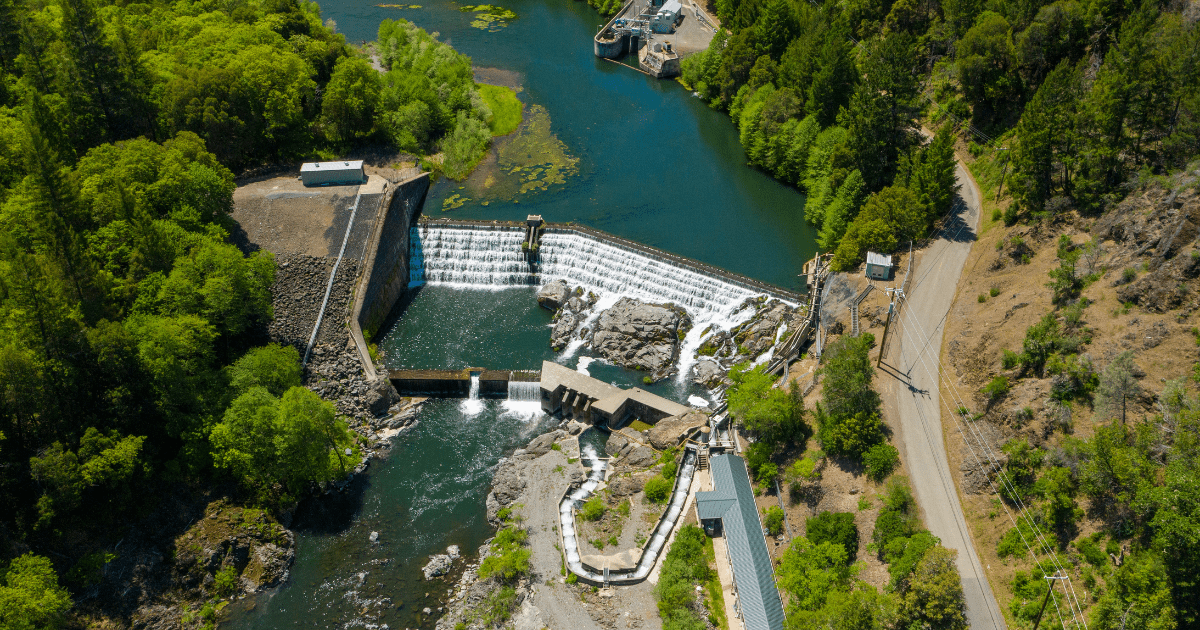
Press Release: PG&E’s Refusal to Protect Fish in Eel River
Read more →: Press Release: PG&E’s Refusal to Protect Fish in Eel River
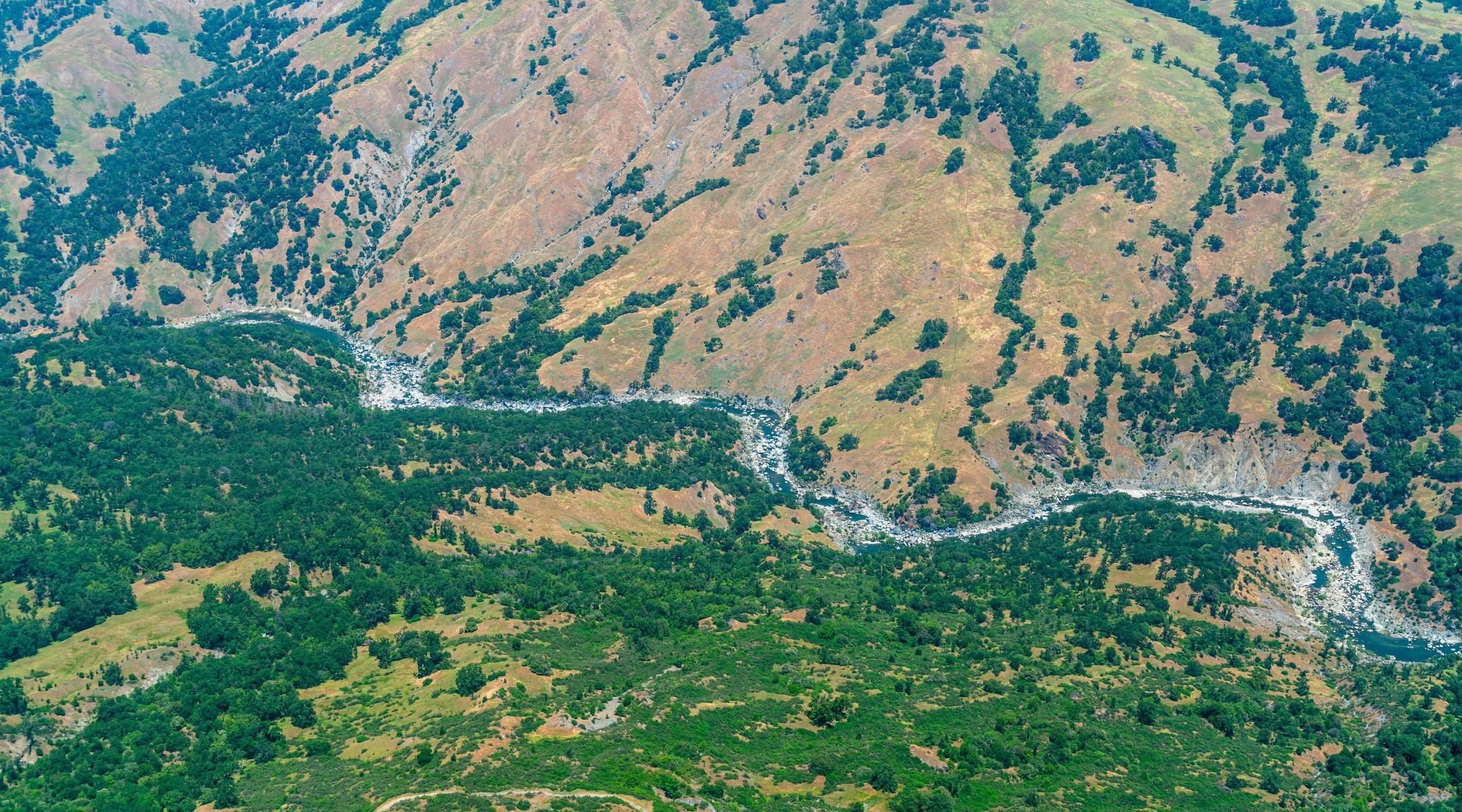
Support caltrout
Join the movement toward a flourishing Eel River watershed.
Soon, the Eel River will flow free again, becoming a cornerstone for North Coast salmon recovery and strengthening the ecological and economic resilience of the entire region. But there’s still a lot of work ahead. Restoring each part of the Eel River watershed will require sustained hard work, advocacy, science, and supporters like you. Funding for scientific monitoring and on-the-ground restoration is critical to ensuring a revitalized Eel, self-sustaining native fish populations, and thriving local communities.