Elk River Watershed
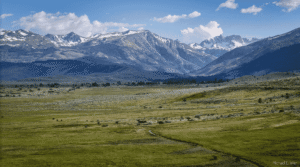
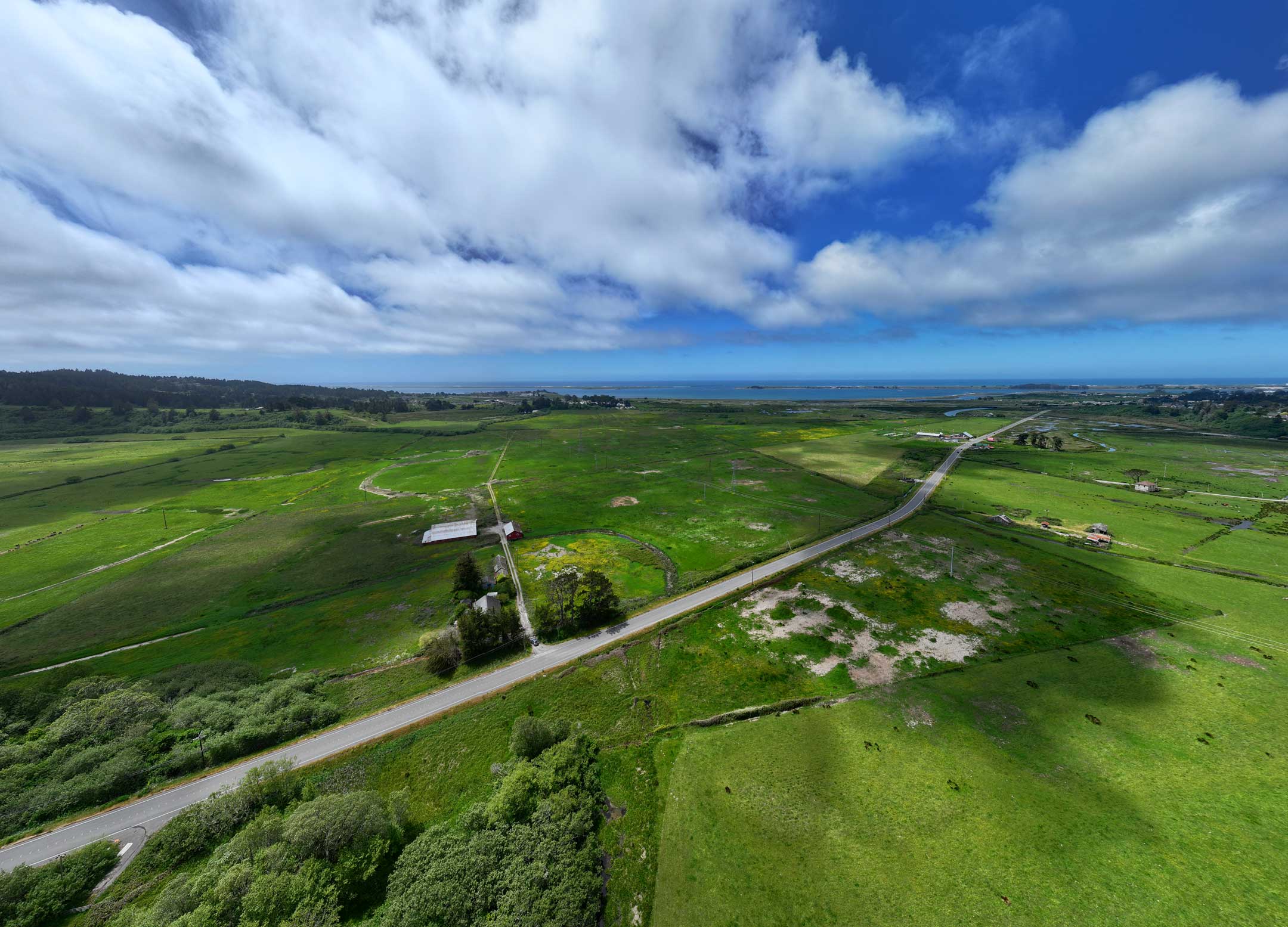
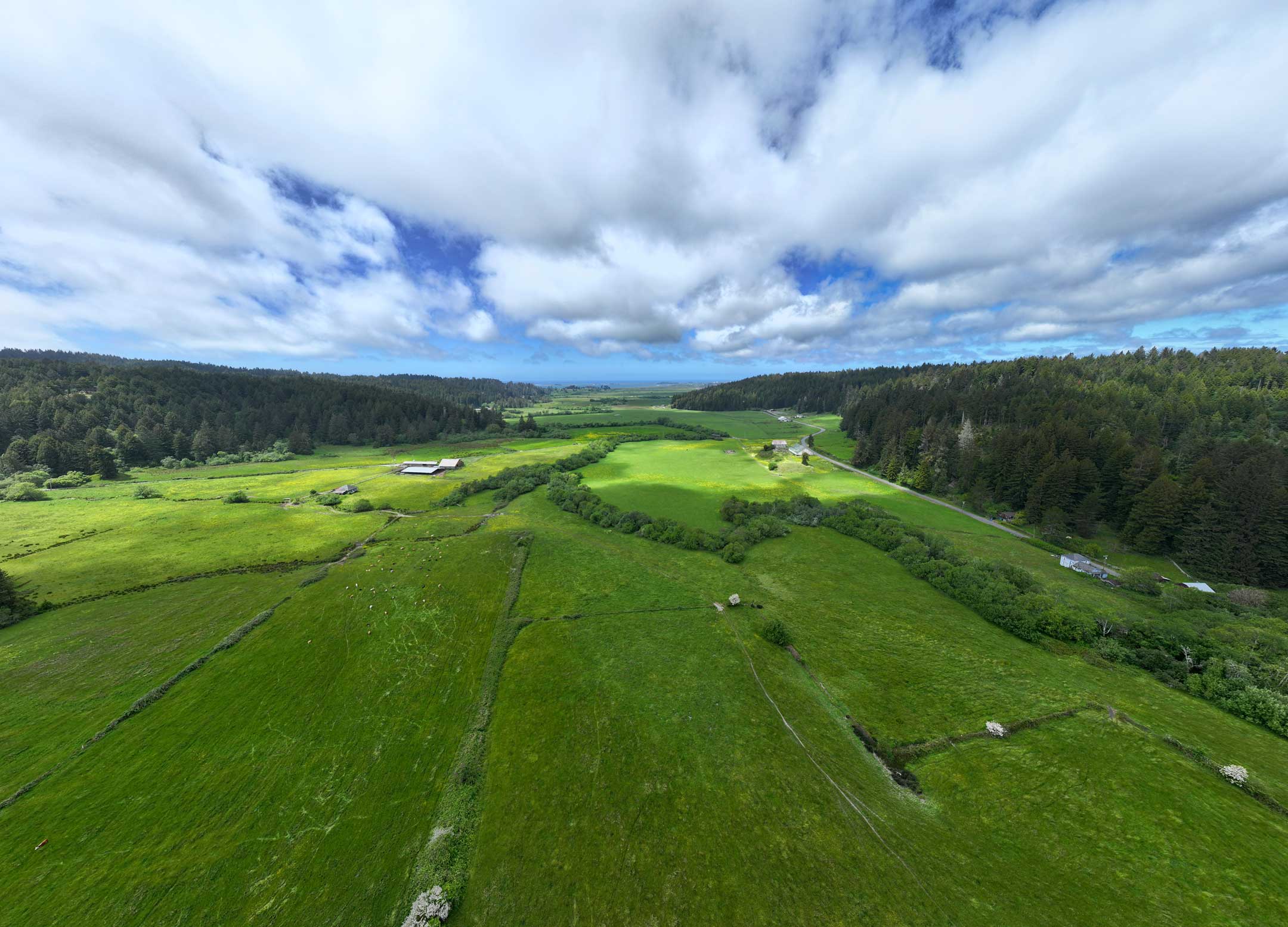
The Elk River drains a 58.3-square-mile watershed in Humboldt County, flowing out of steep, redwood-forested slopes before reaching Humboldt Bay just south of Eureka.
Understanding the history
A working landscape with vast restoration potential
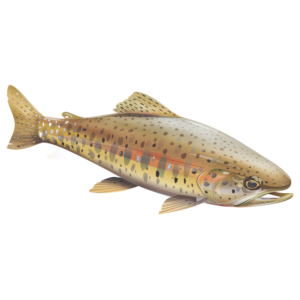
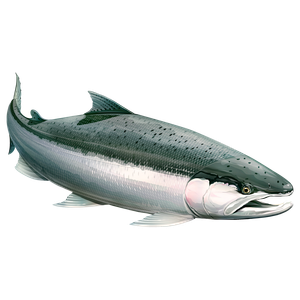
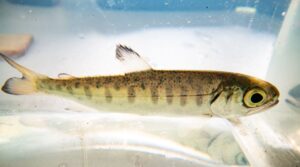
Most of the Elk River watershed — roughly 82 percent — is privately owned and managed for industrial timber, along with cattle grazing, dairies, and rural residential land, while the Headwaters Forest Preserve and the CDFW Elk River Wildlife Area protect key stretches of public land near the estuary. For generations, the river’s lower reaches were also home to a Wiyot fishing village, and the watershed once supported abundant runs of California Coast Chinook salmon, Southern Oregon/Northern California Coast coho salmon, Northern California winter steelhead, and coastal cutthroat trout.
That abundance was devastated in the 1990s. Aggressive clear-cut logging stripped the watershed’s steep, naturally erosive slopes, and a string of major storms between 1988 and 2000 sent enormous volumes of sediment pouring into the river. With a low gradient that can’t naturally flush sediment downstream, the Elk River choked on it — smothering fish habitat, degrading drinking water for local residents, and leaving homes, roads, and farmland more vulnerable to flooding than ever before. Coho and steelhead populations collapsed to just 5 to 10 percent of their historical abundance.
ELK RIVER, HUMBOLDT COUNTY
The Elk River by the numbers:
A five-phase effort to address sediment impairment, reduce nuisance flooding, and rebuild habitat from the headwaters to the bay.
58.3
square miles of watershed in Humboldt County
82%
privately owned, managed for timber, grazing & dairy
857
acres of estuary reconnection underway
2030
target completion for full recovery program
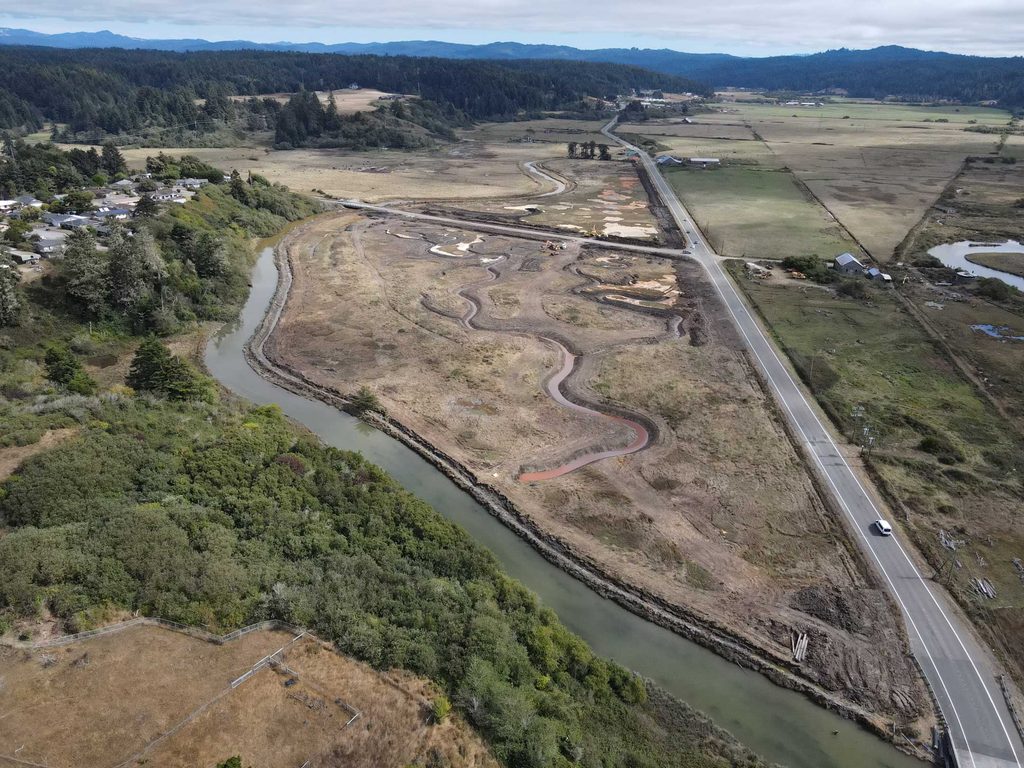
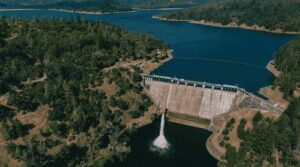
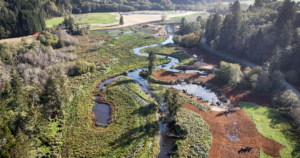
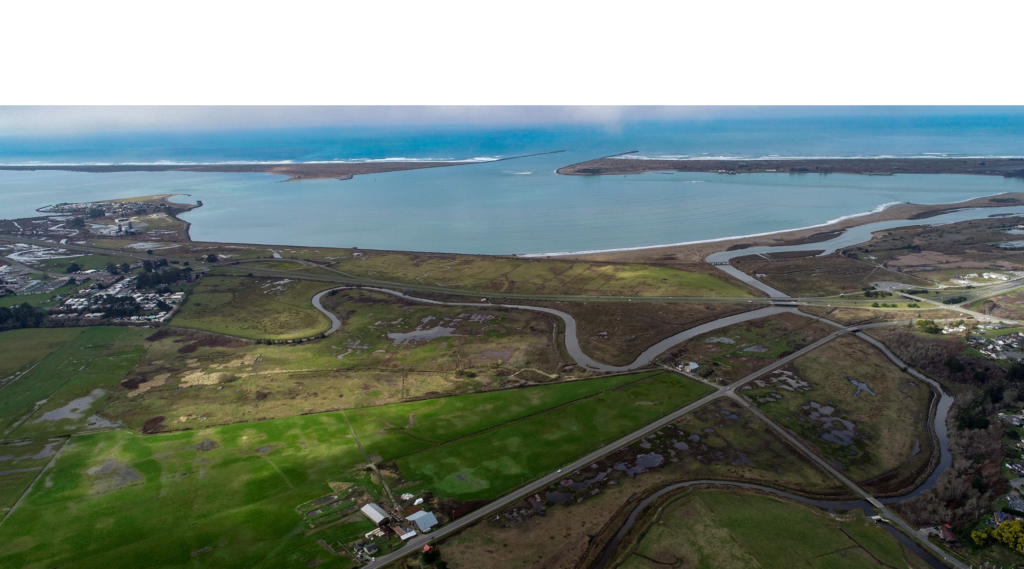
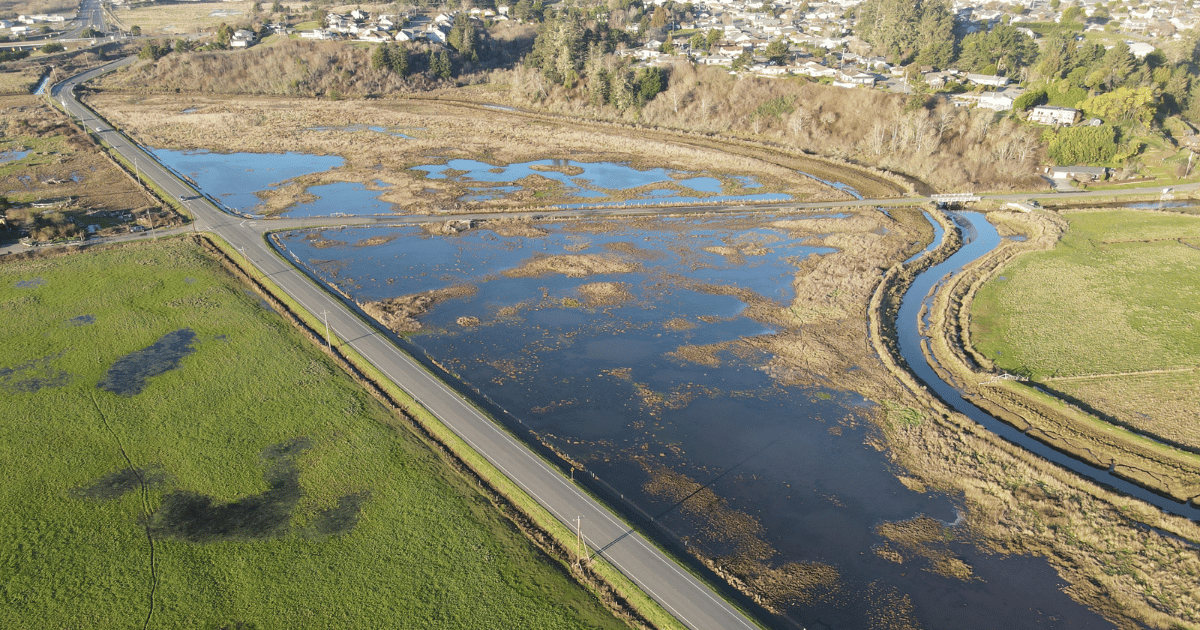
Swain Slough: Aerial project view
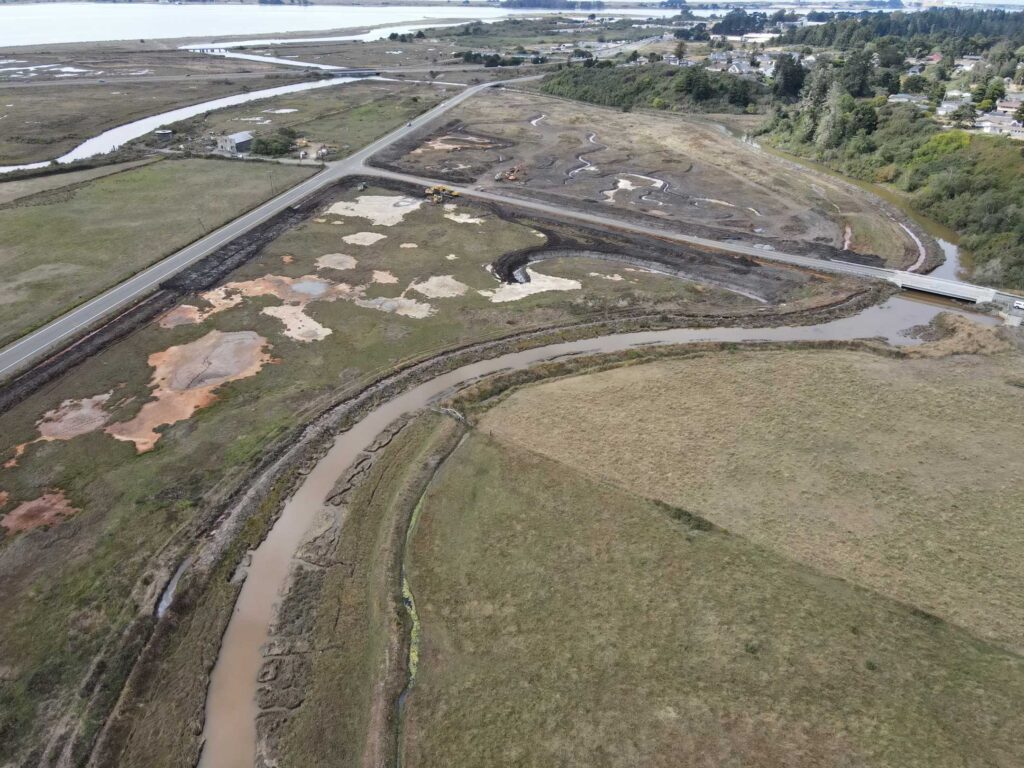
Swain Slough: Aerial project view
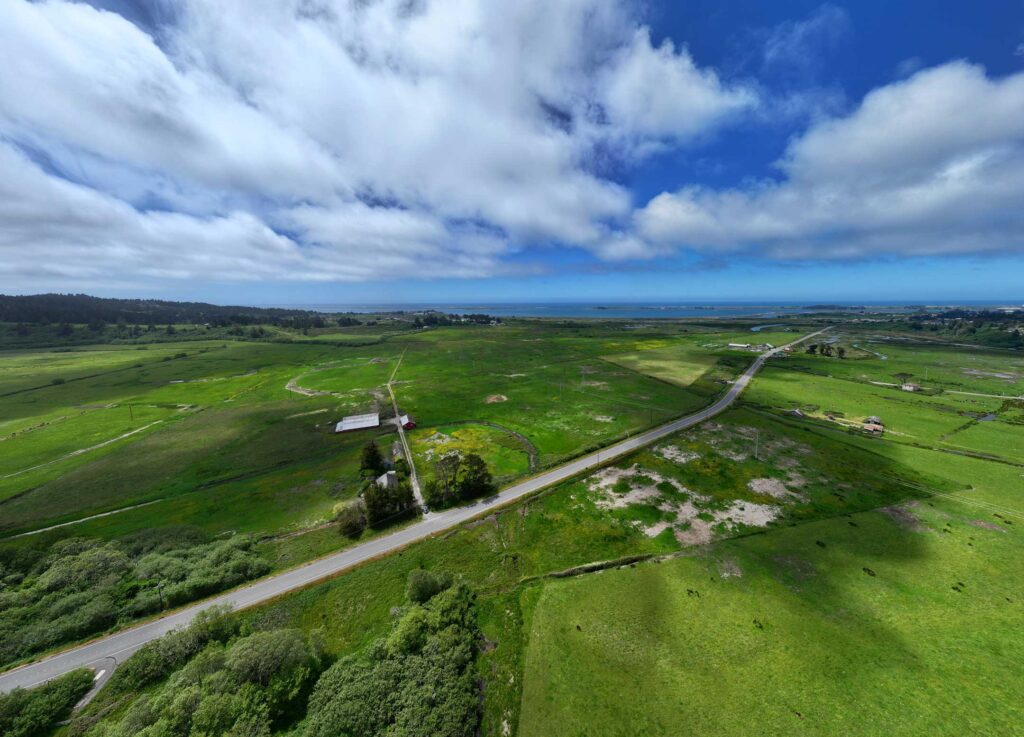
the progress
The Elk River, a decade into the recovery
CalTrout has spent more than a decade working to reverse that damage through the Elk River Recovery Program, a five-phase effort to address sediment impairment, reduce nuisance flooding, and rebuild habitat from the headwaters to the bay. In July 2026, that work reached a major milestone: construction began on the first phase of the Elk River Estuary Restoration Project, restoring roughly 40 acres at Swain Slough as part of a larger 857-acre effort to reconnect tidal wetlands and natural sediment and water flow throughout the estuary. Funded by NOAA, the State Coastal Conservancy, and the California Department of Fish and Wildlife, and built through voluntary agreements with willing landowners, the project will expand critical habitat for salmon and steelhead while reducing flood and sea-level-rise risk for the surrounding community.
Estuary restoration is the most visible milestone in a much longer recovery — one that stretches from tidal wetlands at the bay to the sediment-choked reaches upstream. CalTrout and its partners are now in the planning and design phase for the watershed’s upper reaches, working alongside Humboldt Redwood Company, the Wiyot Tribe, and local landowners to complete the full recovery program by 2030. Reconnecting the Elk River will take patience, engineering, and above all, the continued trust of the community whose land and livelihoods are tied to this watershed.
40
acres being restored in Swain Slough — phase one of a larger 857-acre effort to reconnect tidal wetlands across the estuary
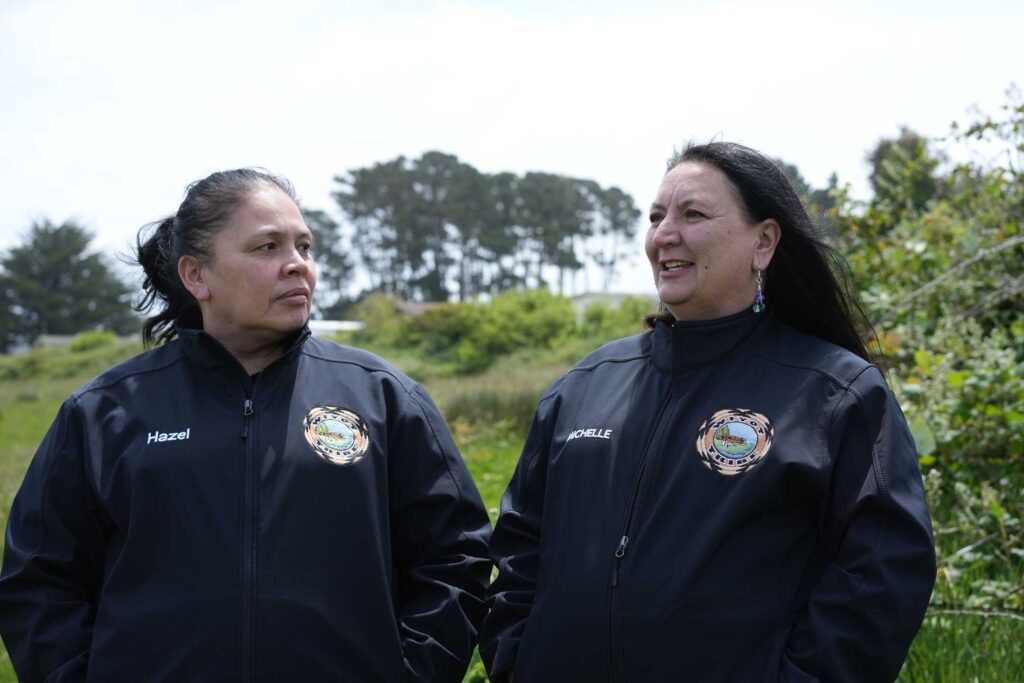
WATCH the film
Returning Chwanuchguk to the Wiyot Tribe
Tribal Partnership
Supporting Wiyot Stewardship
As part of the estuary restoration project, CalTrout has helped return the Chwanuchguk parcel — the site of a historic Wiyot fishing village at the mouth of the Elk River — to Wiyot Tribe stewardship. The transfer restored a direct connection between the Tribe and a place central to its history and culture, while supporting the broader goals of the restoration project: reconnecting tidal wetlands, rebuilding fish habitat, and honoring the people who have depended on this estuary the longest.
This partnership reflects CalTrout’s approach across the Elk River watershed — pairing large-scale habitat restoration with meaningful, lasting benefits for the Tribal and local communities who call it home.
The community
A Community-Driven Recovery Plan
Long before construction could begin, CalTrout had to earn the trust of the people living and working on the Elk River. Since 2014, CalTrout has led technical studies and community engagement throughout the watershed, and in 2019 launched the Elk River Watershed Stewardship Program alongside the North Coast Regional Water Board to bring landowners, timber and agricultural interests, regulatory agencies, and conservation groups together around a shared recovery plan.
Rather than positioning restoration against the watershed’s working lands, CalTrout has served as a neutral convener — meeting one-on-one with landowners, listening to concerns about flooding and land use, and designing solutions that reduce sediment and restore habitat while respecting the Elk River’s long history as a working landscape. That patient, relationship-first approach is what made a project as complex as the estuary restoration possible.
The Elk River is one of the clearest examples in California of what long-term, community-grounded restoration can achieve. What began as one of the North Coast’s most severe cases of watershed degradation is now on a path toward recovery — with new tidal wetlands taking shape at the bay, sediment reduction work advancing upstream, and a community that has come together, often after years of mistrust, around a shared vision for a healthier river.
CALTROUT IN ACTION
Stories from the Elk River.
-
NOAA Announces Funding for CalTrout Restoration Project in Humboldt County, an Investment in Coastal Resilience
Read more →: NOAA Announces Funding for CalTrout Restoration Project in Humboldt County, an Investment in Coastal Resilience -
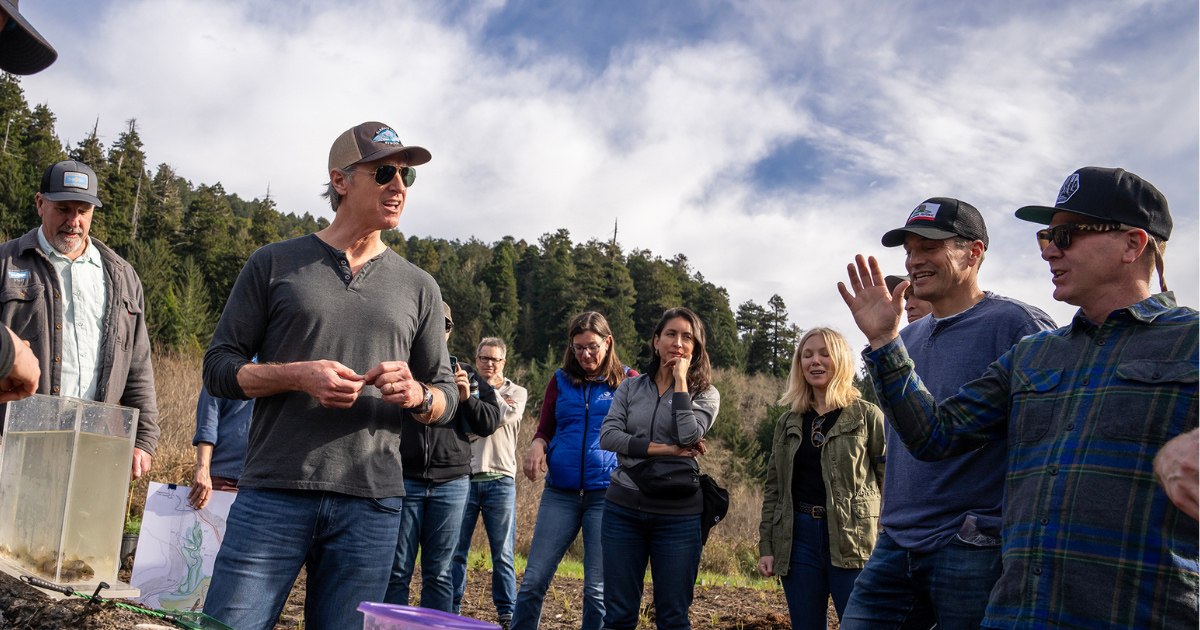
Governor Newsom Tours CalTrout Projects and Releases New Salmon Strategy
Read more →: Governor Newsom Tours CalTrout Projects and Releases New Salmon Strategy -
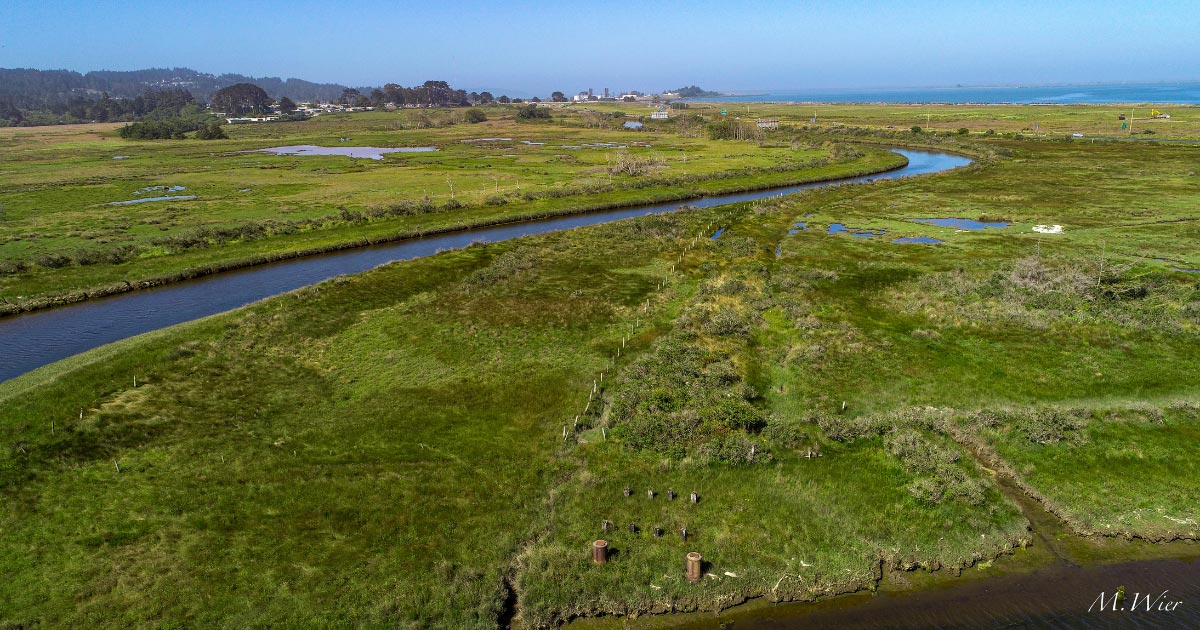
Recovery Plan Released for Elk River
Read more →: Recovery Plan Released for Elk River
Support caltrout
Help fund projects like the Elk River
There are still years of work ahead to complete the full recovery of the Elk River, from reducing sediment in the upper watershed to monitoring how salmon and steelhead respond to newly restored habitat. Your support helps CalTrout continue this work — funding the science, engineering, and community partnerships needed to bring one of Humboldt Bay’s most important watersheds back to health.