East Side Sacramento River Tributaries
Big Chico, Battle, Mill, and Deer creeks carry the coldest water left in the Sacramento Valley — and the fish that depend on it.
Understanding the history
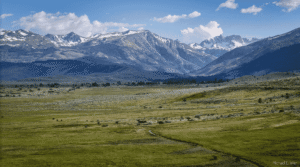
Flowing from the western slopes of the Cascade Range into the Sacramento River, the East Side Sacramento River tributaries support some of California’s most important cold-water habitats for salmon and steelhead.
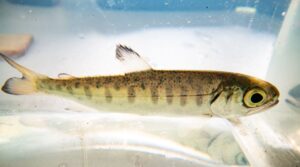
These streams — including Big Chico Creek, Battle Creek, Mill Creek, Deer Creek, and others — provide critical spawning and rearing habitat for native fish while supplying water and recreational opportunities for local communities.
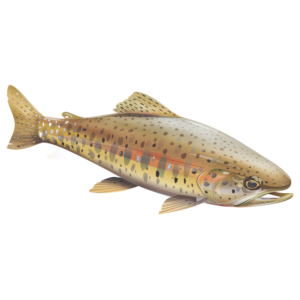
Despite their ecological significance, many of these watersheds have been altered by dams, diversions, and other barriers that limit fish migration and disrupt natural river processes. CalTrout is working alongside agency, Tribal, nonprofit, and local partners to reconnect habitat, improve stream function, and restore access to the cold, clean water that fish and people depend on.
EAST SIDE SACRAMENTO RIVER TRIBUTARIES
Reconnecting the Cascade Range’s cold-water strongholds.
Decades of dam removal and habitat restoration across Big Chico Creek, Battle Creek, and neighboring tributaries.
8+ miles
Of over-summering habitat reopened on Big Chico Creek in 2026 by CalTrout
2 dams
Removed from Battle Creek — Wildcat Dam (2010) and Inskip Diversion Dam (2025)
8+ miles
Of habitat reconnected through Eagle Canyon fish passag in 2021 by CalTrout
Part 1 | Big Chico Creek
Big Chico Creek: Reconnecting Chinook Salmon With Headwaters
Big Chico Creek is one of the Sacramento Valley’s most important streams for spring-run Chinook salmon and Central Valley steelhead. Originating high in the Sierra-Cascade foothills and flowing through Bidwell Park before joining the Sacramento River, the creek provides valuable cold-water habitat and serves as a vital migration corridor for native fish.
Protecting and restoring connectivity throughout the watershed is essential to supporting resilient fish populations and healthy river ecosystems.
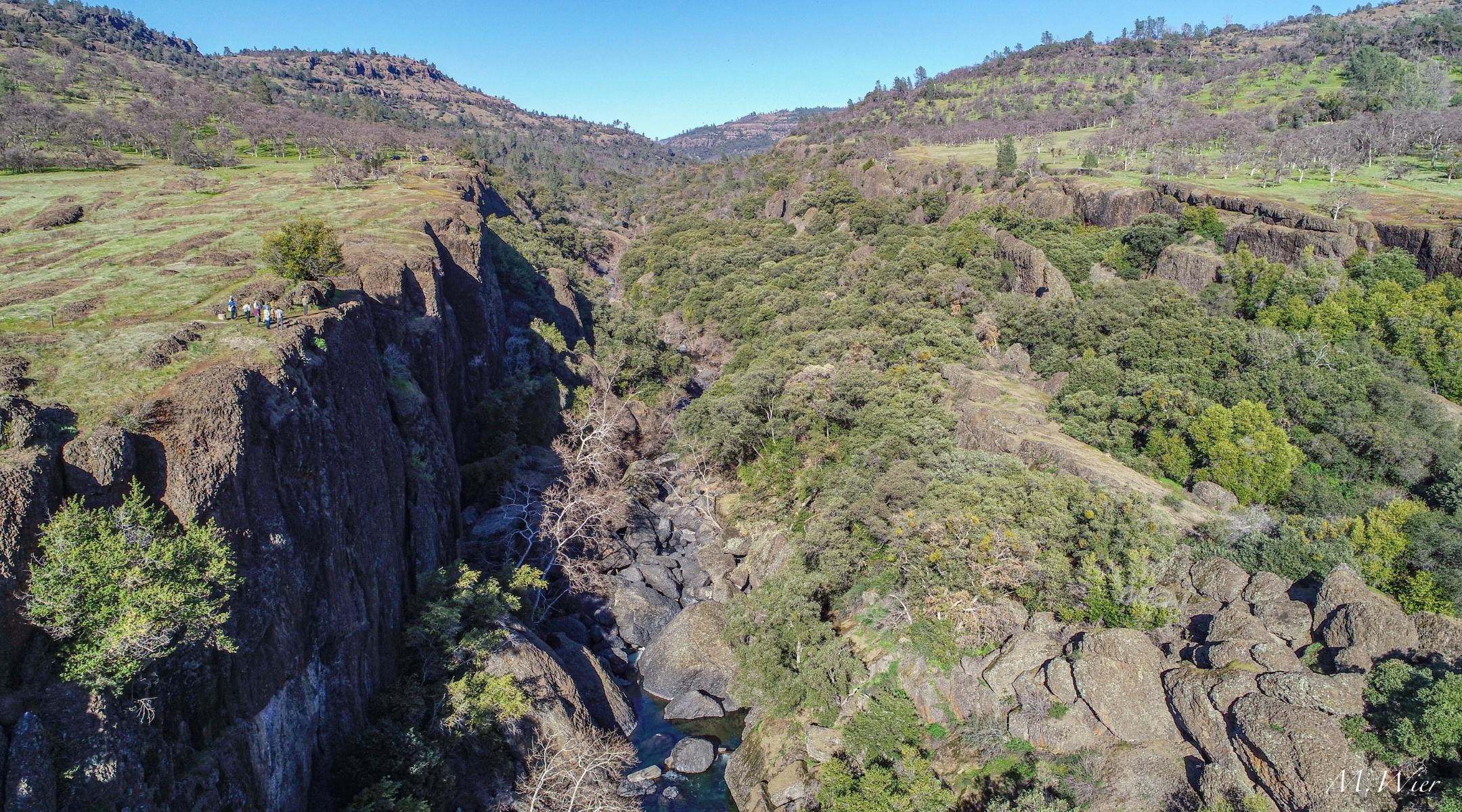
Located on a tributary of Big Chico Creek, the Iron Canyon Fish Passage Project is restoring access to critical upstream habitat that has long been blocked by rockfall and unmaintained infrastructure. The project will reconfigure the creek channel to reconnect spring-run Chinook Salmon and steelhead with over eight miles of over-summering habitat they need to survive and recover. Rather than focusing solely on salmon passage, the project is designed to restore connectivity and habitat for the broader native fish community — an ecosystem-based approach to recovery.
By addressing barriers to migration, the project supports broader efforts to strengthen the resilience of Big Chico Creek and the Sacramento River watershed.
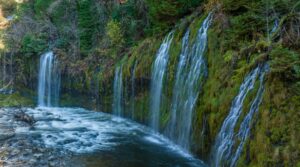
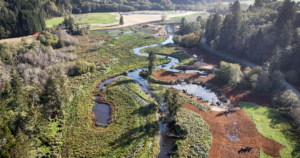
Big Chico Creek. The Iron Canyon Fish Passage Project reopens over eight miles of habitat.
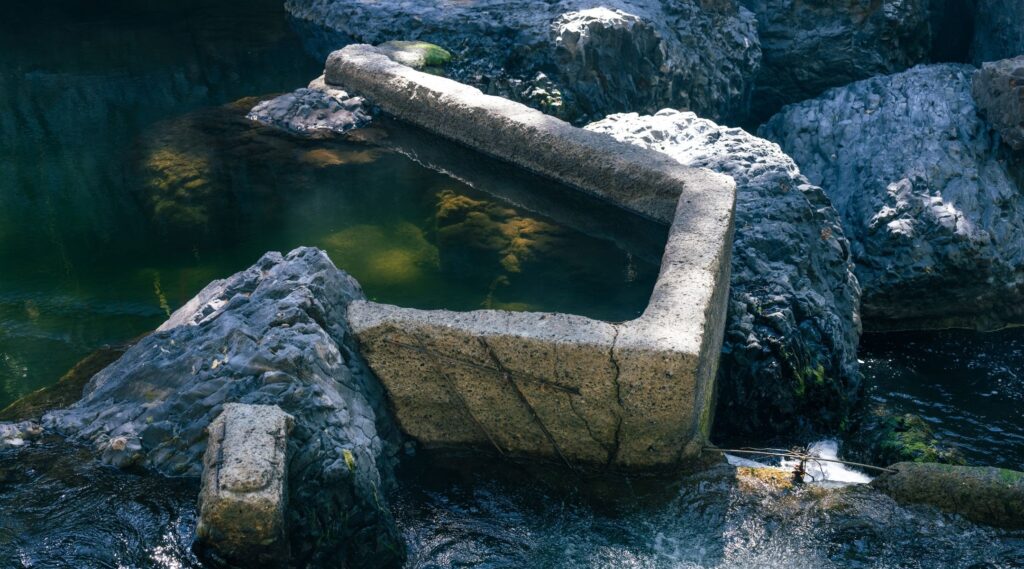
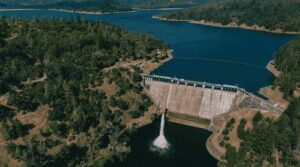
Iron Canyon Fish Passage Barrier. The barrier was removed in 2026.
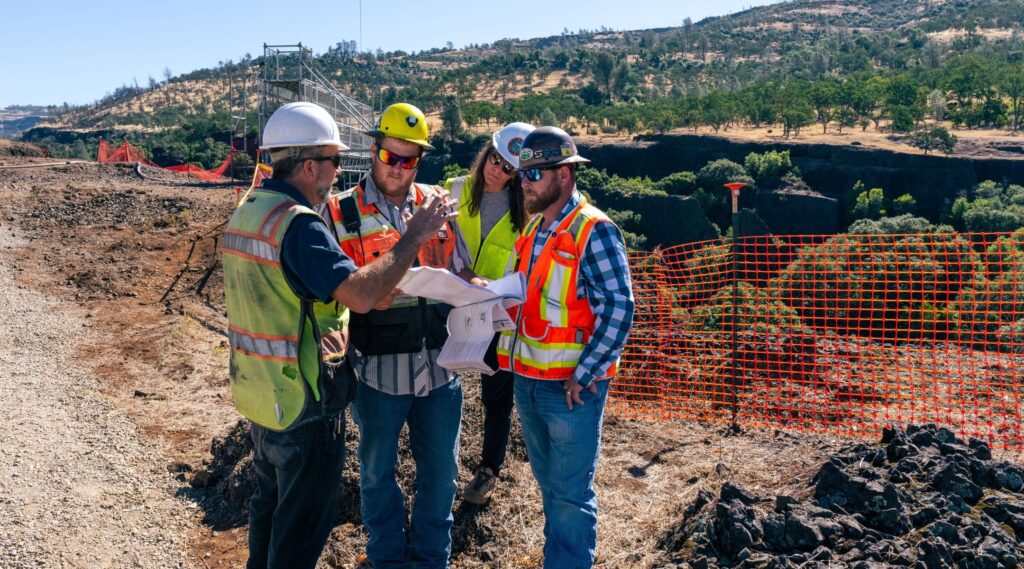
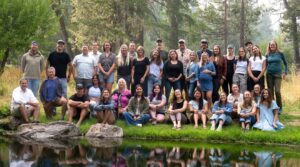
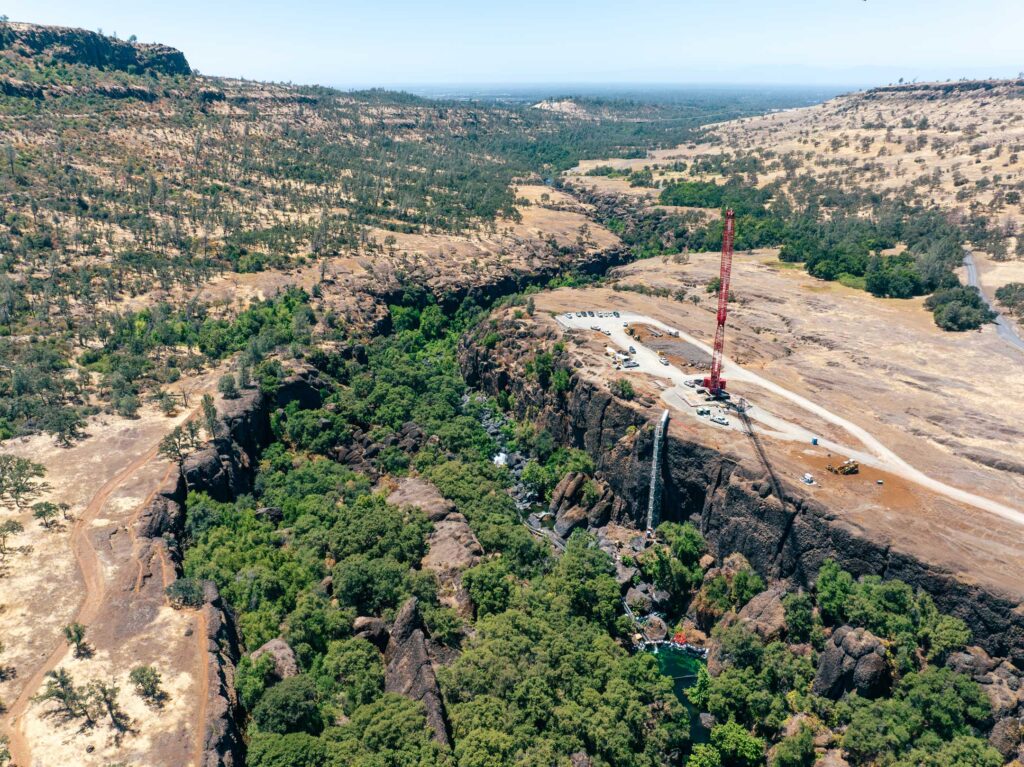
Iron Canyon Fish Passage Project. Construction team.
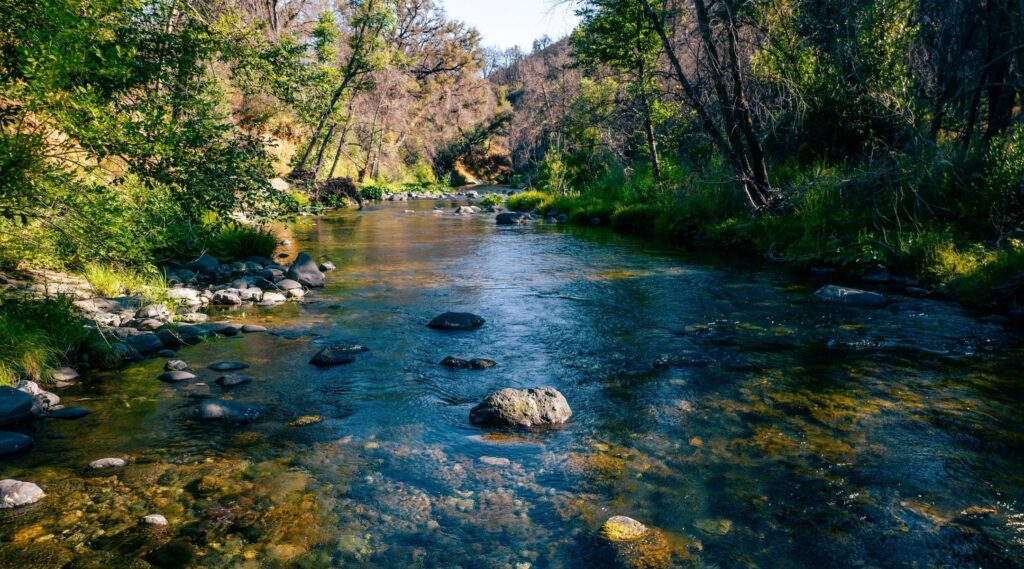
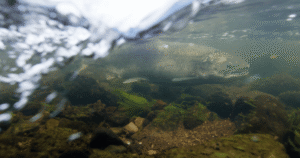
Big Chico Creek. High-quality upstream habitat.
Part 2 | Battle Creek
Battle Creek: California’s Best Opportunity to Restore a Resilient Wild Population of Winter-Run Chinook Salmon
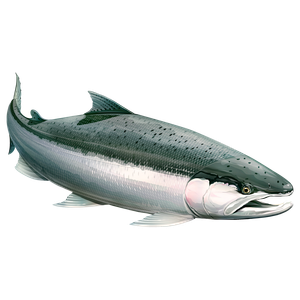
Battle Creek is one of California’s most important cold-water strongholds for salmon and steelhead. Fed by cold springs emerging from the volcanic landscape surrounding Lassen Peak, the watershed provides exceptionally cold, reliable flows that support multiple runs of Chinook salmon and steelhead. Most importantly, Battle Creek represents one of the best opportunities to restore volitional passage for endangered winter-run Chinook salmon, allowing these fish to once again migrate on their own into the cold, spring-fed habitat they need to spawn and survive.
For more than a century, dams and hydropower infrastructure fragmented the watershed and blocked access to much of this high-quality habitat. Today, decades of restoration are gaining momentum. Wildcat Dam was removed in 2010, fish passage through Eagle Canyon was restored in 2021 through a CalTrout-led project, reconnecting more than eight miles of habitat, and in 2025 Inskip Diversion Dam became the second dam removed from Battle Creek. Together, these projects are progressively reconnecting the watershed and demonstrating what is possible as additional barriers are addressed.
CalTrout and our partners are working toward a future where salmon and steelhead can once again move freely between the Sacramento River and Battle Creek’s cold-water headwaters. Restoring this connection could help establish an additional wild population of winter-run Chinook — one of California’s most endangered salmon — while also expanding habitat for spring-run, fall-run, and late-fall-run Chinook salmon and steelhead.
Our work extends beyond fish passage. In the upper watershed, CalTrout is helping advance the removal of remaining hydropower barriers and restore access to cold-water spawning and rearing habitat. Downstream, we are reconnecting floodplains, wetlands, and side channels that provide productive feeding and rearing habitat for juvenile salmon as they begin their migration toward the ocean.
Together, these efforts are restoring Battle Creek as a connected, resilient watershed and moving us closer to one of the most important goals for salmon recovery in California: allowing winter-run Chinook and other native fish to once again complete their life cycle naturally in the cold-water habitats of Battle Creek.
WATCH the timelapse
Watch Inskip Dam removal happen
CALTROUT IN ACTION
Stories from the East Side tributaries.
-
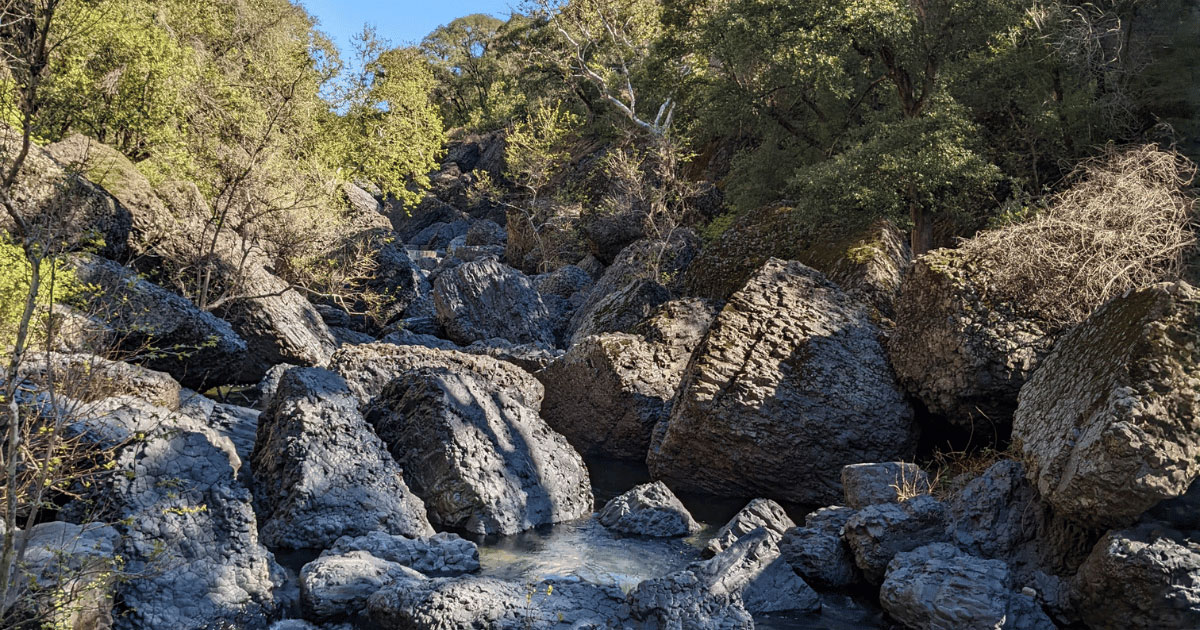
Ótakim Séwi (Big Chico Creek) Fish Passage Project Recommended for Funding
Read more →: Ótakim Séwi (Big Chico Creek) Fish Passage Project Recommended for Funding -
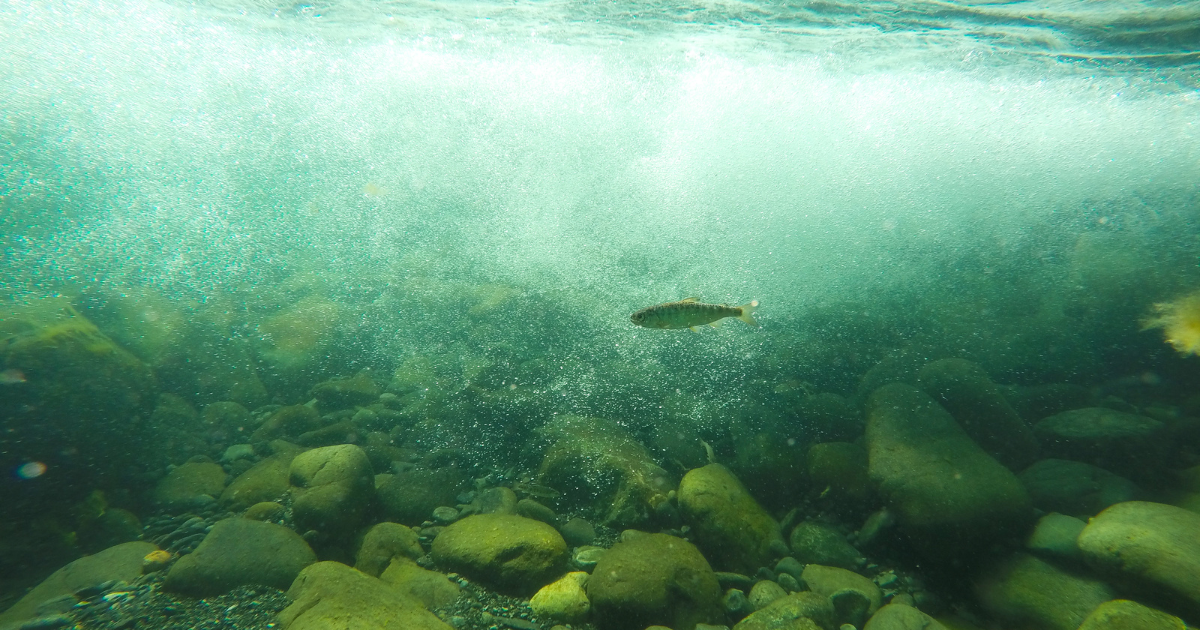
New Actions for Recovery of Endangered Winter-Run Chinook Salmon
Read more →: New Actions for Recovery of Endangered Winter-Run Chinook Salmon -
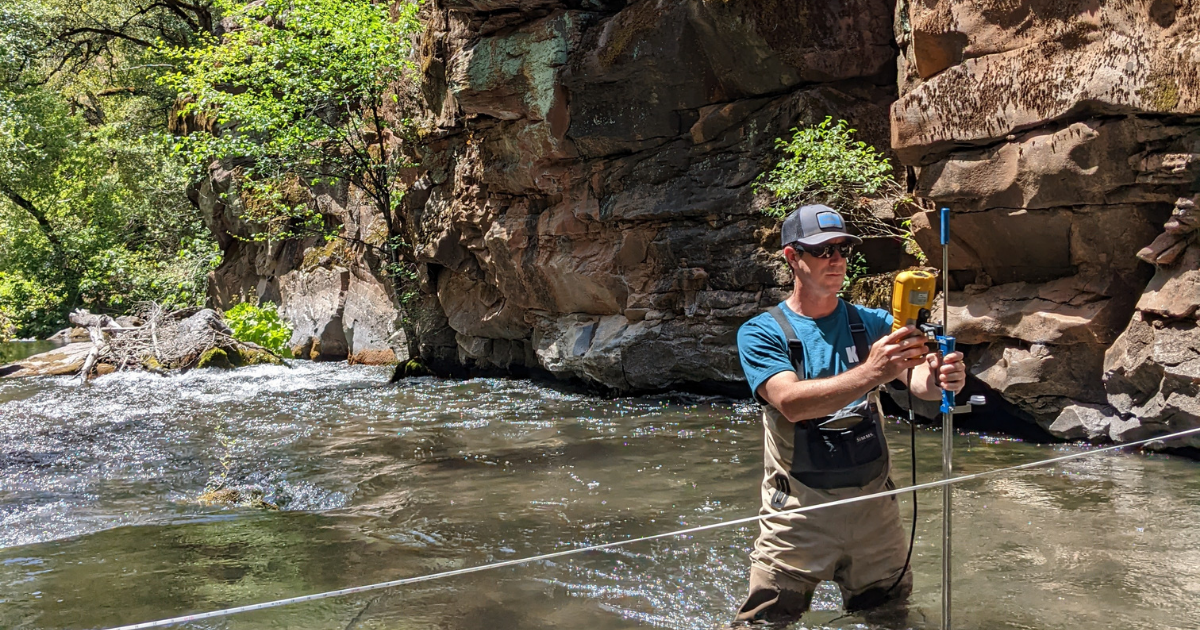
Measuring Success of Battle Creek Restoration
Read more →: Measuring Success of Battle Creek Restoration
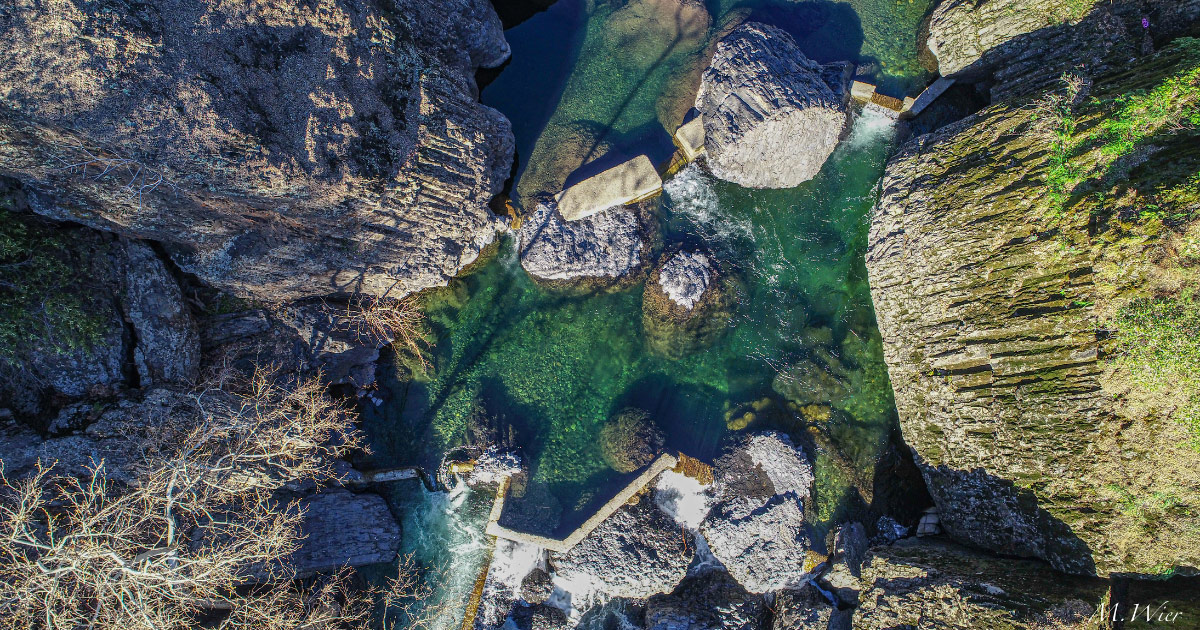
Support caltrout
Help restore California’s rivers
Healthy rivers don’t happen by accident. Your support helps CalTrout advance science-driven restoration projects that reconnect habitat, improve water quality, and recover wild fish populations across the East Side Sacramento River tributaries and beyond.