Klamath River Watershed
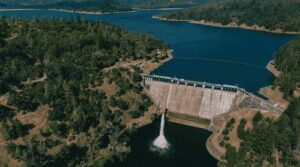
Four dams removed in 2024 reopened more than 400 miles of habitat to migratory fish for the first time in generations.
Understanding the history
The largest river reconnection experiment in modern history — what happens next?
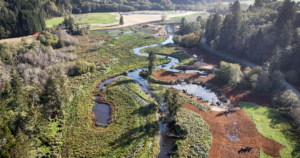
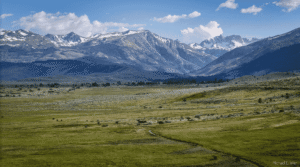
The Klamath River begins below the Cascade Mountains on the border of California and Oregon. For 257 miles, it flows through forests, mountain ranges, agricultural valleys, and countless communities before reaching the Pacific Ocean just south of Crescent City. As the second largest river in California, the Klamath is home to people and wildlife that have depended on its waters for generations, including the Karuk Tribe, Hoopa Valley Tribe, Klamath Tribes, and Yurok Tribe.
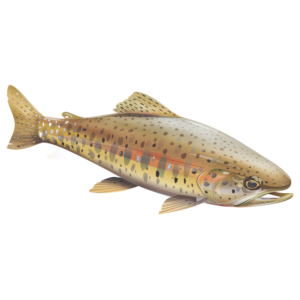
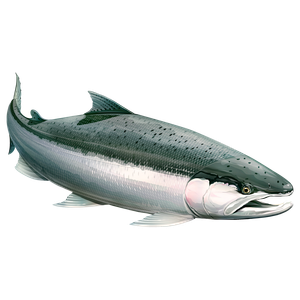
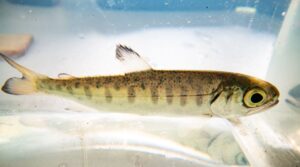
Historically, the Klamath River was one of the most productive salmon rivers on the West Coast, supporting abundant runs of spring-run Chinook salmon, coho salmon, steelhead, Pacific lamprey, and other native fish. But over the last century, the river changed dramatically. Beginning in the early 1900s, a series of hydroelectric dams were constructed on the Klamath, blocking fish from reaching hundreds of miles of historic cold-water habitat and disrupting the river’s natural flow, sediment transport, and ecology. As the dams went in, fish populations declined and the health of the watershed suffered.
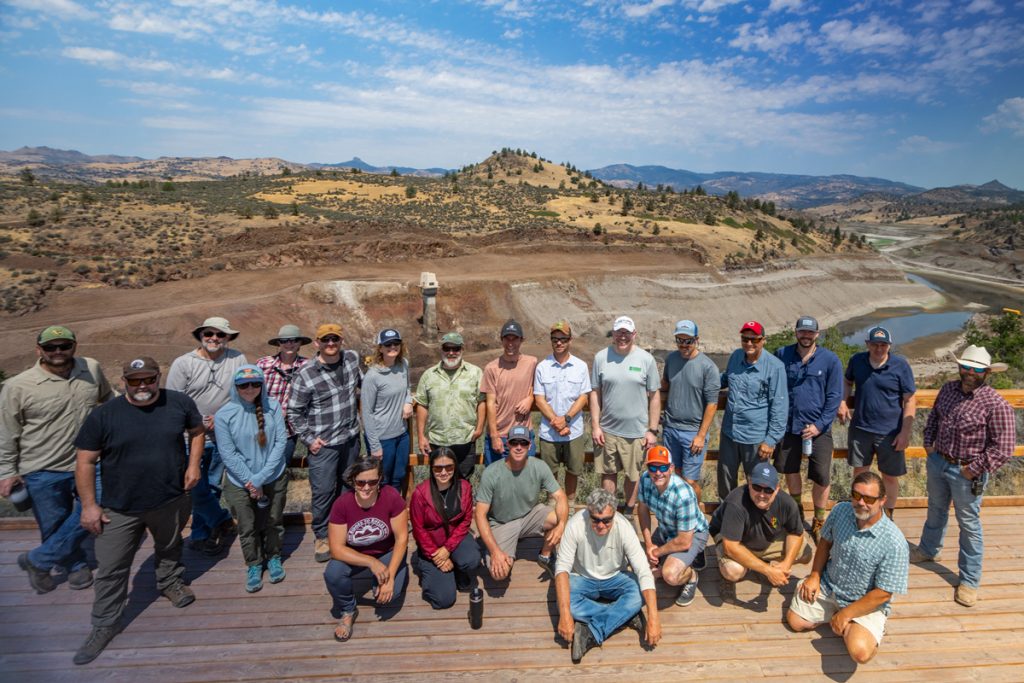
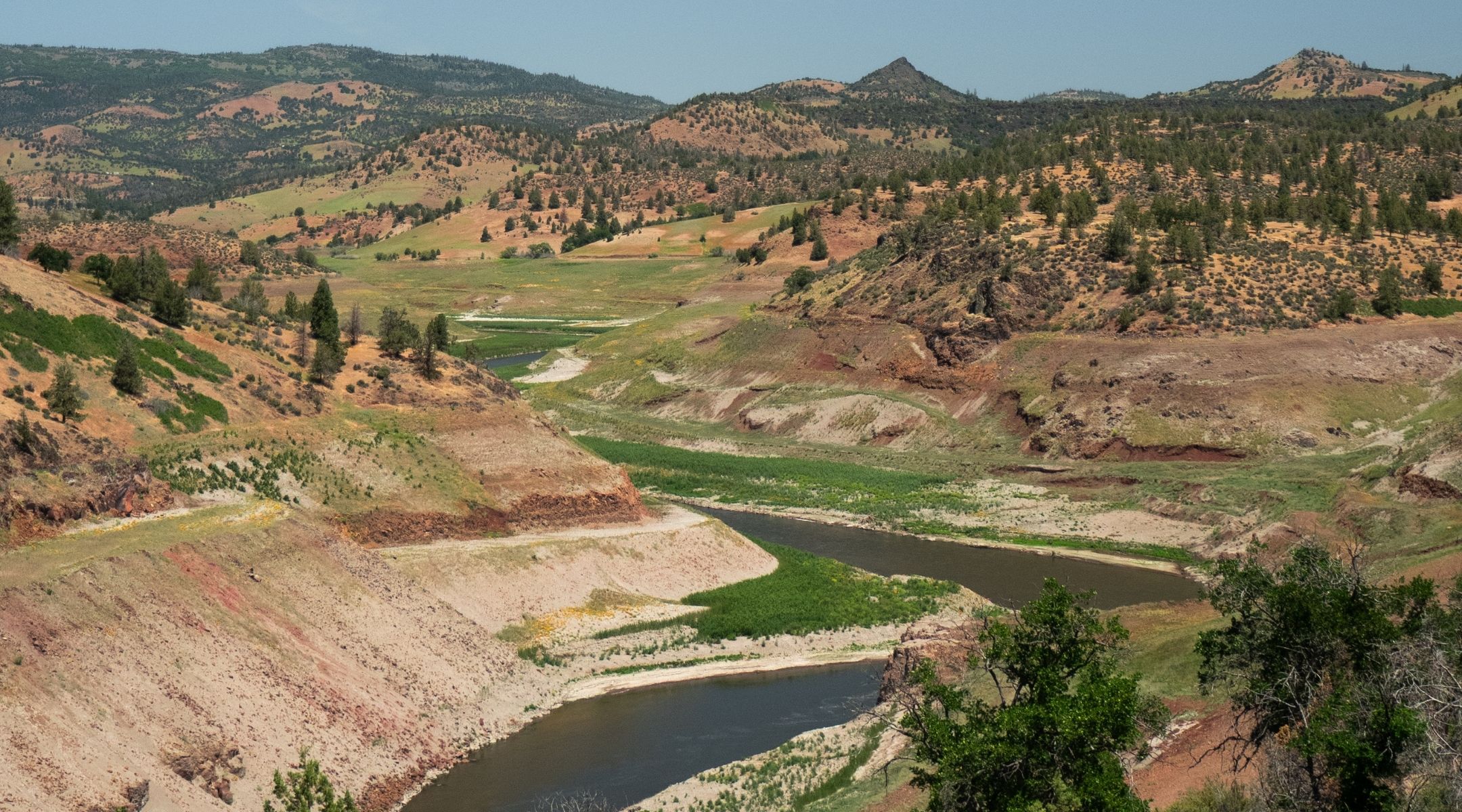
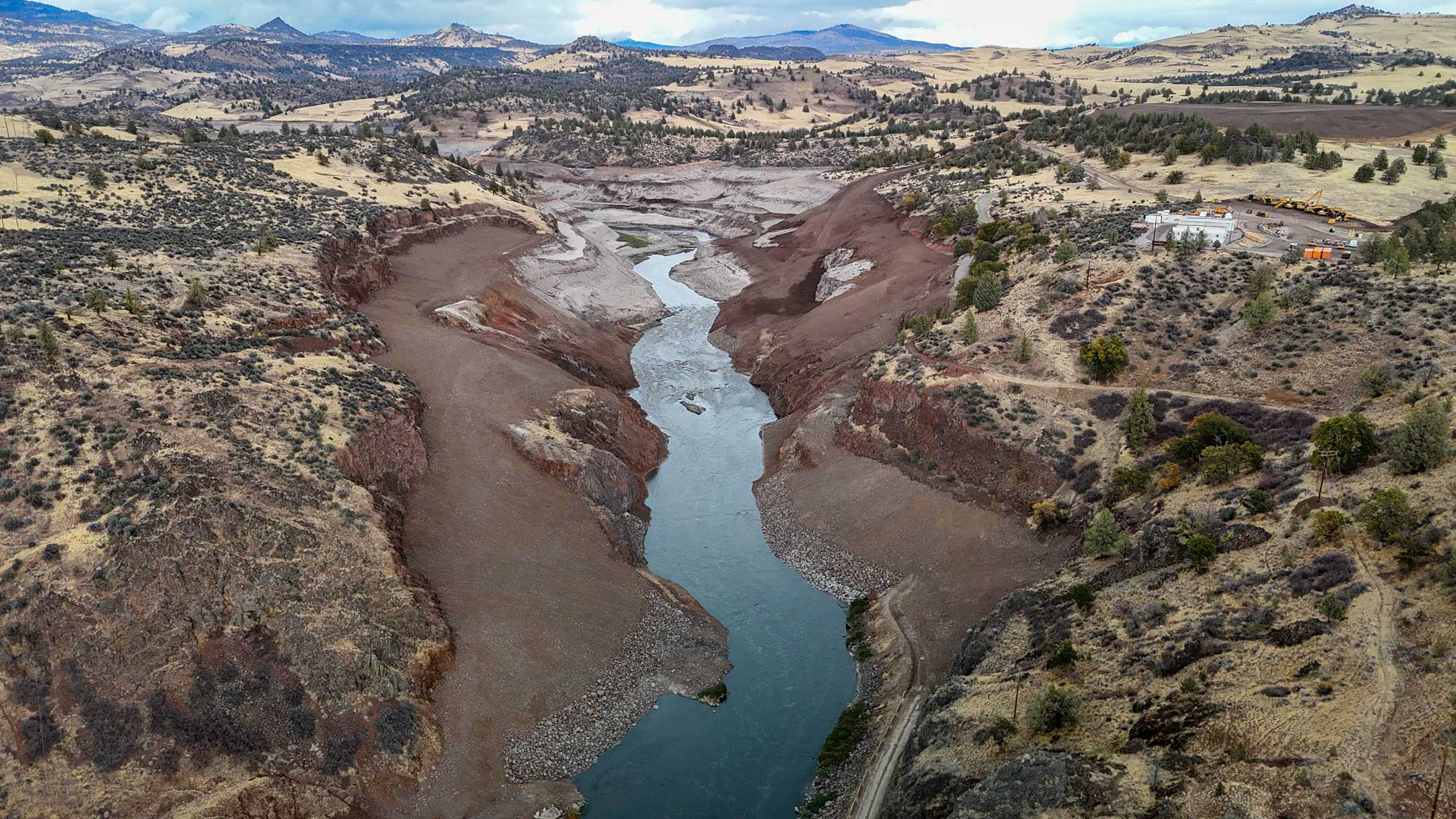
In 2024, after decades of Tribal-led advocacy and collaboration among Tribes, conservation organizations, agencies, and local communities, the four lowermost dams on the Klamath River were removed. The project marked the largest dam removal and river restoration effort in United States history, reopening more than 400 miles of habitat to migratory fish for the first time in generations. For decades, CalTrout worked alongside Tribal and conservation partners to advance Klamath dam removal, including identifying the dams as a priority through our Dams Out campaign.
But dam removal is not the end of the story — it is the beginning of a new chapter. Restoring the Klamath watershed will require long-term investment in tributaries, floodplains, water quality, and habitat resilience across the basin. Some of the most important work ahead lies in key tributaries like the Scott River and Shasta River, where restoration can help rebuild strongholds for native fish. At the same time, scientists and restoration practitioners must closely monitor how salmon, steelhead, and other species respond to renewed access to the upper watershed in order to better understand the ecological impacts of dam removal and guide future restoration efforts across the West.
Our work in action | Klamath River · Northern California
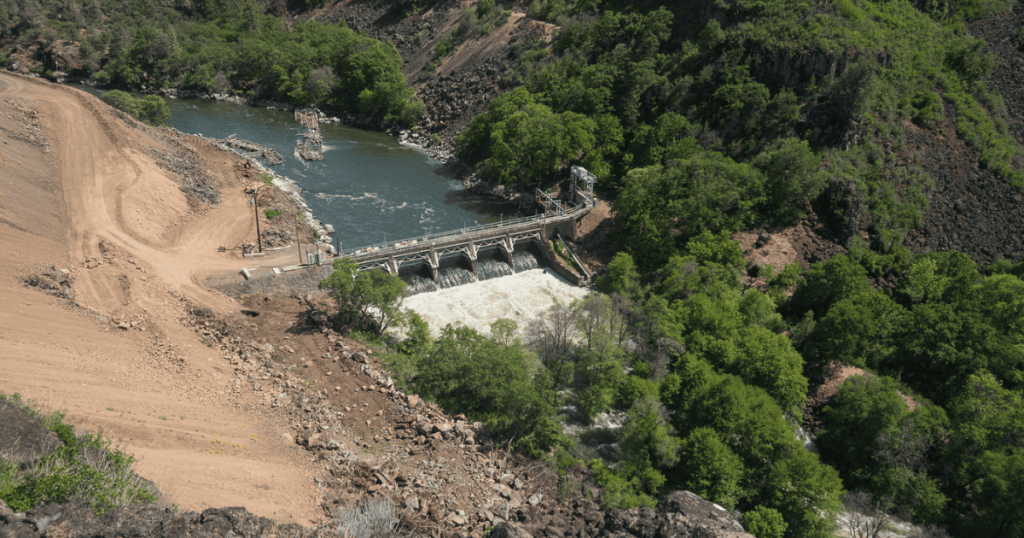
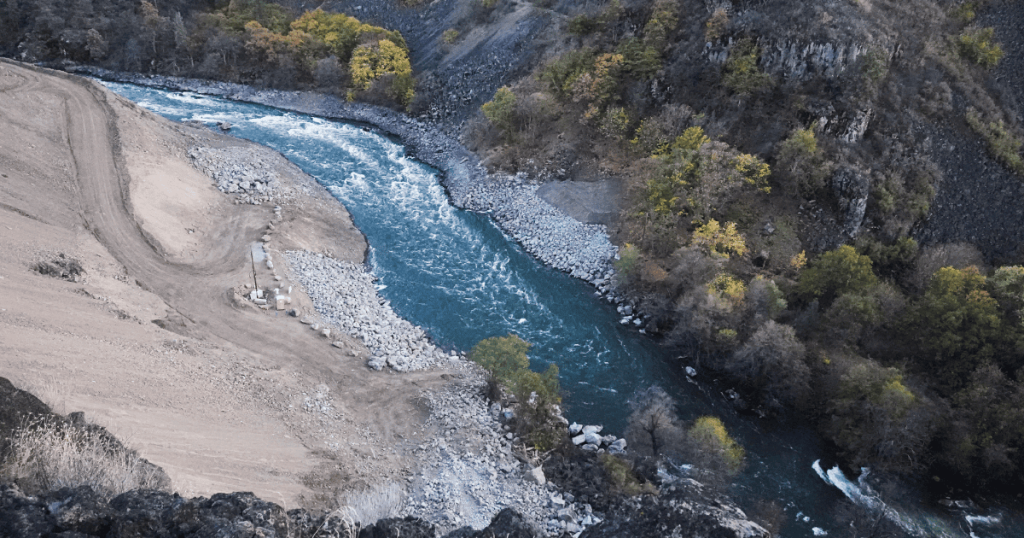
KLAMATH RIVER, CALIFORNIA & OREGON
The Klamath River by the numbers:
California’s second largest river — and the site of the largest dam removal and river restoration effort in U.S. history.
257 mi
From the Cascade Mountains to the Pacific Ocean
4 dams
Removed in 2024 — the largest dam removal effort in U.S. history
400+ mi
Of habitat reopened to migratory fish for the first time in generations
13,000+
Chinook salmon passed the former Iron Gate Dam site in 2025
Part 1 | Salmon Monitoring Program
Studying a River in Transition: The Klamath River Salmon Monitoring Program
400+
miles of habitat reopened
13,310
Chinook salmon passed former Iron Gate Dam in 2025
88%
of historic range reoccupied
As the Klamath River reconnects, understanding how the ecosystem responds is critical. CalTrout and our partners are conducting monitoring efforts throughout the watershed to track how fish populations, water quality, habitat conditions, and ecosystem processes change following dam removal.
The Klamath River Monitoring Program combines cutting-edge science with on-the-ground fieldwork to answer important questions about the river’s recovery: how quickly are salmon and steelhead recolonizing newly accessible habitat? Which tributaries and cold-water refuges are most important for recovery? How are water temperature, sediment movement, and habitat complexity changing over time? What restoration actions will have the greatest long-term impact for native fish?
Using tools like sonar imaging, radio telemetry, netting, and spawning surveys, CalTrout and our partners are building one of the most comprehensive post-dam-removal monitoring efforts ever undertaken in California. The work will help inform future restoration decisions not only on the Klamath, but across rivers throughout the American West.
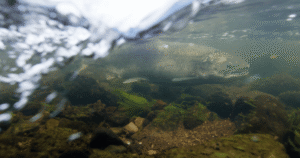
Just one year after the removal of the Klamath River dams, results from the program have shown thousands of Chinook salmon pushing deep into newly reopened habitat — some reaching more than 360 river miles from the ocean into the Upper Klamath Basin for the first time in over a century. In 2024, our team counted nearly 7,800 Chinook salmon migrating upstream of the former Iron Gate Dam. In 2025, that number climbed to more than 13,000 – a roughly 70% increase in a single year.
Dam removal has created an unprecedented opportunity for salmon recovery across the Klamath Basin. Success will depend not only on recolonization of the Upper Klamath, but also on rebuilding productive strongholds of wild fish in tributaries like the Scott and Shasta rivers.
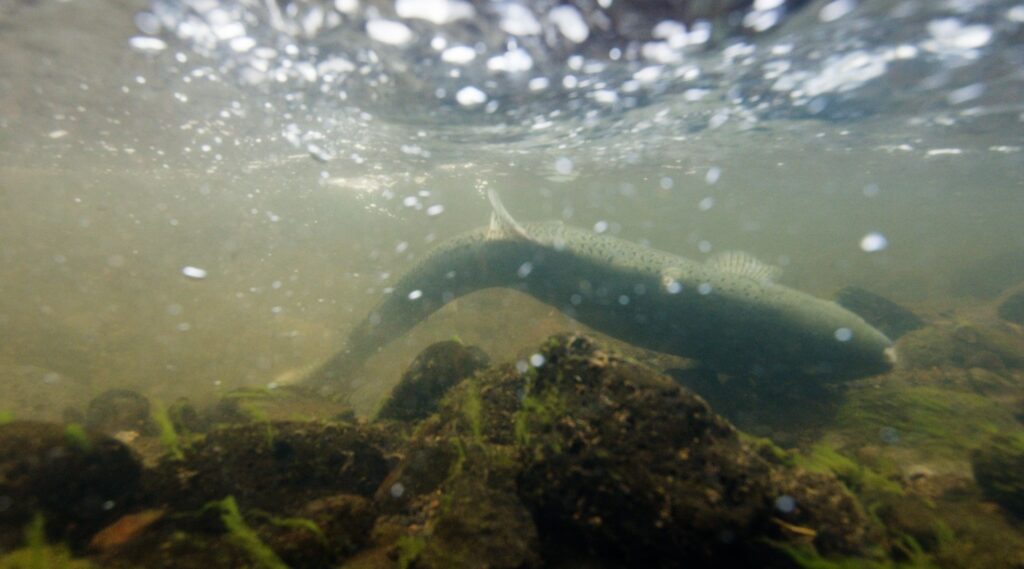
WATCH the film
What Happened After the Klamath Dams Came Down?
Part 2 | The Scott River
The Scott River: Restoring a Critical Cold-Water Stronghold
The Scott River is one of the Klamath Basin’s most important salmon and steelhead tributaries. Fed by snowmelt and cold groundwater, the Scott River provides vital spawning and rearing habitat for coho salmon, Chinook salmon, and steelhead. But decades of altered flows, habitat degradation, and changing climate conditions have placed enormous pressure on the river and the species that depend on it.
CalTrout is working with local Tribes, landowners, irrigation districts, agencies, and other partners to restore ecological function throughout the Scott watershed. Our work focuses on improving streamflow, reconnecting floodplains, restoring riparian habitat, increasing groundwater recharge, and creating more resilient conditions for both fish and farming communities. Today, that approach is moving from agreement to landscape-scale implementation, with projects that are physically rebuilding floodplains, improving fish passage, and restoring year-round habitat while sustaining the working landscapes and communities that are part of the Scott River watershed.
A major focus of this work is collaboration. In recent years, CalTrout helped facilitate landmark agreements between agricultural stakeholders and Tribal partners aimed at developing long-term, locally driven solutions for water management and watershed restoration. These efforts demonstrate that durable restoration outcomes are possible when communities work together around a shared vision for healthy rivers and resilient working landscapes.
CALTROUT IN ACTION
Projects on the Scott
Part 3 | The Shasta River
The Shasta River: Rebuilding a River While Sustaining a Working Landscape
The Shasta River is another one of the Klamath Basin’s most important wild salmon and steelhead-producing tributaries, with an average run size of more than 43,000 Chinook salmon returning between 1930 and 1937. Fed by cold springs and groundwater originating in the volcanic landscape around Mount Shasta, this relatively small river historically supported remarkably productive runs of Chinook salmon. That same cold-water influence gives the Shasta exceptional potential for recovery.
Today, however, altered hydrology, habitat loss, barriers to fish passage, and changes in water management limit the amount and quality of habitat available to salmon and steelhead. The average Chinook salmon returns over the last decade have been 16% of the 1930 to 1937 average. CalTrout is working with landowners, Tribes, agencies, and conservation partners to reconnect spring-fed habitats, restore side channels and floodplains, improve fish passage, and develop water-management solutions that benefit both fish and working lands.
By restoring the connection between the Shasta’s cold-water sources and the habitats salmon need throughout their life cycle, we are working toward a river that can once again support abundant, resilient wild fish populations.
As salmon once again gain access to the upper Klamath Basin, tributaries like the Scott and Shasta rivers will play an essential role in determining the long-term success of recovery efforts. Together, these rivers represent some of the best opportunities to rebuild resilient, connected habitat networks across the Klamath watershed for generations to come.
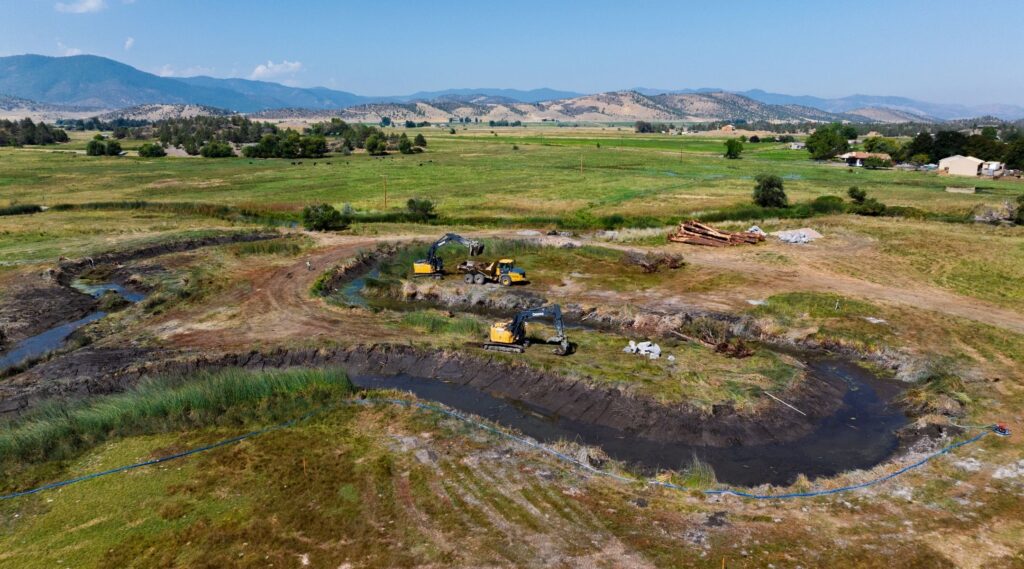
WATCH the film
Ranchers, Tribes, & Scientists Come Together to Restore the Shasta River
CALTROUT IN ACTION
Stories from the Klamath Watershed.
-
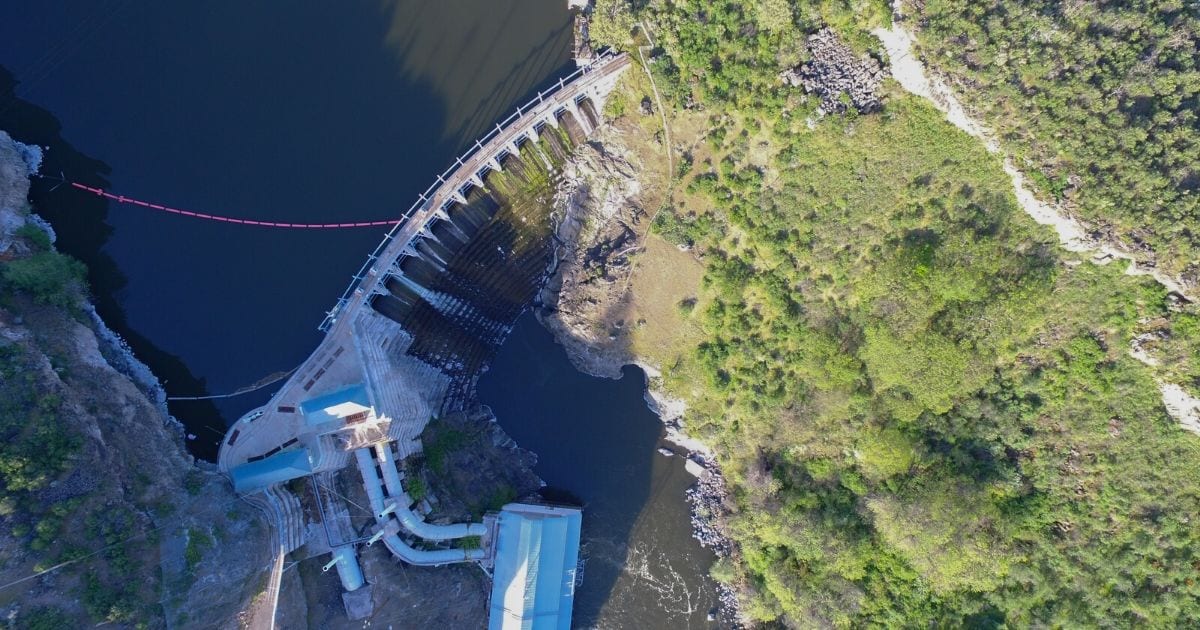
Klamath Dams Q&A Webinar – Recap and Recording
Read more →: Klamath Dams Q&A Webinar – Recap and Recording -
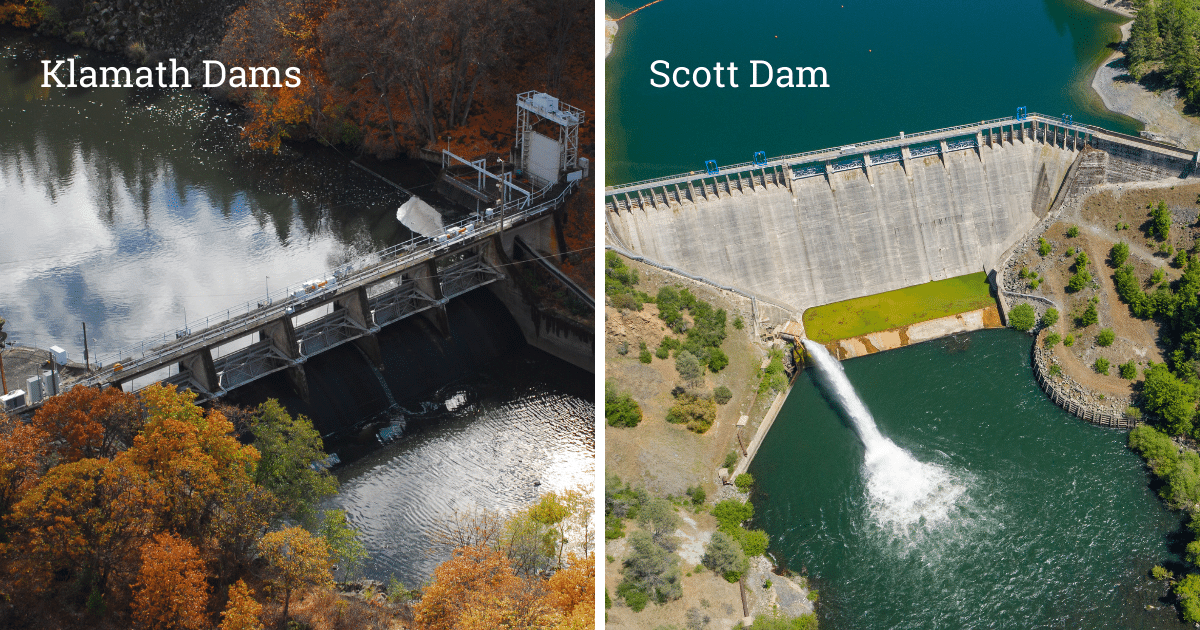
Making End-of-Life Decisions on Aging Dams – PPIC interview with Dr. Andrew Rypel
Read more →: Making End-of-Life Decisions on Aging Dams – PPIC interview with Dr. Andrew Rypel -
Latest #DAMSOUT Update for Klamath and Potter Valley Project
Read more →: Latest #DAMSOUT Update for Klamath and Potter Valley Project
Support caltrout
The Klamath is just the start
Dam removal was the beginning of a new chapter, not the end of the story. Your support helps CalTrout monitor how salmon respond to newly reopened habitat and rebuild resilient strongholds in the Scott and Shasta rivers — funding the science and restoration needed to see the Klamath’s recovery through.