
Trabuco Creek Watershed
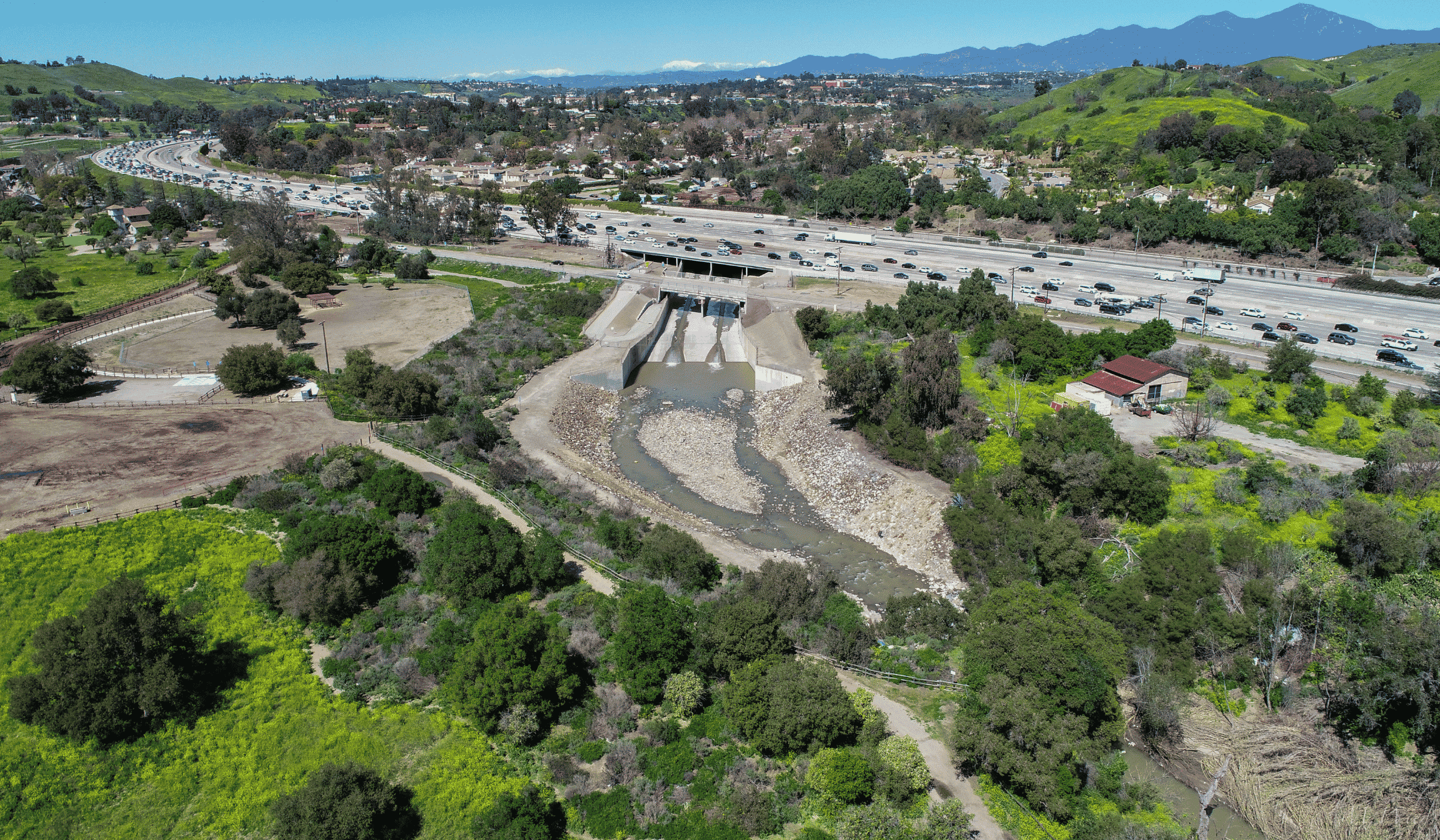
One of the last places in Southern California with a self-sustaining native trout population — cut off from 15 miles of habitat by two bridges a half-mile apart.
Understanding the WATERSHED
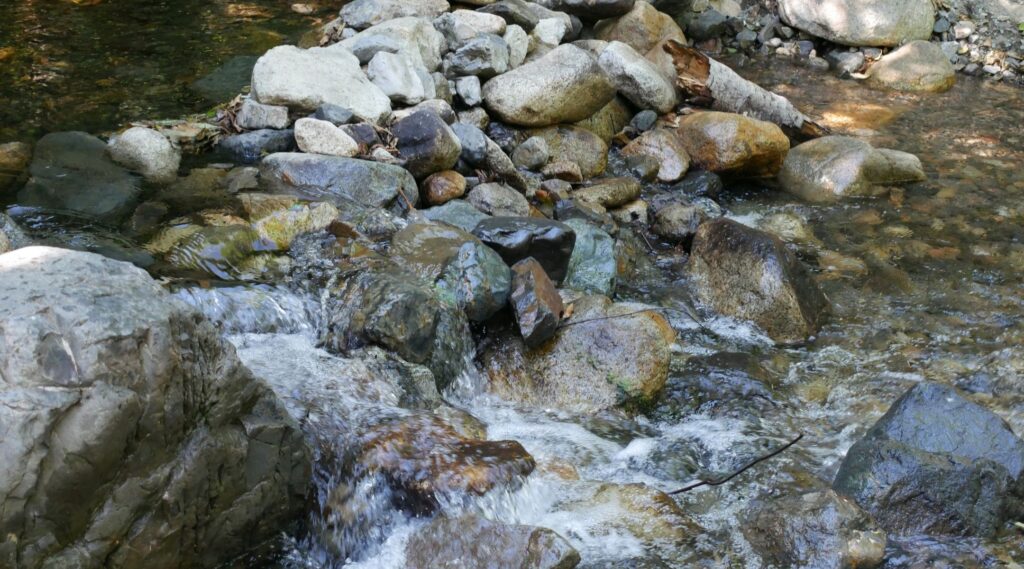
Trabuco Creek begins high in the Santa Ana Mountains, tumbling down from the slopes of Santiago Peak.
Santiago Peak — the highest point in Orange County — sends the creek tumbling through the rugged canyons of the Cleveland National Forest. From there, it flows roughly 20 miles through Trabuco Canyon and the city of San Juan Capistrano before joining San Juan Creek just a few miles from the Pacific Ocean. As the largest tributary in the 134-square-mile San Juan Creek watershed, Trabuco Creek carries cold, clean water down from the mountains and is one of the last places in Southern California where a self-sustaining population of native trout still exists.
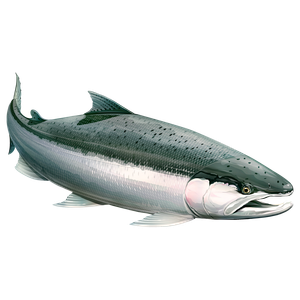
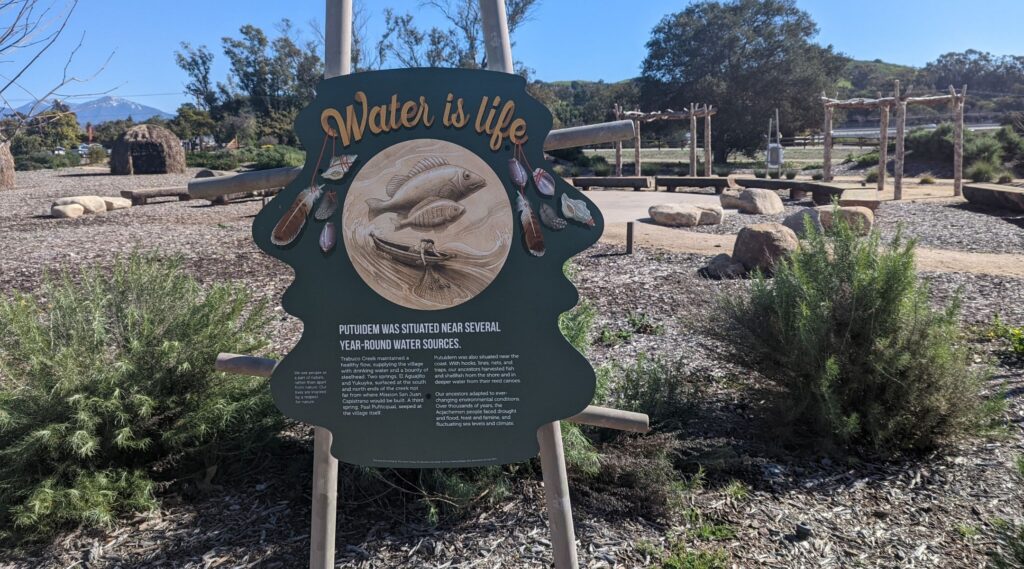
This land and water have sustained people for millennia. The creek’s lower watershed lies near Putuidem, the ancestral “mother village” of the Acjachemen people, whose presence in the region spans more than 10,000 years. For much of that history, steelhead returned to Trabuco Creek by the thousands, migrating from the ocean to spawn in the cold headwaters of the Santa Ana Mountains. Today, the watershed still supports Southern steelhead — listed as endangered under both state and federal law — along with Pacific lamprey, arroyo chub, arroyo toad, and California coast range newt.
Half a mile apart
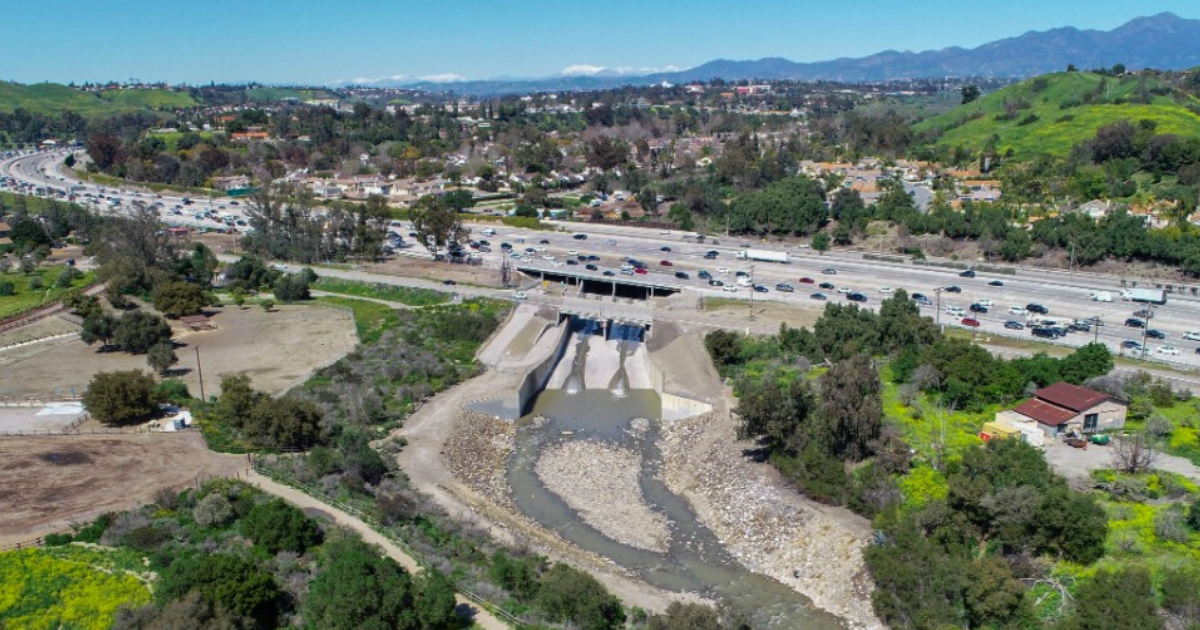
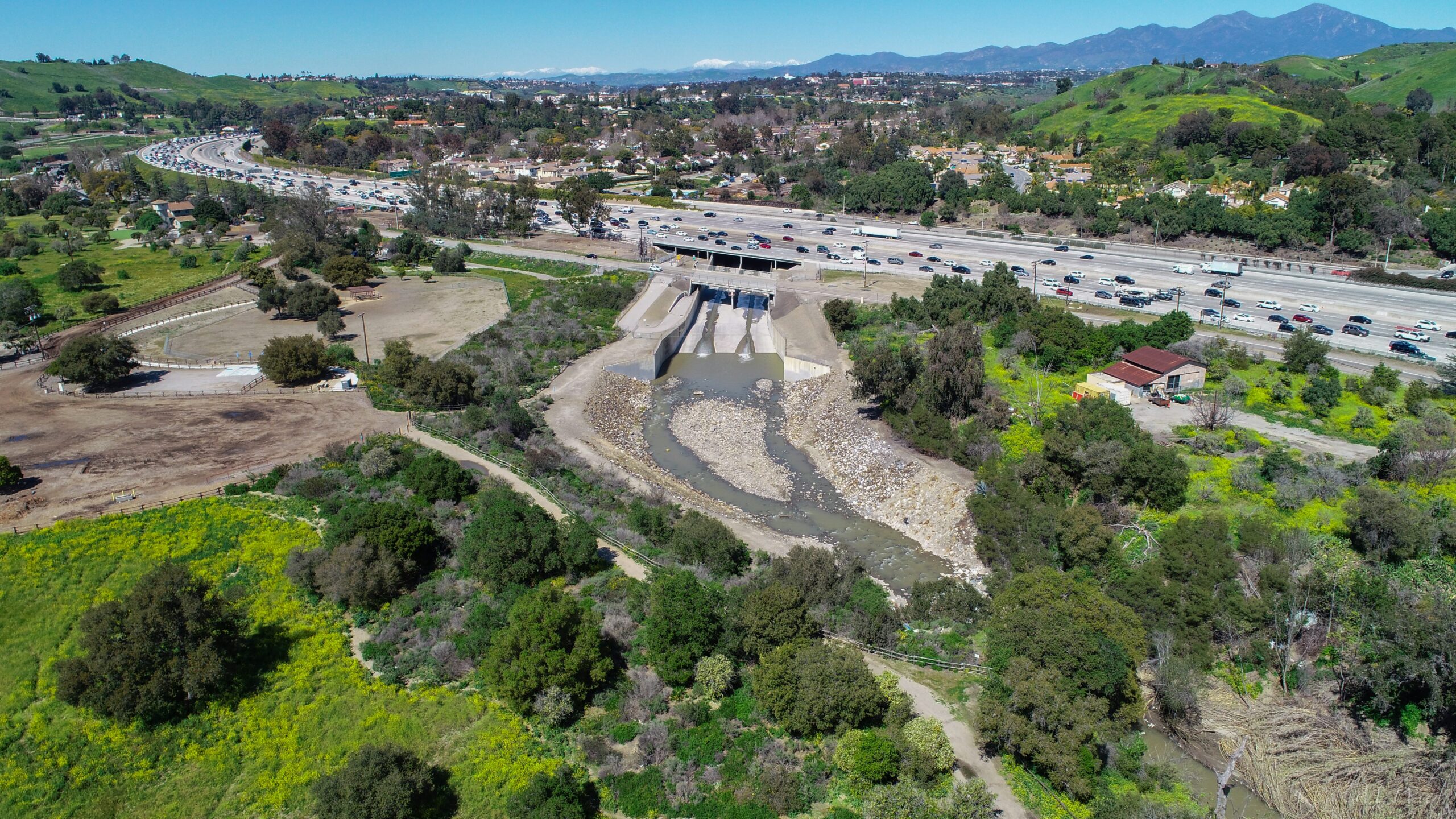
A Metrolink railroad bridge and the Interstate 5 bridge array now form two complete barriers to fish passage, cutting steelhead off from more than 15 miles of high-quality spawning and rearing habitat.
Part 1 | Fish Passage Project
Reopening Trabuco Creek for Southern Steelhead
CalTrout is leading the Trabuco Creek Fish Passage Project to create passage through these two barriers, separated by only one-half mile in the lower river, and reconnect the watershed from the ocean to the Santa Ana Mountains. CalTrout is partnering with City of San Juan Capistrano, Southern California Regional Rail Authority, Orange County Transportation Authority, Orange County Public Works, private landowners and members of the South Coast Steelhead Coalition to start construction on these complex pool-and-chute type fish passage ramps.
Construction is right around the corner – the Team is now in the final design and permitting phase for new fish passage structures at both the Metrolink railroad and I-5 sites. These structures are designed to restore natural stream flow and improve native wildlife habitat and water quality without altering the existing transportation infrastructure. With funding secured from NOAA and the California Department of Fish and Wildlife, the project is one of the highest-priority steelhead recovery efforts identified under the National Marine Fisheries Service’s Southern California Steelhead Recovery Plan, with full fish passage targeted for restoration by 2029.
Part 2 | Acjachemen Nation
Restoring Connection: A Partnership with the Acjachemen Nation
Trabuco Creek’s restoration is grounded in partnership with the people who have called this watershed home since time immemorial. CalTrout is working with tribal members of the Acjachemen Nation to ensure the project reflects Indigenous knowledge and priorities at every step. A dedicated sub-award from NOAA is managed by Payomkawichum Kaamalam to benefit the Acjachemen, supporting cultural resource surveys and documentation, native plant restoration, enhancements at the nearby Putuidem Village site, and efforts to preserve the Acjachemen language through interpretive elements built into the project.
This partnership reflects a broader shift in how restoration gets done: making active participation by the Tribal Nation on whose ancestral land the project sits an integral part of the project’s success, not an afterthought. As fish passage is restored, so too is a connection between the Acjachemen Nation and the stream at the heart of their homeland.
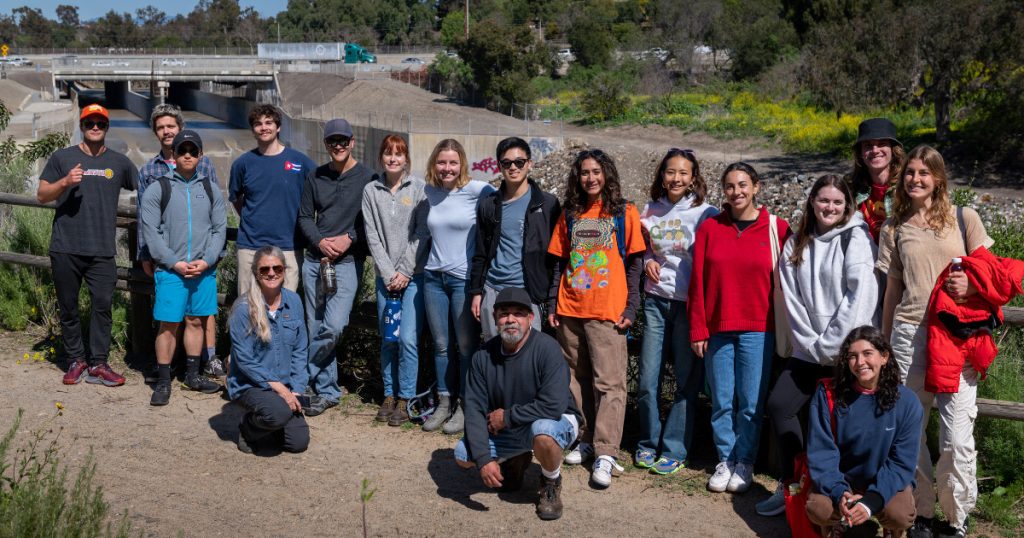
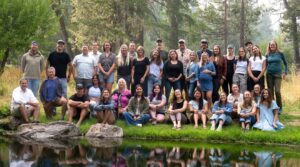
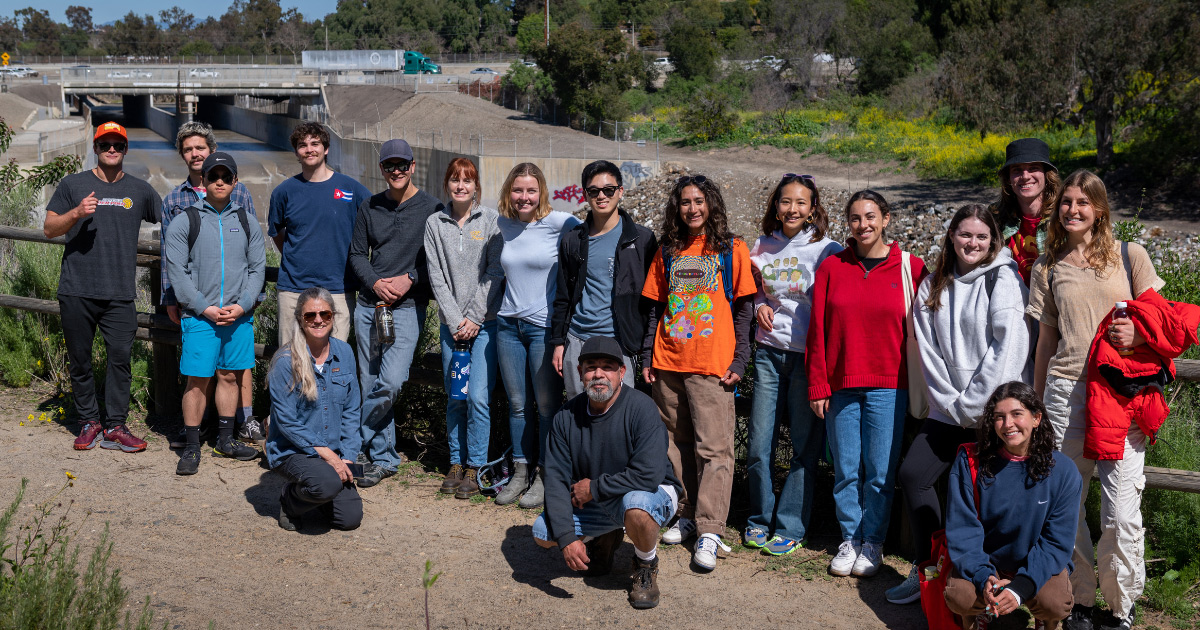
Community engagement. USC students tour the site.
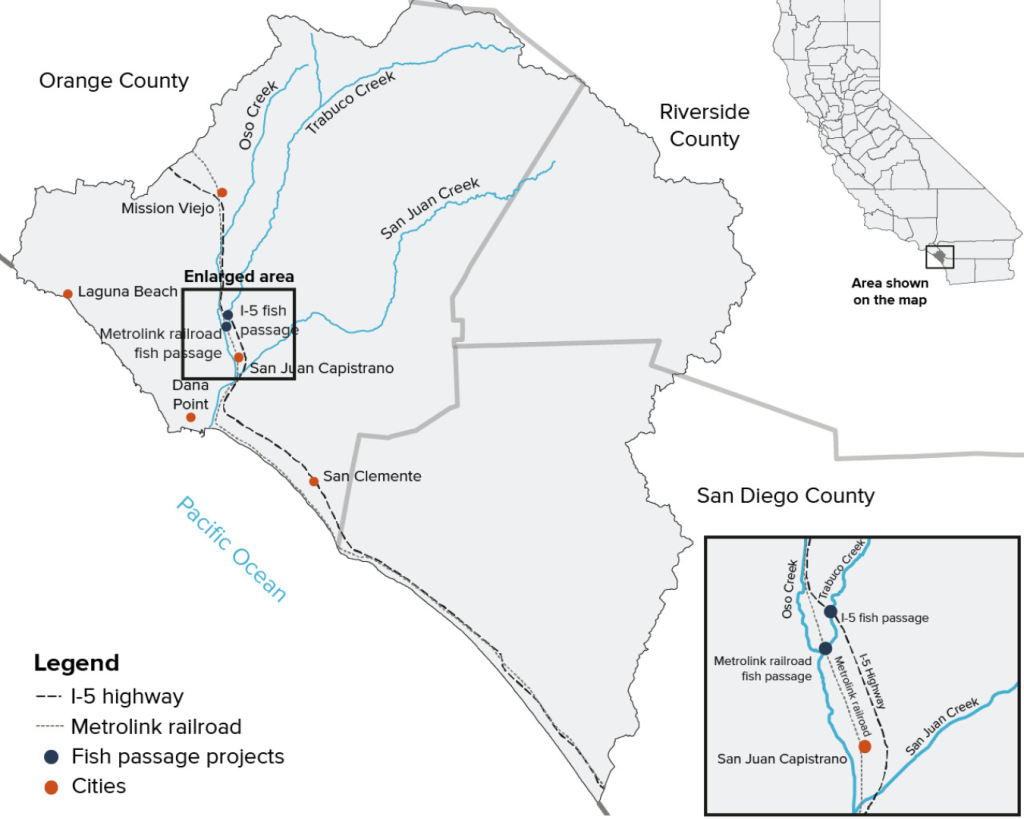
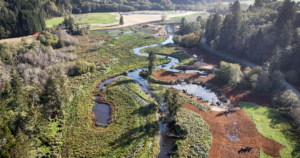
Watershed map. Trabuco Creek, the largest tributary in the San Juan Creek watershed.
Part 3 | Life After the Airport Fire
Monitoring a Watershed in Recovery
In 2024, the Airport Fire burned through the upper Trabuco Creek watershed within the Cleveland National Forest, raising urgent questions about recurring fires and how it will impact long-term persistence of wildlife and native fishes like steelhead. CalTrout biologists surveyed the burn area and found encouraging signs: the riparian corridor along the creek was largely spared from severe burning, and water quality remained within healthy ranges for native fish.
The findings reinforce what CalTrout has long understood about Trabuco Creek: the upper watershed remains some of the highest-quality, most resilient trout habitat left in Southern California. It’s exactly the kind of habitat worth reconnecting — and worth protecting as wildfire and drought become more frequent challenges across the region.
Proof the population is still reproducing
25
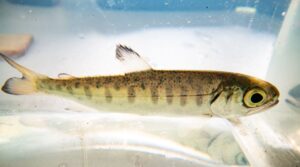
O. mykiss found in a five-day post-fire electrofishing survey, including 4 young-of-year
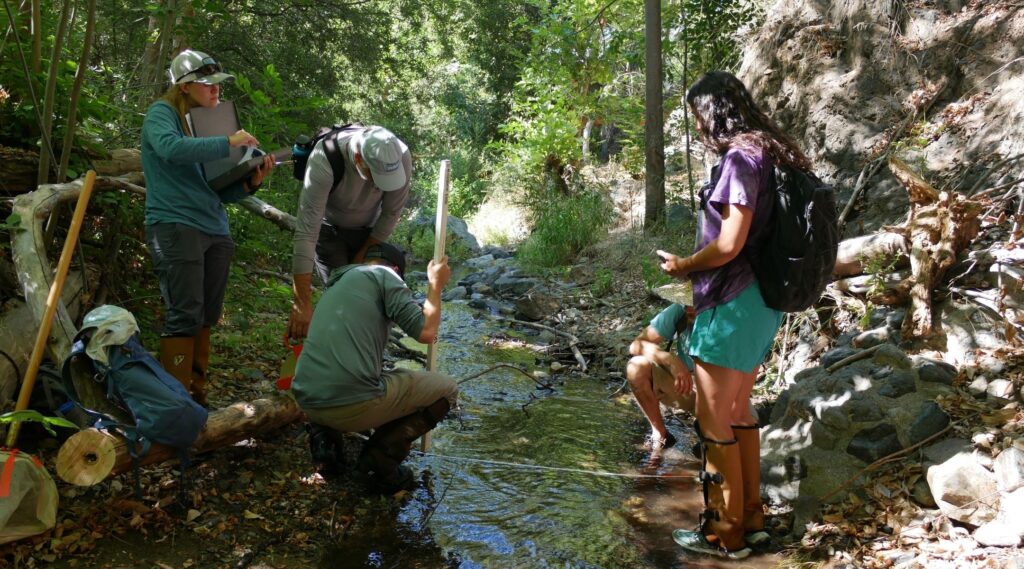
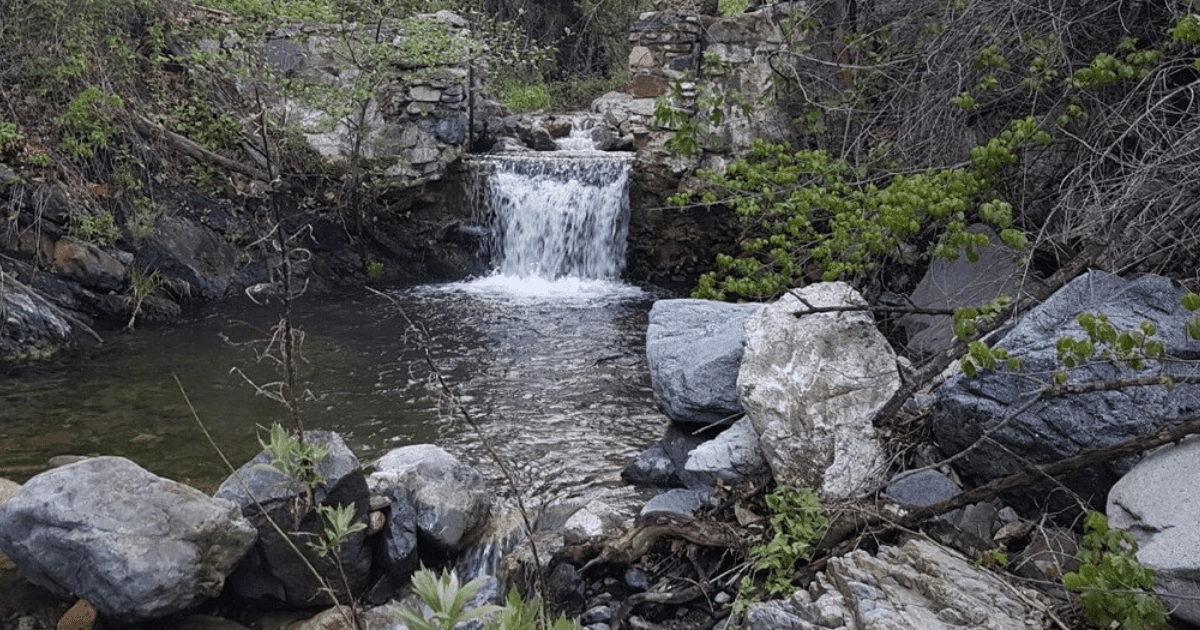
Upstream habitat. Surveying the upper watershed for signs of life.
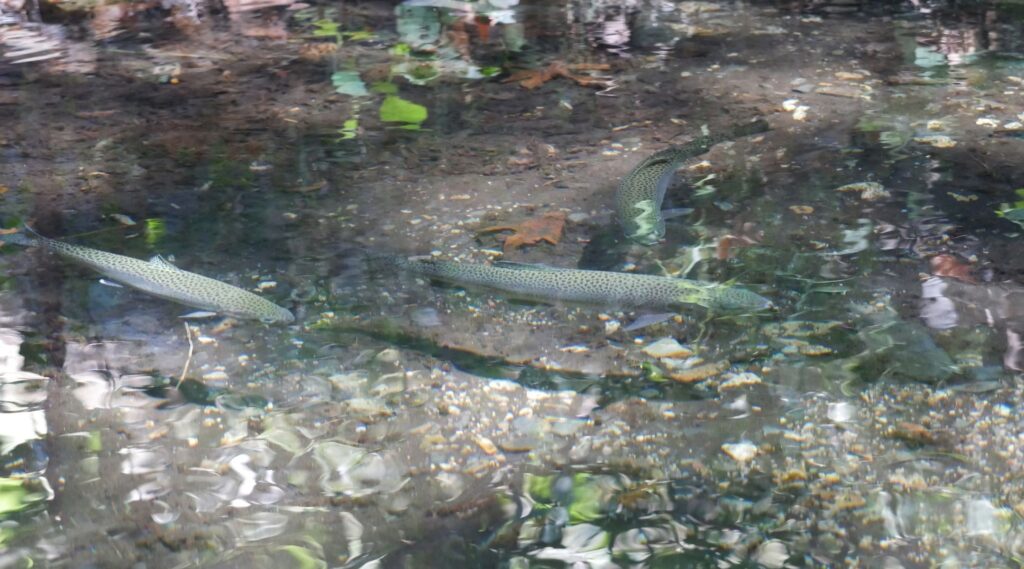
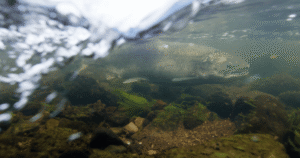
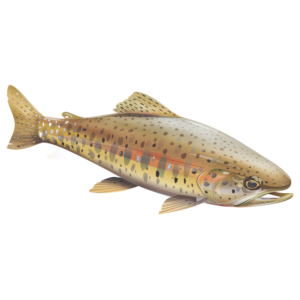
The fish. Surveys revealed high quality habitat post-fire, and O. mykiss presence.
Trabuco Creek is one piece of a much larger effort to bring Southern steelhead back from the brink. As part of CalTrout’s South Coast Steelhead Coalition, work here is connected to parallel restoration efforts across San Diego, Orange, and Riverside Counties, including the Santa Margarita River and other high-priority streams identified in the region’s steelhead recovery plan. Reconnecting Trabuco Creek won’t just restore one watershed — it will help rebuild a resilient network of rivers where Southern steelhead can once again complete their journey from the mountains to the ocean.
CALTROUT IN ACTION
Stories from Trabuco Creek.
-
A Bridge Runs Through It
Read more →: A Bridge Runs Through It -
San Juan and Santiago Watershed Selected as one of 2020’s 10 Waters to Watch
Read more →: San Juan and Santiago Watershed Selected as one of 2020’s 10 Waters to Watch -
Barrier Removal is a Group Effort
Read more →: Barrier Removal is a Group Effort
Support caltrout
Support Projects like Trabuco Creek
Two bridges, half a mile apart, are all that stand between the ocean and 15 miles of the best trout habitat left in Southern California. Your support helps CalTrout finish the design, permitting, and construction needed to reopen Trabuco Creek by 2029.