Just because it’s hot doesn’t mean the good fishing is over
The Dog Days of summer signal a slowdown of the hatches — and often the easy fishing — of spring. The days are long, the temperatures are hot and some creeks and rivers see their water temperatures climbing high enough to put coldwater species off the bite.
But it’s hardly the end of the good fishing. We talked to a handful of California fly fishing guides and fishermen to find out their tips for dealing with the heat. One bit of universal advice came through: it’s usually best to fish early and late, avoiding the hottest part of the day.

Wayne Eng, Fly Fishing Guide
Cast Your Fly, Not Your Shadow
Anytime you throw a shadow on the water you’re asking for trouble, but in the Dog Days — when flows are low for the first time since early spring, the water is crystal clear and warm weather predators abound — the fish become incredibly wary. And frightened fish don’t eat.
Positioning yourself to minimize your shadow is critical, and should affect decisions about things like which side of the river or creek to fish from. Using existing shadows to mask your presence (and fly rod) become critical, and this caution should extend into the very low waters of fall.
Wayne Eng is a Dunsmuir fly fishing guide who can be found guiding the Upper Sacramento and McCloud Rivers as well as many of the area’s smaller waters.
Craig Nielsen, Fly Fishing Guide, Outfitter
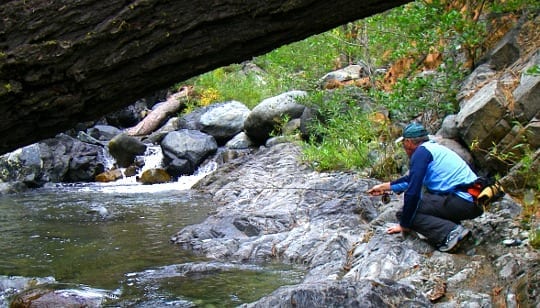
The Dog Days of Summer: Going ‘Creekin’
Summer is my favorite time to fish; it reminds me of summer vacations as a kid when I’d hike into a local canyon with a fly rod, creel, some Mucilin and a few flies stuck in my Giants baseball cap. I’d often get back at kid dark, long after my mother was looking for me because it was adult dark.
Nowadays I can’t always fish when I want but heading out to a local creek with a little three weight rod, a few dry flies, some floatant and perhaps a spool of tippet in a pocket is a very soulful experience, and a good way to find dry fly action, even in the middle of the day.
The fish are seldom large, but they are eager. Just make sure the water isn’t nudging over 67 degrees.
Craig Nielsen guides and runs Shasta Trout, a Mt. Shasta based fly fishing guide and outfitter service which guides the McCloud, Upper Sacramento, Klamath, Pit, Lower Sac and numerous other lakes and streams in Northern California.
John Rickard, Wildwaters Fly Fishing
Shady Fishermen Catch More Fish
Most of our California rivers snake their way through deep lush riparian canyons, thus there is almost always a shady bend or a shady spot. Knowing what is going to shade over next is simply knowing the terrain and the direction of the sun. Plan on being at your spot just when the light goes off the water and know where you plan on getting next.
Choreograph your fishing to the shadows even if it means you pass your favorite spot. Make mental notes of when your favorite spots shade over and you’ll be able to chase some sort of PMD or caddis hatch most days of the summer.
John Rickard is co-owner of Wild Waters Fly Fishing, a guide service centered on Northern California. Rickard guides all of Northern California’s blue-ribbon rivers, plus the Rogue.
Jeff Thompson, CalTrout Executive Director
Hunt The Coldwater Tribs And Springs
When the days grow hot and water temperatures rise, I target the stretches of a river that are just downstream of springs or tributaries that are dumping colder water into the warmer river.
Trout will migrate to these areas, congregating there because the water’s just a little cooler and holds more dissolved oxygen. The same is true of lakes; fish will tend to find cooler water, so if you can locate coldwater tributaries or underwater springs, you’ll find more fish.
Jeff Thompson is CalTrout’s Executive Director; since 1988 he’s fished California’s streams and rivers whenever possible.
Steven Bertrand, Fly Fishing Guide
When It’s Warm, Look To Warmwater
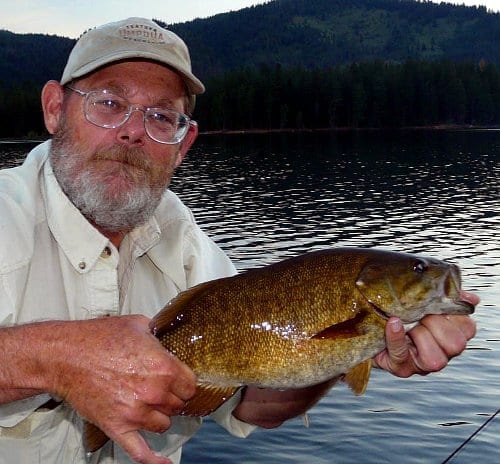
While I like fishing for trout early or late as much as the next guy, when the weather warms you can also seek out the fish that enjoy warmer weather — smallmouth bass, largemouth bass, carp and others. I don’t guide a lot of fly fishermen for smallmouth bass, and it’s too bad; they’re aggressive fish and fight ferociously.
If you’re dead set on catching trout, fishing late into the evening is usually a good bet, and in fact, many times you can take the whole middle part of the day off (sometimes even the morning). Try to fish morning to night in the heat and you might be too exhausted to do it again the next day. Pace yourself.
Steven Bertrand is a Northern California-based fly fishing guide who typically guides the McCloud, Upper Sacramento, Lower Sacramento, Klamath and Pit Rivers, though he also sometimes takes clients out on reservoirs.
Mike E. Wier, Guide & Filmmaker
Fish The Oxygen
Dog days of summer are here! That means fun in the sun, wet wading and long, warm evening sessions. When water temperatures rise, the oxygen levels in the water drop. This means trout will seek out colder or oxygenated sections of the river and also look for shade on the water.
Try fishing in the faster water — right in the white water or at the heads of pools. Trout will also head for the deeper pools and runs to find shelter and cooler water. As a fisherman this usually means adding more lead to fish the faster and or deeper water during the hot parts of the day.
Mike E. Wier is a well-known guide and fly fishing videographer (Soulfish, Soulfish II) who knows spends part of his days producing videos and coordinating industry communications for CalTrout.
Tom Chandler, Small Stream Fisherman, Writer
Take Your Stream’s Temperature
This is the time of year when I’ll carry a stream thermometer, figuring it’s just as important to know where you shouldn’t fish. For years I never fished a pair of nearby streams in summer figuring the water temperatures were simply too high. That was true for one, but the water temperatures in the other surprisingly never rose above the low 60s, and I now fish it all summer long.
Also, when it gets warm, consider heading for higher altitudes, where it’s still cooler during the day and positively cold at night. The backcountry fishing season can be short, but at 7,000 feet, it can easily be 20 degrees cooler than sea level.
Tom Chandler writes the Trout Underground fly fishing blog and fishes small streams compulsively.