

No Alternative to KBRA Agreement Means Continued Problems for the Klamath’s Salmon and Its Communities
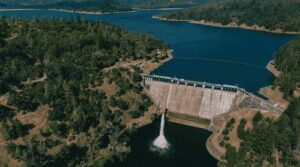
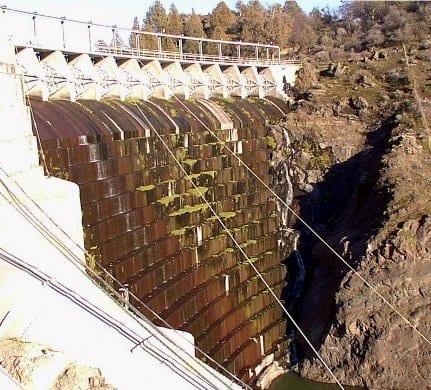
With the Klamath Basin facing another below average water year, the government has issued its final, triple-peer-reviewed environmental report that concludes the four Klamath River Dams should come down, and salmon restoration efforts should begin. In an Associated Press article, former Interior Secretary Ken Salazar said:
“Once again, the communities of the Klamath Basin are facing a potentially difficult water year under a status quo that everyone agrees is broken,” Salazar said in a statement. “We need a comprehensive solution addressing all the needs of the Klamath Basin, including fisheries, agriculture, (wildlife) refuges, and power.”
“Once again, the communities of the Klamath Basin are facing a potentially difficult water year under a status quo that everyone agrees is broken,” Salazar said in a statement. “We need a comprehensive solution addressing all the needs of the Klamath Basin, including fisheries, agriculture, (wildlife) refuges, and power.”
The report, summary and letter are all available at KlamathRestoration.gov. While the reports detail the gains in fish and jobs, the reports don’t tell us what will happen if the Klamath restoration agreements aren’t implemented (legislation supporting the KBRA/KHSA agreements is currently awaiting action in congress). For a glimpse, opponents need only look backwards: In 2001 irrigators suffered sudden irrigation shutoffs, bringing economic hardship to an already troubled region.

In 2002, the water was turned back on despite threats to fish, and the result was a massive fish kill (estimates range from 30,000 to 60,000 salmon).
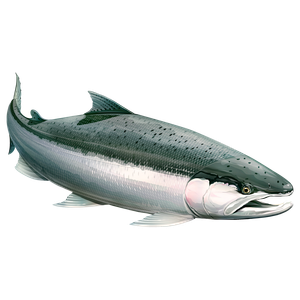
In 2006, California and Oregon’s coastal salmon fisheries were shut down, devastating commercial and sport fishing communities. Through all this turmoil, Native American communities have watched endangered coho salmon and sucker populations spiral downwards towards extinction.
The KBRA and KHSA agreements — negotiated and signed by 42 different groups, including irrigators, tribes, conservation groups, commercial fishermen and others — represent a way forward that’s both scientifically and economically sound (also from the AP story:
“This final report confirms that dam removal is both feasible and cheaper than any other option,” Glen Spain of the Pacific Coast Federation of Fishermen’s Associations, a salmon fishing group, said in a statement. “None of the many scare stories spread by dam removal opponents were found to have any factual basis.”
“This final report confirms that dam removal is both feasible and cheaper than any other option,” Glen Spain of the Pacific Coast Federation of Fishermen’s Associations, a salmon fishing group, said in a statement. “None of the many scare stories spread by dam removal opponents were found to have any factual basis.”
What Happens If The Klamath Agreements Fail?
The KlamathAgreements were negotiated by groups who — prior to the negotiation — regularly fought each other in court. In contrast, the Klamath Agreements are a triumph of local cooperation in the face of competing needs, and while no group got everything they wanted, all 42 signatories feel the KBRA and KHSA represent the best way forward, including PacifiCorp (the dams’ owner) and the Klamath Basin’s and the vast majority of Upper Klamath Basin irrigators.
So what happens if opponents block the Klamath Agreements? In the Associated Press Article, a Klamath Tribes council member didn’t mince words:
Jeff Mitchell, a member of the Klamath Tribes tribal council, said their community was “headed for a real train wreck” if action wasn’t taken quickly.
The Klamath Tribes — who just received senior water rights in a decades-long water adjudication — also recently learned an endangered sucker was on the brink of extinction. In order to protect the sucker (which the tribe considers part of their heritage), the Klamath Tribe could place a water call — which would prove devastating to some Upper Klamath Basin irrigators.
Below Upper Klamath Lake, lawsuits would likely erupt among irrigators, tribes, fishermen and conservation groups. And PacifiCorp — which has agreed to remove the dams under the KBRA/KHSA — would return to the uncertain FERC relicensing process (which is also subject to lawsuits and long delays).
Already, Klamath Basin irrigators face ruinous electricity costs and uncertain salmon populations (Chinook salmon seem trapped in a boom/bust cycle, while coho salmon remain in a downward spiral) continue to decimate the commercial salmon fishery along the California coast.
Opponents to the Klamath Agreements haven’t offered an alternative beyond a return to FERC dam relicensing, conveniently ignoring the realities of multi-million dollar legal bills, economic misery and hyper-polarized communities — not to mention the vagaries of FERC’s bureaucratic malaise.
The triple-peer-reviewed science is clear (and it’s time for opponents to stop pretending otherwise). The Klamath River dams should (and will) come out.
The Klamath Agreements offer real solutions to real problems. If legislators lack the will to hold hearings on the Klamath Agreements and shepherd the legislation through congress, then they should offer a realistic alternative to the economic and biological hardship that otherwise lies ahead.