
Klamath Dam Removal Clears Another Hurdle
An independent peer review panel who examined the Draft Klamath Dam Removal Overview Report said the report “connects to the sound science that underlies its conclusions, provides a depth of coverage suitable for the anticipated audience, and provides clearly stated concepts and conclusions,” and further finds that the “science appears to be reliable for a Secretarial Determination.”
In other words, an independent panel of scientists says the science underlying the Klamath River dam removal process — and the Klamath Basin Restoration Act (KBRA) — is reliable and sufficient to support dam removal.
Currently, legislation supporting the KBRA and dam removal is stalled in congress, and Interior Secretary Salazar has said he won’t make the final determination to remove dams until that legislation has been approved (expect to hear from us on that issue, and soon).
Peer-Reviewed Report Refutes Allegations Of Science Bias
The release of this independent peer review comes only weeks after a former Bureau of Reclamation science adviser filed a whistleblower complaint, alleging he was fired after disagreeing with how a press release and summary about Klamath River dam removal were written.
Dam removal opponents seized on Paul Houser’s complaint as proof the science behind Klamath River dam removal was biased, but in an interview with the Siskiyou Daily News, Houser later admitted the Klamath science was sound:
Houser said he didn’t have complaints about the underlying science. “The expert panel reports look pretty good,” he said, adding that he was primarily concerned with the way DOI was summarizing the findings for its press release. For example, Houser said he was concerned about the release omitting the expert panel’s warnings that projected salmon population increases after dam removal would be largely contingent upon the successful implementation of the Klamath Basin Restoration Agreement (KBRA).
Houser said he didn’t have complaints about the underlying science.
“The expert panel reports look pretty good,” he said, adding that he was primarily concerned with the way DOI was summarizing the findings for its press release.
For example, Houser said he was concerned about the release omitting the expert panel’s warnings that projected salmon population increases after dam removal would be largely contingent upon the successful implementation of the Klamath Basin Restoration Agreement (KBRA).
CalTrout’s support of the KBRA and Klamath River dam removal is based on peer-reviewed science, all of which is available for public review at the KlamathRestoration.gov website.
Science Obscured
Removal of the four lower Klamath River Dams has become a hot topic in Siskiyou County, and all too often the facts have been obscured by a haze of misinformation and outright fabrication.
We outlined the case for Klamath River dam removal here, and we also explode some of the myths surrounding dam removal.
Dam removal would create an estimated 4600 jobs over the 15-year life of the KBRA, but more importantly, the privately owned, aging dams would — if retrofitted with fish passage and brought up to code — would operate at a $20 million annual loss if relicensed.
It’s little wonder PacifiCorp — the owner — has decided to support removal instead of relicensing.
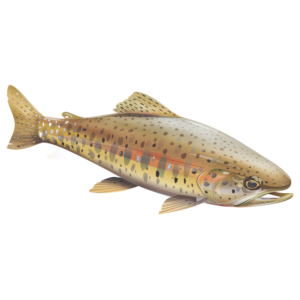
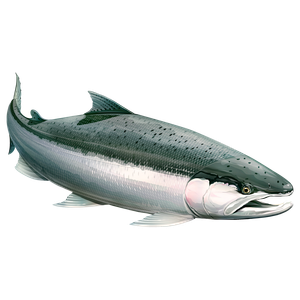
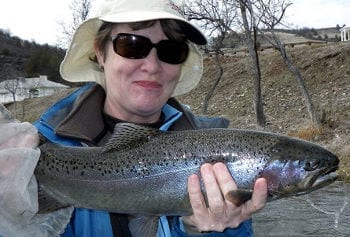
Klamath Could Be “A Truly Astonishing Steelhead Fishery”
In a recent CalTrout interview, longtime Klamath fly fishing guide Craig Nielsen said he believes the Klamath — already a good steelhead fishery — could become a great one if the dams are removed and the KBRA enacted:
The Klamath is ripe for a rebound, and we could easily find a truly astonishing steelhead fishery right in our own state. It’s a lot closer than British Columbia… It’s a good fishery that could become a great fishery.
The Klamath is ripe for a rebound, and we could easily find a truly astonishing steelhead fishery right in our own state. It’s a lot closer than British Columbia…
It’s a good fishery that could become a great fishery.
CalTrout supports the KBRA and dam removal on the Klamath River because of the endangered coho salmon and sagging Chinook salmon populations, but the chance to reinvigorate one of the West Coast’s most-famous steelhead fisheries — bolstering the area’s recreation economy — is also a piece of the puzzle.
The Klamath is a very good steelhead fishery, but the science suggests it can become an exceptional fishery — one well within reach of California’s anglers.