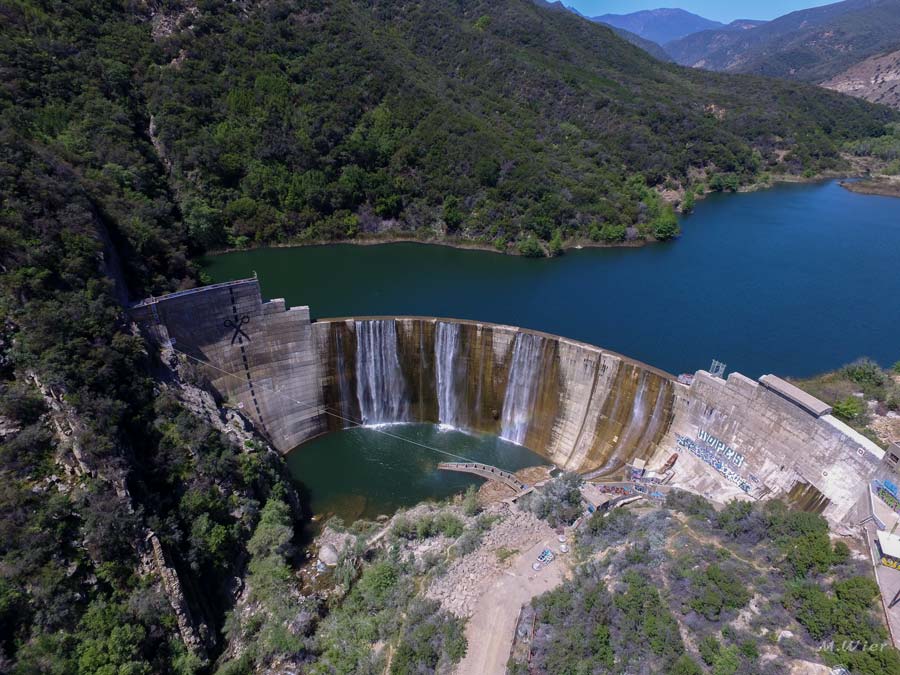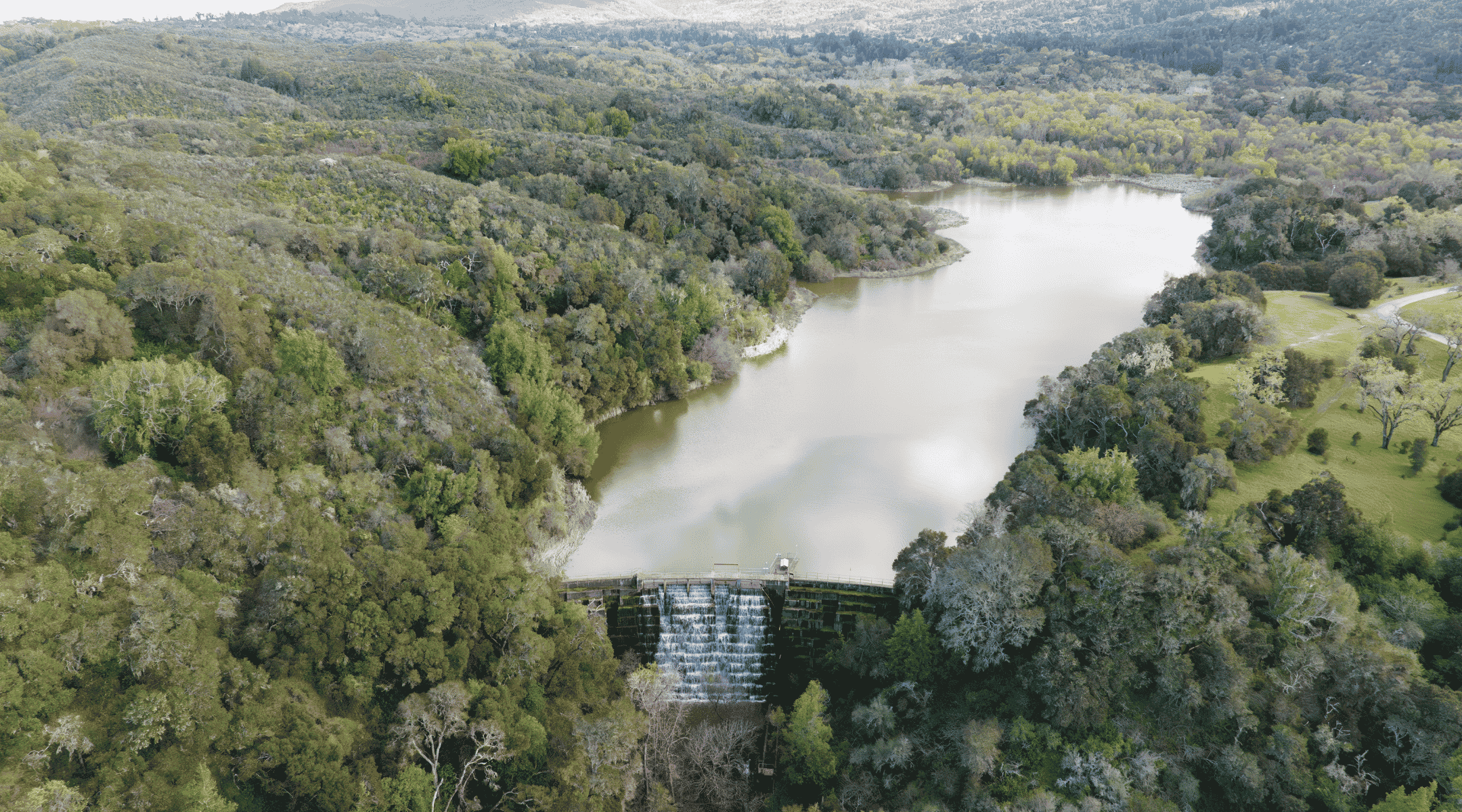







Opponents of Klamath River dam removal suggest that flooding is the inevitable consequence of the loss of the dams, yet — in high spring runoff conditions — the four lower Klamath River dams only provide approximately ten hours of capacity.
In fact, they’re not designed to buffer floods at all, and renovating wetlands farther up the Klamath system — as called for in the KBRA — actually adds more storage to the system than will be lost by removing the four dams.
The Oregon Mail Tribune ran an opinion piece by Bill Cross that nicely covers the issue:
The Upper Klamath reservoirs were designed to maintain a near-constant level, with no ability to store excess water in one season for release at a later time.
These dams are what engineers call “run of river” facilities, designed to release essentially the same amount of water that flows into the reservoir. They can alter flows only very briefly — on a 24-hour cycle in the case of J.C. Boyle and Copco dams — storing up the river’s flow overnight in order to release it in an oversized pulse the following day. This allows PacifiCorp to produce power when demand is highest in the middle of the day. But the dams simply cannot store enough water to reduce winter floods or release extra water in the summer.
Let’s look at the numbers. Lost Creek [ED: a reservoir on the Rogue River] can be raised and lowered by 121 feet every year, allowing it to store — or release — 315,000 acre-feet of water. That’s enough to cover an area the size of Medford in 23 feet of water. Iron Gate Reservoir, the biggest of the four PacifiCorp reservoirs, can be raised or lowered by a mere 4 feet, allowing it to store only 3,790 acre-feet — enough to cover Medford in just over three inches of water. So although the Rogue and Klamath are similar sized rivers, Lost Creek can store 80 times as much water. Iron Gate can store just over a day’s worth of the Klamath’s average flow, while Lost Creek can store a whopping 84 days’ worth of the Rogue’s average. [ED: emphasis added] That’s the difference between a single-purpose hydro dam like Iron Gate, and a multi-purpose dam like Lost Creek.
The difference in post-dam removal Klamath River flows — even in a worse case scenario — is expected to vary less than 7% from the current flows.
In this case, the facts are clear: The Klamath River dams slated for removal provide little or no flood control, and arguments about flooding risks are largely moot.