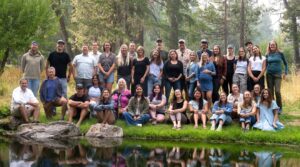
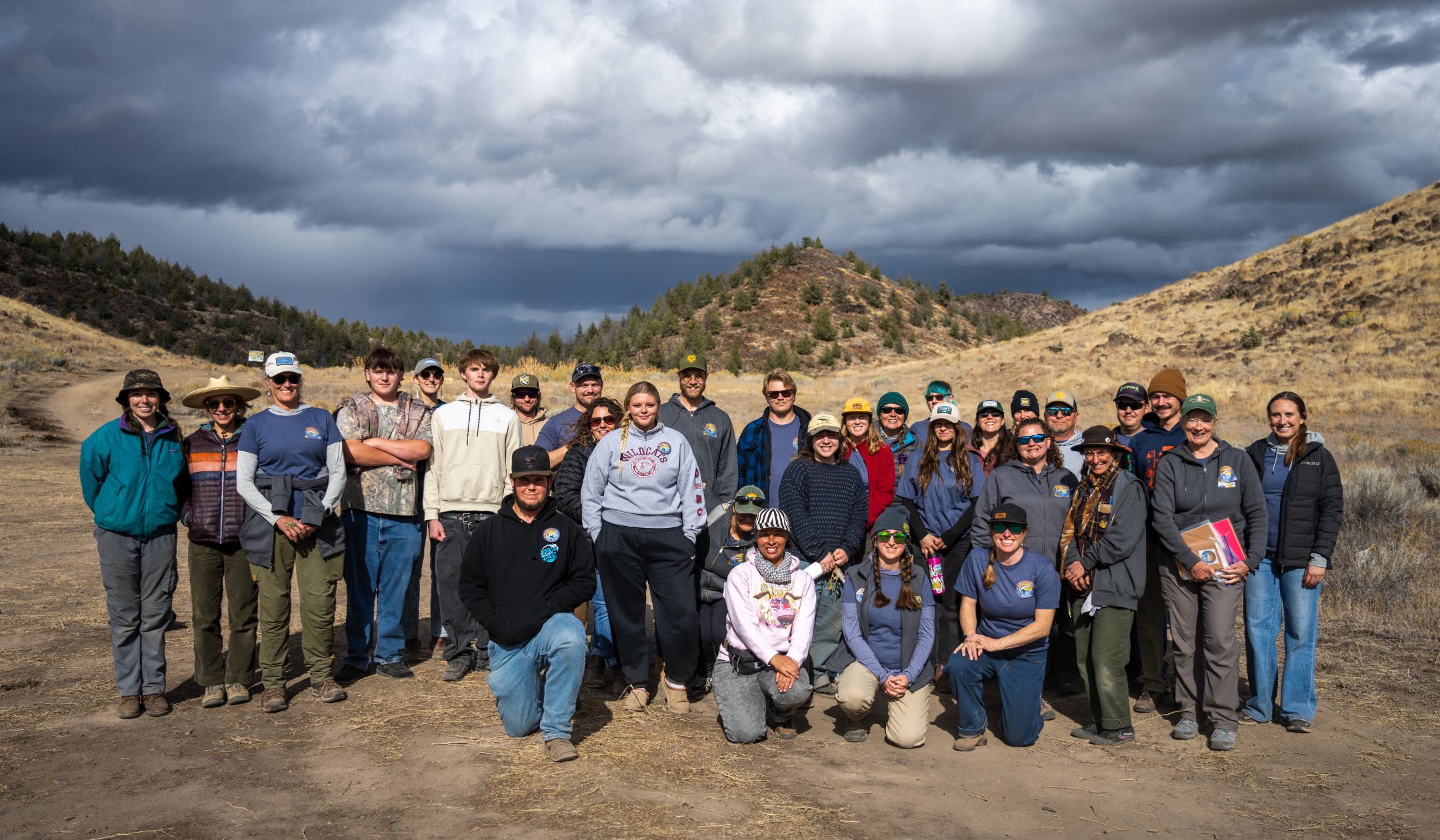
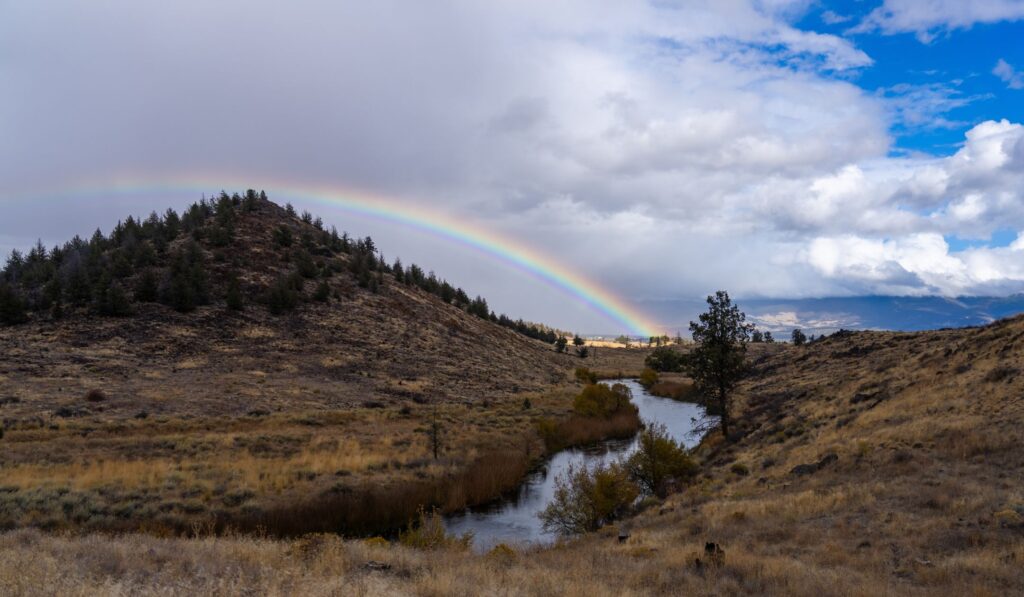
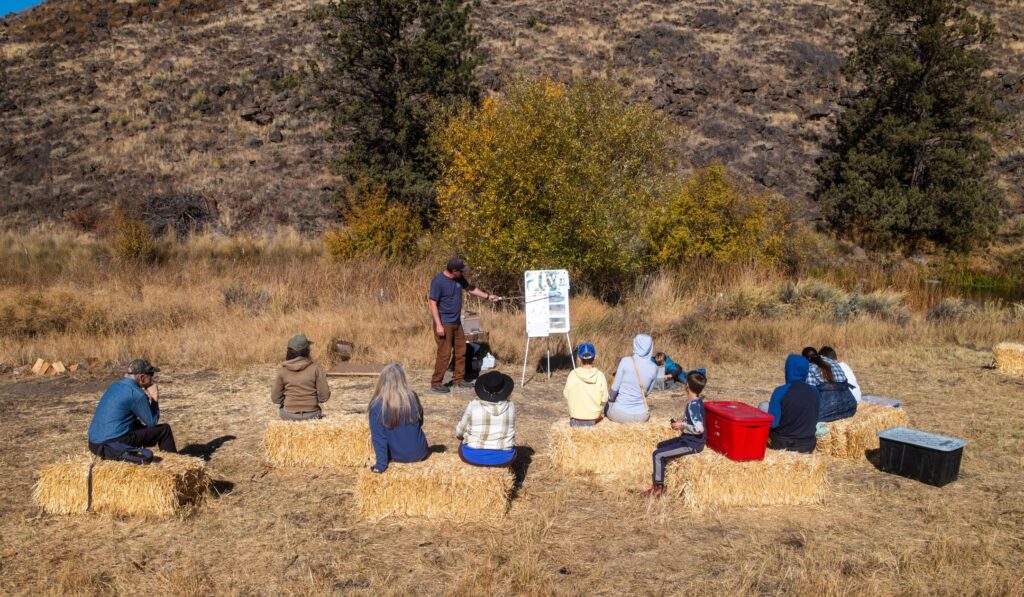
This fall, 594 students, families, and neighbors gathered at Big Springs Ranch Wildlife Area to watch fall-run Chinook salmon return to spawn in Big Springs Creek, a tributary to the Shasta River. Across five Youth Days and a Saturday Community Day, they dissected fish, tested water quality, journaled on the riverbank, and saw the salmon run up close.
Like last year, this event was a true collaboration among volunteers, educators, Tribal partners, and agencies who shared their time and expertise. Below, hear from some of the people who brought these days to life, and how one day on the river can ripple out into a whole community.
Where the next generation of stewards gets made
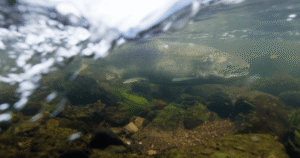
In 2012, a fourth grader named Emma Carpenter peered over a bridge at Big Springs Creek and watched Chinook salmon flip on their sides to dig out their redds. “I remember… thinking that they were too big to fit in the creek,” she recalls. She went home that day with a fish print in hand.
This fall, Emma came back to Big Springs Ranch Wildlife Area as CalTrout’s Project Coordinator. She worked the parking lot, said hello to familiar faces, and watched a new generation of kids discover the same scene that first sparked her curiosity.
That full-circle moment is what Big Springs Youth and Community Days are all about. Each year, as fall-run Chinook return to spawn in Shasta River, CalTrout and the California Department of Fish and Wildlife (CDFW) open the gates so students, families, and neighbors can see the run up close. This year, we’re sharing the story of both Youth Days and Community Day, told in the words of the partners, educators, and staff who made them happen.
594 people, and the ripples that follow
This year, 594 people came to the banks of the Shasta River to see salmon spawn including 403 students and 70 teachers and chaperone from across Siskiyou County during the youth days, plus 121 attendees at the Community Day.
But the real reach goes well beyond 594. Every student who watched a salmon dig a redd went home to tell a sibling, a parent, or a friend. Every teacher brought the experience back to a classroom. Every family that spent a Saturday on the river now has a story about salmon in their own backyard. As CalTrout Senior Project Manager Ada Fowler put it, the kids “will talk about their experience with their friends and family and through that enthusiasm, pass on a message about the value of the experience.”
Youth Days: learning to love nature through science
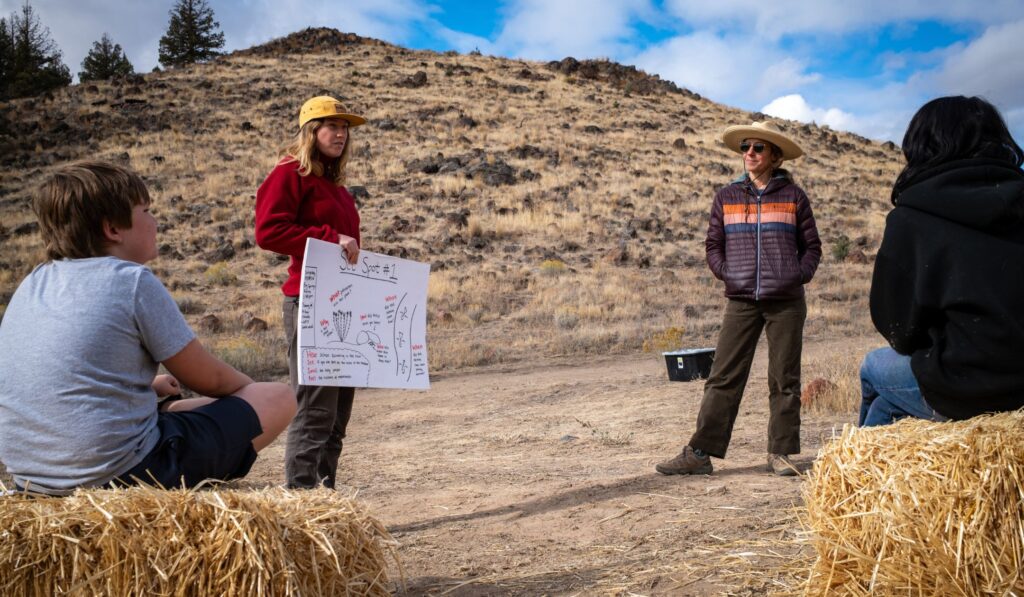
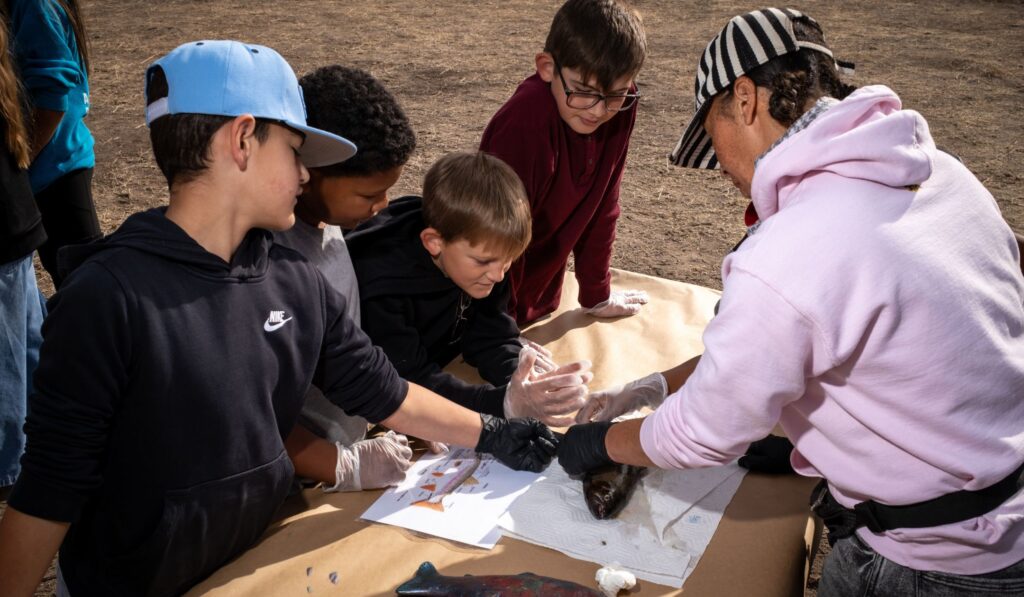
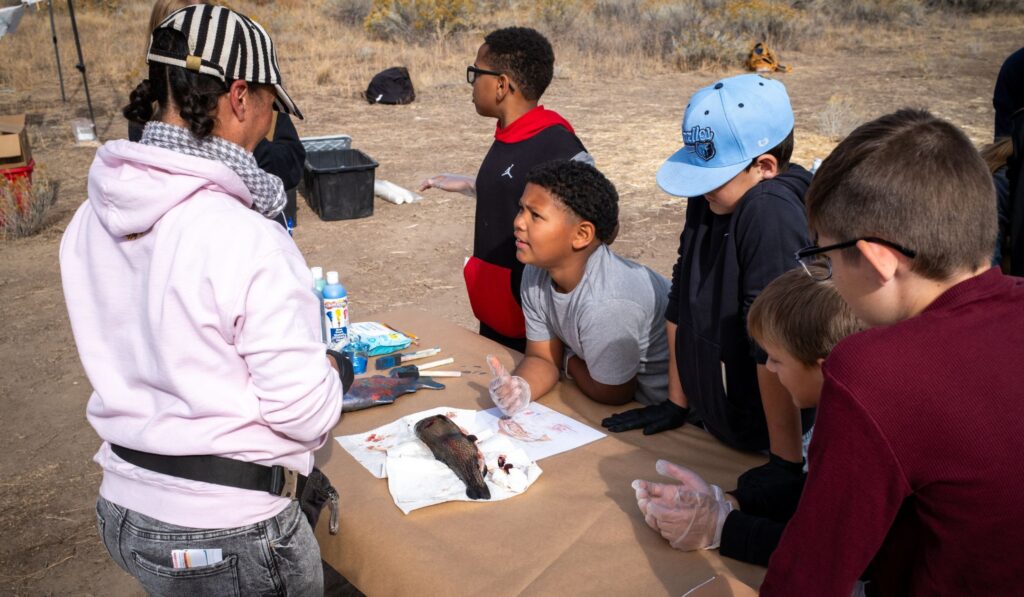
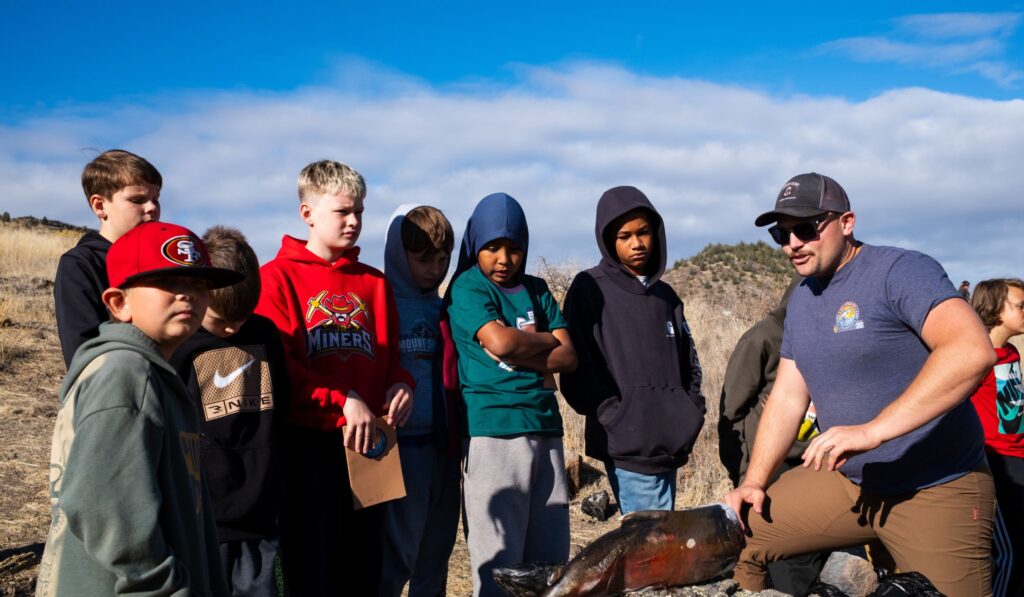
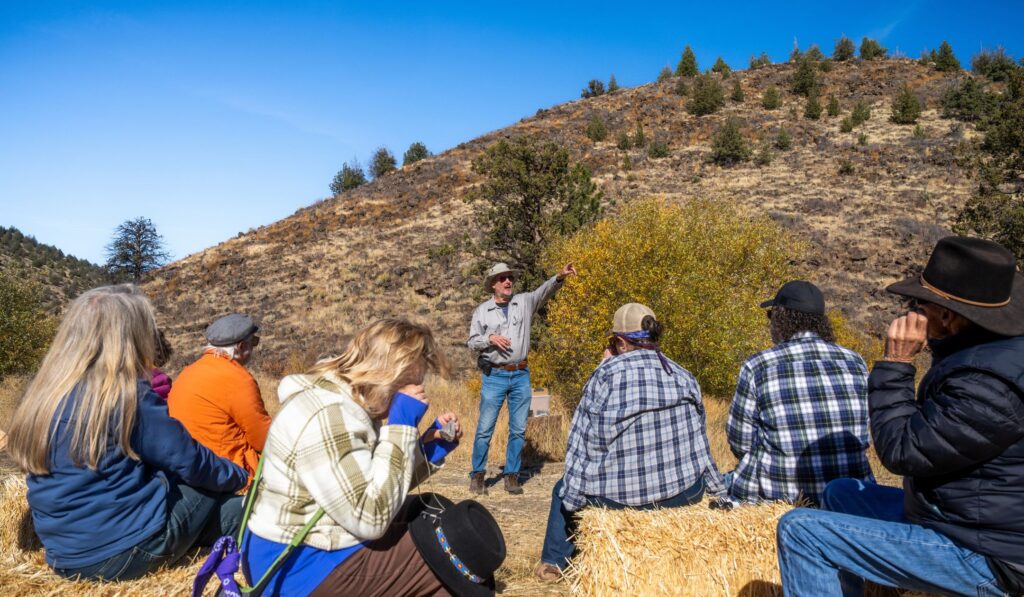
Over five days, more than 400 fifth through eighth graders rotated through hands-on stations led by scientists, educators, and Tribal partners. They tested water quality, studied the macroinvertebrates salmon eat, dissected fish, made gyotaku fish prints, and played a game about the salmon life cycle. Students also saw local Science, Technology, Engineering, Art, and Mathematics (STEAM) careers in action, from state agency scientists to Tribal fisheries staff. Siskiyou Union High School District students joined the volunteer crew as peer role models.
big springs youth days
Hosting an event like this for local schools highlights the wonder of the place we call home.
Marian Murphy-Shaw/Director of the Siskiyou Science Festival and Youth Day Event Coordinator
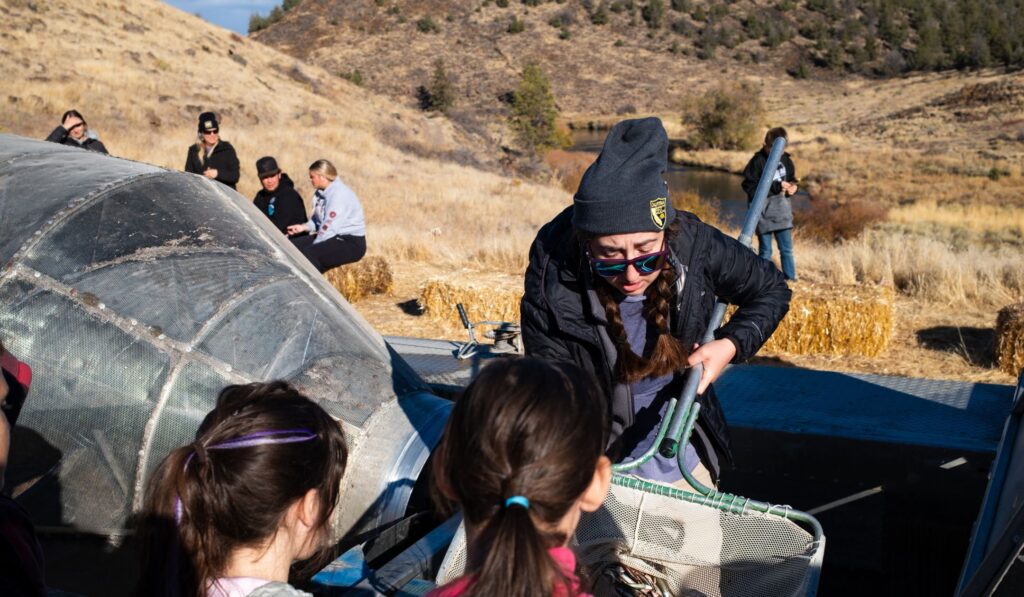
A day in the life of a fisheries biologist. At the Fish Trap station, CDFW Senior Environmental Scientist Rosemary Romero and colleagues Kurt Bainbridge, Desiree Hardin, and Dustin Geisen showed students a rotary screw trap. Students scooped out (fake) fish, then measured, weighed, and identified them just as biologists do in the field. Real spawners splashed in the river below the whole time. “It was heartwarming to see students light up with excitement when they learned they could do this as a real job one day,” Rosemary said.
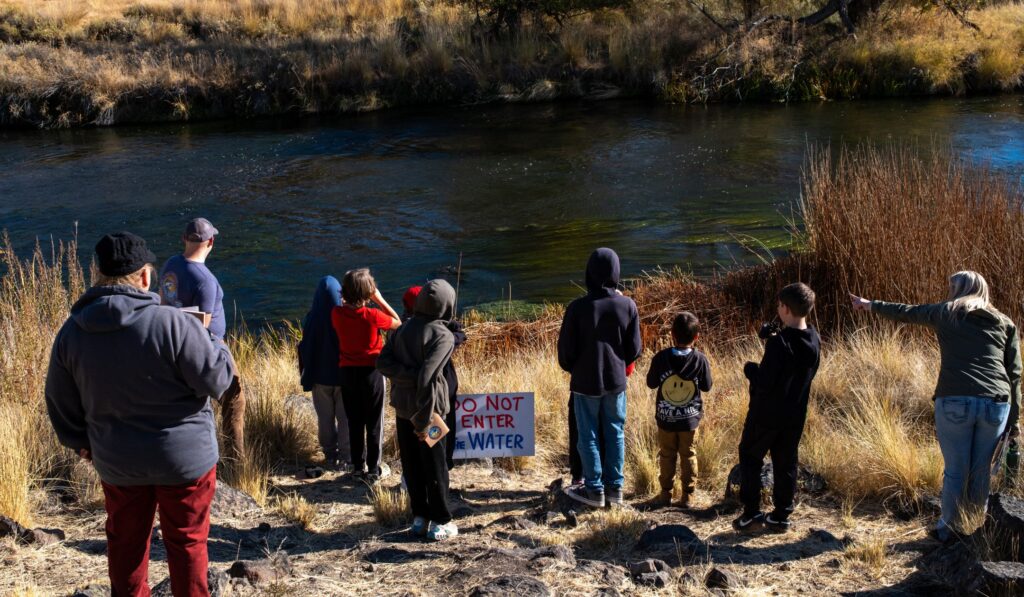
From the river to the redd. Stacia Anderson, Outdoor Science Educator with the Siskiyou County Office of Education, led the ecology and water quality stations. Her favorite moment was watching salmon spawn with students, then playing the Return to the Redd game. “Connecting what students observed in the river to the challenges salmon face throughout their life cycle really helped bring their learning to life,” she said.
Anatomy, up close. The Quartz Valley Indian Reservation (QVIR) led live trout dissections, comparing fish and human anatomy. “Being able to use public lands as a platform to illustrate salmon lifecycles, cultural importance, and the tools behind monitoring population trends has been very popular,” said Sarah Schaefer, QVIR’s Environmental Director.
Slowing down to notice. At the nature journaling station, Amberly Clark of the Mount Shasta Bioregional Ecology Center (MSBEC) sent students to sit quietly on a rocky hillside above the river and record what they saw. A clump of rocks became “positively 100% a bear.” One student wrote a whole poem about the colors around her. “Several kids mentioned how calm and peaceful they felt after having time to nature journal,” Amberly said.
Community Day: salmon for every age
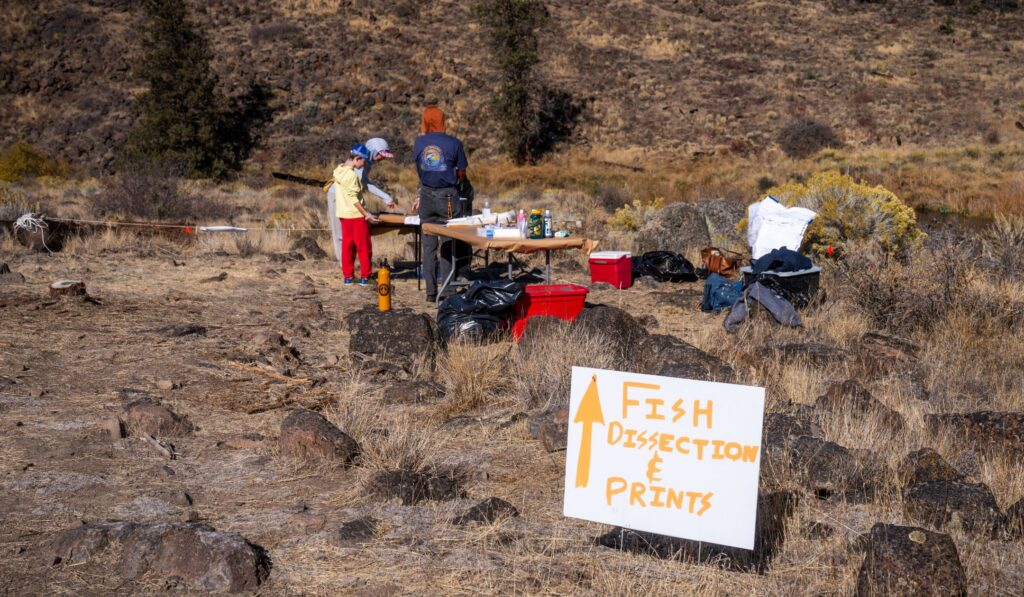
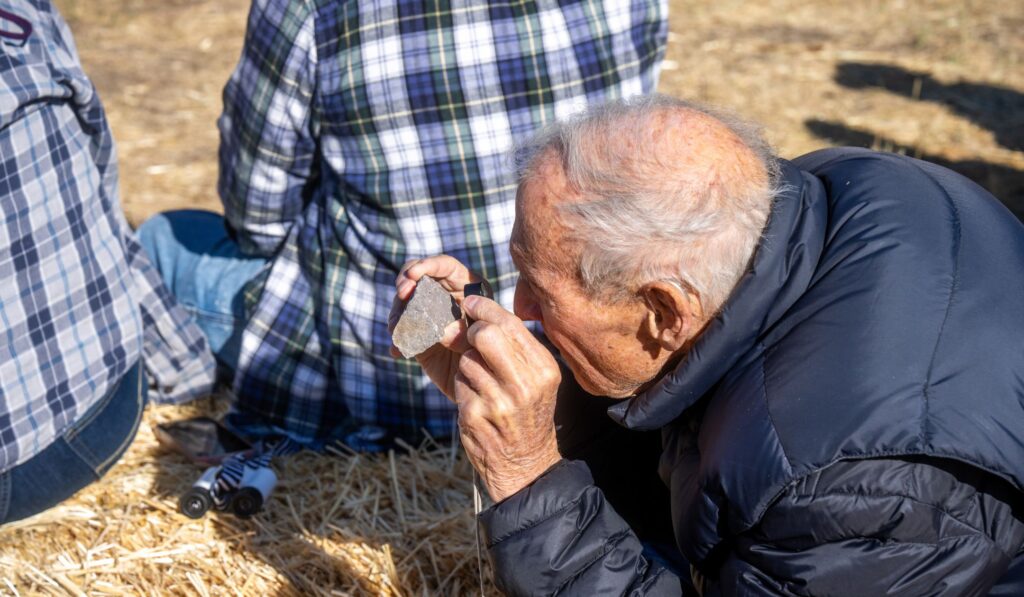
On Saturday, October 24, the river opened to everyone. Families made gyotaku fish prints, watched fish dissections, and heard Professor Bill Hirt (College of the Siskiyous, Emeritus) explain the geology of Shasta Valley. CDFW Senior Environmental Scientist Kurt Bainbridge walked through the salmon life cycle and the data behind it, and MSBEC’s Kayla Marie Figard led nature journaling.
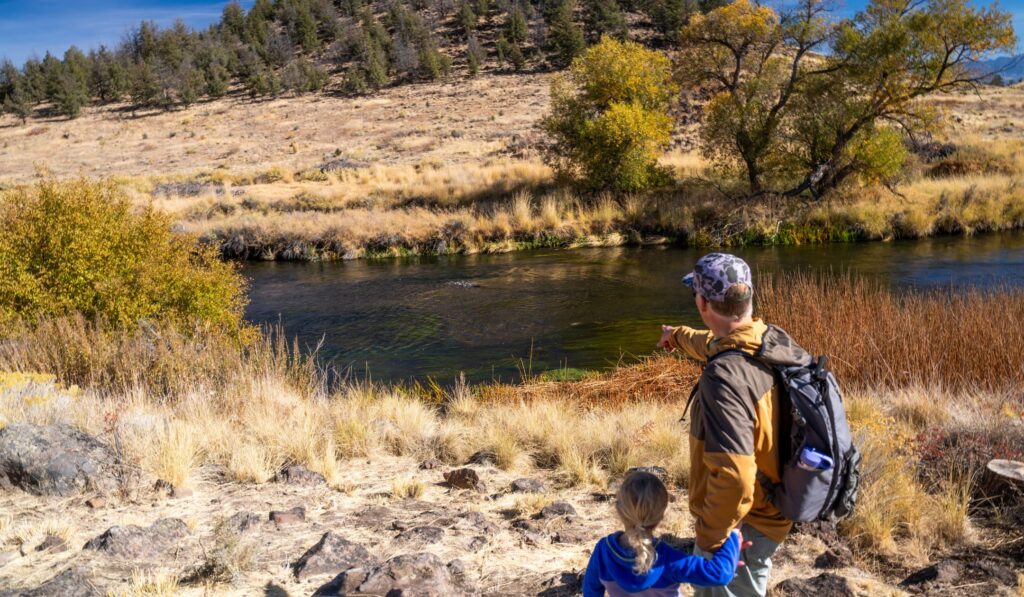
The littlest naturalists. Kayla Marie and Krista Weagraff from First 5 Siskiyou led a Little Feet, Big Adventures walk for young children. The kids smelled juniper, felt the tickle of rabbitbrush, and listened for salmon building nests in the river. They learned the salmon life cycle through a picture book and a song, then made fish prints with CalTrout. “The kids were so delighted to spot the salmon!” Kayla Marie said.
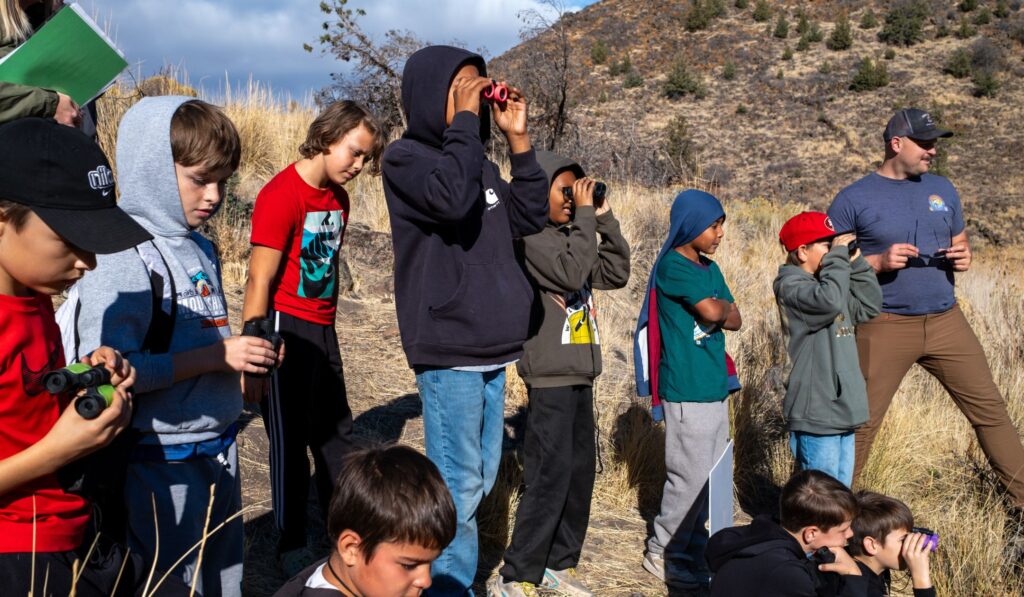
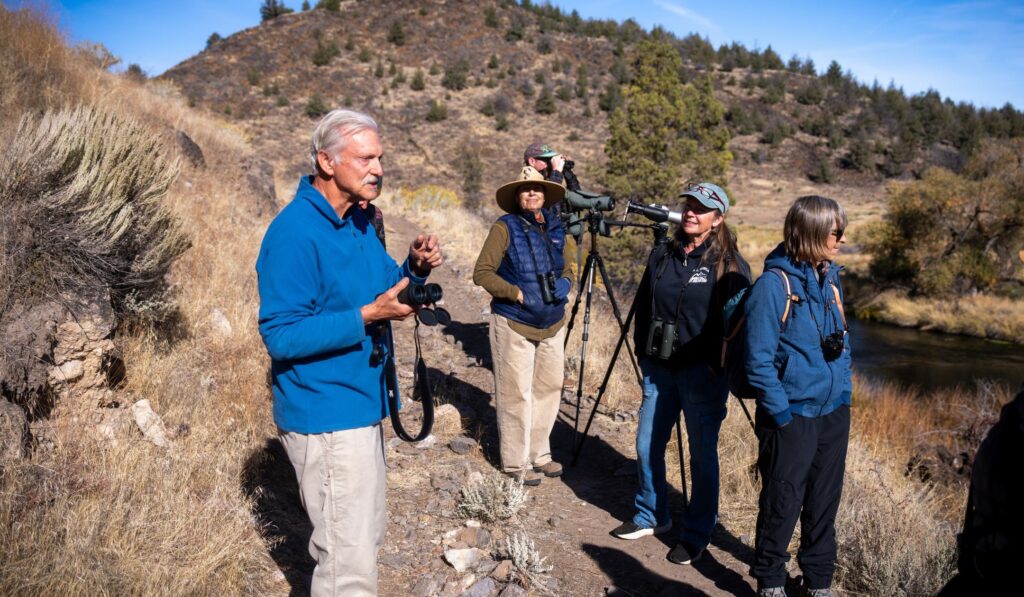
Birds and salmon. Laura Bradley, President of Mt. Shasta Audubon Society, led a bird walk with birding experts Steve and Debbie Huckabone. More than 20 Audubon members spotted osprey, hawks, kingfishers, warblers, snipe, and more. Laura noted that the spring-fed waters, riparian thickets, and native grasslands here protect vital bird habitat too. Still, “the salmon were definitely the highlight of our bird walk!”
Curious at every age. For Emma, the adults were just as fun as the kids. “There was significantly less shrieking and running from this crowd, however the level of engagement remained high,” she said. “I love that this is a community event because I believe the salmon have a little something for everyone.”
Why it matters: the power of awe
Firsthand experiences stick with people in a way a screen never can. “Awe is a very powerful experience, and to see it in the face of a child is itself a very awesome sight,” said Ada Fowler, CalTrout Senior Project Manager in the Shasta Cascade region. All week she heard the same questions: What’s that? Can I keep this? Did you see that? I’m going to take this home and show my brother. Emma sees a bigger connection, too.
big springs community day
Seeing a wild salmon can build a mental bridge between a thing we see on a shelf in a grocery store and a tangible memory of what that fish was like when it was alive. That bridge leads people to ask where their food and their rivers come from, and why they’re worth protecting.
Emma Carpenter/CalTroutProject Coordinator
Or, as Ada put it simply: “There are salmon in the Shasta River and that is awesome.”
Thank you, and see you next fall!
Big Springs Youth and Community Days are co-sponsored by CalTrout and CDFW, and they take a village. Thank you to our partners: the Quartz Valley Indian Reservation, Karuk Tribe, Siskiyou Science Festival, Mount Shasta Bioregional Ecology Center, Siskiyou Land Trust, The Nature Conservancy, First 5 Siskiyou, Siskiyou County Office of Education, Mt. Shasta Audubon Society, and Siskiyou Union High School District. And thank you to every volunteer, teacher, chaperone, and family who joined us on the river.
As Emma said: “Let’s keep doing it!”
Big Springs Youth and Community Days are a reminder that conservation spreads one conversation at a time. A fourth grader tells her brother about the salmon she saw. A parent brings the family back next fall. A high school volunteer starts picturing a career in fisheries. Every one of the 594 people who came to the river this year carried a piece of it home, and those ripples are how the next generation of river stewards is made.
Want to help protect salmon in the Shasta River and beyond? Support CalTrout’s work or find an upcoming event.
Partner websites:
- California Department of Fish and Wildlife
- Karuk Tribe
- Quartz Valley Indian Reservation
- Siskiyou Science Festival
- Mount Shasta Bioregional Ecology Center
- The Nature Conservancy
- Siskiyou Union High School District
- First 5 Siskiyou
- Siskiyou County Office of Education
- Mt. Shasta Audubon Society
- Siskiyou Land Trust
More News from Mt. Shasta: Restoration Is Coming to Big Springs Ranch Wildlife Area
The salmon our visitors watched this fall will soon have better habitat right where they spawn. This September, CalTrout received a Wildlife Conservation Board grant for two restoration projects at Big Springs Ranch Wildlife Area, expected to be complete by late fall 2028.
In lower Big Springs Creek, new wood and boulder structures will help keep the water colder and give fish cover, while added gravel will create more spawning habitat. Just upstream at Hole in the Ground Creek, beaver dam analogs will keep summer rearing habitat connected to the Shasta River and wet longer in dry months. Monitoring at both sites will show what’s working and guide future projects, and future Youth and Community Days visitors will get to see the results firsthand.