

The Klamath Basin continues to lurch from crisis to crisis, the futility of which is nicely summarized in a Chronicle Op-Ed piece by U.S. House of Representatives Jared Huffman (D-2nd Congressional District):
In “Dirty Harry,” Clint Eastwood memorably asked, do you “feel lucky?” It made for great theater, but it’s no way to manage North Coast salmon. Unfortunately, that’s been the policy of the U.S. Department of Interior toward the near-record run of chinook salmon that is migrating up the Trinity and Klamath rivers. Instead of a comprehensive strategy to fulfill its duty to protect this iconic fishery, the department is rolling the dice. So far, the salmon have been lucky. A decade ago, they were not so lucky. In 2002, the same conditions we are experiencing this year – large salmon returns, a dry year, and over-allocated Klamath River water unable to satisfy all competing needs – produced a massive fish kill. Insufficient river flows brought death to thousands of salmon and economic disaster for tribes, fishermen, and communities up and down the West Coast.
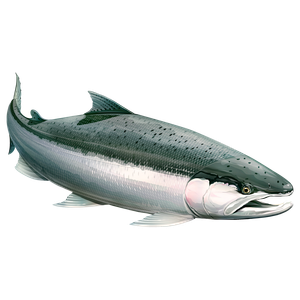
In “Dirty Harry,” Clint Eastwood memorably asked, do you “feel lucky?” It made for great theater, but it’s no way to manage North Coast salmon. Unfortunately, that’s been the policy of the U.S. Department of Interior toward the near-record run of chinook salmon that is migrating up the Trinity and Klamath rivers. Instead of a comprehensive strategy to fulfill its duty to protect this iconic fishery, the department is rolling the dice. So far, the salmon have been lucky.
A decade ago, they were not so lucky. In 2002, the same conditions we are experiencing this year – large salmon returns, a dry year, and over-allocated Klamath River water unable to satisfy all competing needs – produced a massive fish kill. Insufficient river flows brought death to thousands of salmon and economic disaster for tribes, fishermen, and communities up and down the West Coast.
CalTrout has worked tirelessly in the Klamath basin to try and avoid precisely these issues, and we still believe the Klamath Basin Agreements represent one already-negotiated path forward for the basin.
Instead, action has been slow, and as a result, we end up saddled with irrigator lawsuits aimed at stopping a planned Bureau of Reclamation release of water to protect salmon.
As Mr. Huffman notes, the lack of government action on even decades-old questions threatens the Klamath — and the livelihood of all who depend on a healthy river:
Unfortunately, the Interior Department has been dithering for years. Humboldt County, 200 miles north of San Francisco, is owed 50,000 acre-feet of Trinity River water a year dating back to a 1955 federal law. For years, Humboldt County, the Hoopa Valley and the Yurok tribes, have been asking the department to allow this water right to be used to protect and enhance the downstream salmon fishery. Earlier this summer – well before the pending crisis and the Westlands lawsuit – Democratic Reps. Mike Thompson, George Miller and I asked the secretary of the interior to respond to the long-standing requests for use of this water. The response from the federal water managers? Crickets. Their silence follows an all-too-common federal tactic of waiting until an emergency, letting the Central Valley water exporters drive the agenda, and hoping for the best: the “do you feel lucky” plan. It’s past time for the department to decide, once and for all, whether Humboldt County’s water allocation will be honored so we can avoid these regular crises on the Trinity and Klamath rivers.
Unfortunately, the Interior Department has been dithering for years. Humboldt County, 200 miles north of San Francisco, is owed 50,000 acre-feet of Trinity River water a year dating back to a 1955 federal law. For years, Humboldt County, the Hoopa Valley and the Yurok tribes, have been asking the department to allow this water right to be used to protect and enhance the downstream salmon fishery. Earlier this summer – well before the pending crisis and the Westlands lawsuit – Democratic Reps. Mike Thompson, George Miller and I asked the secretary of the interior to respond to the long-standing requests for use of this water.
The response from the federal water managers? Crickets. Their silence follows an all-too-common federal tactic of waiting until an emergency, letting the Central Valley water exporters drive the agenda, and hoping for the best: the “do you feel lucky” plan. It’s past time for the department to decide, once and for all, whether Humboldt County’s water allocation will be honored so we can avoid these regular crises on the Trinity and Klamath rivers.
We’d like to say it’s time for the government to step up and fix the problems it helped create in the Klamath Basin, but in fact, Representative Huffman is right — it’s way, way past time for them to do so.