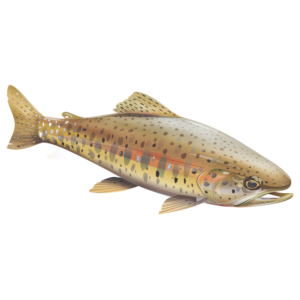
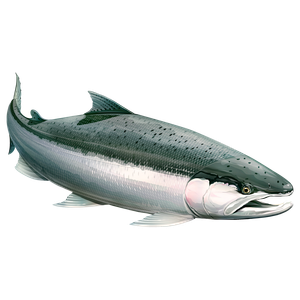

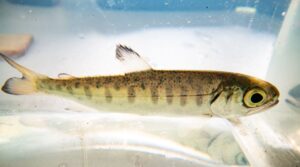
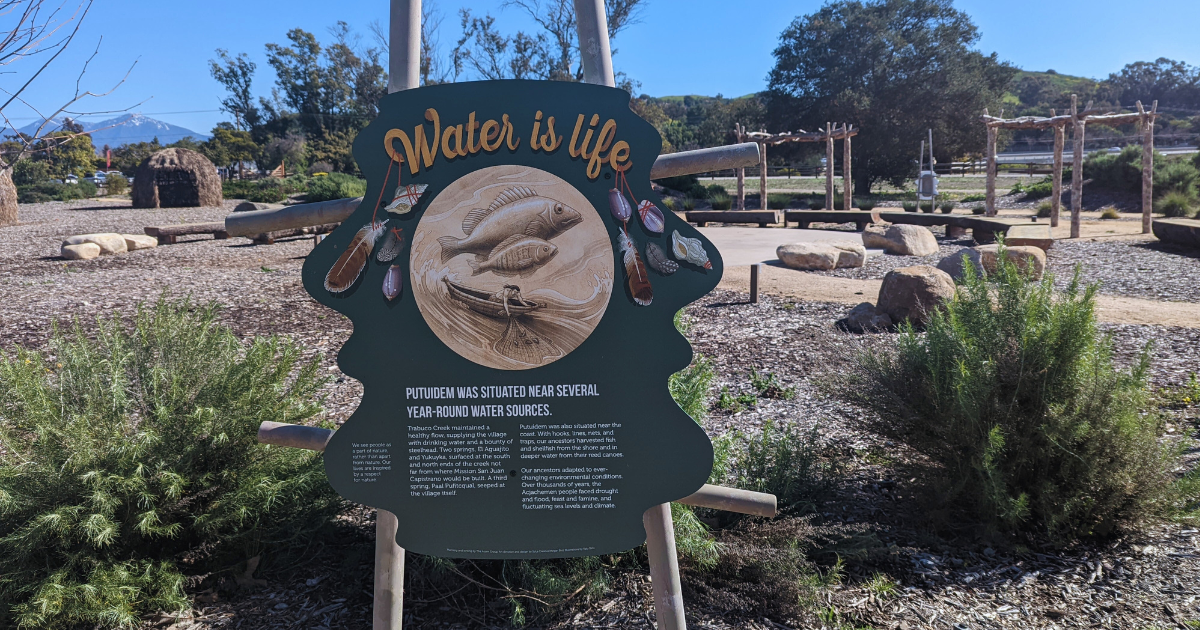
In an exciting partnership, CalTrout and the Juaneno Band of Mission Indians, Acjachemen Nation are collaborating to restore fish passage on Trabuco Creek, with a dedicated $400,000 budget awarded directly to the Tribe. This groundbreaking initiative puts resources and decision-making power in the hands of the watershed’s original stewards, supporting cultural surveys, native plant restoration, and enhanced public education at the historic Putuidem Village site. Recent eDNA sampling has confirmed the presence of endangered Southern steelhead, Pacific lamprey, and arroyo chub below the Metrolink Bridge barrier, underscoring the ecological significance of this project. CalTrout also recently received funding awards for the fish passage project from National Oceanic and Atmospheric Administration (NOAA) and California Department of Fish and Wildlife (CDFW) totaling over $23M.
Sacred Waters: The Cultural Significance of Trabuco Creek
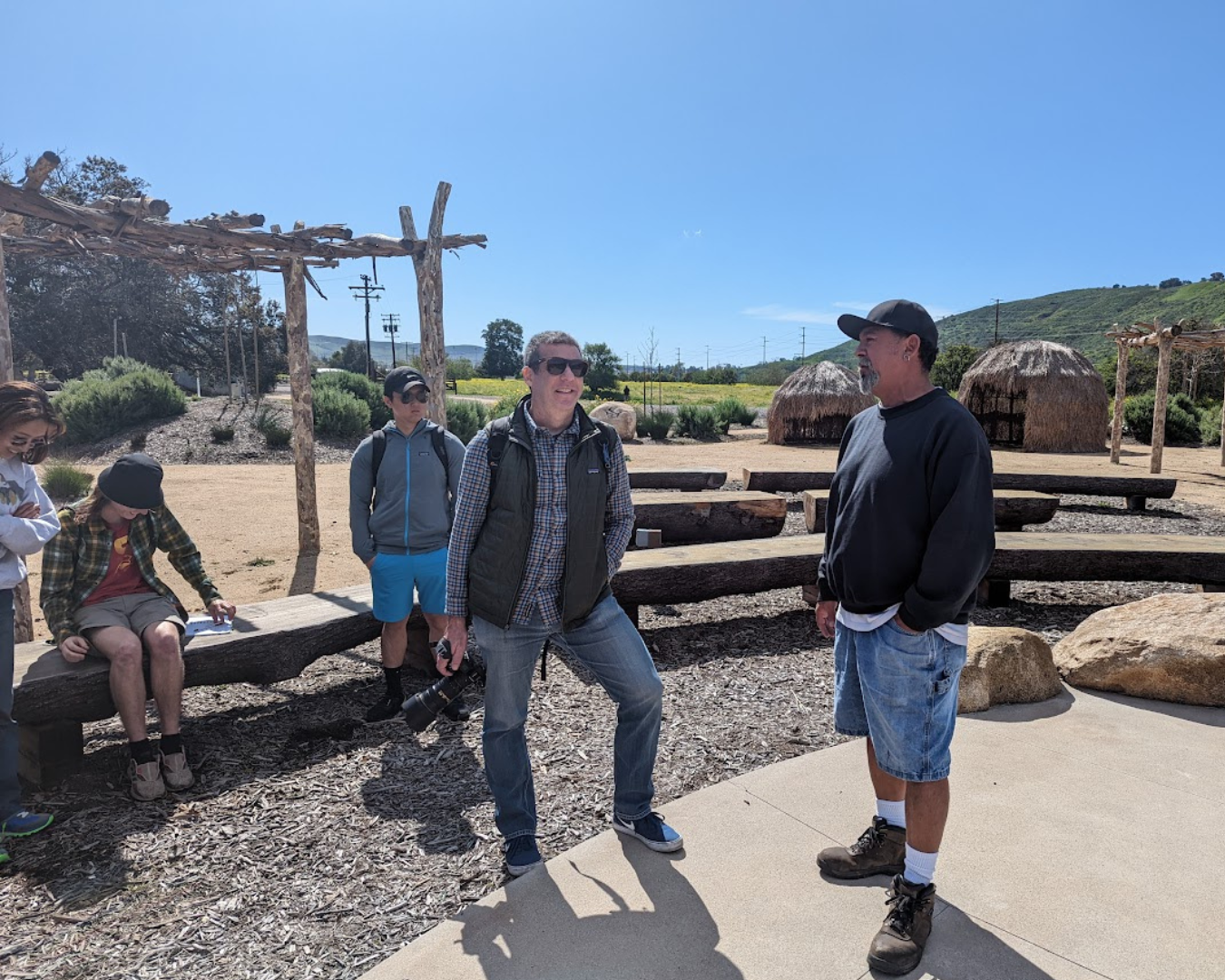
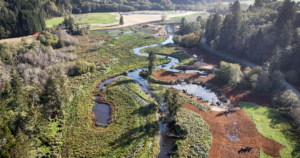
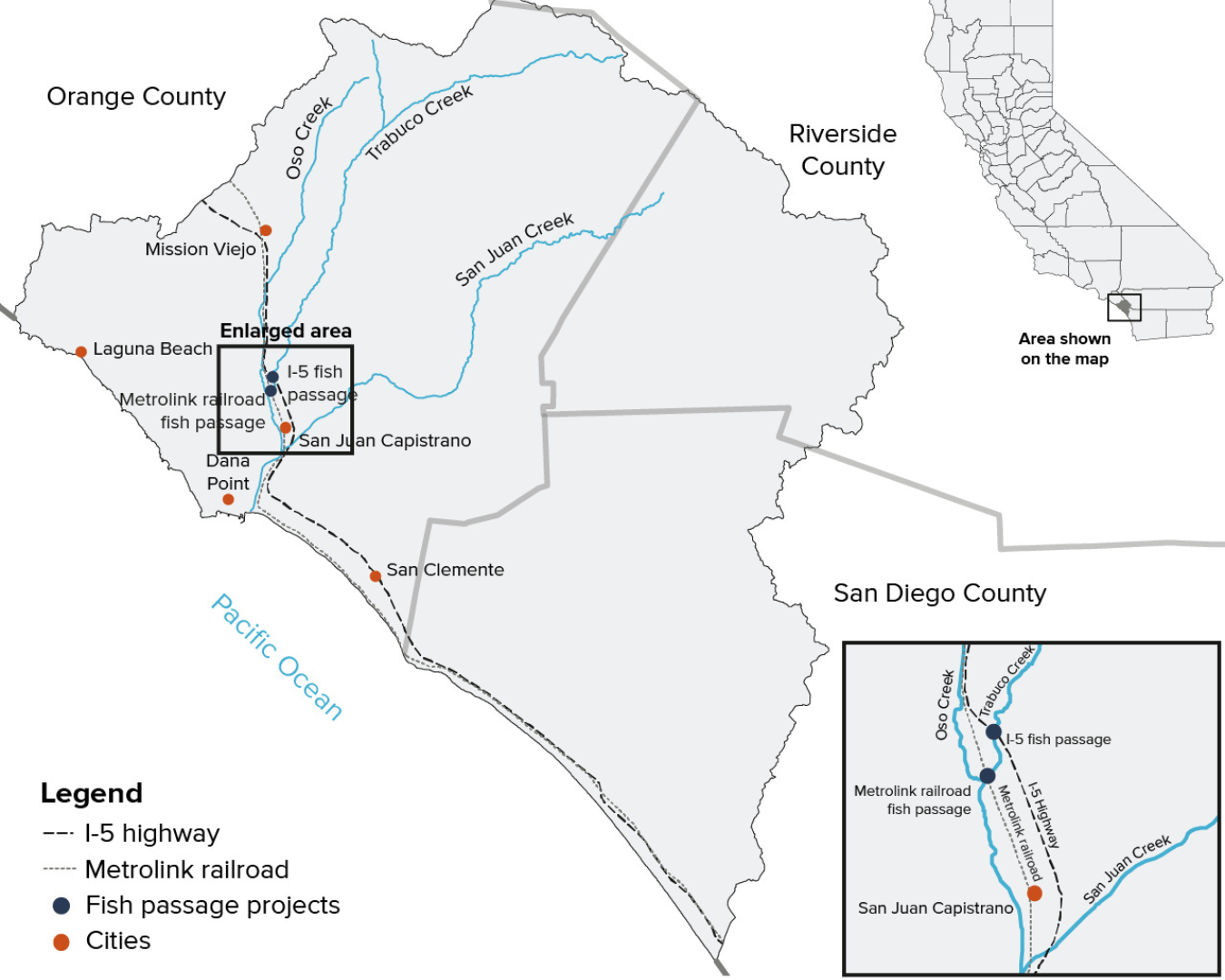
Trabuco Creek flows through Orange County and is the major tributary to San Juan Creek, designated a high priority watershed for endangered Southern steelhead recovery. The project site, situated beneath the Metrolink bridge and Interstate 5 bridge array, holds deep cultural significance as it lies adjacent to Putuidem Village – the ancestral “mother village” of the Acjachemen people. Archaeological evidence reveals over 10,000 years of Acjachemen presence in this region, where their community once thrived alongside abundant fish populations, including the endangered Southern steelhead. European colonization brought barriers – both literal and figurative – severing this ancient connection through the construction of dams, diversions, and bridges.
The Interstate 5 bridge array and the Metrolink bridge are total barriers to Southern steelhead preventing fish from completing their natural life cycle between the ocean and headwaters where they spawn and rear. With Southern steelhead recently listed as Endangered under California’s Endangered Species Act, this project will address one of the most significant fish passage barriers in Southern California and help bring the species back from the brink of extinction.
Breakthrough Science Confirms Critical Habitat
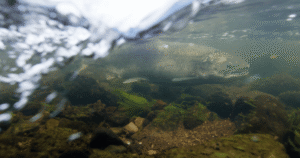
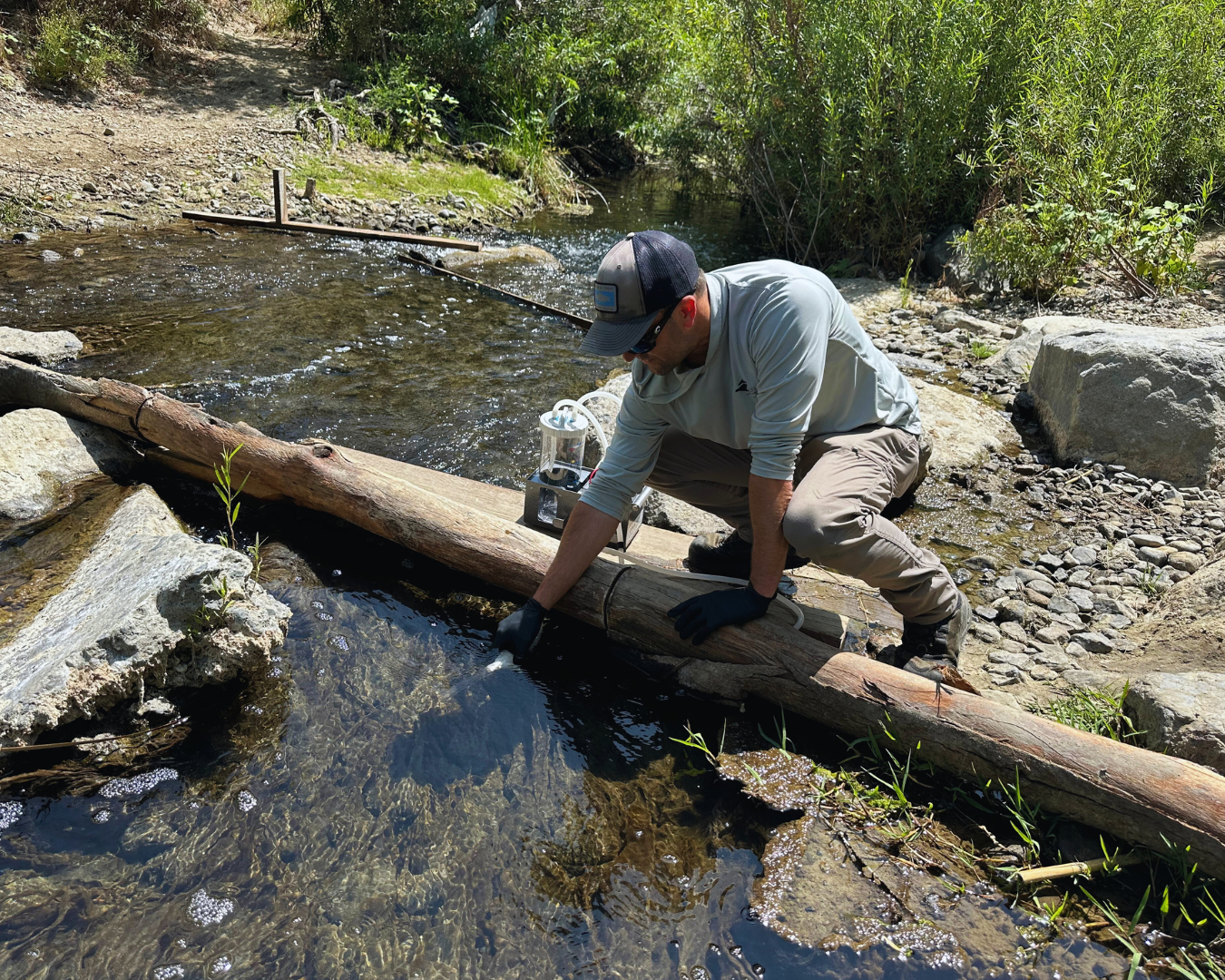
Recent developments have energized our restoration efforts. In August 2024, our eDNA sampling confirmed the presence of Southern steelhead between Doheny Beach and the Metrolink Bridge, validating earlier visual observations. These findings, along with the unexpected detection of Pacific lamprey and arroyo chub – both California Species of Special Concern – underscore the ecological significance of this watershed and the urgency of our work.
Empowering Indigenous Leadership in Restoration
Recognizing the inseparable link between ecological and cultural restoration, NOAA has awarded a dedicated budget of over $400,000 managed directly by the Acjachemen Nation. This funding will support construction monitoring for cultural artifacts, native plant revegetation, expanded educational programs, and enhancements to Putuidem Village, including interactive displays preserving the Acjachemen language. This represents a significant shift in conservation work, acknowledging that effective environmental restoration and stewardship must incorporate indigenous knowledge and leadership.
Migration Matters: Restoring Ancient Pathways
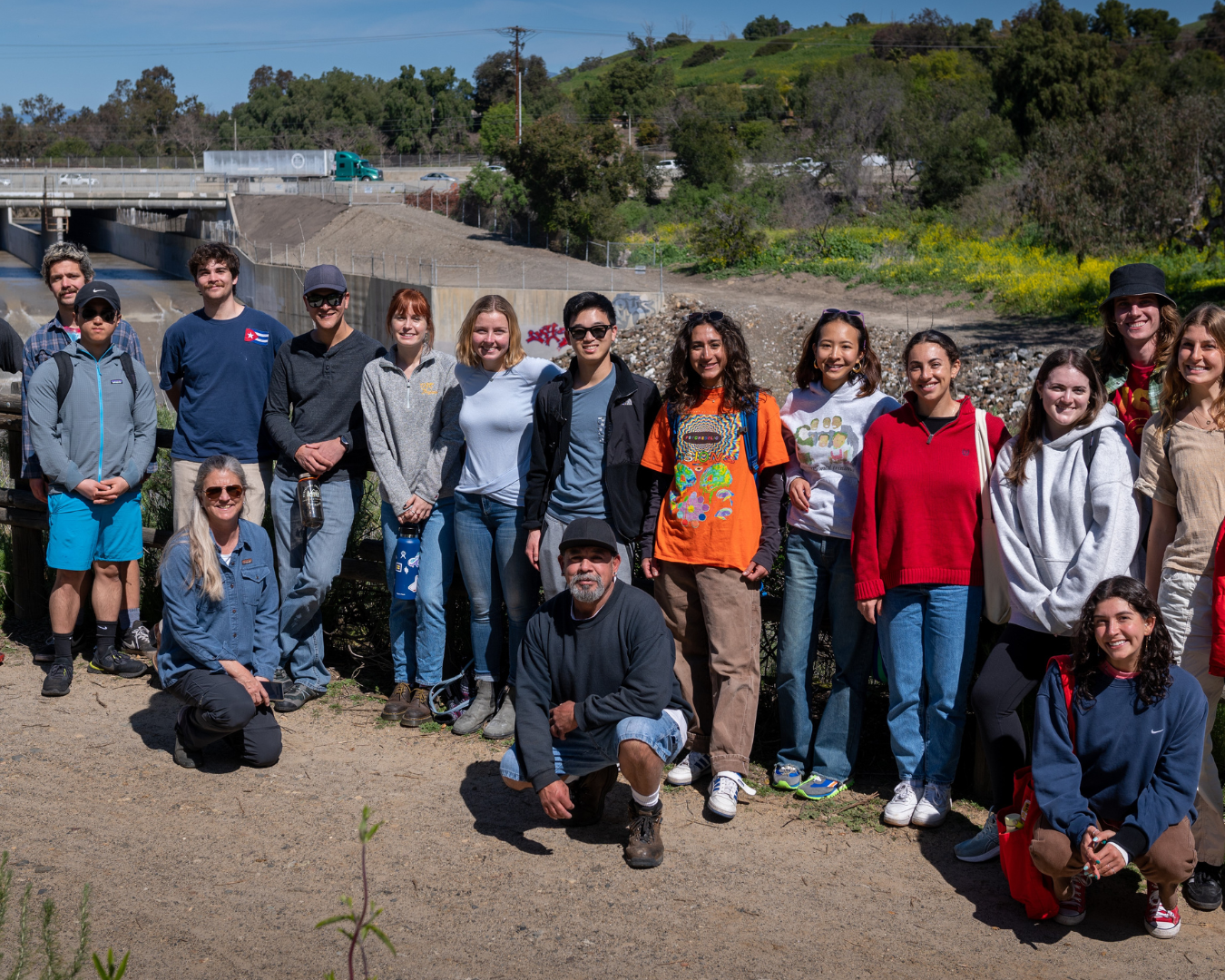
For millennia, people have formed their ways of life around the migration patterns of fish and other aquatic beings along Trabuco Creek. This deeper exploration of migration’s role in both natural and cultural systems helps us understand why Migration Matters – for people, their environments, and their connection to the world around them. When we remove barriers and restore these vital pathways, we’re not just helping endangered Southern steelhead access 15 miles of pristine spawning habitat – we’re helping rebuild relationships between communities and their watersheds that stretch back thousands of years. While the project exemplifies the challenges of fish passage restoration in an urban environment (hundreds of thousands of cars and dozens of trains pass over the bridge array each month), it more importantly demonstrates that species extinction is not an inevitable consequence of human development; and that projects that help restore fisheries also restore watersheds for the community.
What’s Next?
With project construction planned to kick off at the end of 2025 or beginning of 2026, this partnership demonstrates how traditional ecological knowledge and modern science can work together to create lasting positive change. By embracing indigenous leadership in watershed restoration, we’re helping endangered species and supporting a future where cultural and ecological restoration go hand in hand.
For more information on the Interstate-5/Metrolink fish passage project, check out A Bridge Runs Through It, by Sandra Jacobson, CalTrout’s South Coast & Sierra Headwaters Regional Director.