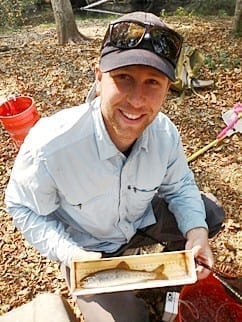

CalTrout is launching a new regional conservation program focused on efforts in the San Francisco Bay Area, headed by Program Manager, Patrick Samuel. Patrick has recently completed an eight-month fact-finding mission – meeting with stakeholders and conducting site visits throughout the greater Bay Area – to assess fisheries conservation, restoration, and educational outreach opportunities from Marin to Santa Cruz counties. The addition of the Bay Area program brings the number of CalTrout’s regions to six along with North Coast, Mt. Shasta/Klamath, Central Valley, Sierra, and South Coast.
The Bay Area program will implement a mix of restoration projects in highly productive estuaries and heavily altered urban/rural watersheds both on the coast and in San Francisco Bay itself, and develop targeted outreach and education on how the salmon and steelhead in our backyards are indicators of healthy watersheds that we all depend upon.
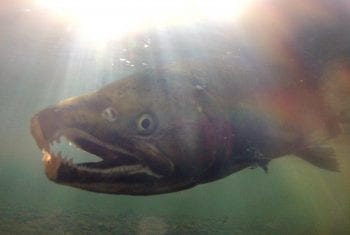
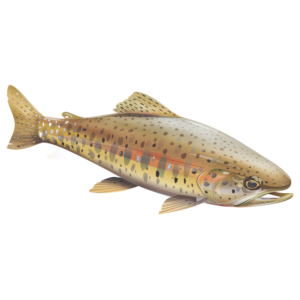
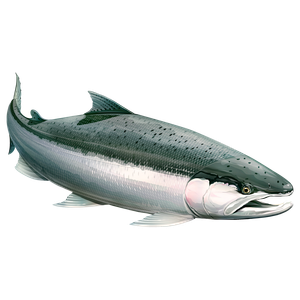
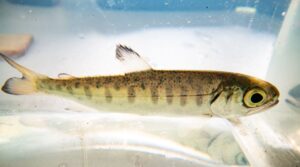
This region is critical to addressing the recovery of critically endangered Central California Coast (CCC) coho salmon and Central California Coast steelhead. Marin County is the southernmost extent for wild CCC coho salmon. According to the 2017 State of the Salmonids report by CalTrout and UC Davis, their populations have declined in excess of 95% in the last half-century due to habitat degradation, dewatering, and impacts from climate change − increased stream temperatures, streamflow variability, and changing ocean conditions – that dictate salmon growth and survival. Nearly all the remaining CCC streams with coho have populations of fewer than 100 spawning adults, unless enhanced through hatcheries. The Bay Area program will prioritize watersheds for restoration that have the most promising potential to support salmon recovery and are in most need of attention. These areas will include estuaries, critical land-sea interface habitat for salmon rearing and growth; working agricultural and ranching landscapes surrounding coho streams; and waterways that have been blocked by infrastructure, prohibiting volitional fish passage.
Stay tuned to find out where CalTrout is considering conservation efforts in coastal and San Francisco Bay watersheds. We’ll be announcing more information in the Spring 2018 issue of The Current, CalTrout’s quarterly e-magazine.
We’d like to hear from you! What aspect of CalTrout’s Bay Area Conservation Program is most important to you? Please take our survey.
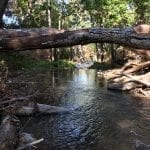
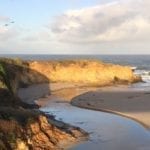
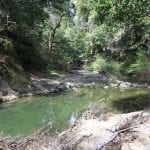
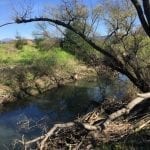
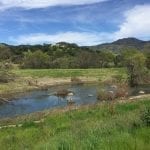
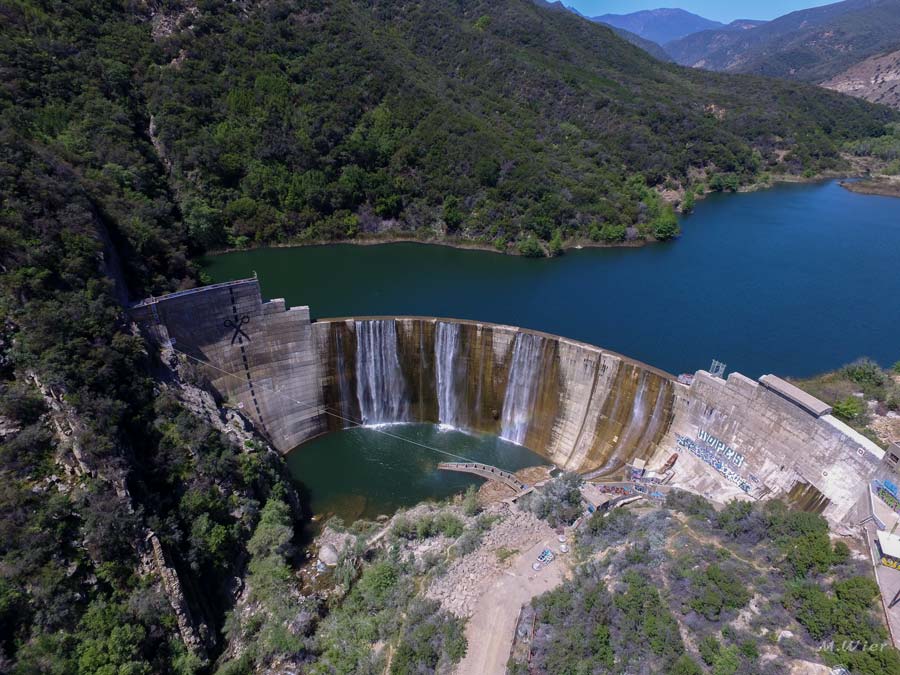
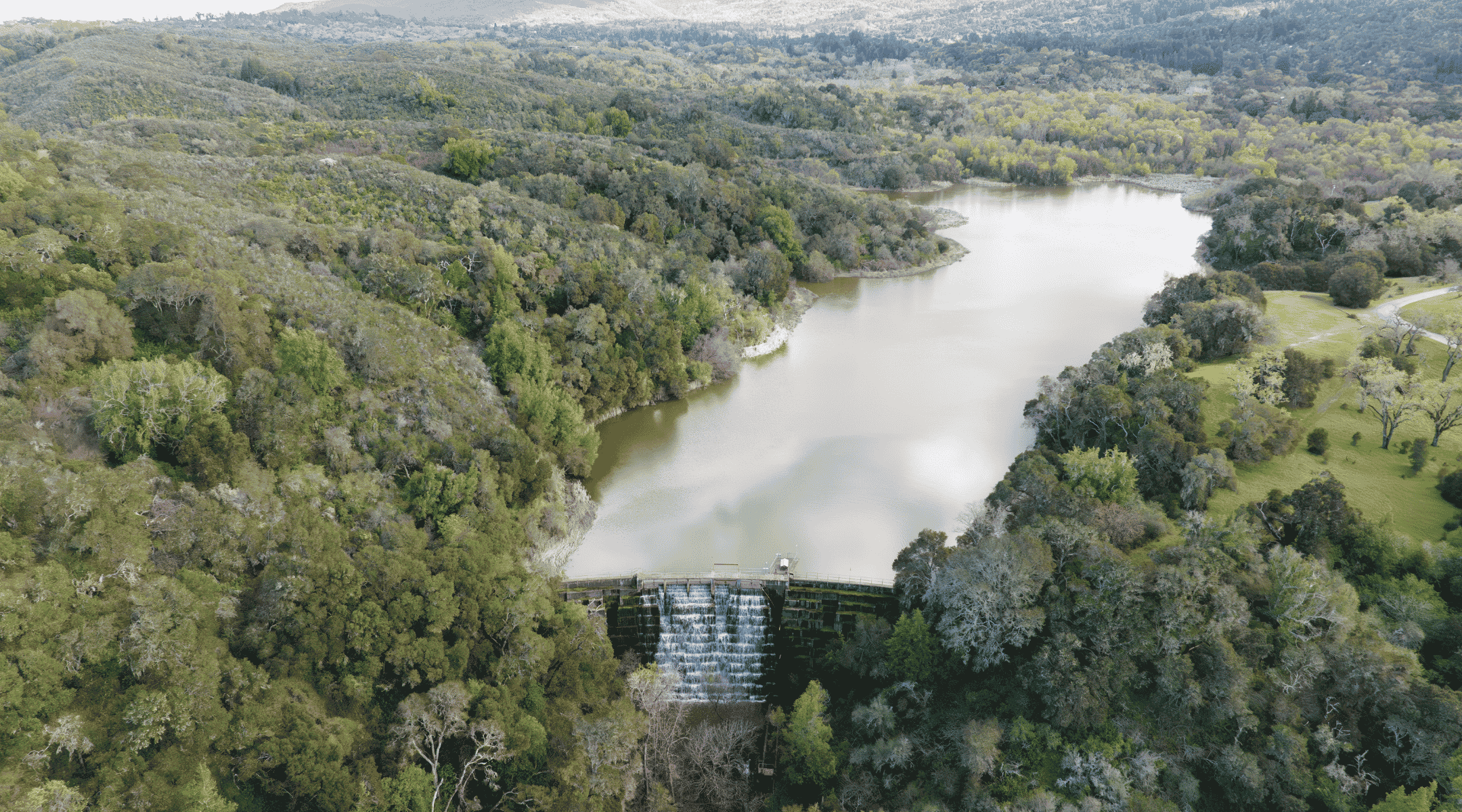
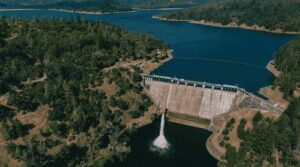
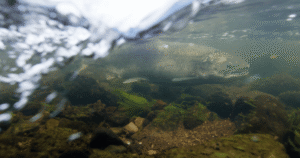
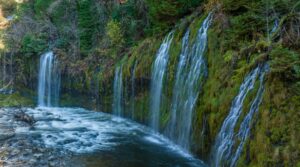
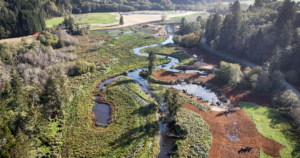
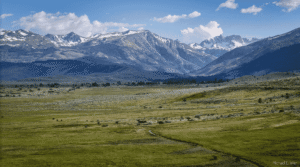
Check out Patrick’s photos from his site visits: