We are excited to announce that six CalTrout projects to Reconnect Habitat, Protect the Best, Restore Estuaries and Integrate Wild Fish & Working Landscapes are moving forward thanks to grant funding opportunities from California Department of Fish and Wildlife (CDFW) Fisheries Restoration Grant Program, State Coastal Conservancy, and Wildlife Conservation Board.
Government grants make up 60% of our operating budget, allowing us to execute large-scale and significant programs that benefit wild fish and people in California. In 2018, voters passed Prop 68 which helps provide critical funding to allow us to keep moving forward on projects that support habitat resiliency, resource enhancement, and climate preparedness.
Below are the six projects by CalTrout that were awarded a total of $7,494,741.
Bull Creek Hamilton Reach Instream and Floodplain Habitat Restoration Project
$475,248 award from CDFW Fisheries Restoration Grant Program
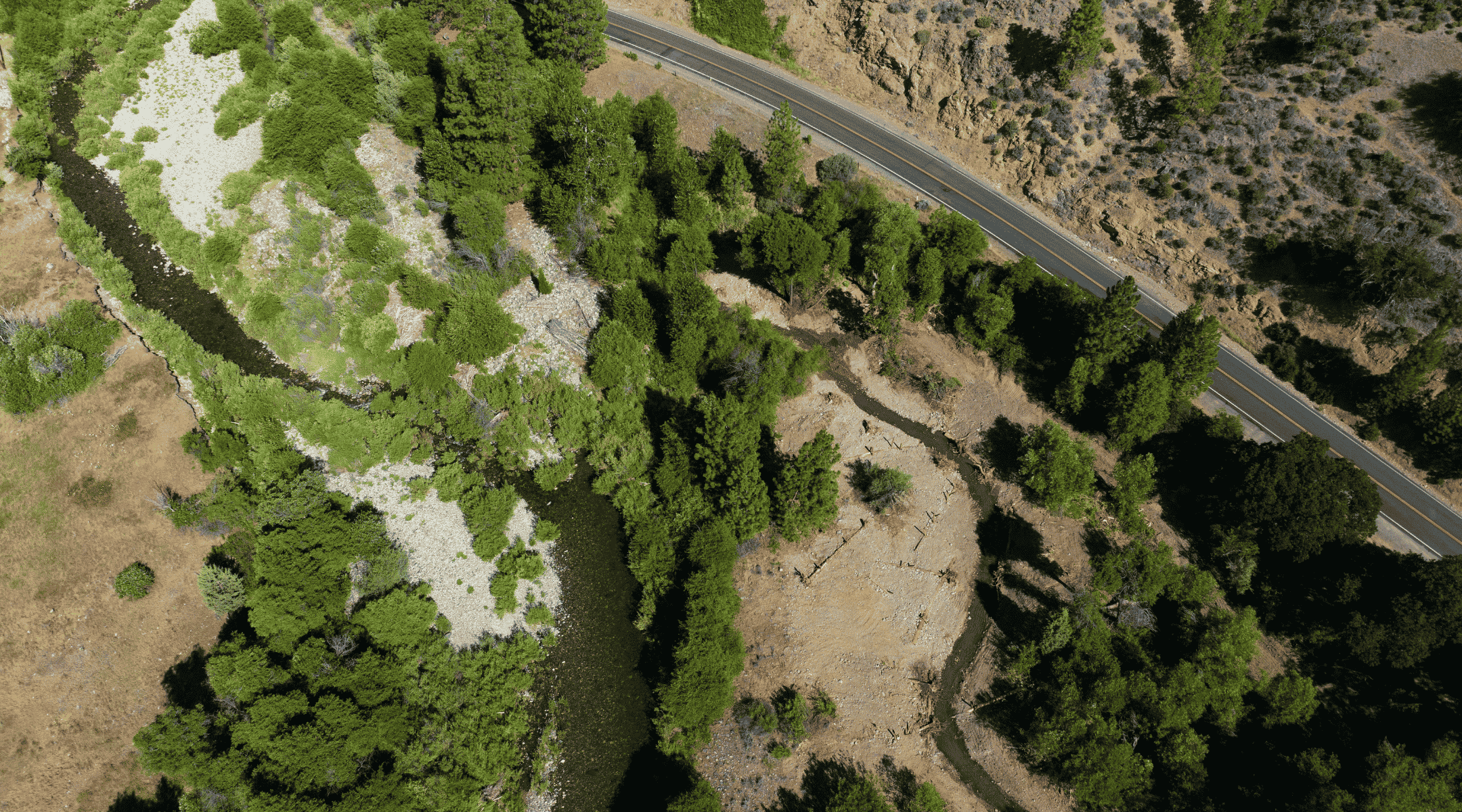
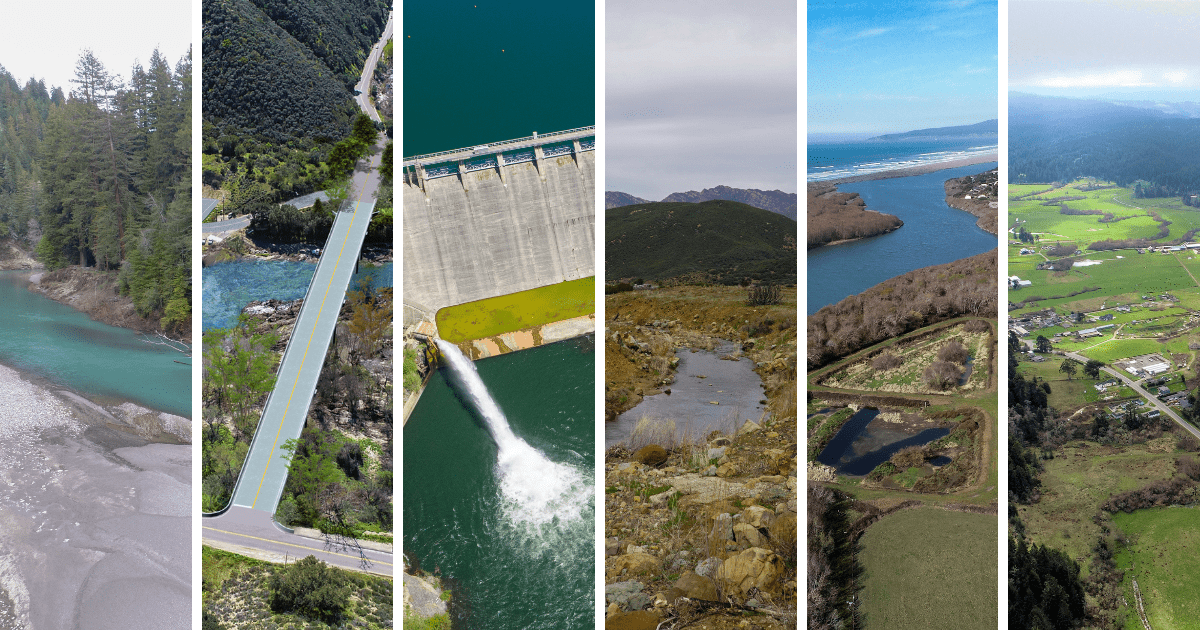
Protect the Best -The Bull Creek channel and its watershed exemplify the North-Coast’s century-and-a-half history of early settlement centered on rapid and excessive resource extraction leading to erosion, instream sediment deposition, and reduced quality and quantity of instream salmonid habitat. The Bull Creek Instream and Floodplain Habitat Resotration Project will restore floodplain habitat along the Hamilton Sub-reach of Bull Creek and provide multiple benefits to all life stages of Bull Creek salmonids. The project wil result in improved floodplain connectivity, instream channel complexity and pool frequency, create off-channel winter rearing habitat, reduce summer stream temperature, and promote sediment sorting and spawning riffle development.
Santa Margarita River Bridge Replacement and Fish Passage Barrier Removal Project
$2,378,922 award from Fisheries Restoration Grant Program + $1,941,032 from Wildlife Conservation Board + $530,000 award from State Coastal Conservancy
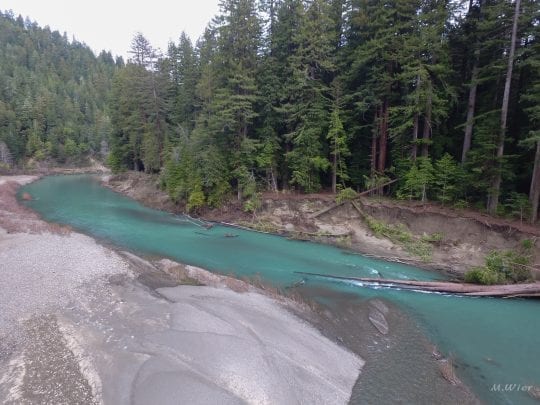
Reconnect Habitat – The Santa Margarita River offers a prime opportunity to reestablish a steelhead population in Southern California. However, fish passage barriers have prevented steelhead from accessing the upper reaches of the river that contain good spawning and rearing habitat. The proposed fish passage barrier removal project in the Santa Margarita River will:
- Provide juvenile and adult steelhead access to 12 miles of upstream habitat
- Provide over one acre of improved habitat through riparian restoration
- Restore natural river channel morphology that favors native fish-Increase access to residents and recreation by improved flood management
- Provide increased and safer access to the Santa Margarita River Trail Preserve for visitors.
Potter Valley Project Coordination and Assessment
$156,000 Resource Legacy Fund Open Rivers Fund
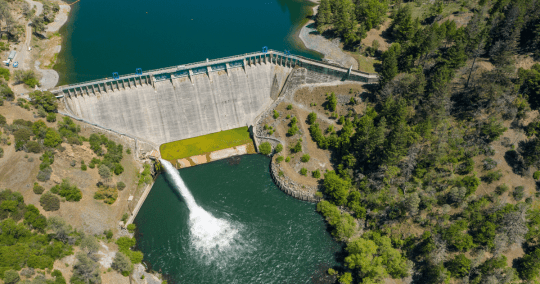
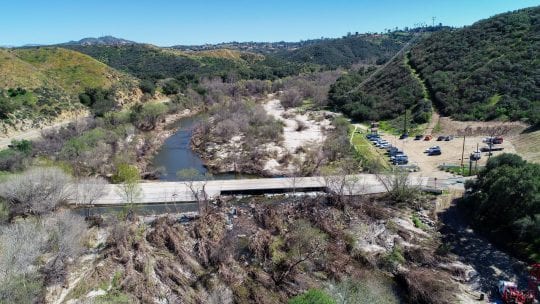
Reconnect Habitat – The Eel River once saw salmon and steelhead runs of as many as one million fish annually, but the construction and operation of dams have dramatically reduced the Eel River’s wild salmon and steelhead runs. Scott Dam is part of the Potter Valley Project and is the only complete barrier to fish migration on the mainstem Eel, blocking nearly 300 miles of native fish spawning and rearing habitat. CalTrout, along with Two-Basin Solution partners, will continue to bring all parties involved to the table to support an agreement that ideally includes the decommissioning and removal of Scott Dam.
Rose Valley Creek Restoration Project
$445,990 award from State Coastal Conservancy
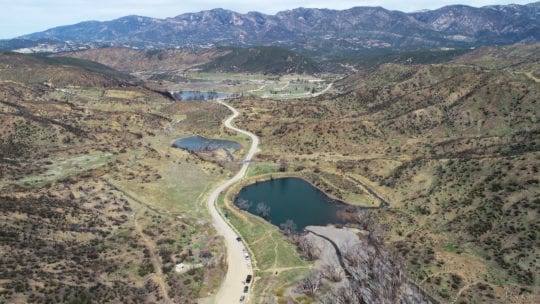
Protect The Best – The Rose Valley watershed is a spring-fed tributary to Sespe Creek located in Los Padres National Forest (LPNF). Sespe Creek is the longest stretch of undammed river in Southern California, designated as a Wild and Scenic River and is critical habitat for endangered Southern California Steelhead. The Rose Valley Creek Restoration Project, in addition to supporting the recovery of southern steelhead, will increase native species resiliency to future disturbances, such as fire, drought, and threats or the disturbance from aquatic invasive species. The grant award will go towards planning and preparing designs, technical analysis, and reports for a riparian habitat restoration project at Rose Valley Creek in Los Padres National Forest in unincorporated Ventura County.
Mad River Estuary Restoration
$368,000 award from Wildlife Conservation Board + $490,167 from National Oceanic and Atmospheric Administration
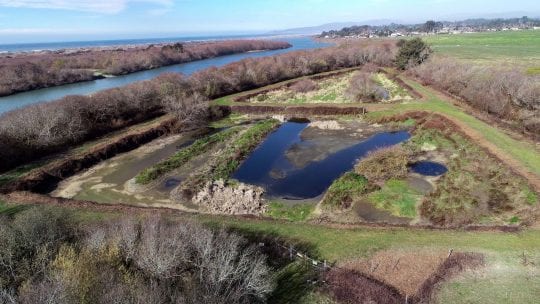
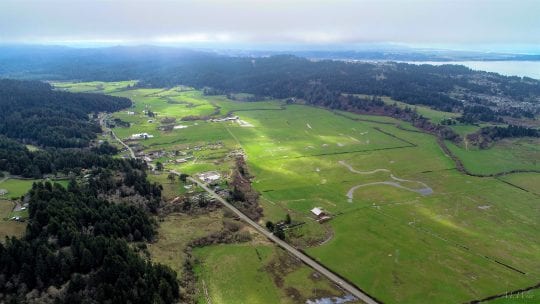
Restore Estuaries – The rivers and streams of the North Coast provide the potential for a climatic refuge for estuarine-dependent aquatic species such as coho, steelhead, and Chinook, as well as important nursery habitat for other species of cultural and economic value. The Mad River Estuary Floodplain and Off-channel Habitat and Public Access Project will restore an element of habitat complexity in a highly simplified estuary – providing off-channel habitat and floodplain connection. The grant award will go towards creating ADA trails, river access for kayaking and paddling, an overlook and interpretive signs, and audio tour developed in partnership with the Wiyot Tribe. Project partners include the McKinleyville Community Services District (MCSD) – the landowner – a team of local professional firms, and in close consultation with the NOAA Restoration Center, US Fish and Wildlife Service, the State Coastal Conservancy, and CA Department of Fish and Wildlife
Elk River Recovery: Estuary Restoration
$400,000 award from State Coastal Conservancy + $309,302 from Wildlife Conservation Board