




The train derailment on the Norfolk Southern line in East Palestine, Ohio serves as a grim reminder of the Cantara Loop Spill of metam sodium into California’s Upper Sacramento River more than thirty years ago – and perhaps a frightening harbinger of the future. California Trout urges railroad company Union Pacific to increase transparency around its safety practices for this rail line in the interest of protecting health and safety.
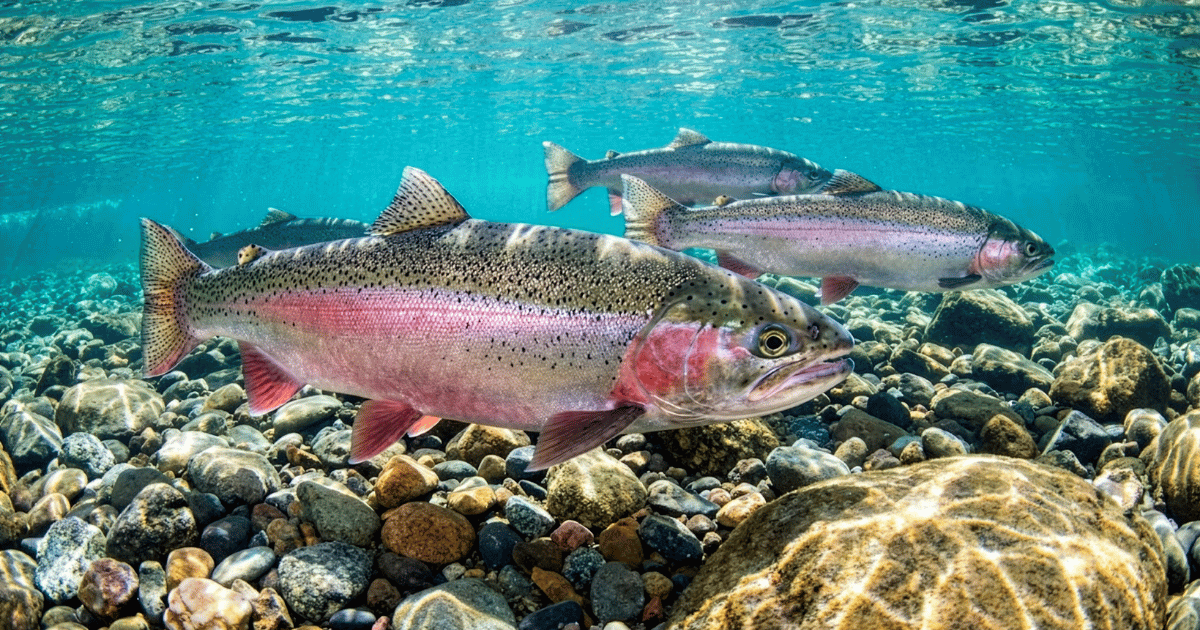
At the time considered the worst environmental disaster in state history, the 1991 derailed train spilled 19,000 gallons of herbicide into the river. It killed every fish and other living organism in and along 44 miles of river in addition to making area residents ill. Learn more about the 1991 derailment here.
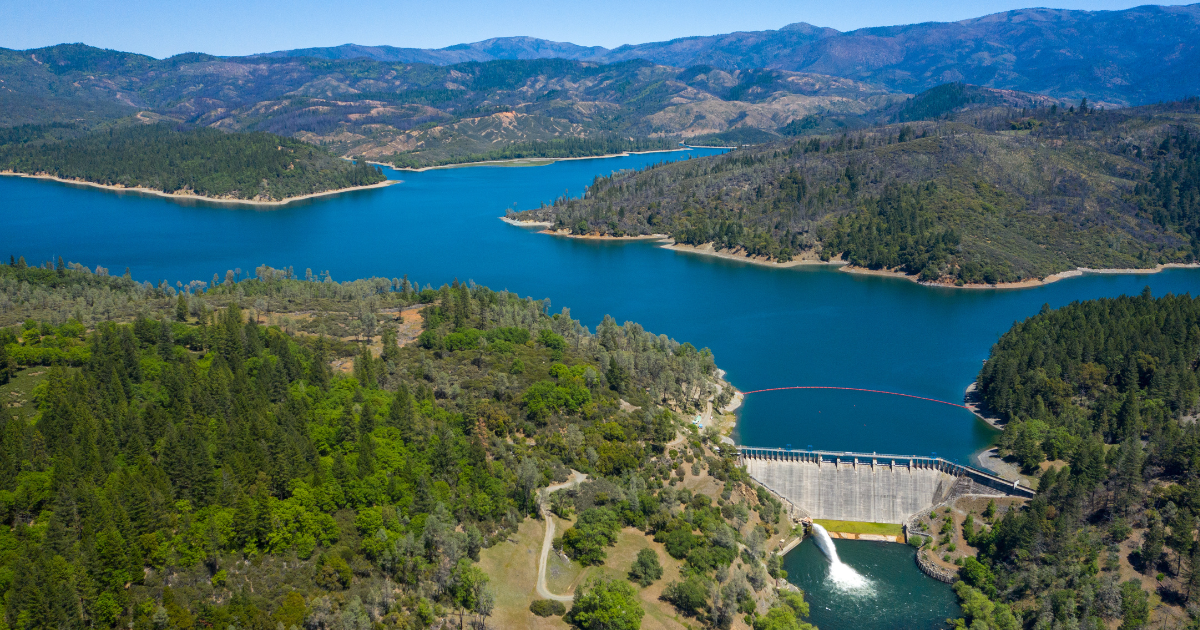
Steep grades and tight corners are banes to the physics of trains. With three sharp 10-degree corners and one 14-degree corners (the latter over the Cantara Loop river crossing), combined with a steep 1.8% grade, this section of the main north-south corridor of Union Pacific’s (UP) west coast line remains the most dangerous of their routes. Rail experts concur that for optimal rail operation a corner of 8-degrees and a grade of 1.1% are the maximum allowable. Both are exceeded near Cantara Loop that runs along and across the Upper Sacramento River.
Despite slower train speed limits in the area, there have been at least three reported derailments in the Cantara Loop area in the past two years. The most recent, November 15, 2022, occurred just below the Cantara Loop river crossing. On August 27, 2021, 18 cars derailed in the same area.
Along this line, UP regularly transports hazardous materials that are toxic and potentially lethal. UP’s office claimed in a 2022 statement to Jefferson Public Radio that “Union Pacific is working diligently to prevent derailments and accidents…and also comply with all federal rules and regulations to ensure our trains run safely.”
The facts run contrary. An audit conducted on Union Pacific’s operation by The Federal Railroad Administration (FRA) recently cited “growing concerns” about “Union Pacific’s safety performance.” Further, inspectors noted that UP inaccurately recorded locations of hazardous materials in trains and sometimes omitted any documentation of these materials.
FRA data suggests UP has been responsible for almost a third of rail accidents in California during the past 10 years. The company transports approximately 30% of all freight carloads hauled in the US.
Concern also radiates over the lack of communication between rail officials and local emergency responders. Bryan Schenone, Director of the Siskiyou County Office of Emergency Services (OES) stated in a 2022 interview with Jefferson Public Radio that “he was not notified in February or November [2022] when freight trains derailed at the Cantara Loop.”
California Trout calls for more transparency from Union Pacific on its safety practices for hazardous cargo, especially in environmentally sensitive areas like Cantara Loop, including that: (i) all cars transporting toxic, flammable or lethal cargo be clearly identified, (ii) manifests identifying cars carrying hazardous materials be created and maintained to allow real-time monitoring of car location by GPS and Positive Train Control, and (iii) improvement of testing and maintenance to ensure all cars transporting hazardous materials are modern, safe, and in good working order.
While trains are imperative for transporting goods and commodities throughout the nation, railroads are shrinking their workforces to increase profits, often at the expense of inspection and maintenance of their rolling stock, all while lobbying for reducing regulations at the Federal level.
The East Palestine derailment frighteningly highlights the dangers posed to all cities and communities and to the environment along rail lines. Though railroad industry regulations date back to 1864 and the Lincoln Administration, railroad companies such as Norfolk Southern and Union Pacific (the nation’s largest) rarely adopt new or improved safety oversight measures voluntarily. Railroads are among the safest available way to transport many hazardous materials. But it is clearly time to modernize rail transportation regulations of hazardous materials. To better protect the public, federal regulations should improve rail cargo transparency and tracking, and increase the standards for inspection and maintenance of railroad rolling stock used to transport hazardous materials.
California Trout has worked for 50+ years to ensure healthy waters and resilient wild fish for all Californians. We remain committed to this mission and the millions of fish, thousands of amphibians, millions of aquatic invertebrates, and 1500+ Dunsmuir residents that would be affected by a future disaster on this treacherous stretch of railway.
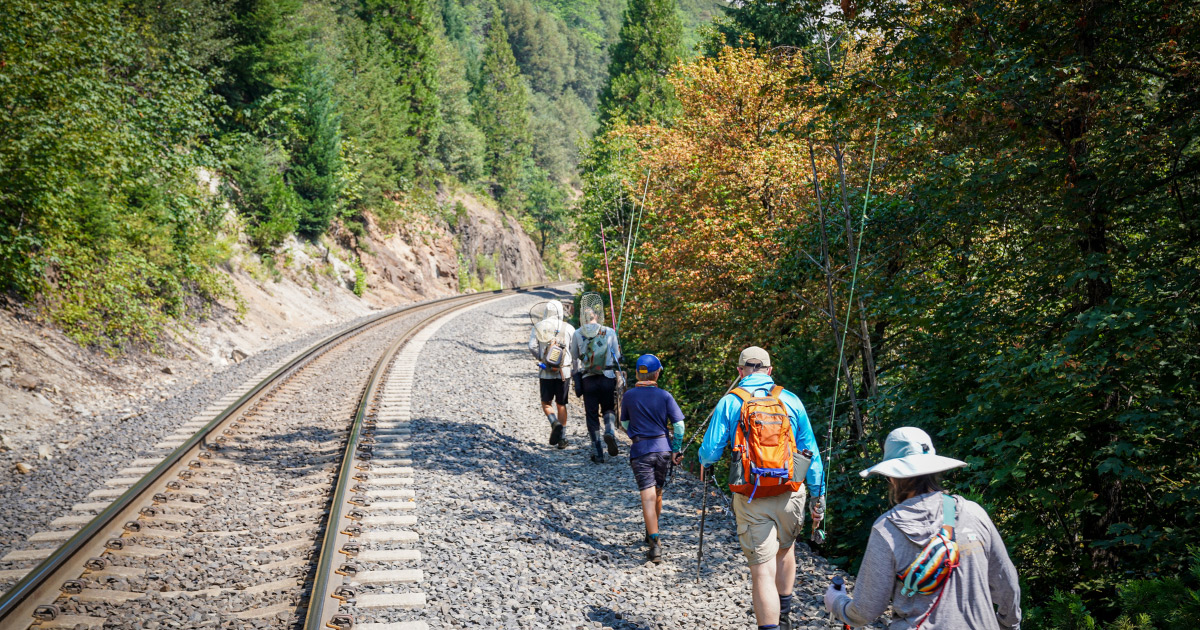
Cover photo: A group of fisher-persons walk along the rail tracks, en route to the river. Credit: Michael Wier.